Naha
Naha
Capital of Okinawa and gateway to the Ryukyu Islands, Naha blends the heritage of the Ryukyu Kingdom, modern Japan, and subtropical atmosphere.
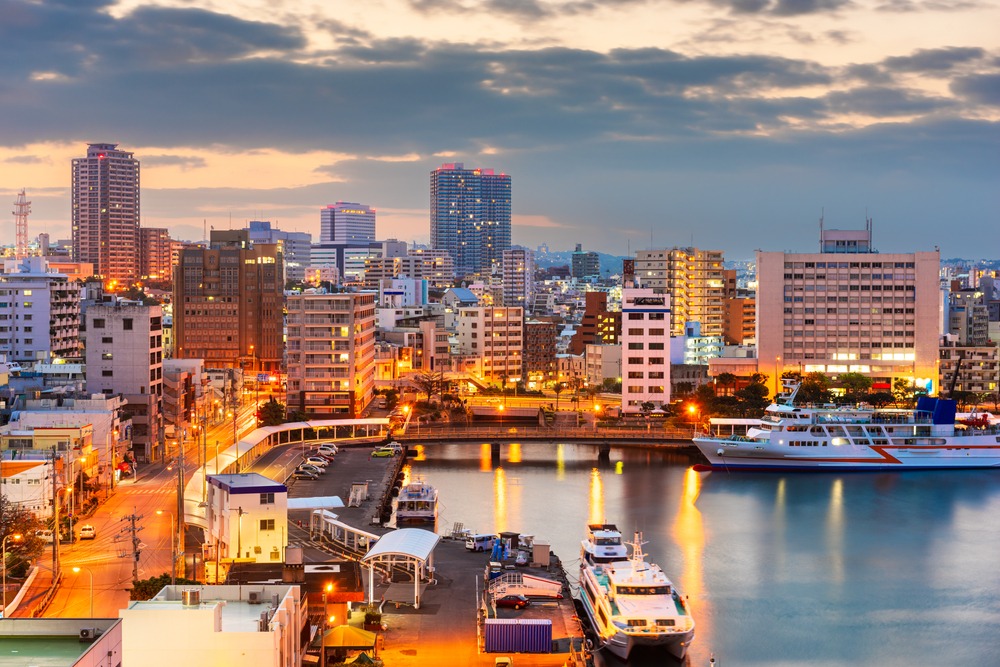
When you think of Okinawa, a tropical postcard springs to mind. In Naha (Naha-shi in Japanese), you'll find that seaside atmosphere and laid-back vibe, except the capital of the archipelago is also firmly rooted in the present day. It boasts modern amenities, skyscrapers, and shopping hotspots along its main avenue. Historic sites abound too, some inscribed on the UNESCO World Heritage List. Be sure to visit this charming city with its rich culture when you travel to Japan.
History
Naha sits on the southwestern coast of Okinawa hontô, Okinawa's main island. The Ryukyu Kingdom ruled the archipelago from the 15th to the 19th centuries before its annexation by the Japanese Empire in 1879. During World War II, bombing raids devastated the entire city, including its historic sites. Over time, certain monuments, including Shuri Castle, have been restored and inscribed as World Heritage sites.
What to Do in Naha?
Explore Kokusai-dori Street
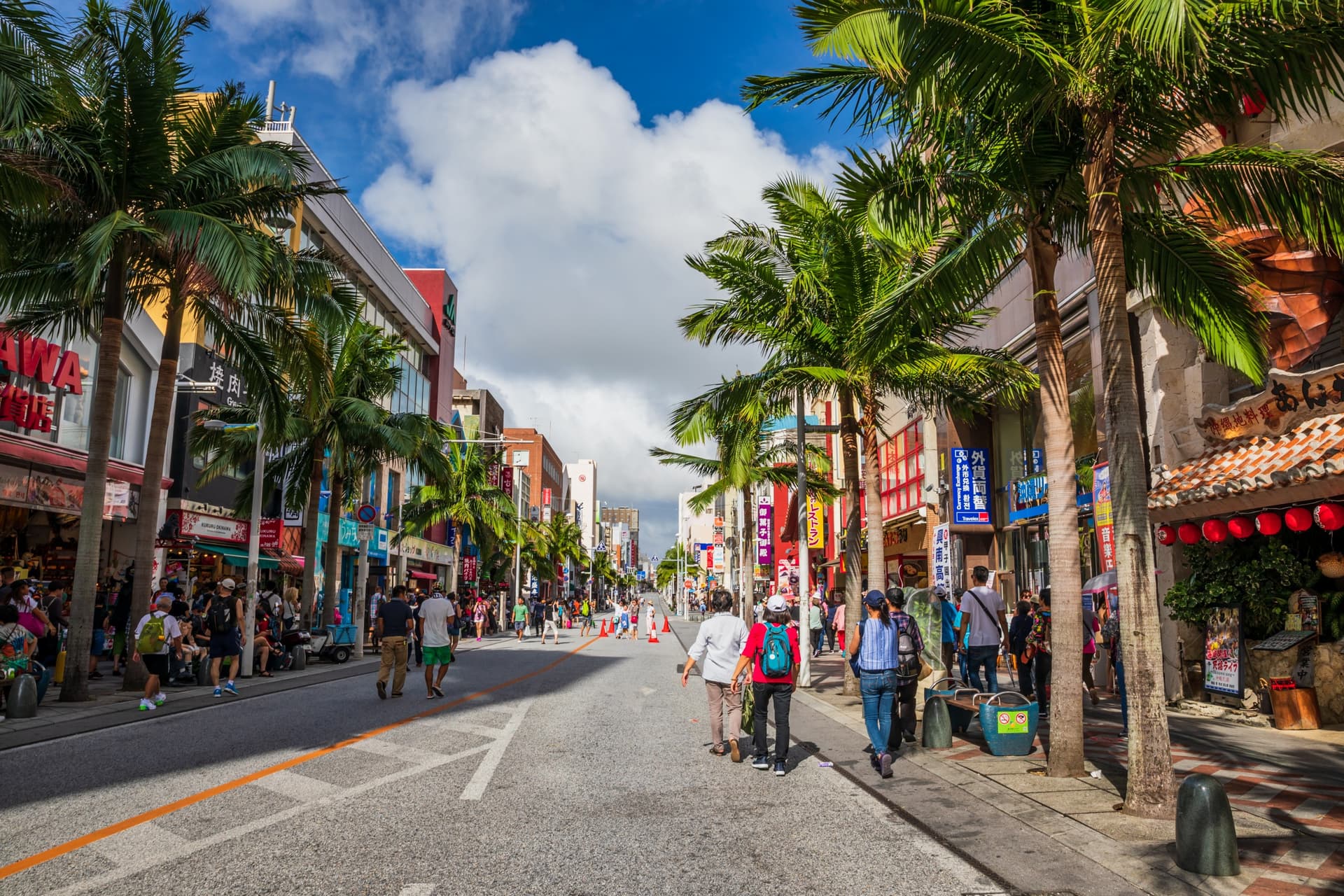
From shopping to sampling Okinawan cuisine, you'll have plenty to keep you entertained well into the early morning hours on Naha's main avenue, Kokusai-dori. It's packed with restaurants and bars where you can discover local food and taste awamori, the local spirit. Many venues host live music performances. Experience the sanshin, the regional musical instrument that accompanies Ryukyuan dance. Shops stay open late, allowing you to browse after your sightseeing. The souvenir selection is vast: Yachimun pottery, awamori bottles, kariyushi shirts, chinsuko biscuits, and more.
Stroll Through Makishi Market
Makishi Market, nestled near Kokusai-dori, is an unmissable spot to discover Okinawa's local products. You'll find tropical fruits, fresh fish, and unique handmade goods. Don't miss the chance to try the famous peanut tofu, an Okinawan delicacy that's both sweet and creamy.
Visit the Tsuboya Artisan Quarter
The Tsuboya artisan quarter is the historic center of Okinawan pottery. It's renowned for producing yachimun, traditional pottery dating back several centuries. As you wander through its cobblestone streets, you'll discover numerous workshops and shops where local artisans continue this ancestral craft.
Explore the City's Gardens
Naha's gardens showcase the melting pot of Asian cultures that characterizes Okinawa's archipelago. In the Fukushuen Garden, the setting transports you to China. And this is no mere copy. The garden's creation involved genuine Chinese artisans. The wood, stones, and other artifacts largely come from the Middle Kingdom. Like traditional Chinese gardens, Fukushuen features a beautiful pond at its center, populated with colorful carp. Around it, trees create shaded areas perfect for relaxation.
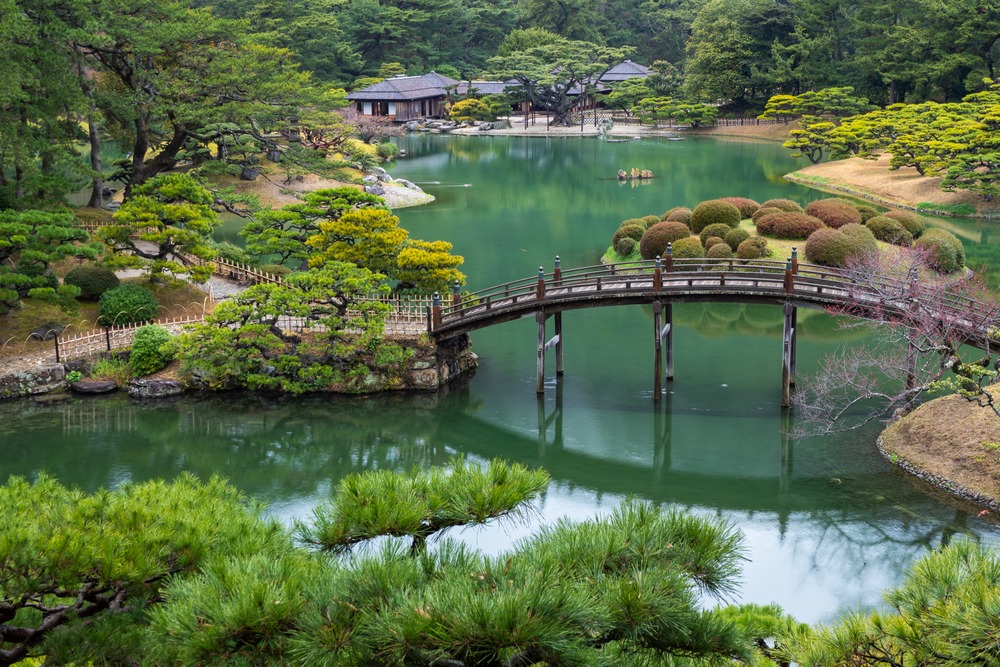
The Shikinaen, meanwhile, is a Japanese garden created in the late 18th century and restored after World War II. Today it's a World Heritage site. A pond, small islands connected by footbridges, an ancient royal residence—the place is stunning and the atmosphere peaceful, zen-like. A bit further on, nestled in a forest setting, tropical plants await discovery.
Unwind at Naminoue Beach
For a relaxing break, Naminoue Beach, located near the city center, is perfect for you. It's a pleasant spot for swimming, sunbathing, or simply enjoying the ocean view. The Naminoue Shrine, perched on a cliff overlooking the sea, is also worth visiting for its serene atmosphere and panoramic views.
Peek at the Former Imperial Japanese Navy Headquarters
The former Imperial Japanese Navy underground headquarters in Naha is a network of tunnels stretching a total of 450 meters. It was used during the Battle of Okinawa in World War II. The commander of Okinawa's Imperial Navy and 4,000 of his men took their own lives when all hope of winning the war was lost. The site is now a museum.
Visit DMM Kariyushi Aquarium
DMM Kariyushi Aquarium is a modern, interactive space showcasing Okinawa's rich marine biodiversity. With immersive exhibits and advanced technology, it offers visitors a captivating experience that combines education and entertainment, revealing the wonders of tropical seas.
See Shuri Castle
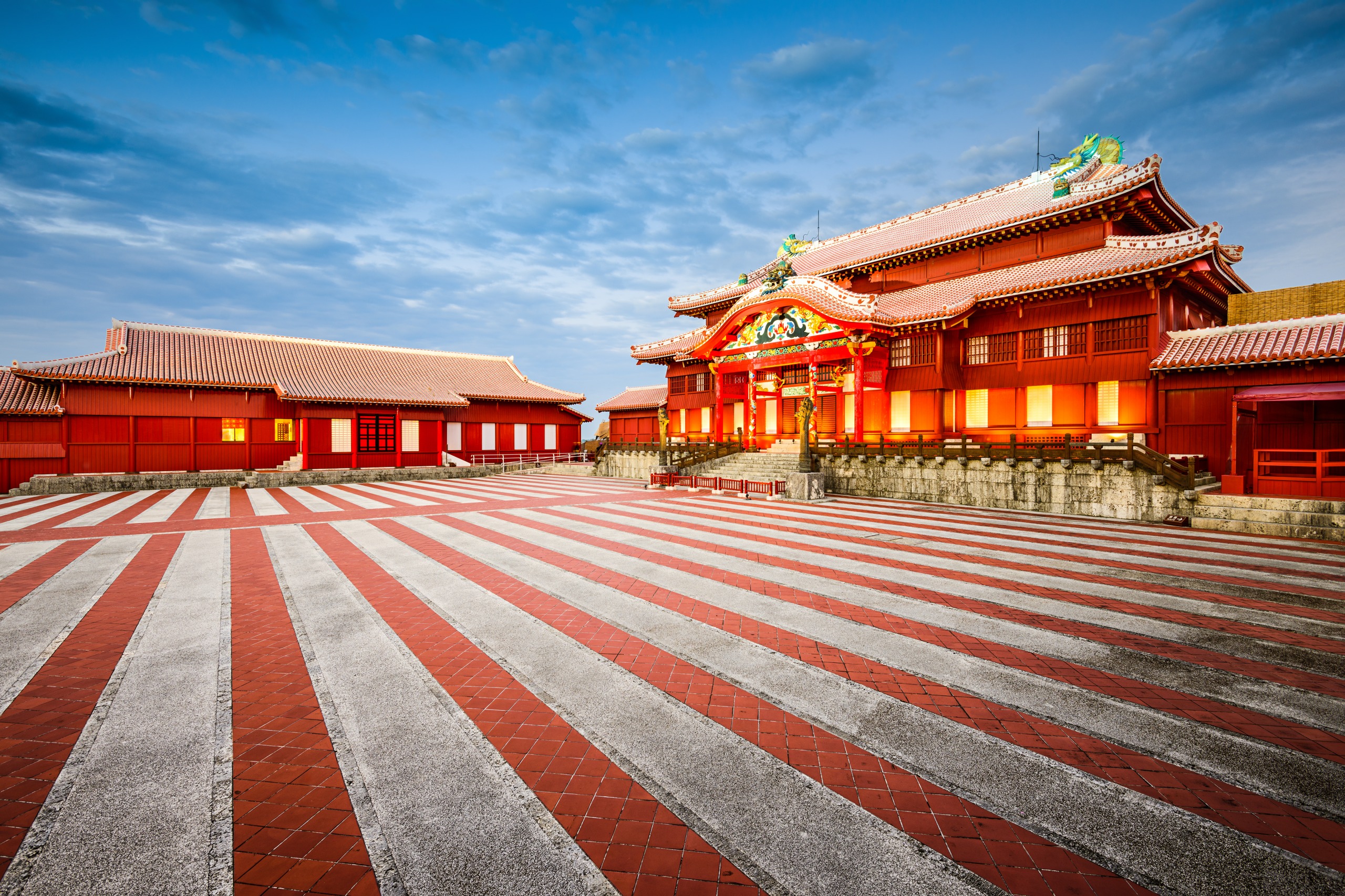
Shuri Castle was the political and cultural heart of the Ryūkyū Kingdom. Built in the 14th century, it stands out for its architecture blending Japanese and Chinese styles. This historic site was struck by fire in 2019. It is currently undergoing reconstruction, with reopening planned for autumn 2026.
Discovering the Okinawa Archipelago
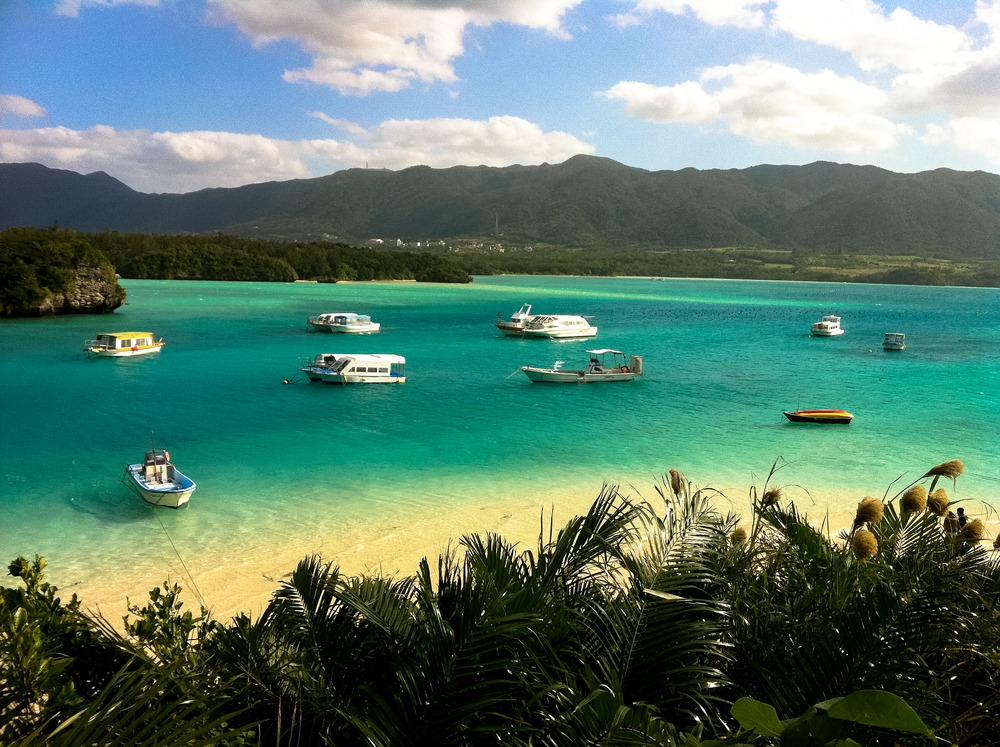
Most excursions in Okinawa begin in Naha. Without leaving Okinawa hontô, you can plan a short getaway to forested hills and fishing villages in the north. For marine enthusiasts, take the ferry to the Kerama Islands to enjoy the diving site at Zamami-jima. From Naha Airport, catch a flight to the Miyako Islands, which boast pristine beaches where turquoise waters meet coral reefs. You can also go scuba diving in Miyako-jima. The Yaeyama Islands, meanwhile, will surprise you with their wildlife population. The Manta Scramble at Ishigaki-jima is home to manta rays, while Iriomote Island is inhabited by wild cats.
Climate in This Part of Japan
The Okinawa archipelago, including Naha, enjoys a subtropical climate. Temperatures can rise quickly in summer, so remember to bring sun protection (hat, sunscreen, etc.) and stay hydrated. In winter, temperatures remain mild, ideal for tourism. The only unfavorable periods are the rainy season in late May to early June and typhoon season in September.
Choose spring or autumn if you want to enjoy beach relaxation in Naha. In early May, Golden Week marks peak tourist season for visitors from mainland Japan. At this time, the city and beaches are often crowded.
Naha Airport is the main gateway to the Okinawa archipelago. It operates connecting flights to major Japanese cities such as Tokyo, Osaka, and Fukuoka, and also welcomes several international carriers.
Okinawa hontô is served by ferries from various locations on mainland Japan, notably Tokyo, Osaka, Fukuoka, Nagoya, and Kobe. While reaching Okinawa by boat is an exciting journey, the cost and duration may discourage some. From Tokyo, the one-way journey takes at least 44 hours and a ticket costs around 22,000 yen on average.
Monorail
Departing from Naha Airport, the Okinawa monorail (Yui rail) crosses numerous tourist attractions, such as Kokusai-dori Street, Naha's city center, and Shuri Castle, and stops at Tedako-Uranishi Station in Urasoe. With a one or two-day pass, it's a practical and cost-effective solution for exploring the city.
Bus, Car, and Bicycle
For locations not served by the monorail, or if you simply prefer another mode of transportation, Naha has a good bus network and car rental options. The city is also pleasant to explore on foot or by bicycle.
Want to discover this destination?
Our local advisors design your tailor-made trip.