Ryokans, traditional Japanese inns
Ryokans, traditional Japanese inns
Wooden architecture, futon on tatami, kaiseki and thermal baths: the ryokan remains the most direct path to understanding Japanese hospitality.
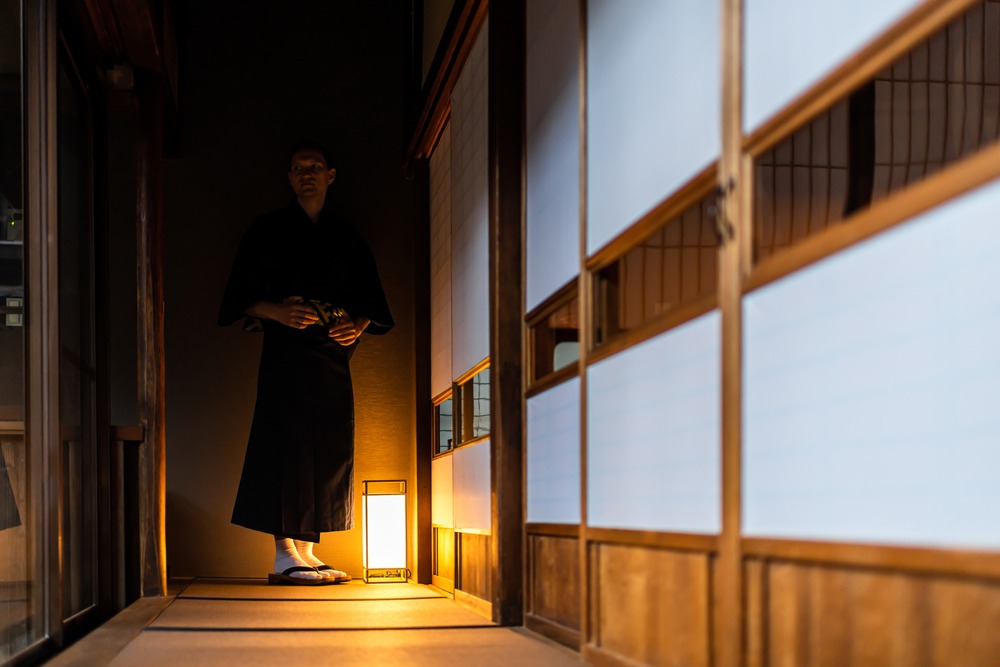
The ryokan is the quintessential traditional Japanese inn: wooden architecture, tatami floors, sliding rice-paper doors, a futon laid out for the night, and a shared thermal bath. Staying one to two nights, as a complement to an urban itinerary, allows you to grasp omotenashi, the Japanese art of hospitality, without turning your trip into a museum visit.
Why stay in a ryokan
A ryokan sets itself apart from a standard hotel through its rhythm and codes. The room serves as a living space: you take tea in the afternoon, sometimes dine in the evening, and sleep on a futon laid out by the staff. The materials—wood, washi paper, rice straw—and minimalist décor offer a tangible understanding of Japanese aesthetics, beyond tourist imagery.
The experience truly shines in thermal and rural regions, though urban ryokans also exist, including in Tokyo and Kyoto. A more modest variant exists: the minshuku, a family-run equivalent, often more affordable and informal. To compare traditional lodging options, also see machiya, these renovated townhouses of Kyoto, or shukubo, accommodations within temples.
An institution born in the 8th century
The first ryokans, then called fuseya, were founded in the 8th century. Two establishments claim historical continuity: Nishiyama Onsen Keiunkan, in Yamanashi Prefecture, and Hōshi Ryokan, in Ishikawa Prefecture. Originally, these inns lodged pilgrims and monks traveling to thermal springs free of charge.
During the Edo period (1603–1868), the sankin-kōtai system required feudal lords to travel regularly to Edo (Tokyo) with their retinues of samurai. Ryokans proliferated along major roads to meet this demand. The current network, comprising tens of thousands of establishments, directly inherits this era.
Ambiance and interior codes
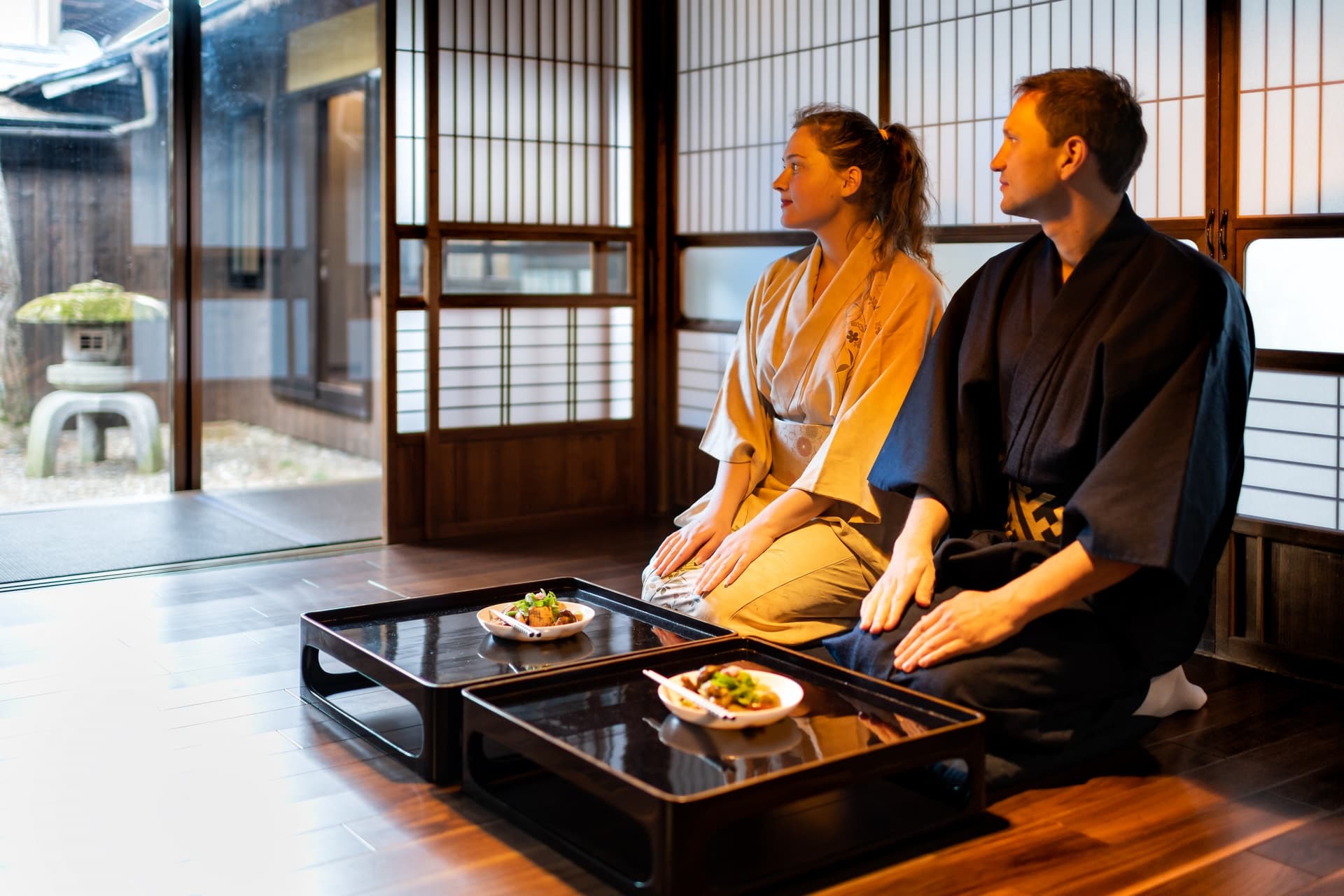
The typical room features tatami flooring, a low table, cushions called zabuton, and an alcove tokonoma where a calligraphy or floral arrangement is displayed. The futon is brought out only at bedtime. Space is divided by fusuma or shoji, sliding panels of stretched paper.
A few rules structure your stay:
- Shoes removed upon entry, replaced with provided slippers.
- Yukata (lightweight kimono) to be worn in the inn and at the bath.
- Tatami are delicate: do not place luggage or slippers on them.
- A soapy shower is mandatory before entering the onsen basin.
- Keep voices low and respect bathing and meal times.
Baths, kaiseki and services
Most ryokans provide access to an indoor onsen (thermal bath), and often a rotenburo, an outdoor basin overlooking a garden, river, or forest. Some offer a kashikiri, a private bathing slot for couples or families.
Dinner follows the kaiseki format: a succession of small seasonal dishes, served in your room or a dedicated hall. It typically includes sashimi, miso soup, grilled fish, and codified preparations such as kuchitori, aemono (seasoned vegetables), and mushimono (steamed dish). Sake and coffee are rarely included in the rate.
Larger ryokans enhance the experience with additional facilities: massage services, ping-pong tables, karaoke room, and games. In smaller ones, you read, take tea, and enjoy the garden.
Where to find good ryokans
A few useful addresses to anchor an itinerary:
- Hatago Kintoen, in Hakone: rotenburo with forest views, accessible from Tokyo by train.
- Oyado Taketori Monogatari, in Chichibu (Saitama Prefecture): just seven rooms, intimate baths, and traditional cuisine.
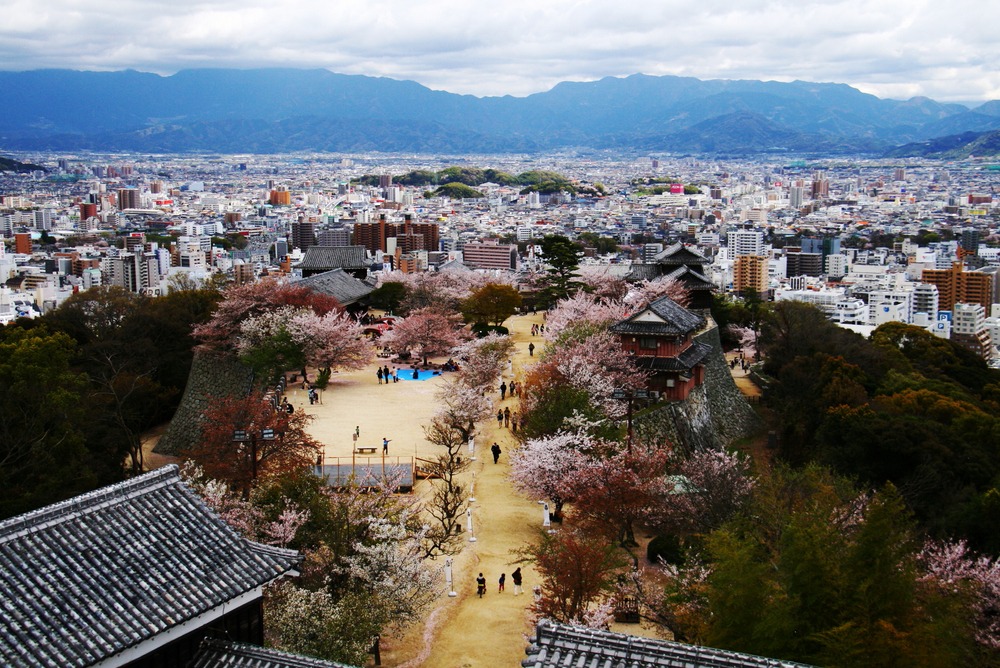
- Dougoya Ryokan, in Matsuyama: minutes from Dôgo onsen, one of the country's oldest bathhouses, cited among Miyazaki's inspirations for Spirited Away.
- Senshinkan Matsuya, in Yudanaka: an ideal base for observing Japanese macaques in nearby hot springs.
- Ryokan Otanisanso, in Nagato (Yamaguchi Prefecture): on the banks of the Otozure River, with herbal, cypress, and granite baths.
Combining with other forms of lodging
A night in a ryokan pairs well with other traditional experiences: staying at a temple in a monastery on Kōya-san for spiritual depth, or booking a machiya in Kyoto to experience urban living. Budget-wise, family-run minshuku and certain shukubo remain affordable, while high-end Meiji-era ryokans command substantially higher rates—though meals are included in nearly all cases.
Preparing your trip
To weave a ryokan night into a coherent itinerary, see our Japan travel suggestions: our advisors position the thermal region based on season and the rest of your route.
Fancy staying here?
We can book this accommodation for you.