Kansai
Historic heart of Japan spanning imperial Kyoto, merchant Osaka, monastic Nara and the pilgrimage paths of Kumano, best explored over 5 to 7 days minimum.
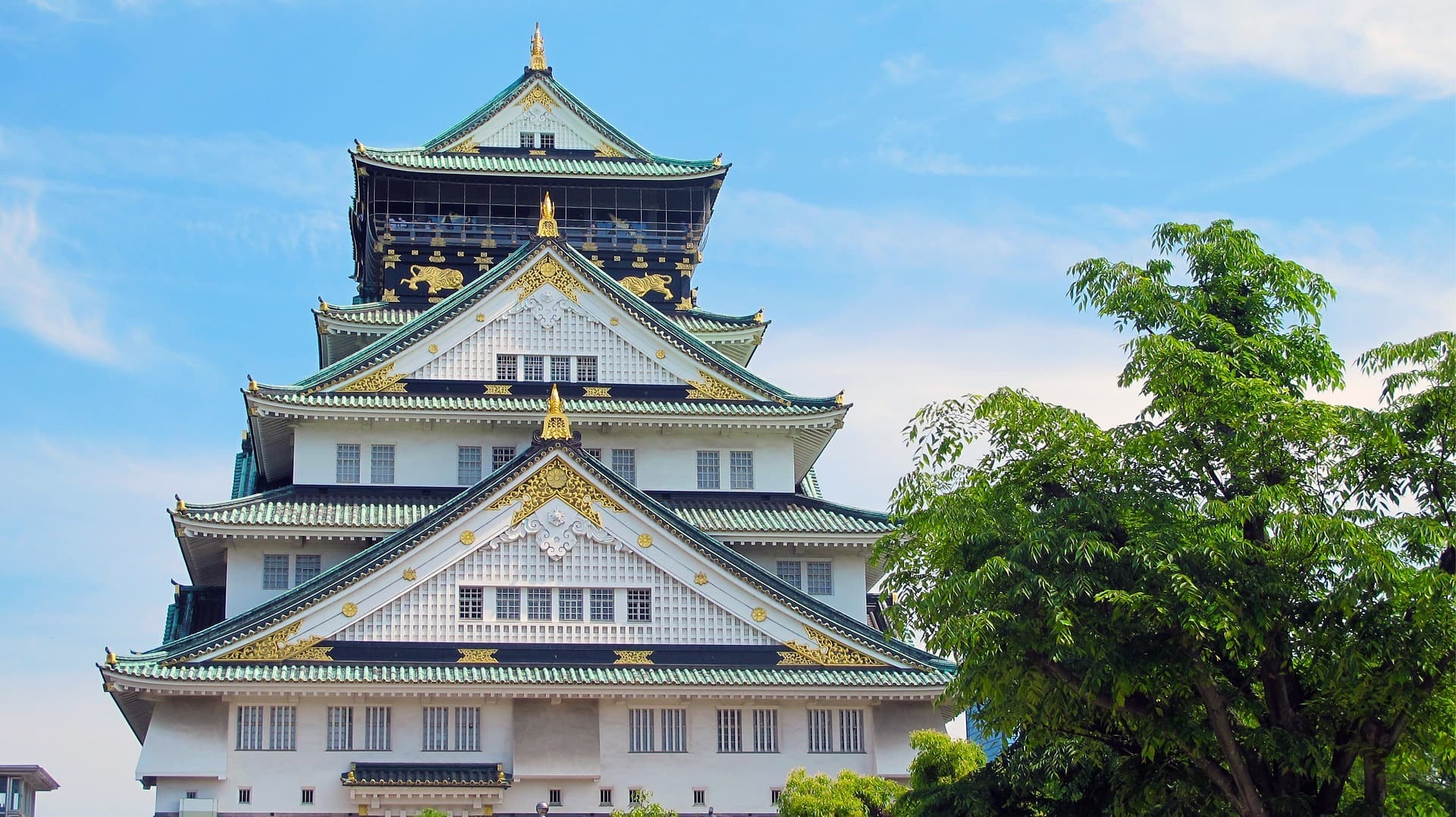
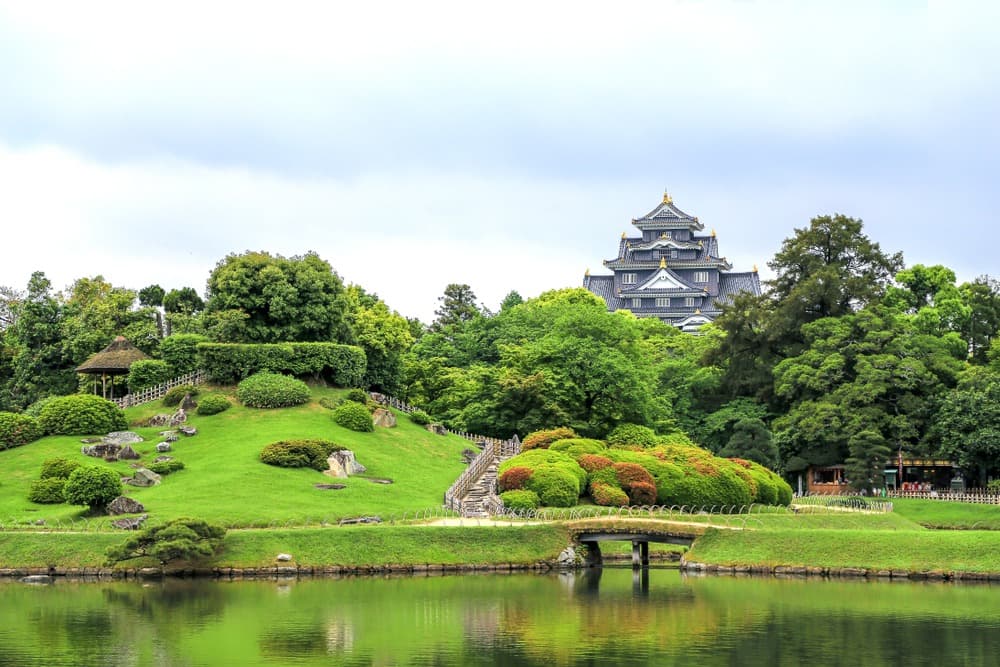
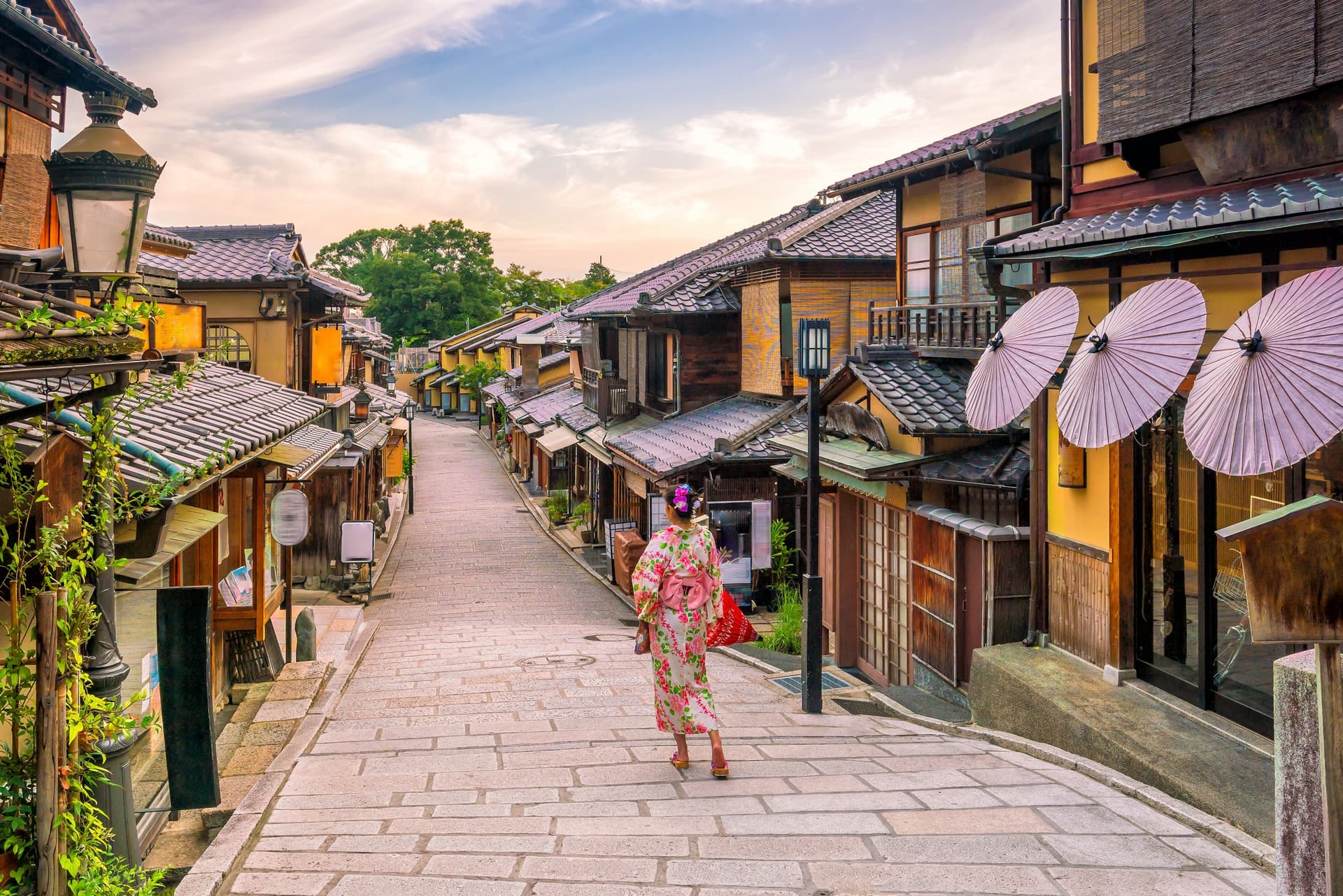
Kansai occupies the west of Honshu, around Osaka Bay and Lake Biwa, Japan's largest freshwater lake. The region once bore successive imperial capitals: Nara from 710 to 794, then Kyoto for over a thousand years, until the court relocated to Tokyo in 1868. This historical density still reads in the urban fabric, the dark wooden machiya districts, zen gardens and temples that punctuate the surrounding hills.
Geographically, Kansai blends alluvial plains (Osaka, Kyoto), forested mountains (Kii to the south, Hira range to the east) and jagged coastline. Kyoto is ringed by three chains of hills that trap heat in summer and humid cold in winter. Osaka, a 45-minute train ride from Kyoto, sprawls across the bay and concentrates commercial and port activity. Nara, smaller and more intimate, nestles at the foot of Mount Wakakusa, which locals ritually burn each January.
Kansai culture differs noticeably from Kanto. The kansai-ben dialect sounds more musical, humour is more direct, and cuisine asserts its flavours without apology. Osaka is nicknamed Japan's kitchen: okonomiyaki, takoyaki, kushikatsu were all born here. Kyoto cultivates kaiseki, meals served in seven to twelve courses that follow the seasons and the flowers of the moment. Nara remains associated with kakinoha-zushi, sushi wrapped in persimmon leaf for preservation.
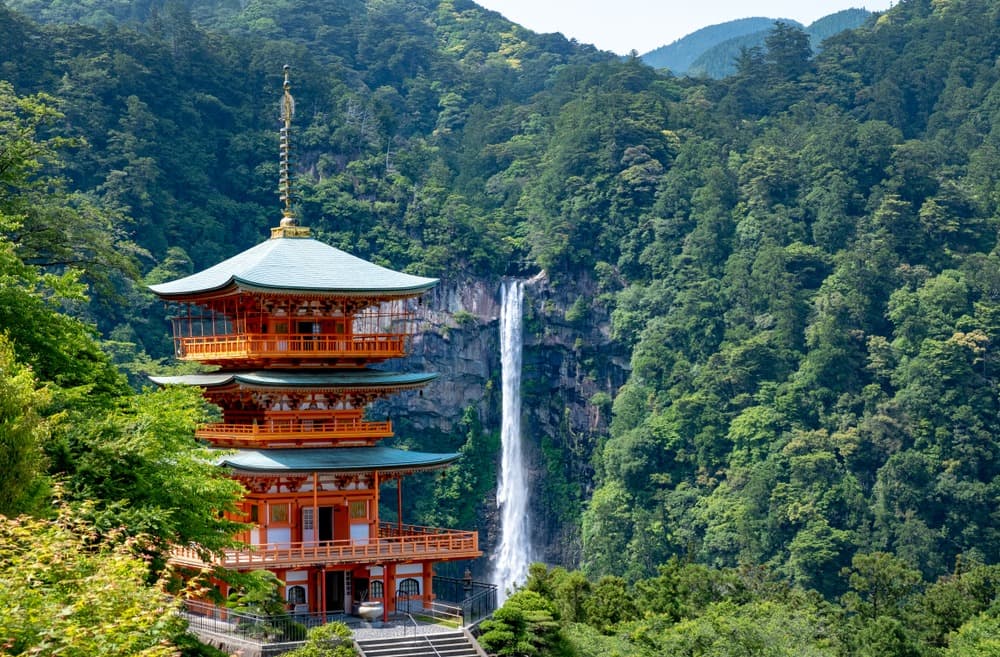
Religious sites structure the territory. Kyoto counts roughly 1,600 Buddhist temples and 400 Shinto shrines. To the south, the Kii Peninsula shelters Koyasan, a monastic plateau founded by Kukai in the 9th century, where visitors sleep in temples (shukubo) and share shojin, vegetarian Buddhist cuisine. Further south still, Kumano Kodo, a UNESCO-listed network of pilgrimage trails, crosses the forest to three Kumano Sanzan sanctuaries. Allow 4 to 5 days for a complete section on foot between Takijiri-oji and Nachi.
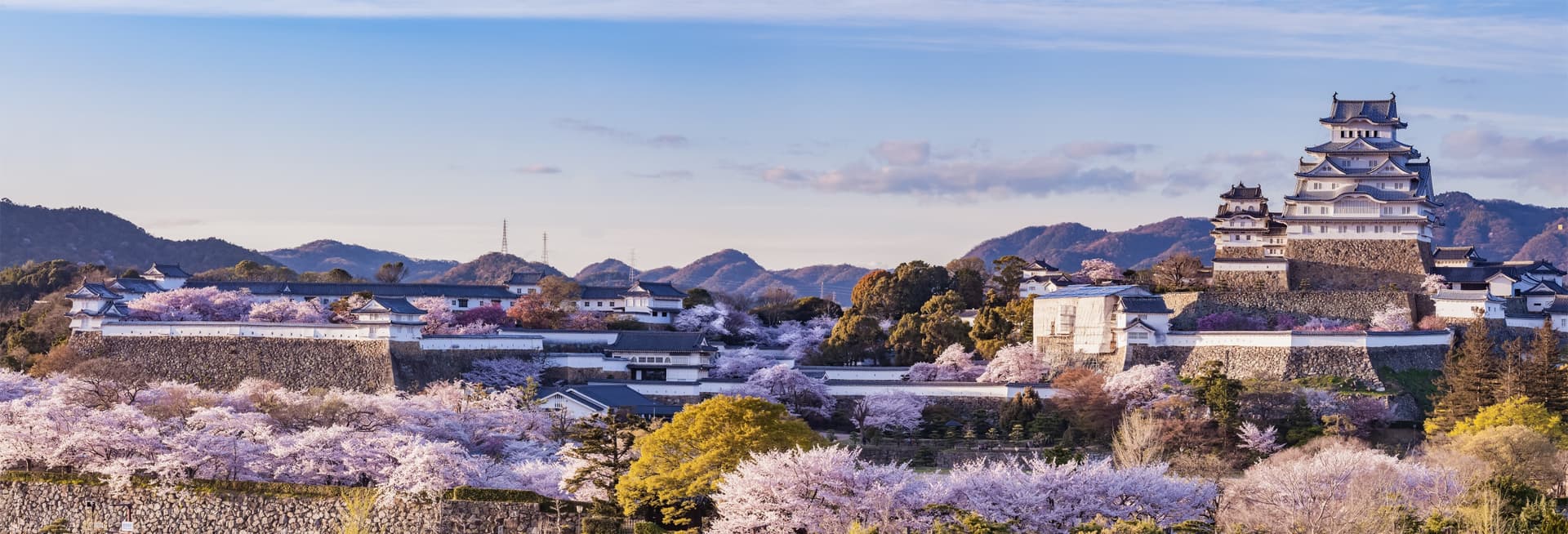
Along the coast, Himeji preserves the country's best-preserved white castle, designated a national treasure. Kobe, rebuilt after the 1995 earthquake, produces Tajima wagyu beef and offers unobstructed views across the bay from Mount Rokko. To the west, the Seto Inland Sea begins, dotted with inhabited islands reachable by ferry from Kobe or Akashi.
Economically, Kansai accounts for roughly 16% of Japan's GDP. Osaka is the country's second business hub; Kyoto houses headquarters for Nintendo, Kyocera and Shimadzu. This industrial modernity coexists with living craftsmanship: Nishijin weaving in Kyoto, forged blades in Sakai, Negoro lacquerware. This layering—between imperial court, merchant Osaka and Buddhist asceticism—justifies, in our view, a lengthy stay rather than a two-day stopover.
Must-See Experiences
Fushimi Inari before 7am. Ten thousand vermillion torii gates climb Mount Inari over 4 kilometres. At dawn, you'll encounter mainly local runners and the caretaker opening the soba shops.
Temple overnight at Koyasan. Tatami dormitory at Eko-in temple, shojin dinner served at 5:30pm, morning meditation at 6am followed by a procession through Okunoin cemetery where 200,000 graves rest beneath cedars.
Hiking Kumano Kodo. The Hosshinmon-oji to Hongu Taisha leg: 7 km downhill through cypress forest, followed by a soak in Yunomine hot springs, 92°C at source, used for 1,800 years.
Osaka's Kuromon Market. 600 metres of covered stalls: sea urchins opened on request, tuna sliced before your eyes, fugu in winter season. Budget 2,500 yen for a generous stand-up lunch.
Nara's sika deer park. Around 1,200 deer roam freely near Todai-ji and its 15-metre bronze Buddha, cast in the 8th century. Shika senbei crackers sell for 200 yen from authorised vendors.
When to Visit
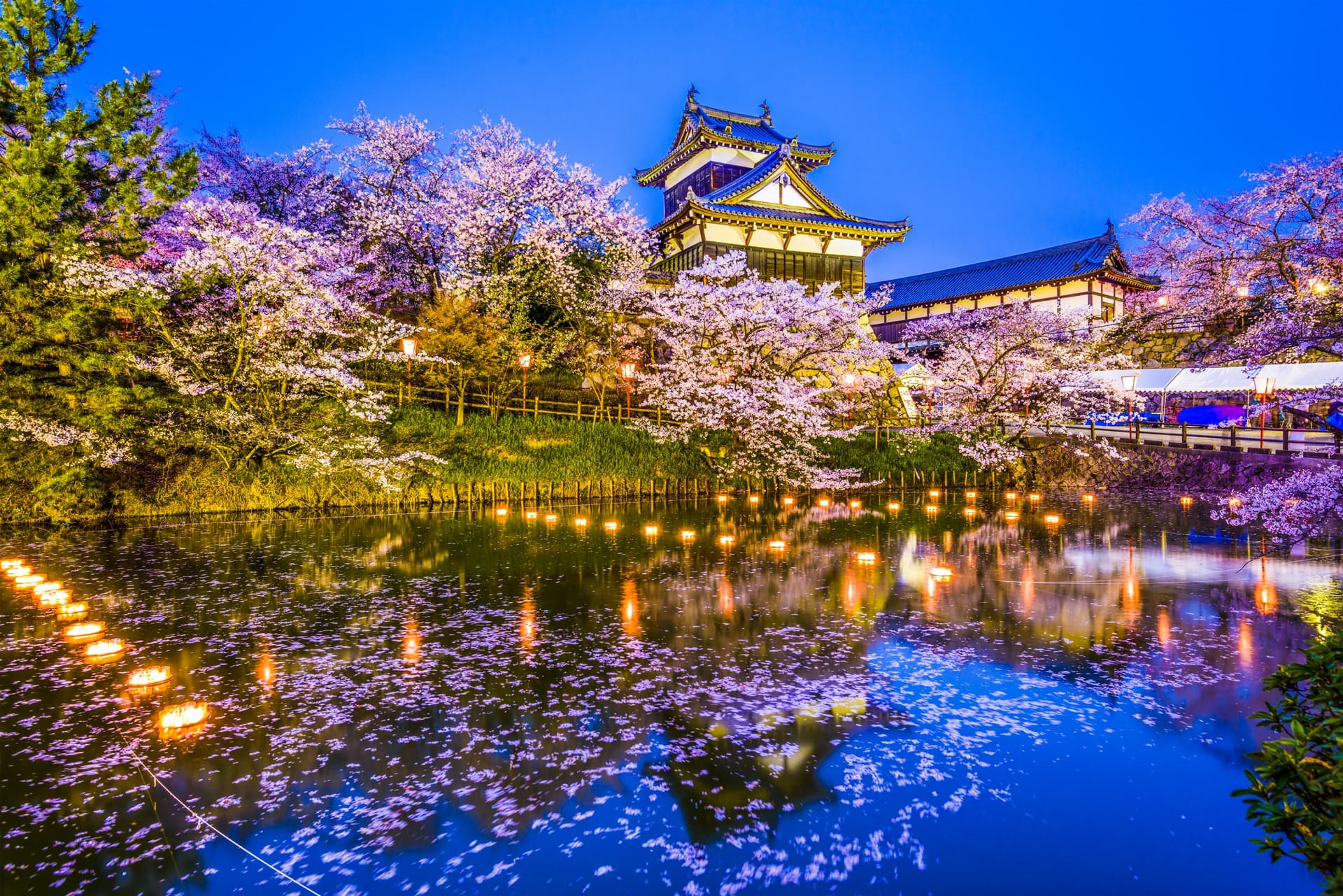
The best windows are mid-March to mid-May and mid-October to end November. Cherry blossoms in Kyoto peak around March 28 to April 8 depending on the year, with peak dates requiring bookings ten months ahead. Red maples (momiji) peak between November 15 and 30, notably at Tofuku-ji and Arashiyama. Daytime temperatures are pleasant: 12 to 20°C, cool mornings.
Summer is taxing in the Kyoto basin: 33 to 36°C mid-July through late August, humidity above 75%. The rainy season (tsuyu) runs early June to mid-July, with roughly 200mm cumulative rainfall in June. Winter remains dry but cold in Kyoto, 2 to 8°C, with occasional light snow on northern temples (Kinkaku-ji under snow being the classic February image). At Koyasan, a plateau at 800 metres, expect temperatures 5 to 7°C lower than Osaka year-round.
Practical Advice
We recommend a minimum of 5 days in Kansai, ideally 7 if including Koyasan or a Kumano Kodo section. A balanced distribution: 3 nights in Kyoto, 1 in Osaka, 1 in Nara or Koyasan, plus the Kumano extension. The logistical entry point is Kansai International Airport (KIX), connected to Kyoto in 75 minutes by Haruka train and central Osaka in 50 minutes by Nankai Rapit.
The region pairs naturally with Kanto and Tokyo via the Tokaido Shinkansen (2h15 between Kyoto and Tokyo), forming the classic backbone of a first Japan trip. For a second visit, we steer toward the Japanese Alps from Kyoto (Takayama reachable in 3h30 via Nagoya) or toward Kyushu by Shinkansen to Fukuoka (2h45). Comfort runs high everywhere, from traditional ryokan to international hotels. Kansai suits contemplative travellers (gardens, temples, crafts) equally well as families (Nara deer, Osaka parks) or hikers ready to tackle Kumano's stages.