Takayama or Hida
Takayama or Hida
A small Kyoto nestled in the Japanese Alps, Takayama reveals its Edo-period streets, sake breweries, and festivals ranked among Japan's most beautiful.
The city of Takayama, Takayama-shi in Japanese, also known as "Hida-Takayama," takes its name from its geographical position in the Japanese Alps. The name indeed translates to "high mountain" in English. It serves as the gateway to this celebrated mountain range in the Land of the Rising Sun. From cuisine to traditional crafts, wooden houses to ancestral festivities, this city in Gifu Prefecture exudes a timeless atmosphere, frozen in the Edo era.
History
Once a fortified settlement, Takayama was formerly the capital of Hida Province, hence its designation as "Hida-Takayama." The city was founded in 1585 by feudal lord Kanamori, at the orders of the great daimyo Toyotomi Hideyoshi.
On February 1, 2005, Takayama merged with nine towns and villages from the Ono and Yoshiki districts: Asahi, Kiyomi, Kuguno, Miya, Nyukawa, Shokawa, Takane, Kamitakara, and Kokufu.
What to do in Takayama?
Stroll through the old town
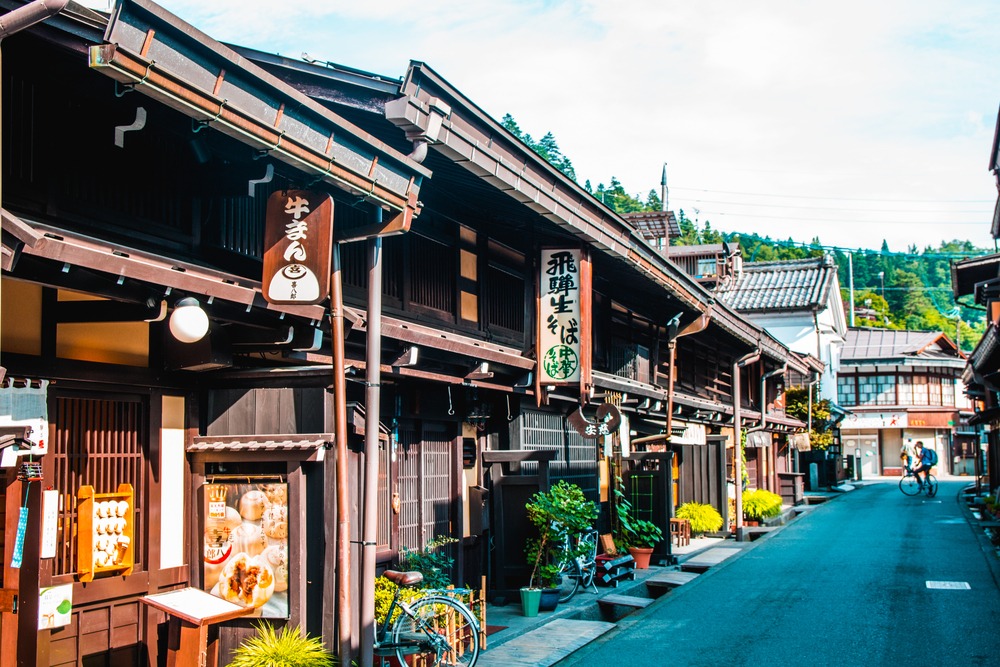
The main attraction of Takayama is its old town. With wooden houses dating from the Edo period, its streets offer a unique immersion into Japan's past. The city is often called "Little Kyoto" for this preserved traditional atmosphere.
Numerous craft shops sell local products such as sake or mitarashi dango, delicious grilled rice dumplings, line the historic district of Takayama. You'll also discover sake breweries offering tastings of different varieties of this Japanese alcoholic beverage. Additionally, Takayama's old town is an excellent place to enjoy meals featuring Hida beef. Several traditional restaurants welcome visitors.
Discover Takayama Jinya
Because of its valuable timber resources, Takayama came under the direct authority of the Tokugawa shogunate in 1692. The Takayama Jinya was the administrative office for officials dispatched from Edo (Tokyo). Used until 1969, it is now open to the public as a museum. You'll see perfectly preserved tatami rooms, conference halls and reception spaces, as well as an interrogation chamber. Nearby stands a large rice warehouse dating from the 1600s, now also a museum displaying objects and documents related to local history.
Shop at the city's markets
The Miyagawa morning market is a must-visit for those seeking to discover Hida-Takayama's local specialties. Located along the Miyagawa River, it stretches 350 meters between Kaji bashi and Yayoi bashi bridges. From 7 a.m., the stalls brim with fresh produce, seasonal fruits, and artisanal creations.
The Jinya-mae market, situated in front of Takayama Jinya, is also worth visiting. It offers a convivial atmosphere and allows you to exchange with vendors.
Both markets are perfect for soaking in the local atmosphere while supporting regional producers.
Visit Hida Folk Village
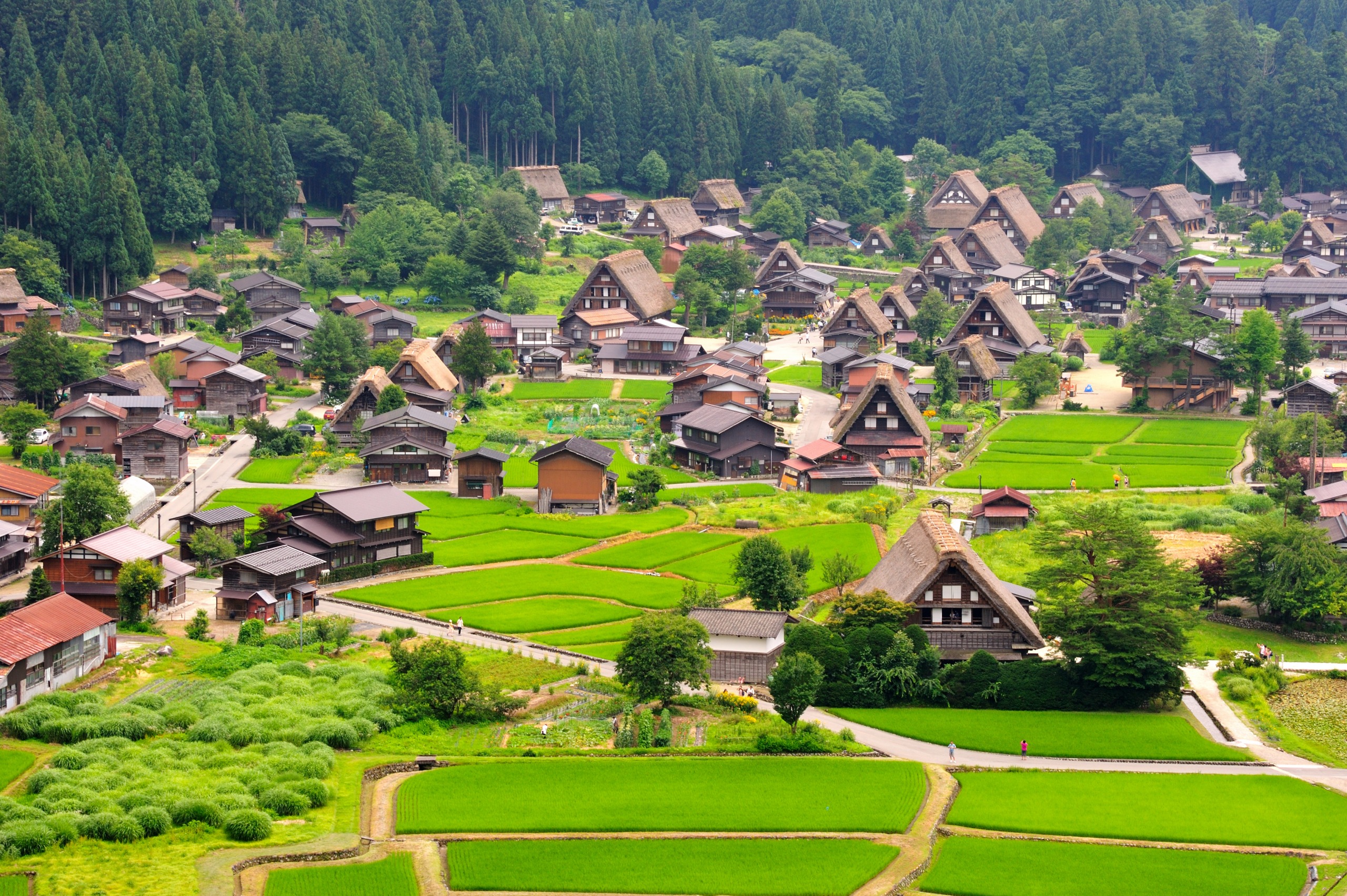
The Hida Folk Village (Hida no Sato) is a must-see when visiting Takayama. This open-air museum, established in 1971, houses 30 traditional houses typical of the Hida region. Dating from the Edo period, they were relocated here from the neighboring town of Shirakawago. Perfectly preserved, these buildings offer a genuine glimpse into Hida's past. You can admire the former village headman's house, woodcutter's cabins, warehouses, and several gassho-zukuri farmhouses, named for their steeply thatched roofs resembling hands joined in prayer ("gassho"). Various tools and utensils once used in daily life are also displayed throughout the village.
That's not all. Near the museum you'll find the Hida Takayama Crafts Experience Center, offering local craft workshops. Activities include making beaded keychains, sarubobo dolls (a popular local doll), ceramic cups, or glass wind chimes.
Attend Takayama Festival
The Takayama Festival, one of Japan's three most famous and over 400 years old, takes place twice yearly: in spring (Sanno Matsuri) and autumn (Hachiman Matsuri). It's renowned for its magnificent richly decorated floats called yatai, which parade through the city streets. These floats, adorned with sculptures, lacquerware, and silks, are masterpieces of local craftsmanship.
Mechanical puppets, operated with precision, are also presented during the festivals. At night, the illuminated floats create a magical ambiance. Takayama's festivals are deeply rooted in local traditions and attract large numbers of Japanese visitors.
Visit Matsuri no Mori Museum
If your exploration of Hida-Takayama doesn't coincide with the festivals, visit the Matsuri no Mori museum for an overview. This venue presents the main aspects of these celebrations. Full-scale replicas of the famous floats are displayed, along with their decorations and puppets.
Hiking in the Japanese Alps
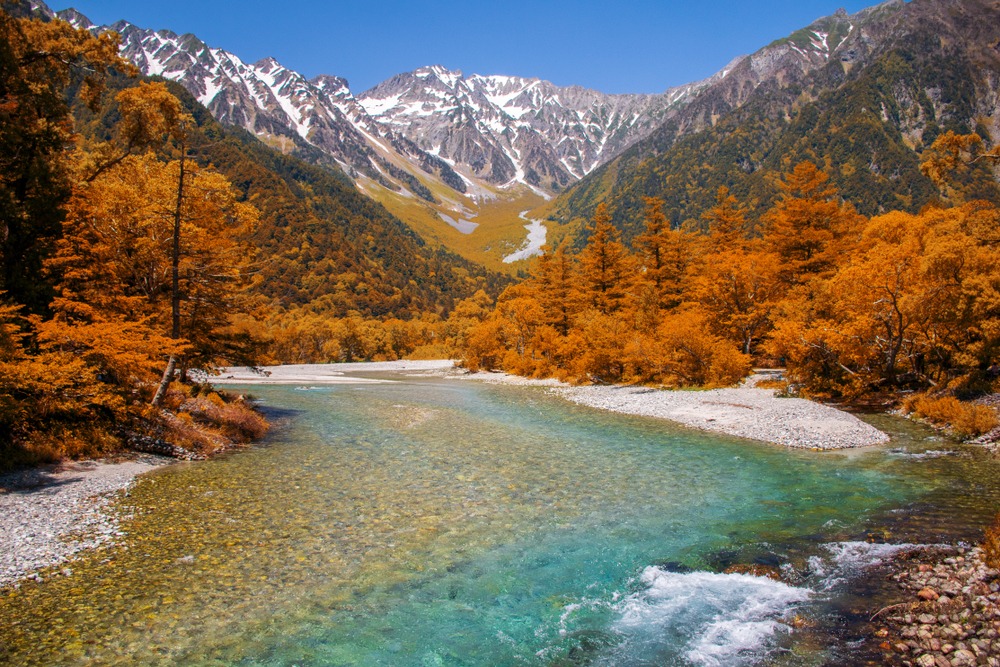
As mentioned below, Takayama is a starting point for discovering the Japanese Alps. The region is a true paradise for hikers. Not far from the city lies the picturesque, largely intact Kamikōchi valley, stretching 15 km and crossed by the Azusa River. Mount Norikura and Mount Hakusan, counted among the three highest peaks in Japan's alpine region, are also popular destinations.
Relax in an onsen
After a full day exploring the region's attractions, there's nothing better than unwinding in hot springs. Several establishments offer onsen facilities for this purpose.
Practical Information
When to visit this region of Japan?
Takayama is pleasant to visit in spring or autumn, during its famous festivals. Spring attracts visitors for its cherry blossoms, while autumn captivates with magnificent colors.
The city's station is served by the JR Takayama Line. From Tokyo, take the Shinkansen Tokaiko train heading to Nagoya, then transfer to the Wide View Hida Express, which will take you directly to Takayama.
Human-sized, Takayama can be explored on foot. There are also bike rental agencies available.
To reach surrounding villages and attractions, you have several local bus lines to choose from. From Takayama JR Station, you'll find routes to Oku-Hida Onsen, Matsumoto, and Hiruyu Onsen.
How many days to visit Takayama?
One day is sufficient to discover Takayama's main attractions. However, if you wish to explore the surroundings, such as the Japanese Alps, plan for 2 or 3 days instead.
Takayama or Kanazawa?
Takayama and Kanazawa each offer different experiences. Takayama is ideal for a traditional atmosphere with its ancient streets, festivals, and proximity to the Japanese Alps. Kanazawa, larger in scale, seduces with its Kenrokuen Garden, contemporary art museums, and samurai district. Your choice depends on your interests!
Attractions in Takayama or Hida
Hida Takayama
Aux portes des Alpes japonaises, Takayama préserve un centre marchand en bois, deux festivals de chars yataï et un savoir-faire artisanal hérité des charpentiers de Hida.
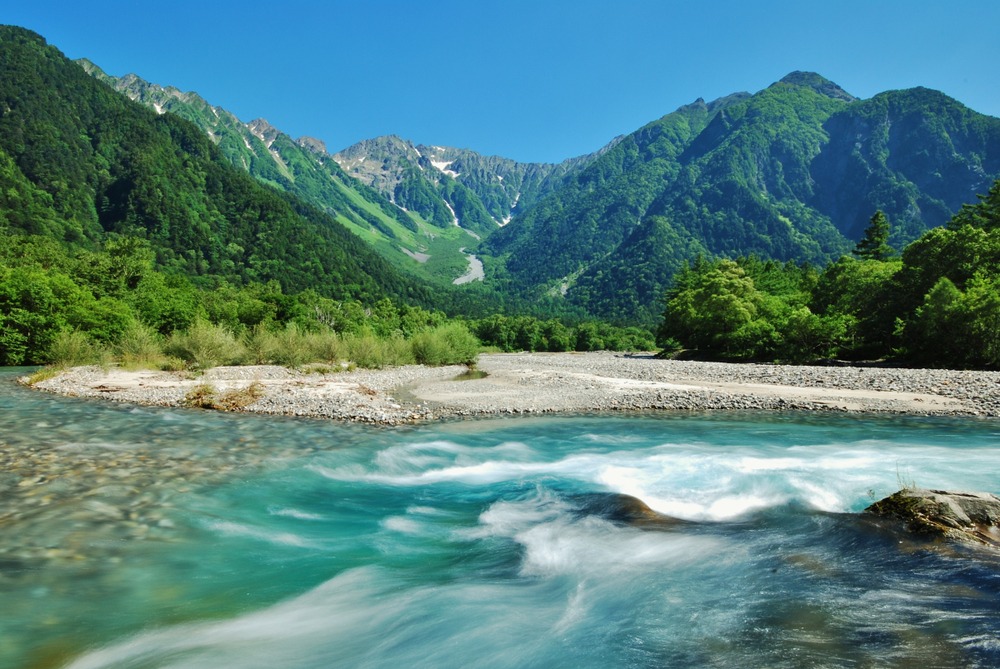
Kamikochi
Vallée d'altitude des Alpes japonaises, Kamikochi déroule 15 km de sentiers entre rivière Azusa et sommets dépassant 3 000 m, dans le parc national de Chubu Sangaku.
Want to discover this destination?
Our local advisors design your tailor-made trip.