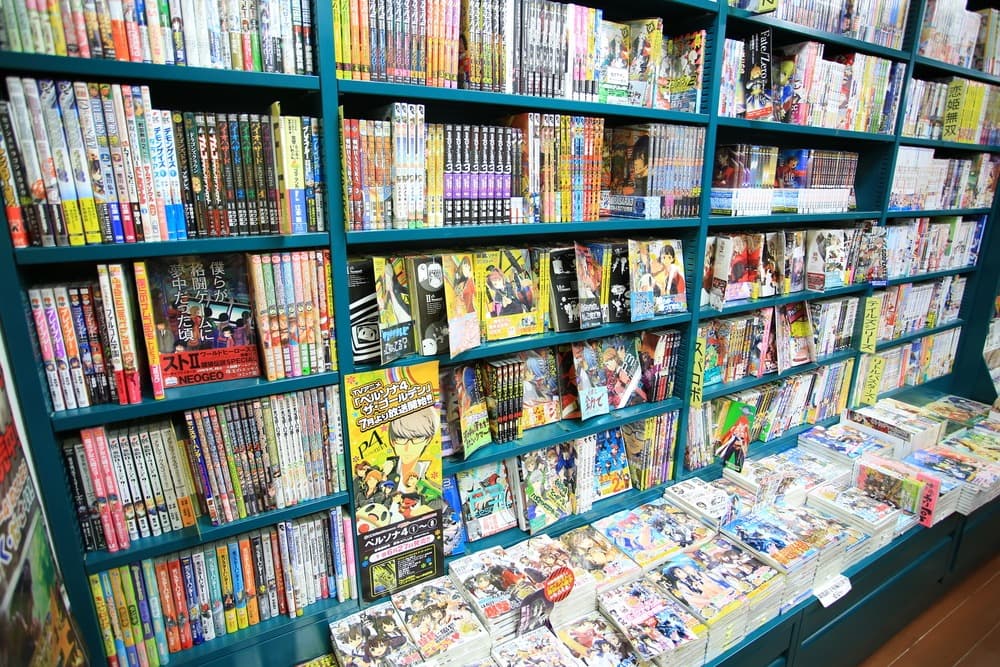
Manga
Manga. Do we still need to introduce this famous Japanese comic? Read daily by millions of Japanese people and translated into numerous languages, manga represents particular artistic and literary styles.
Manga. Do we still need to introduce this famous Japanese comic? Read daily by millions of Japanese people and translated into numerous languages, manga represents particular artistic and literary styles.
First, let's clarify that manga 漫画 refers to both comic books and the animated films derived from them. Quite different from Western comics, manga seeks to convey an atmosphere and mood rather than represent reality as it is. The sound effects woven into the drawings are often untranslatable.
Also, like any traditional Japanese book, manga opens from the right side (in other words, backwards from a Western perspective), and initially, it's not obvious what order you're supposed to read the panels in (put another way, if you read a manga in the same direction as a Western comic, you'll likely find yourself quite confused…).
There's an impressive variety of manga, ranging from adventure and science fiction stories to romance novels, historical fiction, and erotic comics. Many manga are filled with blood and violence, which doesn't stop businessmen from casually reading them on the train.
In closing, I'd say that reading manga can be worthwhile for learning Japanese. Many manga accompany their kanji with phonetic readings (furigana), which makes reading easier and helps expand your vocabulary…