Which Sake to Choose?
Navigating the vast selection of sake available during your stay in Japan can be daunting for the uninitiated, especially when every label is written in Japanese.
Navigating the vast selection of sake available during your stay in Japan can be daunting for the uninitiated, especially when every label is written in Japanese.
To get started, know that there are two primary aromatic profiles:
- Sake with fruity and floral aromas, sweet and low in acidity. In this category, you can confidently choose Ginjo and Daiginjo varieties—the best option if you have little sake experience.
- Sake with more pronounced grain and dairy notes, marked acidity, such as Junmai and Honjozo categories.
Beyond these two broad categories, there are specialty-style sakes worth exploring to expand your sake repertoire, offering more distinctive expressions. Your options include cloudy nigori sakes, aged koshu varieties, Kimoto or Yamahai styles, Futsuushu, and sparkling sakes.
Finally, sake is divided into two major groups: premium-grade sakes (Tokutei Meisho Shu) and ordinary sakes (Futsu Shu), which make up the vast majority of production.
Key Taste Indicators
As taste indicators, pay attention to these three kanji characters that reveal whether your sake is sweet (Amaguchi = 甘口) or dry (Karaguchi = 辛口), or somewhere in between (Nakaguchi = 中口). This information may also be expressed numerically. The higher the number (maximum +15), the drier your sake; conversely, negative numbers indicate a sweeter profile. The flavor experience also depends on the temperature at which you drink your sake.
Another crucial factor when selecting your sake is whether alcohol was added during production. Honjozoshu 本醸造酒 will have a less pronounced flavor since it's diluted with added alcohol. During meals, Japanese prefer sakes with no added alcohol.
Decoding the Labels
First, remember that to order sake in Japan, you'll need to use the term "Nihonshu"—the word sake is more generic, referring to any alcoholic beverage.
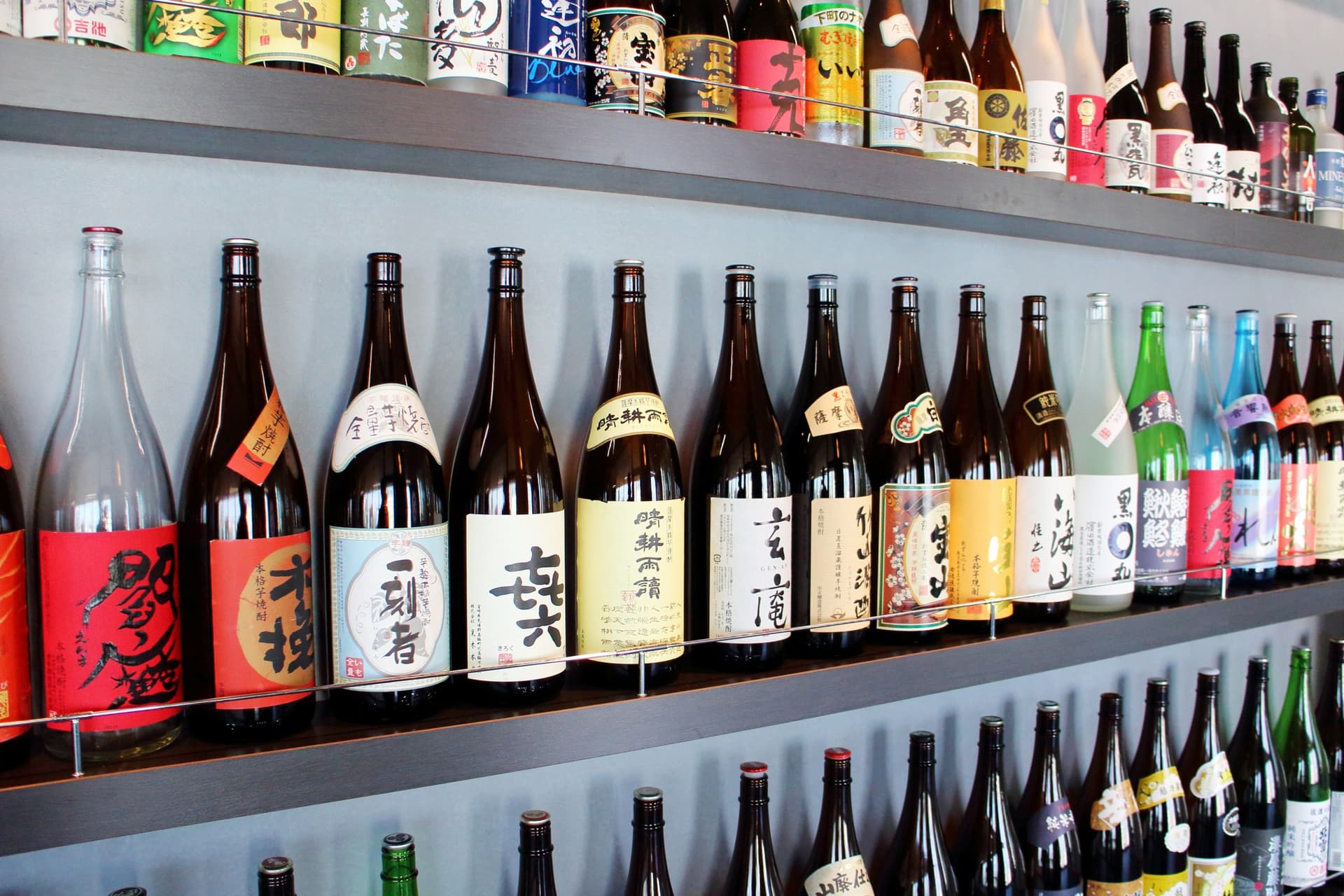
Once in a shop or restaurant, you can rely on the labels. The oldest sake houses display beautifully written calligraphy on theirs. Newer producers may also craft excellent sakes, but for newcomers, it's often wise to trust the longevity and reputation of the producer.
On the label, next to the sake's name, you'll find one, two, or even three adjectives that are crucial for identifying which type of sake you're dealing with. These descriptors convey technical information about the production method and thus the sake category: "Junmai," "Ginjo," "Daiginjo," or others.
You may also find details such as the region of production or alcohol content.
Rice Polishing: A Determining Factor
What matters most is the degree of rice polishing, which ranges between 40 and 70% as mentioned. This information appears on the back label. Note that the more polished the rice, the lower the percentage. A sake with 40% polishing—meaning only 40% of the grain remains during fermentation—will be more refined and costly. Ultimately, taste is subjective, and you may well prefer a sake polished to only 70%.
The sake classification also depends on the degree of rice polishing. To qualify as Ginjo, a minimum of 60% polishing is required, while Daiginjo demands at least 50%. At 70% polishing, a sake can be classified as Junmai.