Shinto Shrines: The Most Beautiful Temples in Tokyo
Visiting Shinto shrines is an unmissable activity during a stopover in Japan! Both places of worship and historical heritage sites: these religious buildings allow you to immerse yourself in Japanese culture while admiring the traditional architecture of jinja… Follow us as we take you through the most beautiful Shinto temples in Tokyo!
Visiting Shinto shrines is an unmissable activity during a stopover in Japan! Both places of worship and historical heritage sites: these religious buildings allow you to immerse yourself in Japanese culture while admiring the traditional architecture of jinja… Follow us as we take you through the most beautiful Shinto temples in Tokyo!
What is Shintoism in Japan?
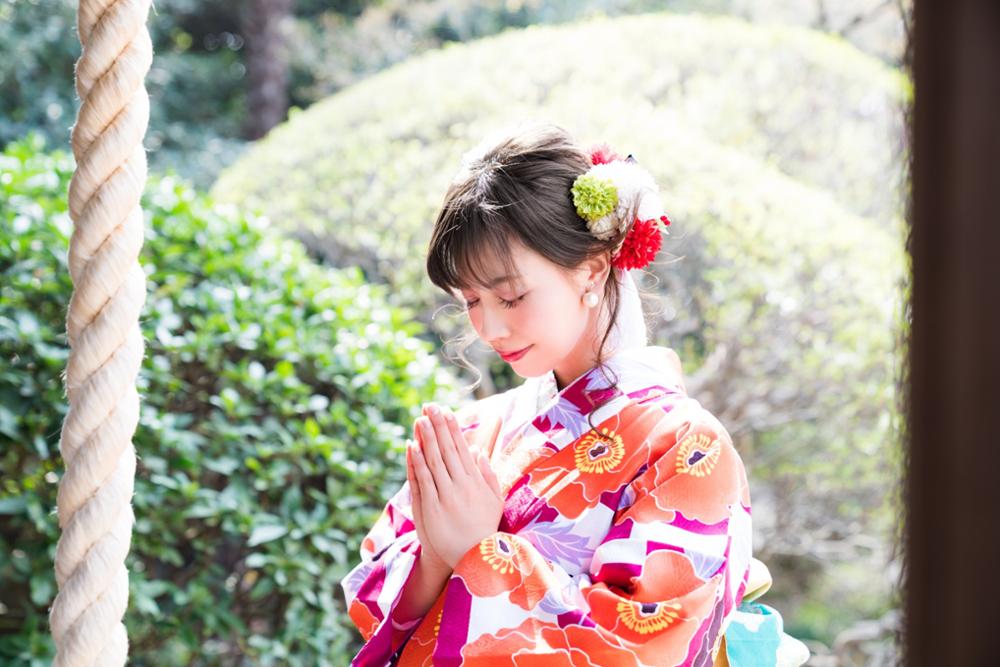
Shintoism is considered the indigenous religion of Japan. It is characterized by a belief in natural forces and the veneration of kamis (divinities – not gods – which can be natural elements as well as the spirits of deceased persons).
Shinto religion does not rest on strict doctrine and does not impose a moral code (there is no holy book, in fact). It is a precept that is practiced rather in daily life and aims to live in harmony (while keeping away evil spirits).
Good to know Shintoism and Buddhism (imported from China in the 6th century) are the two main religions of Japan. While the two long evolved together, their coexistence ended during the Meiji era (1868-1912). As a result, you will find both Shinto shrines and Buddhist temples in Tokyo (and everywhere else in the archipelago). Sometimes, monuments representing both religions. |
How to recognize a Shinto shrine in Tokyo?
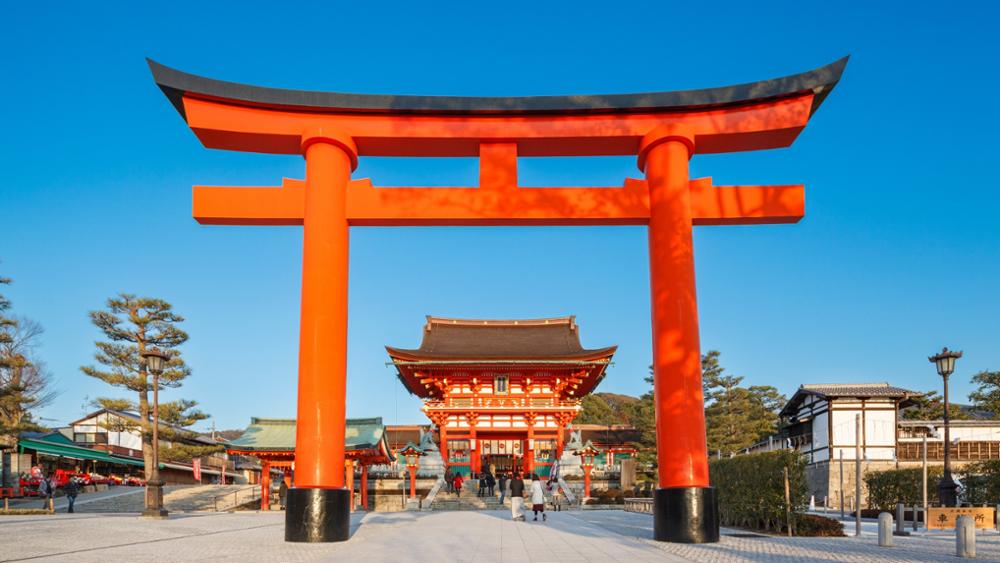
A Shinto shrine (or jinja) consists of a torii (a traditional Japanese portal of red color), an ablution basin chōzuya (where the faithful purify their mouths and hands) and a shamusho (the temple office where Shinto priests retire when not performing duties, and where visitors can place prayer requests (kitô)).
The two main buildings are the haiden (where ceremonies take place) and the honden (reserved for the spirit-kami). Visiting a Shinto shrine allows you to immerse yourself in Japanese culture, by taking part in local customs and practices. Among the prayer ceremonies? Ring the temple bell (to ward off evil) or inscribe a wish on a wooden plaque (an ema).
Which Shinto temples to see in Tokyo?
Nezu-Jinja: the shrine of Yanesen
In the north of Tokyo, in the Yanesen district, you will find the Nezu-jinja shrine – which is among Japan's Important Cultural Properties. Known for its long avenue of torii gates, this building was constructed in 1705 and was enlarged over the centuries. The site houses a sublime interior garden of azaleas spanning 6,600 m². The shrine is very popular during the Matsuri festival, held each year in April-May
Practical Information Address : 1 Chome-28-9 Nezu, Bunkyo, Tokyo 113-0031, Japon How to get there: by metro. Chiyoda Line, Nezu or Sendagi stations (exits 1) Opening hours : daily from 06:00 to 17:00 Price : free To know : Yanesen is the acronym for the three neighboring districts of Yanaka, Nezu, and Sendagi |
Meiji-Jingu: the shrine of Yoyogi Park
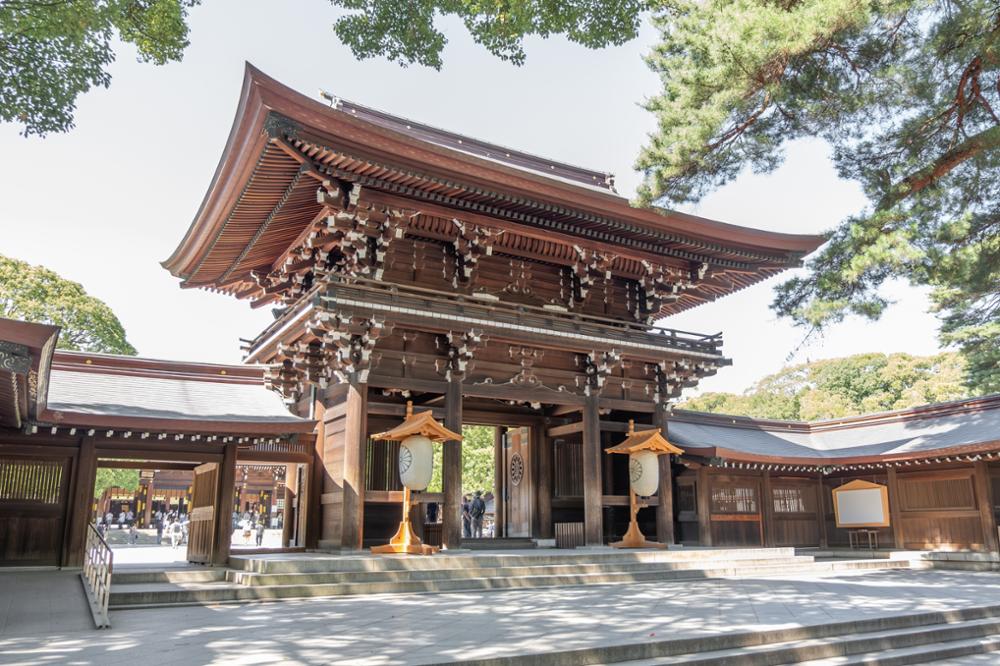
If you pass through the Harajuku district, don't miss the Meiji-Jingu Shinto shrine. Nestled in Yoyogi Park, it offers a peaceful walk in the heart of Tokyo. Built in 1920, this superb building is renowned for its 12-meter-high torii (the highest in Japan) and its 70 hectares of trees and forest. You can leave a wish on a wooden plaque and photograph traditional Shinto weddings.
Practical Information Address : 1-1 Yoyogikamizonocho, Shibuya, Tokyo 151-8557 How to get there : by metro (stations Meiji-jingumae, Chiyoda or Fukutoshin), by train (JR Yamanote line, Harajuku station) Opening hours : daily from 06:20 to 16:50 Price : free |
Atago-Jinja: the Shinto shrine with 86 steps
In the Minato ward, you will find the Atago-Jinja shrine. Standing at 26 meters altitude, it is recognizable by its 86 stone steps, which provide access to the pavilions (hidden by lush greenery at the top of the hill)...
As you climb, on the long path, be sure to stay on the sides of the staircase, as the center is reserved for the divinities! Located in a business district, the shrine welcomes many worshippers, who come to pray for their professional success – but also many koi carp, in its pond.
Practical Information Address : 1-5-3Atago, Minato-ku, 105-0002 Tokyo How to get there : by train (Onarimon stations (Toei Mita I06 line). By metro (Ginza G07 or Hibiya H05 line) Opening hours : daily from 10:00 to 15:00 Price : free |
Tomioka Hachiman-gū: the largest shrine in Tokyo
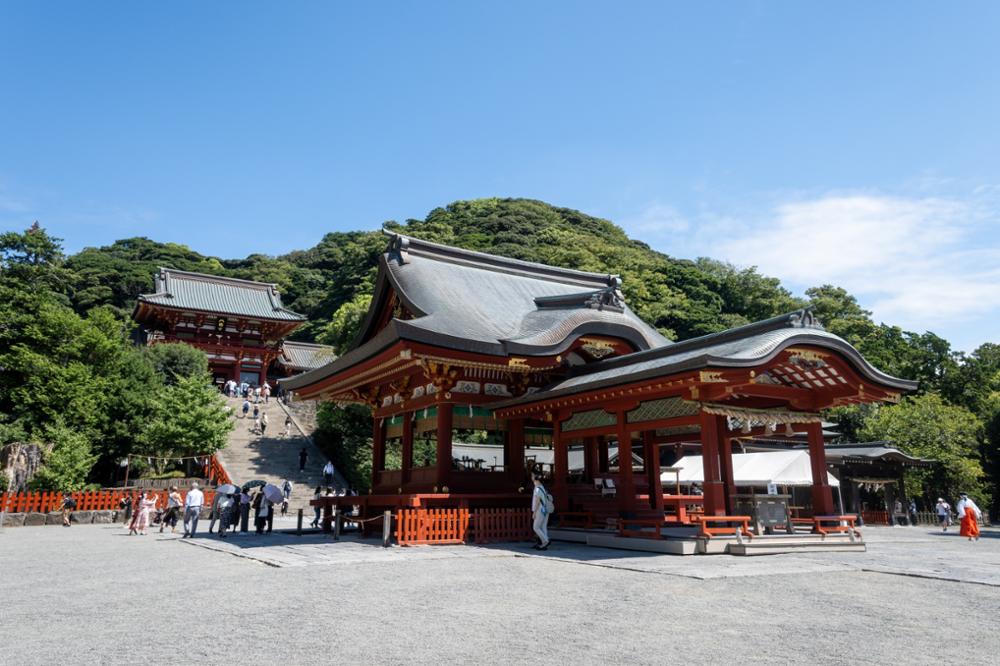
Composed of several shrines, the Tomioka Hachiman-gū complex is a majestic religious site – dedicated to Hachiman, the god of war. Featuring traditional architecture (torii, honden, etc.), it also houses some curiosities...
Among them? The monument dedicated to sumo wrestling where each Yokozuna Rikishi-hi (which designates the highest rank in the discipline) has their name engraved on the building, as well as the Shiryokan Museum, where you can admire engravings, among other things.
Practical Information Address : 1 Chome-20-3 Tomioka, Koto, Tokyo 135-0047, Japon How to get there : by metro (Tozai (T) or Oedo (E) line to Monzen-Nakacho station (T12 or E15) Opening hours : daily from 9:00 to 17:00 (hours vary depending on prayer ceremonies) Shiryokan Museum: from 9:30 to 11:30 and from 13:30 to 16:00 (reservation required) Price : shrine free, Shiryokan Museum paid (approximately €2/adult and €1/child) |
Kanda Myojin: one of the best temples in Tokyo
Built in the Akihabara area in the 6th century, the Kanda Myojin shrine is an old temple that nevertheless boasts beautiful traditional architecture (in contrast with the buildings and modern constructions). The building is also the starting point of the Kanda Matsuri (one of the three largest Shinto festivals in Japan).
Highly appreciated by the local population, it welcomes many worshippers – and allows you to encounter cosplayers, attracted by the manga and video game shops in the district, renowned for its pop culture.
Practical Information Address : 2 Chome-16-2 Sotokanda, Chiyoda, Tokyo 101-0021, Japon How to get there : by train (JR Chuo-Sobu line, Ochanomizu station or JR Yamanote line, Akihabara station). By metro (Marunouchi line, station M20 Ochanomizu, Chiyoda line, Shin-Ochanomizu station, Ginza line, station G14) Opening hours : daily Price : free |
Tosho-gu: THE Temple of Tokyo to Visit
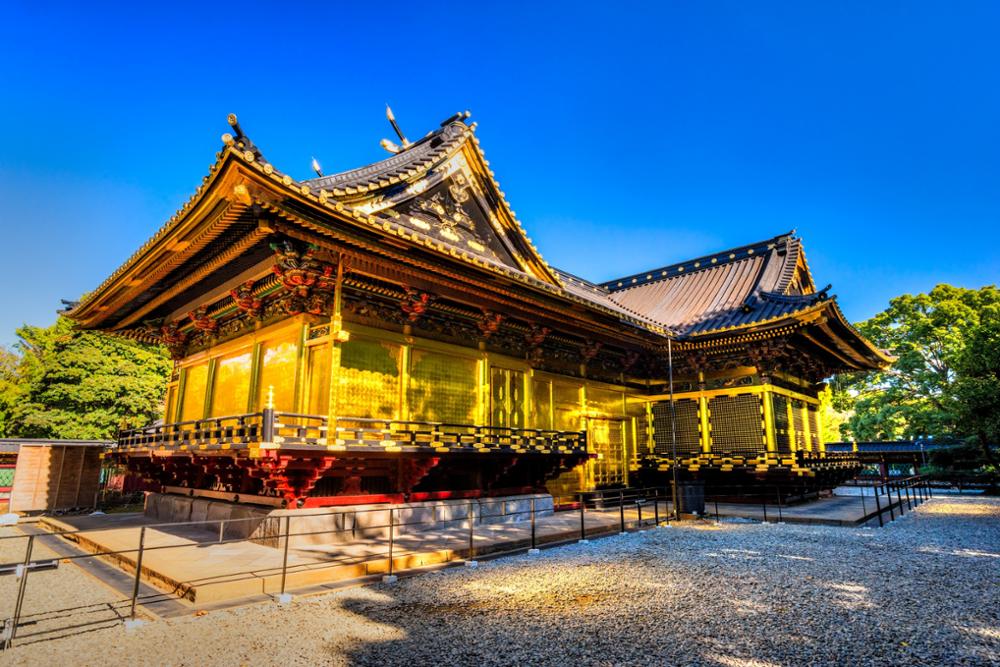
During a walk in the Nikko national park, discover the Tōshō-gū shrine. Its particularity? This religious complex is both Shinto and Buddhist! Designated as a Cultural Property of Japan, the building (built in 1627) displays magnificent architecture, despite the earthquakes and wars that have crossed the country many times...
Renowned for the richness of its ornaments, the shrine is also famous for its cherry blossoms – highly prized in spring, during hanami (the traditional festival dedicated to the blooming of sakuras).
Practical Information Address : 88 Uenokoen, Taito City, 110-0007 Tokyo How to get there : from JR or Tobu Nikko stations (+ 20 min walk). By bus from Nikko (Shinkyo or Nishi-Sando stop) Opening hours : daily from 8:00 to 17:00 (April to October), 8:00 to 16:00 (November to March) Price : approximately €8 To know : under renovation until March 2024 (some parts of this national treasure may not be accessible). |
FAQ
Where are Shinto temples located?
Shinto temples (or jinja) are spread throughout Japan, with nearly 85,000 monuments, distributed in urban, rural, and mountainous areas (with a concentration in the cities of Tokyo and Kyoto, with 1,400 temples for one and 400 for the other).
What is the most beautiful temple in Japan?
The Kiyomizu-dera temple ranks among the most beautiful temples in Japan. Located in Kyoto, in the Higashiyama district, it houses both a Shinto shrine and a Buddhist temple. Renowned for its 13-meter-high terrace, this monument is UNESCO-listed.
Frequently asked questions
A Shinto shrine (jinja) is recognizable by its torii (red gate) at the entrance, its purification basin (chōzuya), and its offerings to the kamis. A Buddhist temple is distinguished by the presence of Buddha statues, incense, and pagodas. Some sites, like Tosho-gu, combine both traditions.
At the entrance, purify your hands and mouth at the ablution basin (chōzuya). Approach the main shrine, toss a coin in the offering box, ring the bell to ward off evil spirits, then bow twice, clap twice in your hands, and bow once more. Stay on the sides of the pathways, the center being reserved for the divinities.
The vast majority of Shinto shrines in Tokyo are accessible for free, notably Meiji-Jingu, Nezu-Jinja, Atago-Jinja, and Kanda Myojin. Only Tosho-gu is paid (approximately €8). The Shiryokan Museum of the Tomioka Hachiman-gū complex is also paid (approximately €2/adult).
To optimize your day, you can combine Meiji-Jingu (Harajuku district) in the morning, then Kanda Myojin (Akihabara) in late morning. In the afternoon, head to Nezu-Jinja in the Yanesen district. These three shrines cover varied architectural styles and very different neighborhoods of Tokyo.
Spring (March-May) is ideal for enjoying cherry blossoms (hanami), particularly around Tosho-gu, and azaleas at Nezu-Jinja during the Matsuri festival (April-May). New Year's Shinto (Hatsumode, January 1-3) is also a significant time, but shrines are very crowded. Autumn offers beautiful colors without the summer crowds.