The Japanese Language
Nihongo ga wakarimasuka? While not quite as intricate and complex as Chinese, the Japanese language presents a wealth of nuances and peculiarities that make it as challenging for Western learners to approach as it is delicate for native Japanese speakers to truly master.
Nihongo ga wakarimasuka? While not quite as intricate and complex as Chinese, the Japanese language presents a wealth of nuances and peculiarities that make it as challenging for Western learners to approach as it is delicate for native Japanese speakers to truly master…
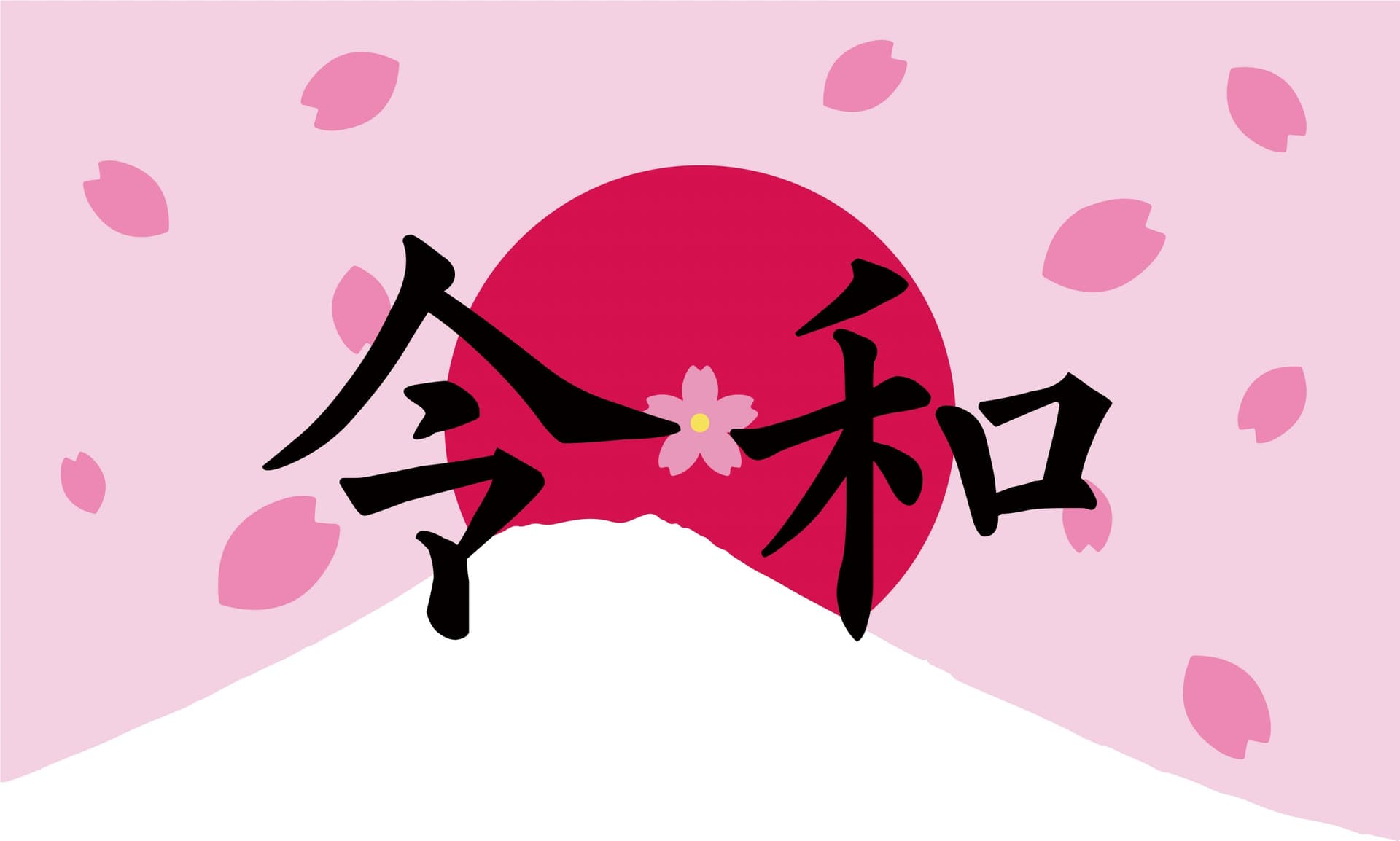
Often considered a distinct idiom with possible links to the Ural-Altaic language family and a vocabulary heavily influenced by Korean, Ainu, and especially Chinese borrowings, Japanese is arguably easier to understand and speak—words consist purely of syllables with no tonal stress—than to read and write. The language already incorporates several writing systems, the oldest stemming from the archipelago's adoption of Chinese calligraphy conventions and, crucially from the 5th century onward, the introduction of Chinese ideograms—kanji characters—which fundamentally shaped the language's development. These characters were used to represent either a sound in Japanese or, like Chinese, a word or concept, pronounced according to its original Japanese equivalent. Consequently, kanji possess two readings: the Chinese-influenced on-yomi and the native Japanese kun-yomi, often with multiple pronunciations depending on context.
Despite simplifications made to the character drawings over the centuries, it takes Japanese students approximately fifteen years to master the list established by the Ministry of Education: the 1,945 jôyô kanji—the common characters necessary for reading a newspaper. While the meaning of characters is often intuitive, kanji working through radicals by way of imagery and conceptual associations, it is not uncommon—even for native speakers—to stumble over their exact pronunciation. To aid reading, phonetic guides or furigana are often appended to the characters.
Beyond kanji, the Japanese sentence also has at its disposal the Latin alphabet, romaji, particularly useful for numerals or brand names, as well as two syllabaries—the kana—developed from Chinese ideograms: hiragana and katakana. Each comprises 46 characters representing Japanese sounds, sometimes with phonetic alterations denoted in writing by small diacritical marks. Hiragana, distinguished by rounded, flowing character forms, are used primarily to notate verb endings and grammatical particles. Katakana, more angular in design, serve to transcribe unusual pronunciations and foreign-origin words that have been integrated into everyday vocabulary.
Once the writing systems are mastered, one must grapple with the purely linguistic peculiarities of Japanese—sometimes advantageous, sometimes problematic—which largely dispenses with notions of person, gender, or number and tends to omit subjects and objects from sentences when they can be inferred from context. You must also account for the multiplicity of language registers, ranging from the most honorific, known as keigo, to the most "colloquial," abbreviated to the extreme, and remember the existence of numerous dialects throughout the archipelago, each with its own accent and expressions, such as those of Kyoto or Osaka. Yes, sometimes Japanese feels like a true puzzle… a Chinese one. Gambatte kudasai! (Courage!)