Izu
Izu
Hot springs, crystalline beaches and volcanic cliffs just 45 minutes by Shinkansen from Tokyo: complete guide to the Izu Peninsula.
The Izu Peninsula stretches across 3,000 km² south of Tokyo, in Shizuoka Prefecture, along the southern coast of Honshu. Hot springs, sandy beaches, volcanic cliffs and historic villages unfold across a territory that Tokyo residents reach in less than an hour by Shinkansen.
Why visit Izu?
- A rare concentration of hot springs in thermal resorts accessible from Tokyo
- Some of Japan's clearest beaches along the Pacific coast
- Historic heritage linked to Japan's opening in 1854
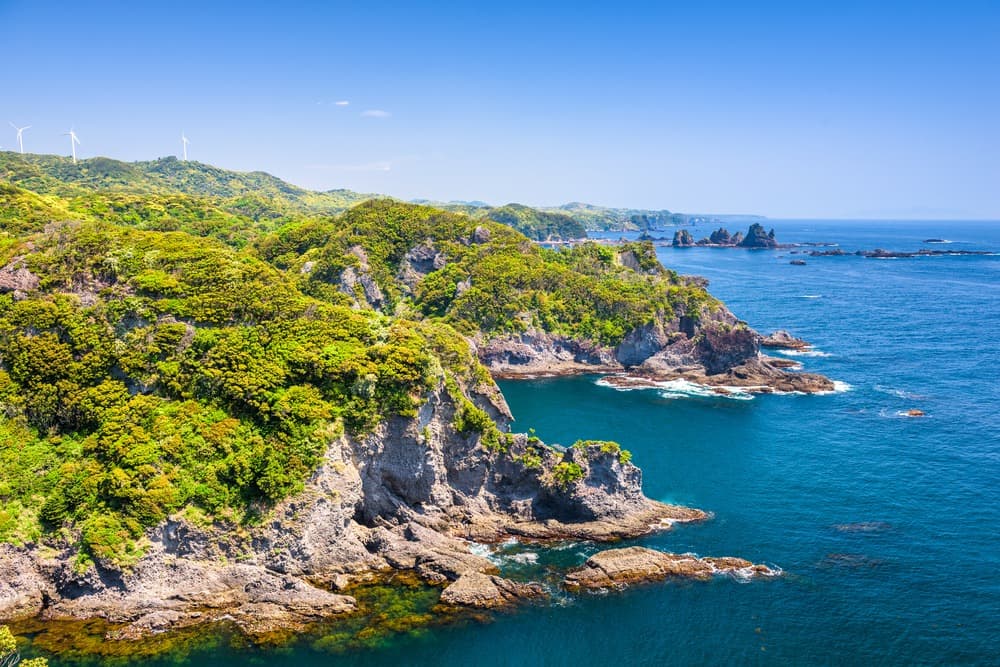
- Varied volcanic landscapes: Mount Omuro's crater, Dogashima cliffs, Kawazu waterfalls
- Unique wildlife, notably the capybaras at Shaboten Zoo who bathe in hot springs during winter
A brief history
Izu long served as a place of exile for Japanese political and religious figures. At the end of the 12th century, Minamoto no Yoritomo, the future founder of the Kamakura shogunate, was relegated here before building the military power that would dominate Japan for centuries. The peninsula later became a strategic territory, crossed by the commercial routes of the Edo period.
The most significant event occurred at Shimoda in 1854: Commodore Matthew Perry's "Black Ships" anchored there and forced Japan to end more than two centuries of isolation. The port opened the way to the first diplomatic relations with the United States and remains today a symbol of this historic turning point.
What to see and do on the peninsula
North: Atami and Ito
Atami is the gateway to the peninsula, 45 minutes by Shinkansen from Tokyo. A long-established thermal resort, it reached its peak during decades of strong economic growth, when companies organized their seminars there. Sun Beach, which stretches for 400 meters in the heart of the city, remains its busiest beach. The Museum of Art (MOA) houses a collection of paintings, sculptures and Chinese and Japanese porcelain.
Further south, Ito retains a traditional atmosphere around the river lined with ryokan. The Tokaikan, a former wooden ryokan transformed into a museum, illustrates pre-war thermal architecture. From Ito, you can access several major sites: the Jogasaki coast and its 10 km trail dotted with a suspension bridge and lighthouse; Mount Omuro, an extinct volcano with a perfectly circular crater; the Izu Shaboten Zoo, known for its capybaras lounging in a hot spring bath during winter; the Izu Kogen stained glass museum and the cat museum.
East: waterfalls and wild coastline
The east coast becomes steeper as you head south. Izu-Atagawa Station serves Atagawa Yuyu, the main beach of the area. Inland, the town of Kawazu concentrates two main attractions: its seven waterfalls, ranging from 2 to 30 meters high and connected by a maintained trail, and its Kawazu-zakura cherry trees, which bloom from mid-February, over a month before Tokyo's cherry blossoms.
South: Shimoda and Minami Izu beaches
At Shimoda, maritime history is written in the city's urban fabric. The MoBS (Museum of Black Ships) traces Perry's arrival and the negotiations that followed. The Perry Road neighborhood, along the Inouzawa River, lines former houses converted into cafes and restaurants.
The southern beaches rank among the clearest accessible from Tokyo. Shirahama is the most famous and most lively in summer. Nabetahama, more secluded, nestles between cliffs. Hirizo Beach is renowned for snorkeling, accessible only by shuttle boat during season. Ounohama Beach seduces with its rock formations. At the peninsula's southernmost point, Cape Irozaki offers panoramic views of the peninsula's tip.
West: Dogashima and the cliffs
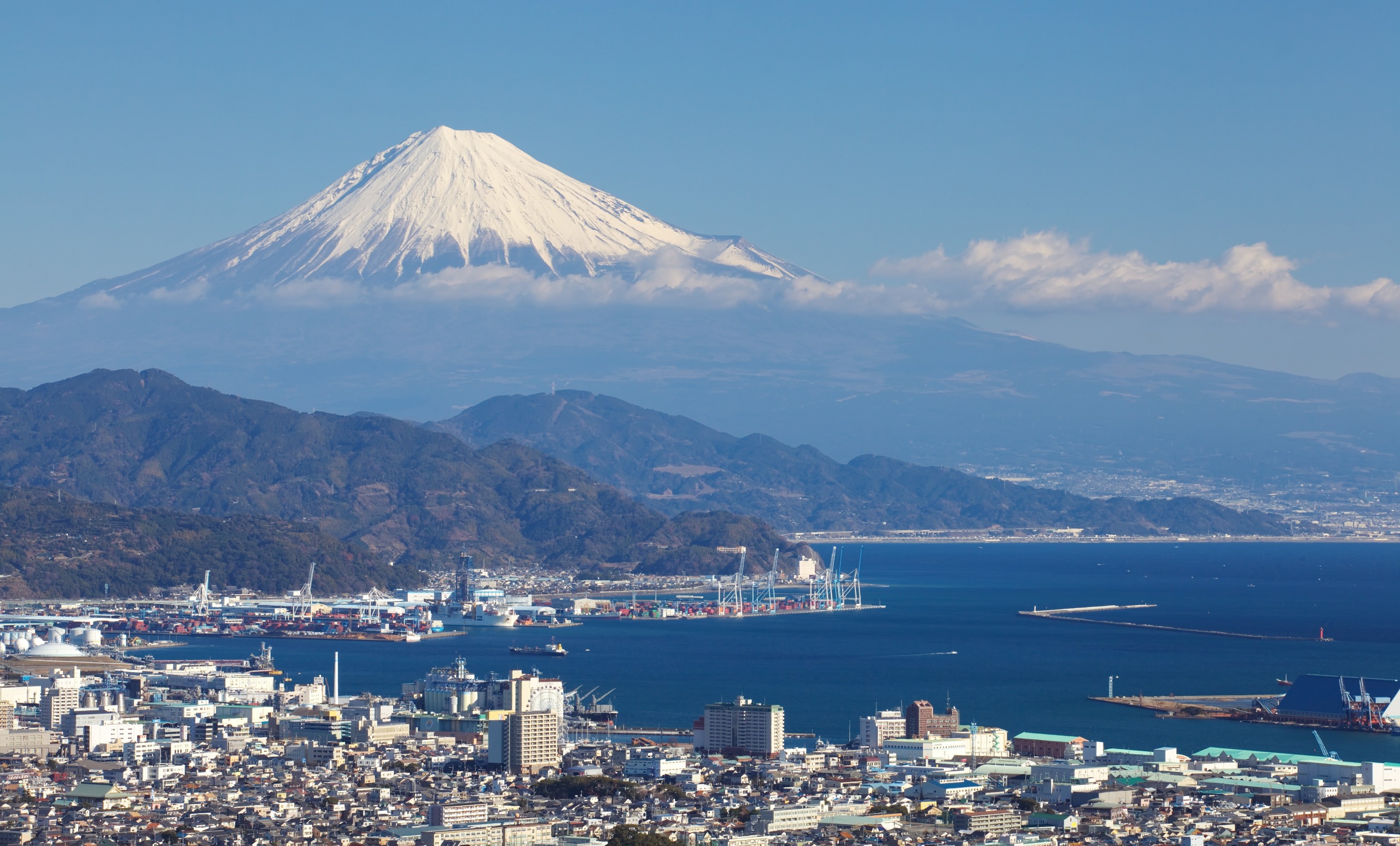
The west coast, less served by train, retains a pristine character. Dogashima is famous for its cliffs sculpted by erosion and its sea cave, visited during a boat excursion lasting about twenty minutes. Inland, the West Izu Skyline offers several mountain trails with views over Suruga Bay and, on clear days, of Mount Fuji.
When to visit
- Mid-February to early March: early bloom of Kawazu-zakura cherry trees
- April-May: hiking on Jogasaki and West Izu Skyline, mild temperatures
- July-August: swimming and snorkeling, Shirahama and Hirizo beaches
- October-November: autumn colors around Kawazu waterfalls
- December to February: hot spring season, Shaboten Zoo capybaras in their bath
Practical information
- Allow 2 to 4 days to explore the peninsula at a leisurely pace
- The main thermal resorts operate year-round
- A car makes accessing the west coast and isolated beaches easier
- The Izu Free Pass, valid for 2 to 3 days, covers trains and buses on the peninsula
How to get there
From Tokyo, the Tokaido Shinkansen reaches Atami in approximately 45 minutes. The JR Ito Line then extends the line to Shimoda in about 2.5 hours total travel time. For the west coast, the train stops at Mishima or Shuzenji, then buses or a car take over. Car rental remains the most flexible option for combining all four sides of the peninsula.
Combine it with
Izu lends itself to several extensions from Tokyo. Hakone, nearby to the north, offers another concentration of hot springs with views of Mount Fuji. The Fuji Five Lakes region is accessible within a few hours. For those continuing their Japanese itinerary, stops like the Himeji Castle or the sacred mountains of Dewa Sanzan complete a nature and heritage circuit.
Frequently asked questions
Frequently asked questions
Two days are enough to discover Atami, Ito and a natural site like Jogasaki or Mount Omuro. Plan 4 days to include Shimoda, the southern beaches and the west coast at Dogashima.
Kawazu-zakura typically bloom between mid-February and early March, considerably earlier than the classic cherry blossoms of Tokyo or Kyoto. A festival accompanies the bloom.
Yes, the east coast is well served by the JR Ito Line to Shimoda, supplemented by local buses. The west coast, however, benefits from car travel to access Dogashima and the West Izu Skyline.
At Shaboten Zoo near Ito. The capybara bath is offered during the cold season, typically from November to early April.
Atami and Ito lend themselves to day trips thanks to the Shinkansen. For Shimoda and the west coast, staying overnight is recommended.
To include the Izu Peninsula in a complete itinerary, consult our trips to Japan.
Interested in this visit?
We can include it in your personalised itinerary.