Shizuoka
Shizuoka
Between a shogunal castle, tea plantations facing Mount Fuji, UNESCO-listed beaches and Izu hot springs, Shizuoka concentrates an authentic Japon just 1 hour from Tokyo.
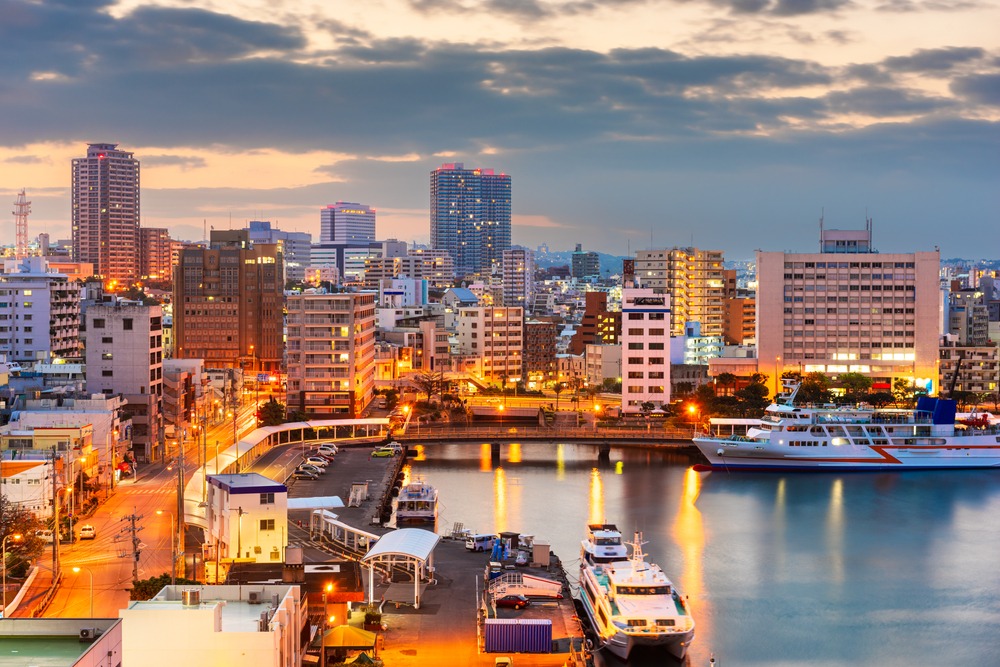
Shizuoka is a city situated in the Suruga Bay, on the eastern coast of Japon's main island, Honshu. It is the capital of the prefecture of the same name. Its reputation rests notably on its historical connection with the great shogun Tokugawa Ieyasu. With its magnificent parks, shrines, tea fields, beaches and seafood, Shizuoka is also a much-favored weekend getaway destination for Tokyo residents.
A Glimpse of History
Shizuoka was formerly known as Sunpu, a name it bore for nearly 1190 years, from 680 to 1869. It was a prosperous city, particularly during the Sengoku period and the Edo era.
Imagawa controlled Sunpu during the Warring States period. Tokugawa Ieyasu, the future unifier of Japon, grew up in the city between the ages of 8 and 19.
In 1607, Ieyasu seized political power and became "Ogosho" (shadow shogun), which allowed him to undertake national institutional strengthening from the Sunpu Castle. He established diplomatic activities with foreign nations, notably with Europe, driving the city's growth into a metropolis of 120,000 inhabitants.
At that time, Sunpu was developed enough to rival the capital Edo (Tokyo). It was during the Meiji era that it was renamed Shizuoka, which translates to "quiet hill".
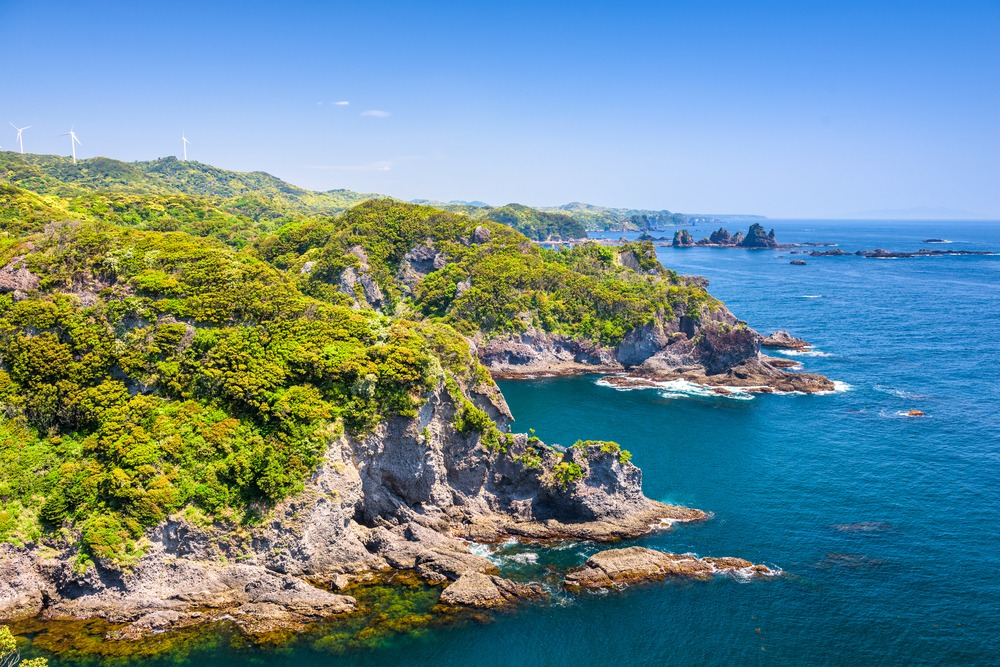
Shizuoka is today a charming provincial city. While it is primarily known for its historical ties to Tokugawa Ieyasu and its tea fields overlooking Mount Fuji, it is also a seaside paradise with several hot springs and a stunning coastline.
What to Do in Shizuoka?
1. Explore Sunpu Castle Park
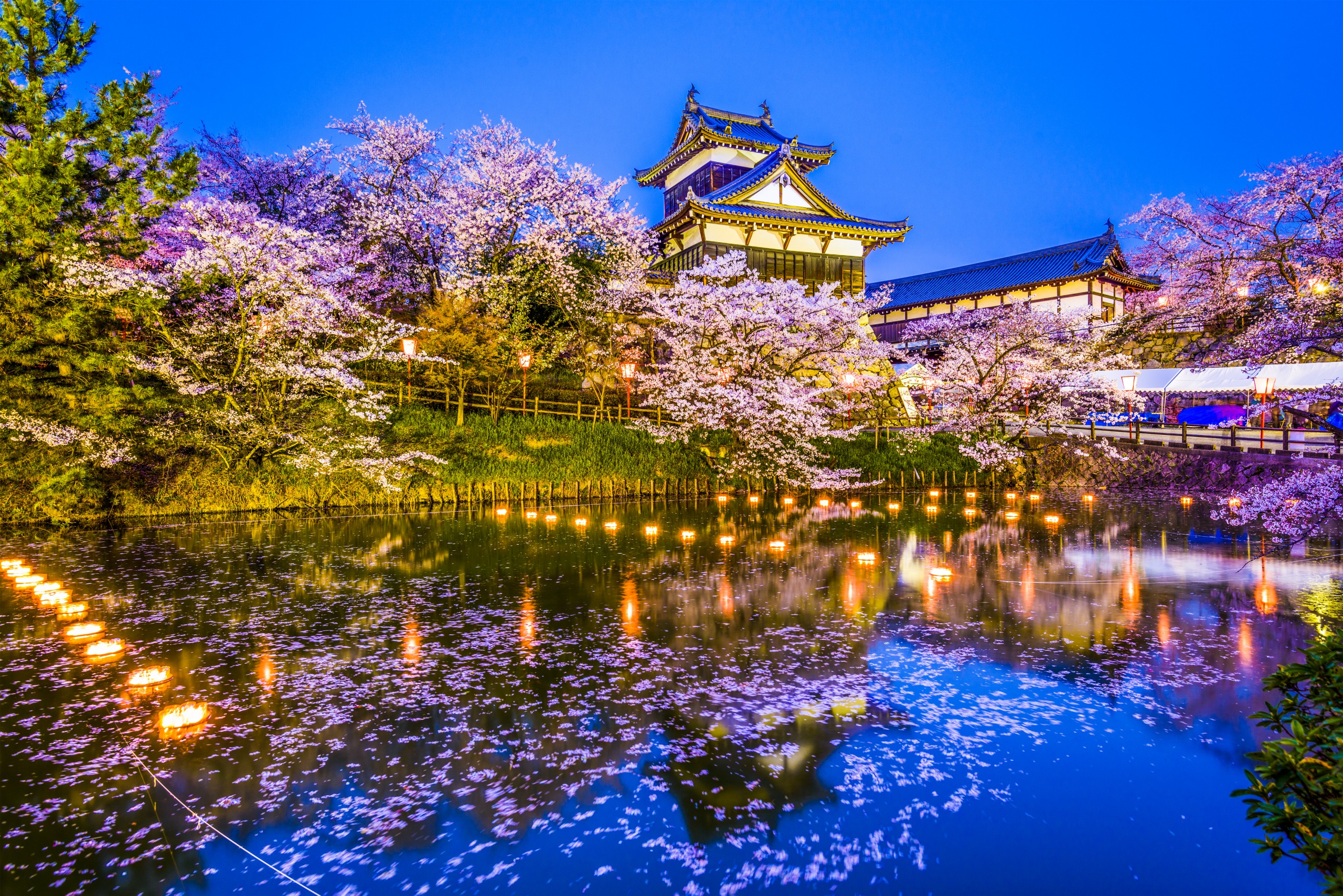
It was at Sunpu Castle in Shizuoka that the eminent Tokugawa Ieyasu spent part of his childhood and his final days. The monument was nicknamed "the floating castle" due to its numerous moats. The fortified entrance, the Tatsumi-yagura Tower and the Higashigo-mon Bridge are among the elements still visible. In the Tatsumi-yagura Tower, formerly used as a watchtower, you will see an exhibition of archaeological artifacts related to the fortress.
The Sunpu Castle Park offers a pleasant stroll. Visit the small Momijiyama Garden, where you'll find a miniature version of Mount Fuji, a carp pond and a lovely waterfall. Don't miss taking a photo with the statue of shogun Tokugawa Ieyasu. Then head to the tea salon to enjoy a cup of sencha with some pastries.
2. Visit Kunōzan Tōshō-gū Shrine
The Kunōzan Tōshō-gū Shrine was the burial site of Tokugawa before he was transferred to Nikko. Its buildings, adorned with intricate sculptures and vibrant paintings, testify to the artistic craftsmanship of the Edo period.
The complex houses a museum presenting precious artifacts related to the life of Tokugawa Ieyasu, including exceptional suits of armor and swords. In visiting it, you will gain a fascinating glimpse into 17th-century Japon's history and culture.
3. Marvel at the Tea Plantations
The Shizuoka prefecture is known worldwide for its tea production. Spectacular panoramas over its vast verdant fields await you during your journey through the region.
You can immerse yourself in the world of tea by walking the paths that wind between rows of tea plants. Several estates offer guided tours designed to showcase cultivation and harvesting techniques. Some even allow you to participate in leaf picking.
If you are a tea enthusiast, you will surely appreciate the tastings organized on site. They reveal the full aromatic palette of Shizuoka's teas.
4. Discover Toro Archaeological Park
Toro Archaeological Park allows you to take a leap into ancient Japon. This exceptional site, dating from the Yayoi period (300 B.C. – 300 A.D.), reveals the remains of an agricultural village 2,000 years old.
Visitors can explore faithful reconstructions of dwellings and grain storehouses on stilts, as well as ancient rice fields. The park's museum displays a rich collection of 775 artifacts discovered during excavations, illustrating daily life and agricultural techniques of the era.
A walk through this park gives visitors the opportunity to grasp the evolution of Japon's society and the importance of rice cultivation in its development. The unique architecture of the reconstructed buildings attests to the ingenuity of its former inhabitants and fascinates both young and old.
5. See Exhibitions at Shizuoka Museum of Art
The Shizuoka Museum of Art, nestled in Aoi Tower, offers an eclectic program. Art lovers will appreciate the diversity of its exhibitions, ranging from traditional Japon art to contemporary international works. Its top floor, home to a panoramic terrace, offers breathtaking views over the city.
6. Spend a Few Hours at Miho Beach
Miho Beach, listed as UNESCO World Heritage, seduces with its beauty. Its crystal-clear waters invite swimming and snorkeling, while its waves attract surfers.
Photography enthusiasts will be captivated by the golden light of the sunset on the coast. Enjoy a stroll along the shore to admire the Hagoromo Pine, 650 years old, a legendary symbol of the site. The nearby Mihoshirube Cultural Center houses exhibitions on the history and ecology of this emblematic coast.
7. Wander Around the Station District
The area surrounding Shizuoka Station pulses with vibrant energy. Trendy shops and welcoming cafés line the Sengen Dori shopping street, located a fifteen-minute walk to the northwest. The harmonious blend of modern and traditional buildings in this part of the city will surely delight architecture enthusiasts.
8. Delight in Views of the Region from Nihondaira
The Nihondaira plateau is home to an ultra-modern observation tower, the Yume Terrace, which offers a 360-degree immersive experience. Thanks to its large windows and circular terrace, this site will allow you to admire a breathtaking panorama of the region.
For a unique perspective, take the ropeway connecting the plateau to the Kunozan Toshogu Shrine. This 5-minute aerial ride will have you soaring over the verdant valley.
9. Make a Detour to Shimizu
A former port city that merged with Shizuoka in 2003, Shimizu deserves a visit for its unique maritime atmosphere. The harbor, once crucial for tea exports, remains a dynamic economic center.
Don't miss S-Pulse Dream Plaza, a shopping complex that houses the Shimizu Sushi Museum, a paradise for food enthusiasts.
For an unforgettable experience, board a ferry connecting Shimizu to Nishi-Izu Toi. This 70-minute journey promises stunning views over Suruga Bay and, on clear days, the majestic Mount Fuji.
Before you leave, savor the local delicacies at the fish market, renowned for its sweet-tasting sakura shrimp.
10. Marvel at the Shiraito and Otome Waterfalls
As refreshing as sencha tea, waterfalls abound in this region. The most coveted are the Shiraito Falls, on Mount Fuji and measuring over 100 meters wide, and the Otome Falls, which stand at a height of 26 meters.
11. Relax in an Onsen
The hot springs of Shuzenji, halfway between the Pacific Ocean and Mount Fuji, attract visitors with their mineral-rich waters. Some establishments feature open-air baths with views of the surrounding tea plantations. For a more intimate atmosphere, opt for a traditional ryokan with a private onsen.
When to Visit Shizuoka?
The best time to visit Shizuoka is in spring (March–April) for cherry blossoms and clear views of Mount Fuji, or in autumn (October–November) for the colors of the leaves and local festivals.
Shizuoka, situated on the Tokaido route, is easily accessible. You can visit by bus or train from Tokyo and other major Japon cities. With the Shinkansen Nozomi, the journey to Shizuoka from the capital takes just one hour.
Shizutetsu buses cover most of the city.
Want to discover this destination?
Our local advisors design your tailor-made trip.