Yamagata
Yamagata
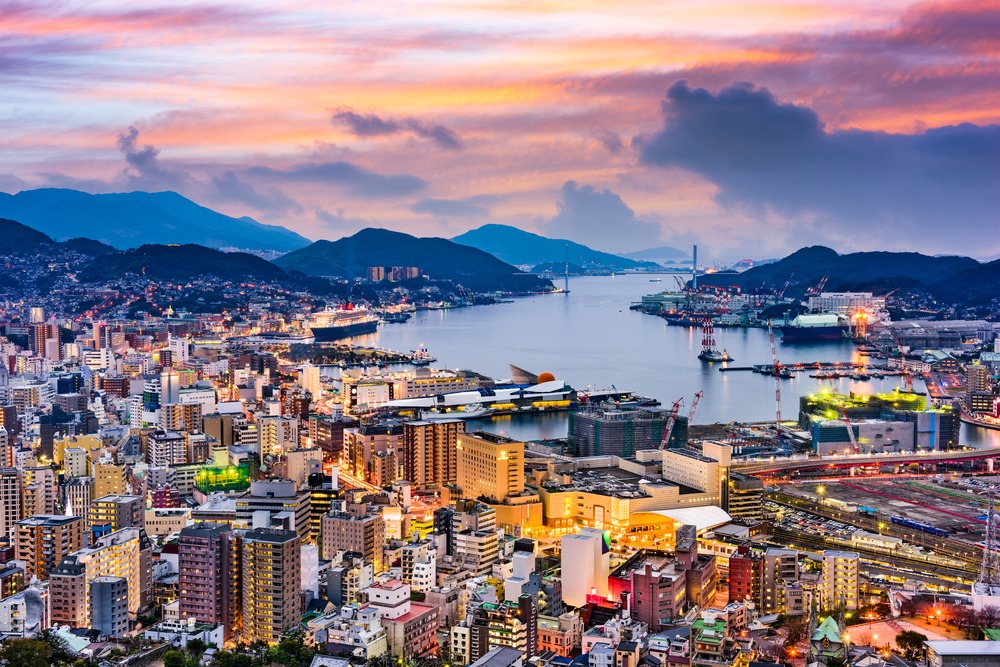
Nestled in a Tohoku valley, Yamagata cultivates a rare way of life in Japan: snow monsters on Mount Zao, Yamadera temple and cherry blossoms in abundance.
Head to Yamagata in winter to enjoy skiing on Mount Zao and encounter the snow monsters! The rest of the year, parks, museums and Buddhist temples compete for visitors' attention. Designated as part of the UNESCO Creative Cities Network, Yamagata is also the birthplace of Asia's first international documentary festival—an absolute must-see if you're a film enthusiast.
History
The first documented peoples of Yamagata were the Ainu and Emishi, before the territory was annexed to Dewa Province in 720. During the Sengoku period and early Edo era, the Mogami clan controlled the city. The Yamagata Castle was built in 1592 on the initiative of Mogami Yoshiaki. Matsuo Basho, master of haiku, recounts his travels through these remote Japanese lands in his book "Oku no Hoshomichi" (The Narrow Path to the Deep North).
Exploring Yamagata
Yamagata, as the capital of Yamagata Prefecture, offers a wide range of activities and amenities to satisfy its visitors. Yet it preserves in its streets a relaxed countryside culture, where urban agriculture has taken root among apartment buildings. Cherry trees abound, filling the gaps throughout the city. Around the city, mountain ranges frame the landscape, with Mount Zao and snow-capped Gassan standing as noble sentinels.
Yamagata and Its Historical Intrigue
From the Bunshokan, dating from the Taisho era, to the artisanal district of Hirashimizu, Yamagata has much to captivate history and tradition enthusiasts. Yamagata Castle has been partially restored, while archaeological studies continue across the site. The Ninomaru (East Gate), stone walls and moats are the only original elements still visible. However, the reconstructed sections faithfully represent the monument's former appearance. Listed among Japan's "100 Remarkable Castles", the structure overlooks a vast park dotted with a thousand cherry trees: Kajo Koen.
Near the park, visit the Kyodokan, Yamagata's essential museum, housed in a hospital building from 1876. Then head to the Yamagata Prefectural Museum, renowned for the famous statue of the goddess Jomon no Megami, a clay piece dating back 4,500 years. The Museum of Education is also worth a visit as a structure designated an "Important Cultural Property." It occupies the building of the former Yamagata Public School, founded in 1901.
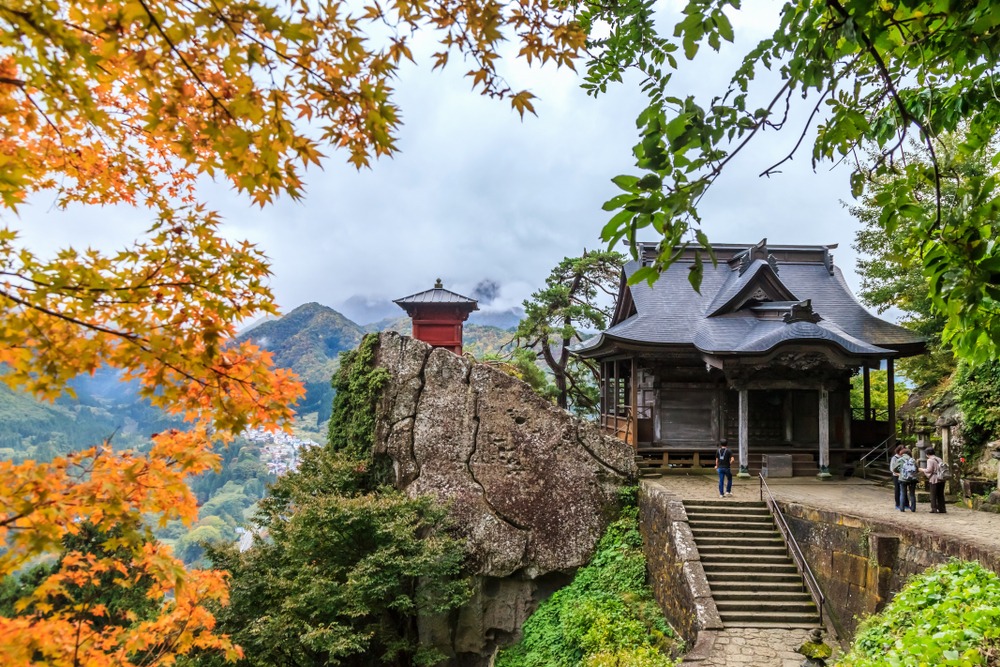
Venturing slightly northeast of the city, you'll find the temple Yamadera (Risshaku-ji), founded in 860 on Mount Hoju-san by the Tendai school of Buddhism. Don't miss the Nokyodo, the solitary pavilion housing Buddhist scriptures, nor the Yamadera Basho Commemorative Museum where you can appreciate the poetry and scrolls of the haiku master.
Mount Zao, Paradise for Adventure Seekers
Mount Zao is a popular excursion from Yamagata, both for summer hiking and especially for winter activities at the Zao Onsen ski resort. The namesake hot spring is open year-round.
In winter, heavy snowfall and Siberian winds sweeping across the heights transform the alpine trees into strange ice creatures: the snow monsters of Mount Zao. A chairlift and cable car serve this part of the mountain, which you can traverse while skiing.
Events in Yamagata
In 1989, Yamagata launched the YIDFF (Yamagata International Documentary Film Festival). It's one of the world's oldest events of its kind. The festival takes place every two years in October, attracting award-winning filmmakers from around the globe.
Beyond the biennial YIDFF and the Zao Snow Monster Festival running December to February, other equally thrilling events punctuate life in Yamagata throughout the year. In late May or early June, the Yamagata Cherry Blossom Festival delights nature and gastronomy lovers. In August, the Yamagata Hanagasa Festival showcases traditional Tohoku music and dance. In September, the city hosts Japan's largest Imoni-kai festival. For this occasion, a gigantic cauldron is set up to cook imoni (a traditional stew made with meat and taro)—over 30,000 guests will be served.
When to Visit Yamagata?
While summers in northern Japan tend to be mild, Yamagata, situated in a valley surrounded by mountains, experiences a hot and humid summer season. Autumn arrives in late October—the peak tourist season. Winter brings snowfall from mid-December onward and marks the ski season on Mount Zao. To see Zao's snow monsters at their finest, visit in February.
By Air
Yamagata Airport operates domestic flights connecting with Tokyo's Haneda International Airport, Osaka's International Airport and Nagoya Airport. Since direct flights to Yamagata can be expensive, it's more economical to fly to Sendai and then travel to Yamagata by train (approximately two hours).
By Train
The Shinkansen connects Yamagata to Tokyo (2h45), Shinjo and Fukushima.
By Bus
The Sakuranbo is an overnight bus service departing from the Shinjuku Station in Tokyo and arriving in Yamagata after approximately 6 hours and 15 minutes on the road. The city is also connected by bus to Tennoji Station in Osaka and Kyoto.
It's easy to find buses, taxis or bicycles for rent in Yamagata. Bus lines serve Yamadera temple and Zao Onsen.
What to Do in Yamagata?
- Stroll through Kajo Koen park
- Admire the Renaissance architecture of the Bunshokan
- Visit the Buddhist complex Yamadera
- Enjoy winter activities at the Zao Onsen ski resort
- Marvel at Mount Zao's snow monsters, and more
Attractions in Yamagata
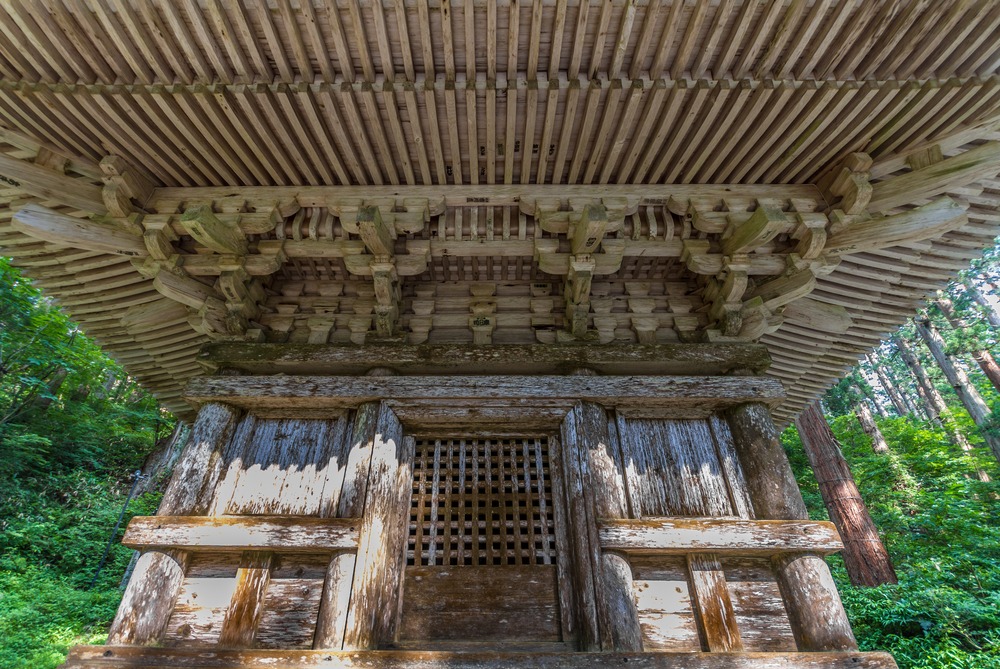
Dewa Sanzan
Trois montagnes sacrées au sud de Tsuruoka : Haguro, Gassan et Yudono, haut lieu du Shugendo, mêlent pagode Trésor national, sanctuaires et randonnées d'altitude.
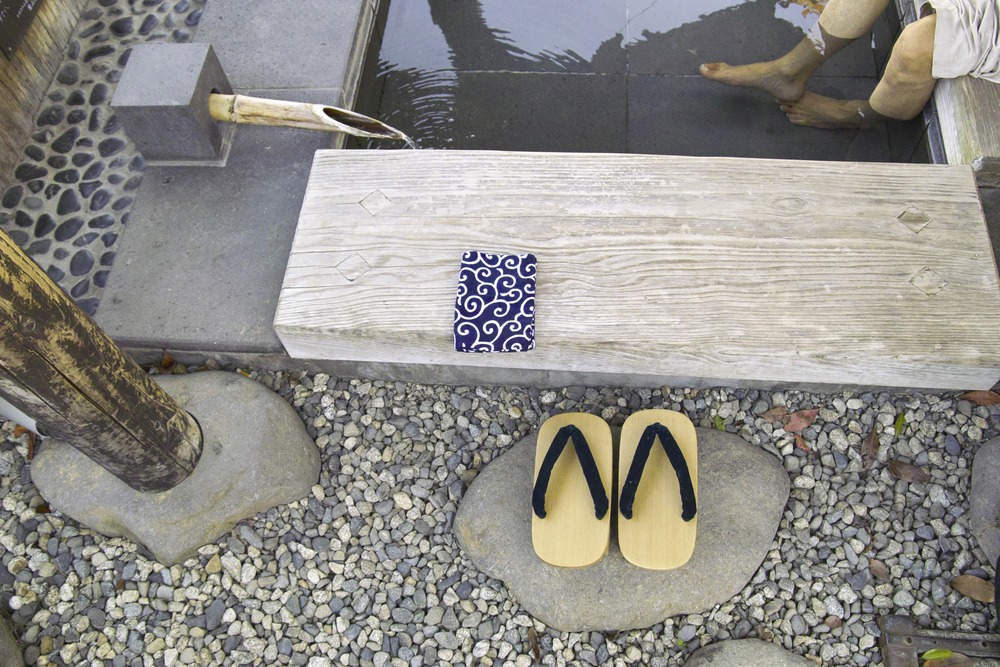
Sources chaudes de Kaminoyama
Au pied du mont Zao dans le Tohoku, Kaminoyama Onsen aligne six bains publics, cinq bains de pieds gratuits, un château et un quartier samouraï préservé.
Yamadera
Temple bouddhiste fondé en 860 sur un flanc de montagne près de Yamagata, Yamadera se mérite par 1 000 marches qui mènent à des pavillons accrochés à la falaise.
Ginzan Onsen, Obanazawa, Yamagata
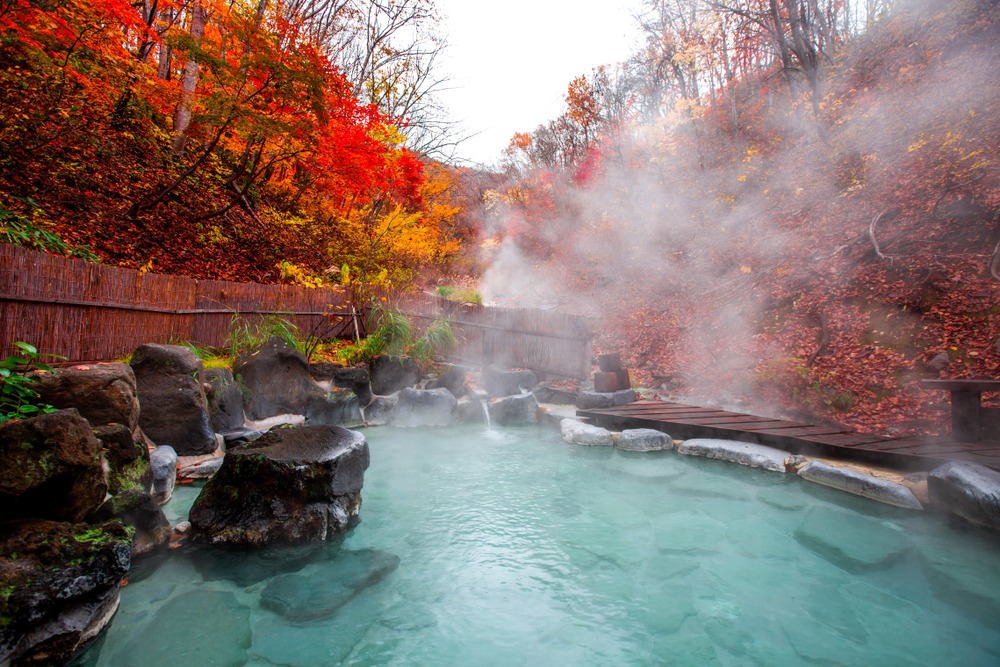
Village thermal de la préfecture de Yamagata, Ginzan Onsen aligne ryokans en bois, façades en kote-e et bains sulfurés au bord de la rivière Mogami.
Want to discover this destination?
Our local advisors design your tailor-made trip.