Tokyo
Tokyo
From Senso-ji to Shibuya Crossing, from Toyosu market to Hama-rikyu gardens: the complete guide to planning your Tokyo adventure.
Tokyo ranks among the world's most captivating cities. This cutting-edge megalopolis stands as a temple to cutting-edge technology. Between the neon signs and soaring towers, traditional neighborhoods and sacred shrines create a striking contrast, utterly characteristic of the land of the rising sun!
History
The imperial court from Kyoto relocated to the fishing village of Edo, which would become Tokyo, in 1603. The castle once standing where the Imperial Palace now sits housed the Shoguns (military commanders of Japan). The lower city, meanwhile, was inhabited by merchants and artisans.
The capital was renamed Tokyo in 1868. From that point onward, it gradually shed its isolation. Western influences spurred the city's modernization, bringing numerous infrastructure developments: industries, telecommunications networks, electricity, railways, and more.
Tokyo experienced two tragic events in the twentieth century: the 1923 earthquake that destroyed three-quarters of the city, and American bombing raids during World War II. Nevertheless, the capital managed to rebuild. Its robust industrial growth enabled it to become a world-class metropolis within just a few years. In 1946, Japanese war criminals from World War II were tried at the Tokyo Tribunal.
Tokyo's architecture underwent dramatic transformation starting in the 1950s. During the 1964 Tokyo Olympic Games, a high-speed rail line was opened, connecting the capital to Osaka. Later, in 1995, the city faced a sarin gas attack claimed by the Aum cult, resulting in 10 deaths in the subway.
Today
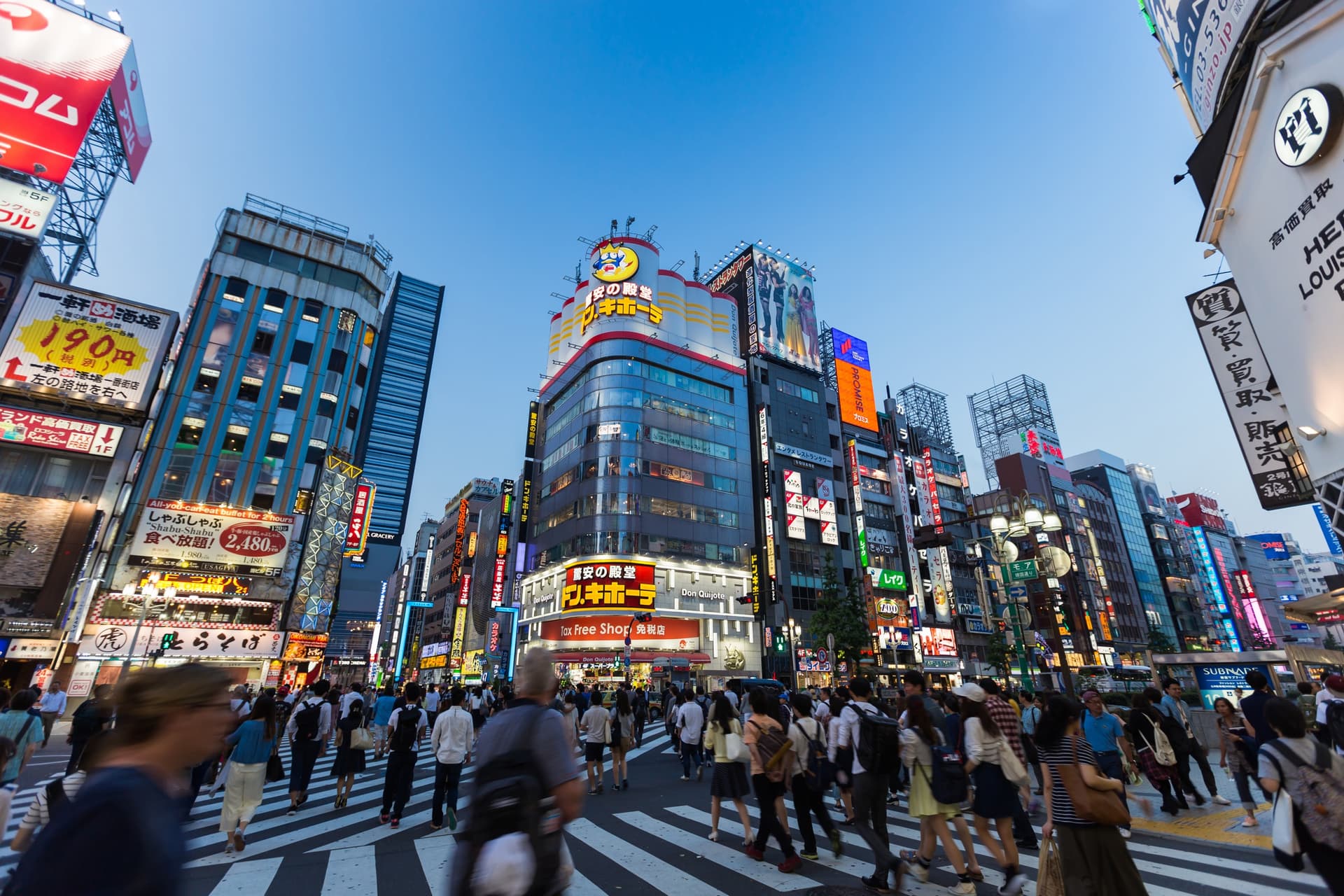
Constantly evolving, Tokyo remains at the heart of Japan's economic and political development. It is also a cultural hub with a meticulously preserved heritage. From Shinjuku to Roppongi, passing through Shibuya and Odaiba, the energy radiating from these districts captures visitors' imaginations from the outset. These neighborhoods are the birthplaces of the latest international trends, as well as artistic zones hosting countless galleries and museums. From the heights of skyscrapers, the nocturnal views of these illuminated districts are breathtaking. Shopping, cultural outings, or gastronomic escapes—the activities are endless for an unforgettable stay.
Tokyo is, above all, a technology paradise. At Akihabara, you can discover an array of cutting-edge gadgets bearing the signatures of global brands such as Sony and Honda. Visit the National Museum of Emerging Science and Innovation to marvel at futuristic machines.
Nature also finds its place within this megalopolis for outdoor enthusiasts. You might, for instance, relax on the artificial beaches of Odaiba, enjoy a boat ride along the Sumida River, camp on the shores of Lake Shinobazu in Ueno Park, hike Mount Takao or the Todoroki Valley, and much more. Verdant parks adorned with colorful flowers in spring offer peaceful retreats. Don't miss the Ogasawara Archipelago, a UNESCO World Heritage site, nor the Izu Islands for numerous water sports and leisure activities.
In the historic Shitamachi quarter, traditional culture takes center stage. You'll find characteristic homes from old Japan. Visit the Kabukiza theatre in Chuo, which preserves Japanese performing arts traditions. For a moment of respite, treat yourself to tea in a pavilion of the Rikugien or Hama-rikyu gardens. You can then head to the Museum of Japanese Folk Crafts or the Japan Traditional Crafts Aoyama Square to discover the finest in traditional artisanal creation: silverware, Ukiyo-e prints, Edo-Kiriko glassware, and more. As for festivals, Tokyo hosts three Shinto events annually: the Sanja Matsuri (May), the Kanda Matsuri (May), and the Sanno Matsuri (June).
Climate
Winters in Tokyo are mild, with light snow and average temperatures around 6°C. Summers, however, are marked by humidity and intense heat. Summer temperatures can soar above 32°C.
Tokyo Bay experiences two rainy seasons: the Tsuyu, lasting from June to July, and the Akisame, extending from September to October. Typhoons or tropical storms may occur between these two periods.
You can reach Tokyo by plane or train.
By Air:
Tokyo has two international airports: Haneda and Narita, located respectively 30 minutes and 1 hour 15 minutes by train from the city center. Both are connected to most major cities worldwide. From Paris, the journey to the Japanese capital takes eleven to thirteen hours.
By Rail:
Tokyo is served by three stations: Tokyo Main Station, Shinagawa Station to the south, and Ueno Station to the north.
The most convenient transportation solution for exploring the megalopolis is the train, though this option isn't budget-friendly. If you plan to stay in Tokyo for several days, get yourself a Suica Card to streamline transactions during your travels. It's automatically debited when you pass it over dedicated readers. Journey costs vary depending on distance traveled. Your Suica Card can be recharged at any Tokyo station. You can also get around by motorcycle or bicycle. Taxis are abundant but not recommended if you truly want to savor the city's charm.
Attractions in Tokyo
See all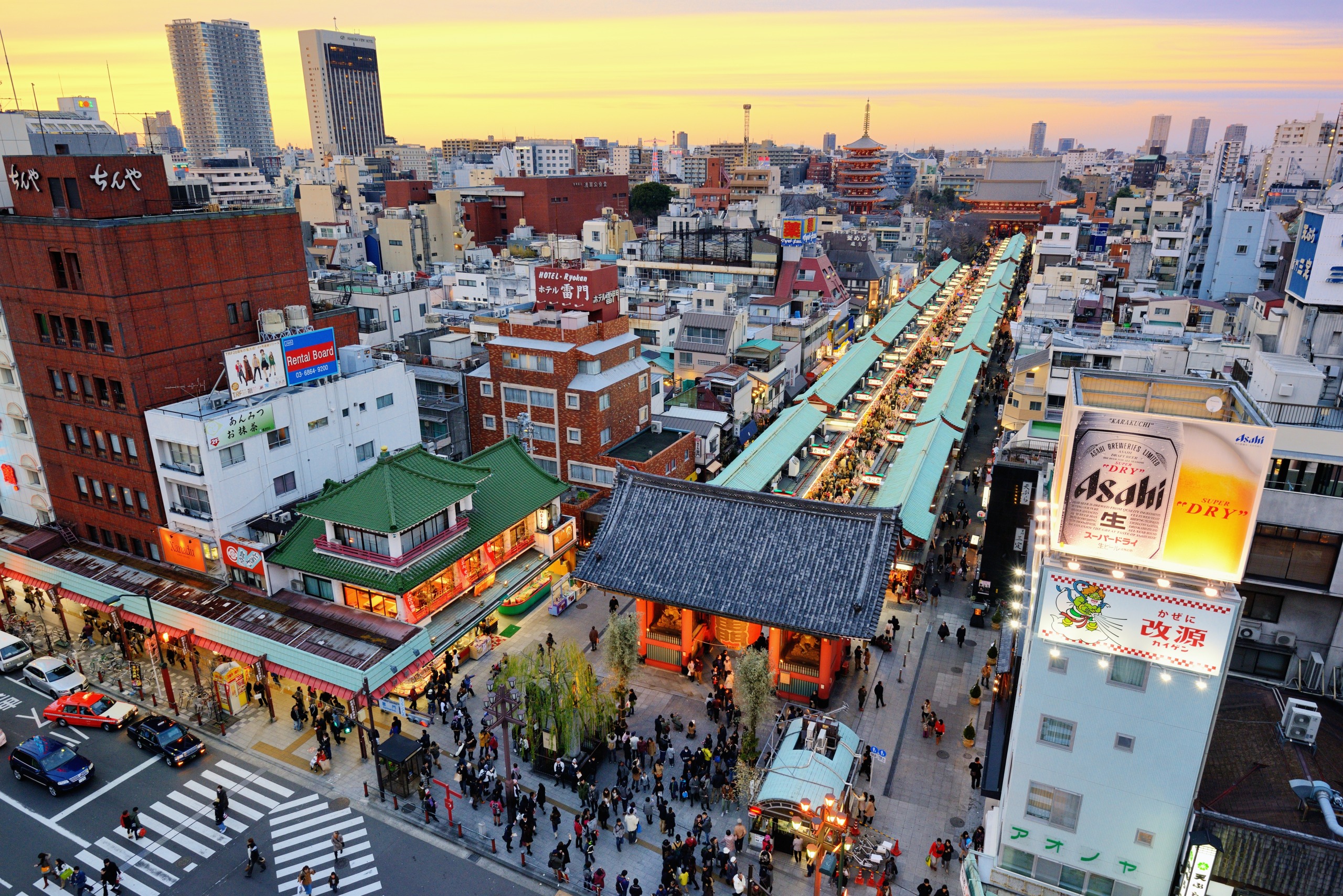
Quartier Asakusa
Asakusa, quartier historique du nord-est de Tokyo, abrite le temple Senso-ji, la rue Nakamise et le parc Sumida, témoins du Tokyo d'avant-guerre.
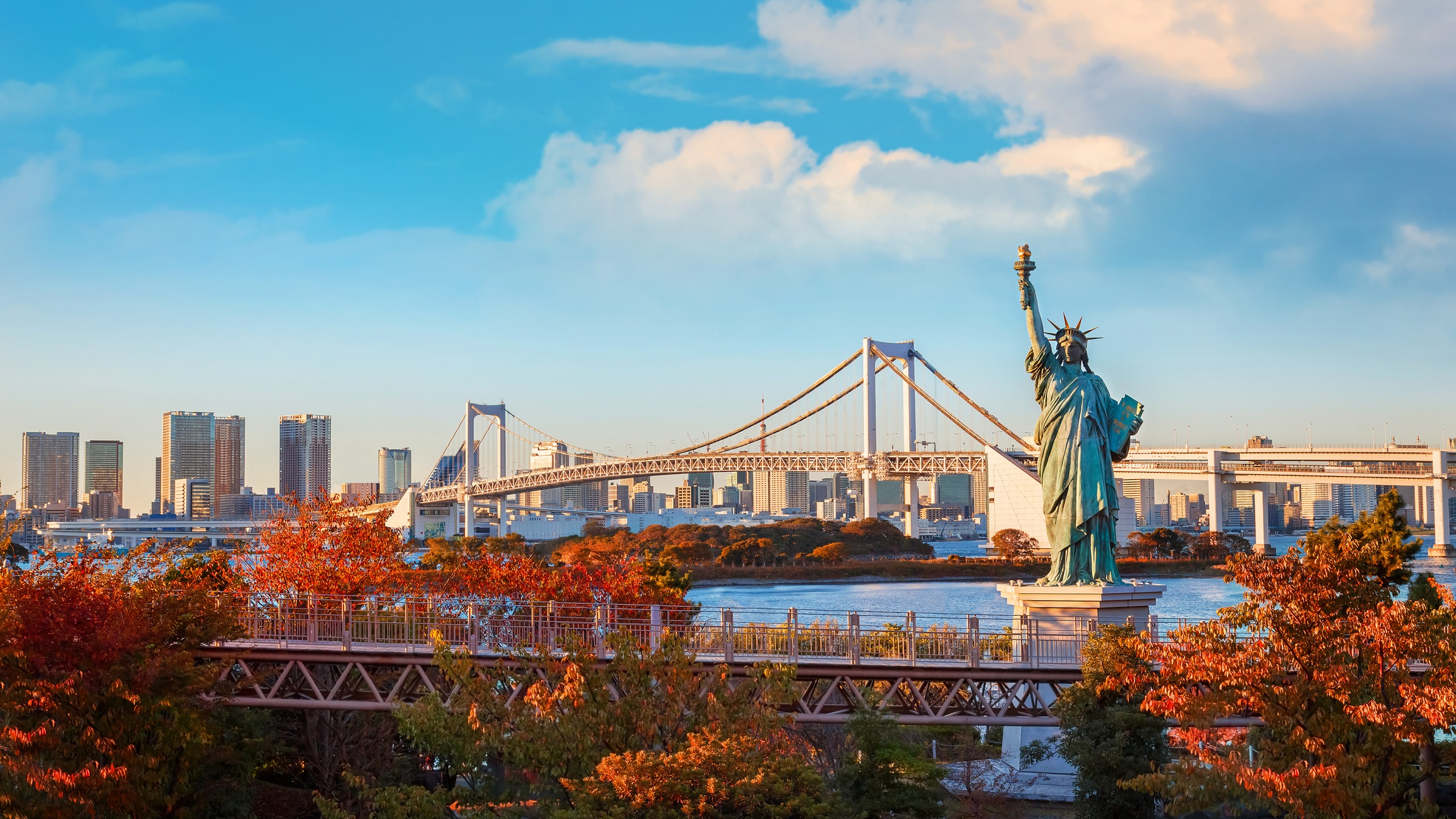
L'île artificielle d’Odaiba
Île artificielle de la baie de Tokyo née de forteresses du XIXe siècle, Odaiba est aujourd'hui un quartier de loisirs, de musées et d'architecture contemporaine.
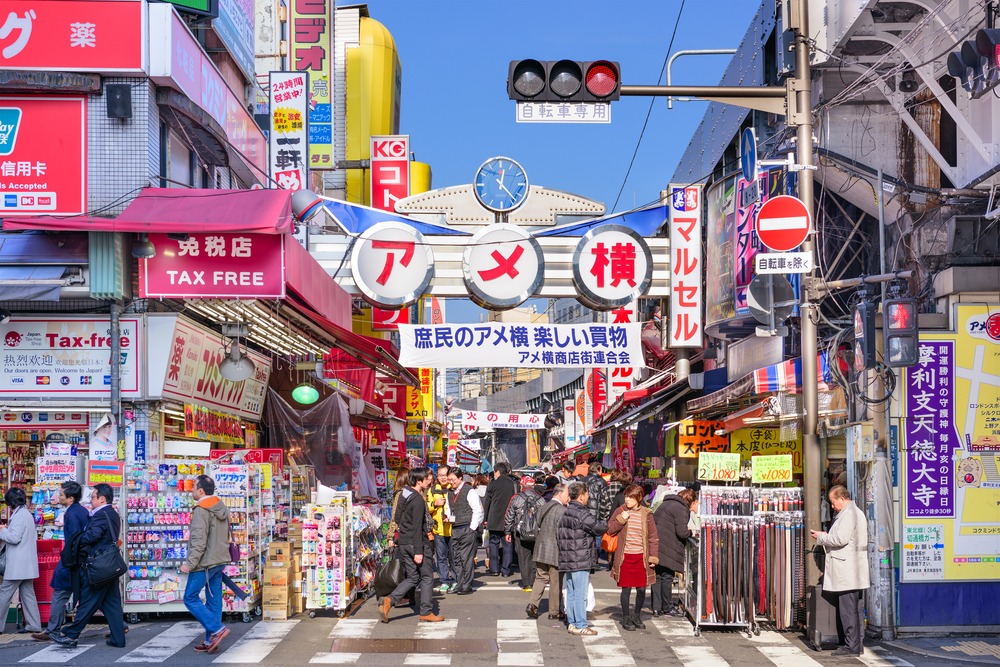
Marché d'Ameyoko
À Ueno, le marché d'Ameyoko aligne 500 mètres d'étals sous les rails de la Yamanote : poisson du Tohoku, street food, mode discount et héritage du marché noir d'après-guerre.
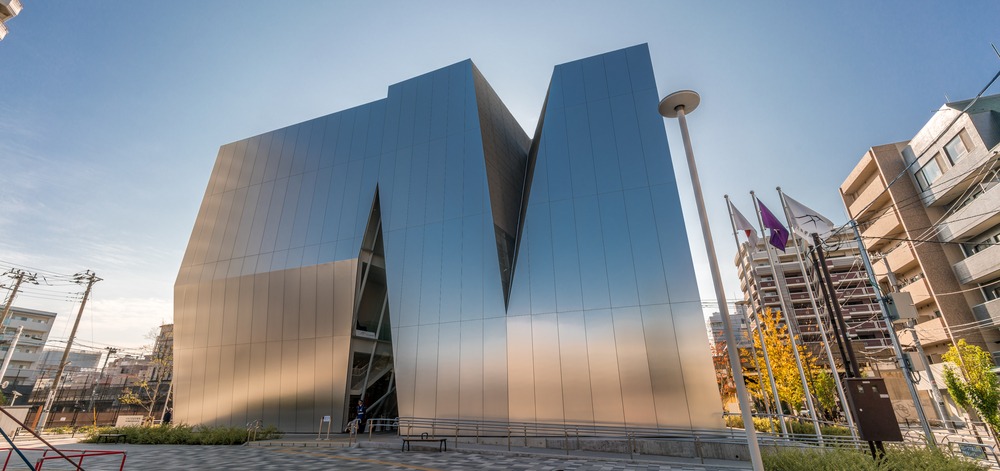
Le musée Hokusai à Obuse
Le musée Sumida Hokusai, à Ryogoku (Tokyo), retrace l'œuvre du maître de l'ukiyo-e dans un bâtiment signé Kazuyo Sejima. Collections, accès et conseils de visite.
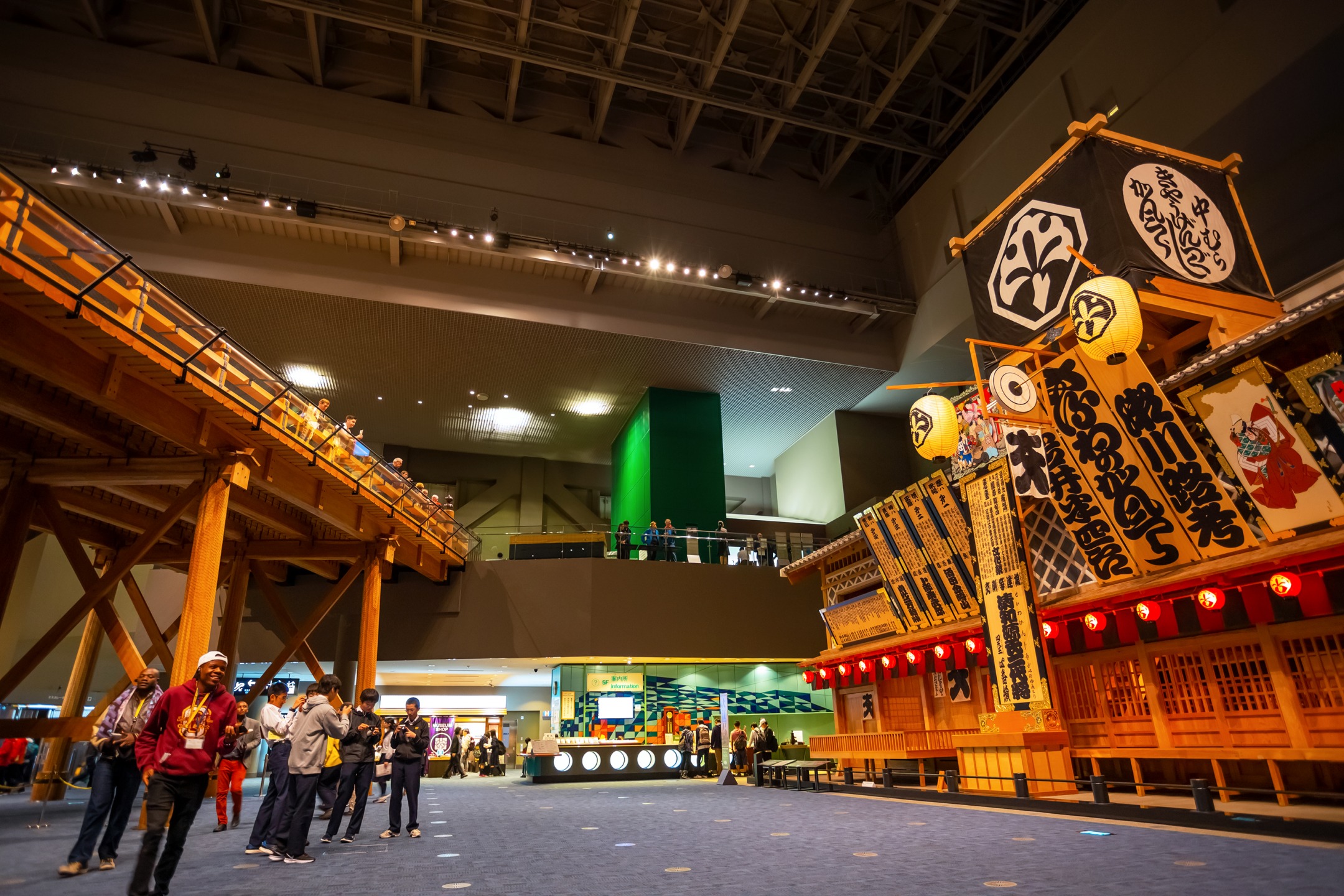
Musée d'Edo
Le musée d'Edo-Tokyo retrace quatre siècles d'histoire de la capitale, d'Edo à Tokyo. Bâtiment fermé pour rénovation jusque vers 2026.
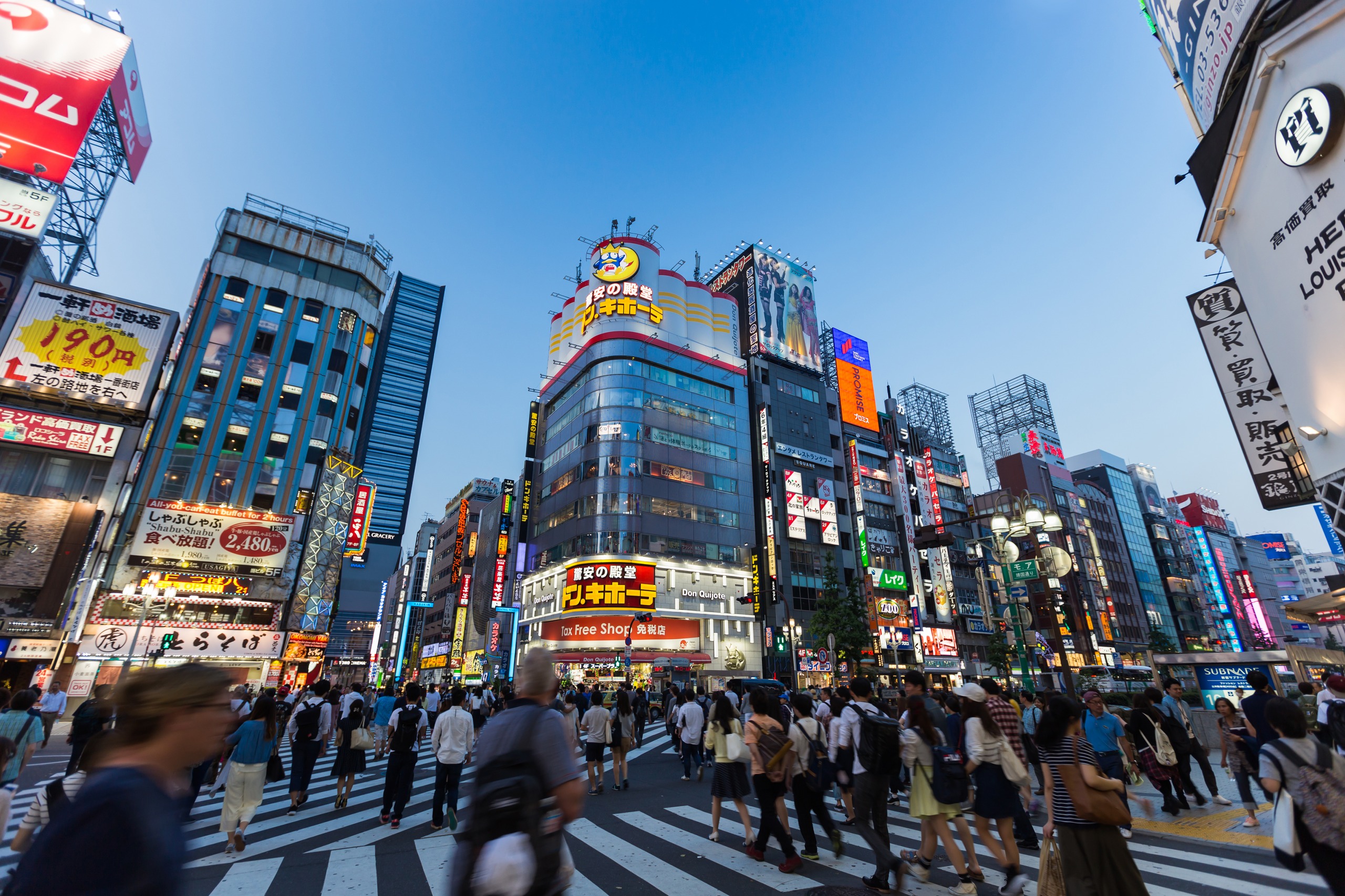
Les quartiers de Tokyo
Guide des quartiers de Tokyo : Shibuya, Shinjuku, Asakusa, Ginza, Akihabara, Yanaka, Harajuku. Adresses, ambiances et conseils pour organiser votre itinéraire.
Want to discover this destination?
Our local advisors design your tailor-made trip.