Mount Kurama, Kyoto
Mount Kurama, Kyoto
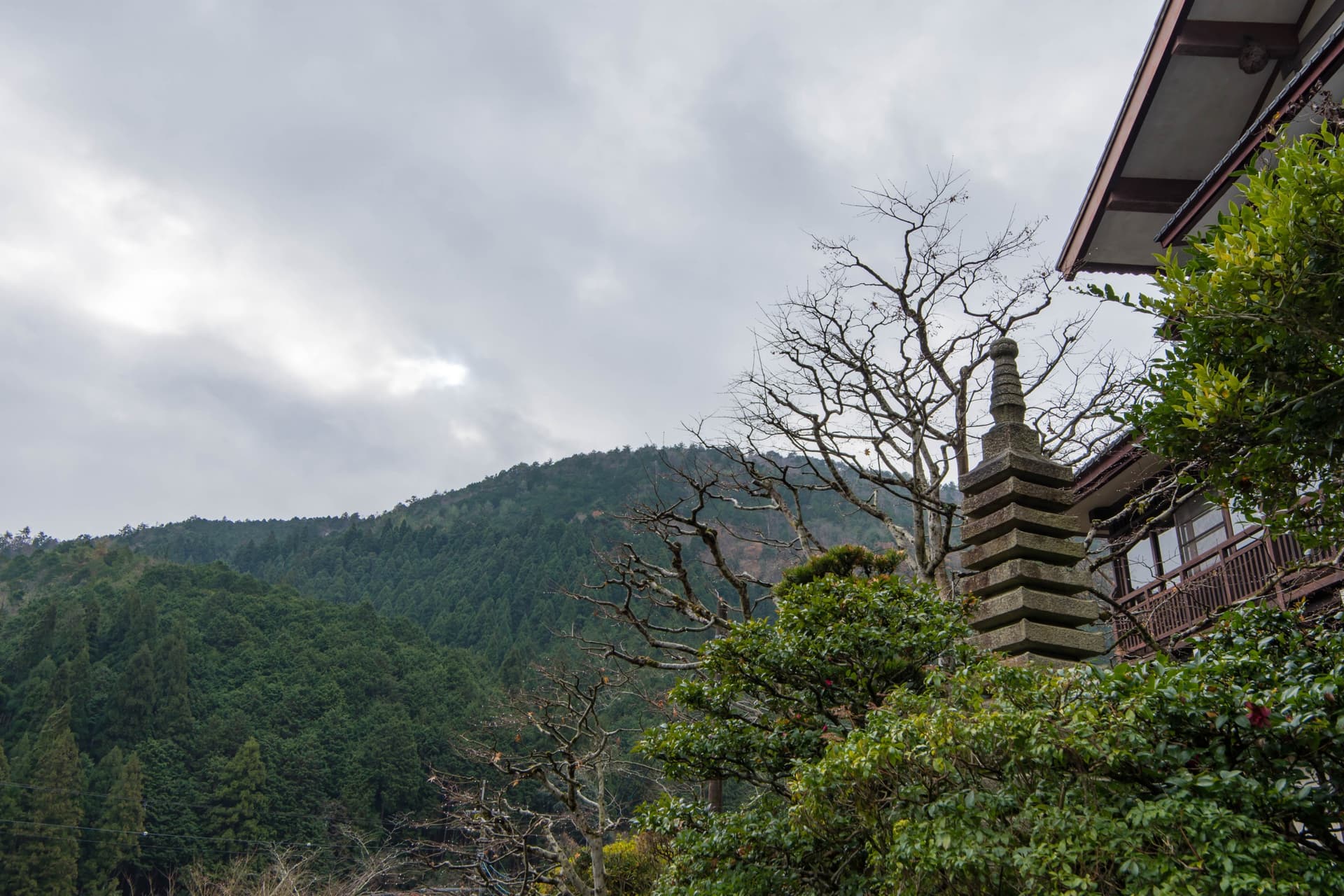
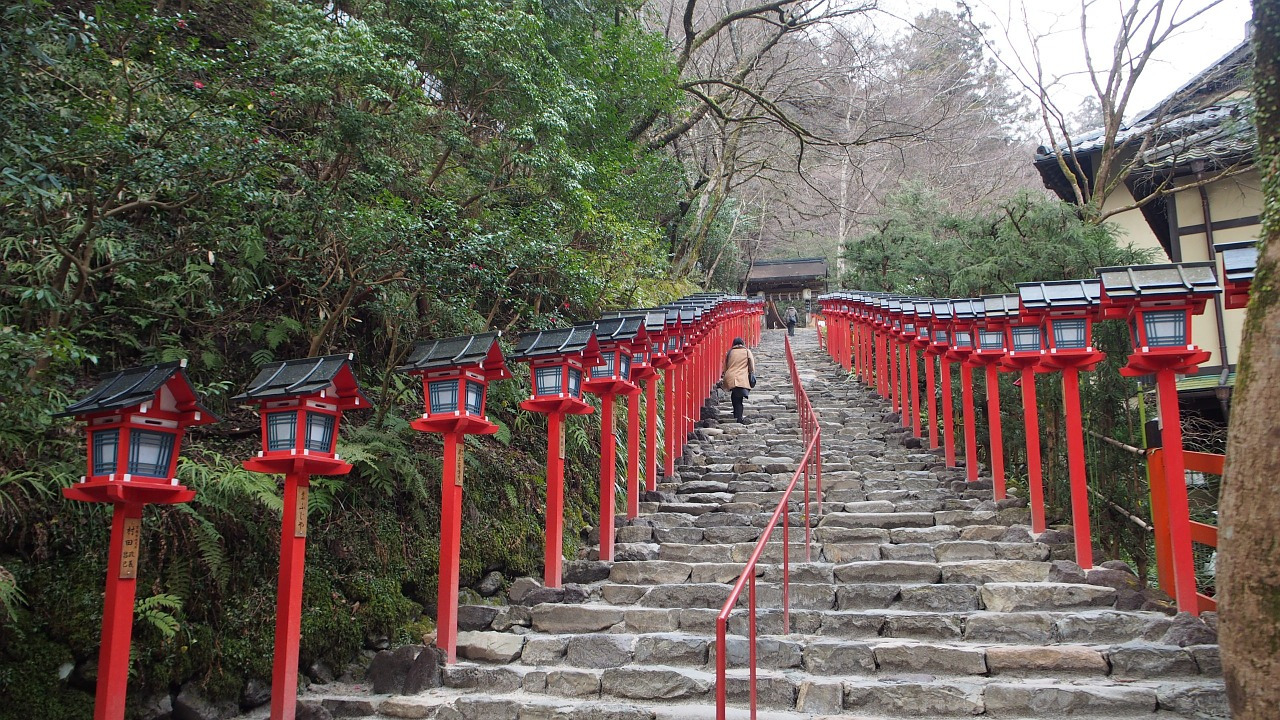
North of Kyoto, Mount Kurama brings together an ancient temple, a Shinto shrine, forest hiking trails leading to Kibune, and a sulfurous hot spring.
Mount Kurama rises north of Kyoto and concentrates on its forested slopes an ancient Buddhist temple, an old Shinto shrine, hiking trails, and a thermal spring. A sacred mountain associated with shugendō, the legend of tengu, and the birth of reiki, it can be visited in half a day from central Kyoto.
Why visit Mount Kurama
Kurama brings together in a single location several facets of spiritual and natural Japan: an ancient religious complex, century-old cedars, a forest hike connecting two villages, and a sulfurous onsen. The mountain remains away from Kyoto's main tourist flows, making it an appreciated excursion for those wishing to balance visits to downtown temples.
The site suits both contemplative pilgrimage and vigorous hiking. Allow 3 to 5 hours on-site depending on whether you take the cable car or hiking trail, and whether you continue on to the neighboring village of Kibune.
History and legends
The Kurama-dera temple was founded in 770. The mountain was one of the major practice sites for shugendō, an ascetic tradition blending esoteric Buddhism, Shintoism, and mountain beliefs. This religious identity shaped the site's aura until today.
Kurama is also linked to the figure of Ushiwakamaru, who later became Minamoto no Yoshitsune, one of the most celebrated samurai in Japanese history. According to legend, he trained in swordsmanship there under the tutorship of Sōjōbō, the king of tengu, winged creatures with long noses in Japanese mythology.
The birthplace of reiki
Kurama is considered the birthplace of reiki, a healing method through hands-on treatment. Mikao Usui, its founder, is said to have received healing energy there in 1922, after twenty-one days of meditation and fasting on the mountain. The practice subsequently spread throughout Japan and internationally.
What to see on Mount Kurama
The tengu statue
At the exit of Kurama station, a large tengu statue with a long nose welcomes visitors. The current sculpture was installed in 2019, after the previous one cracked its nose under the weight of snow. It immediately recalls the mountain's connection to these mythological figures.
The Niomon gate and the ascent
The trail begins at the Niomon gate, a few minutes from the station. It climbs through the forest over a route of about one hour to the main temple, punctuated by staircases, small bridges, and stone lanterns. A cable car handles part of the ascent for those wishing to reduce the effort, at a modest fare.
The Yuki-jinja shrine
Originally established in central Kyoto, the Yuki-jinja was moved to Kurama in 940 to protect the region from evil. Several of its current structures date from the Momoyama period (1568-1598).
The most remarkable element of the shrine is a cedar tree over 800 years old reaching 53 meters high. The faithful regard it as a yorishiro, meaning a natural object or element serving as a receptacle for the kami, the Shinto deities.
Kurama-dera temple
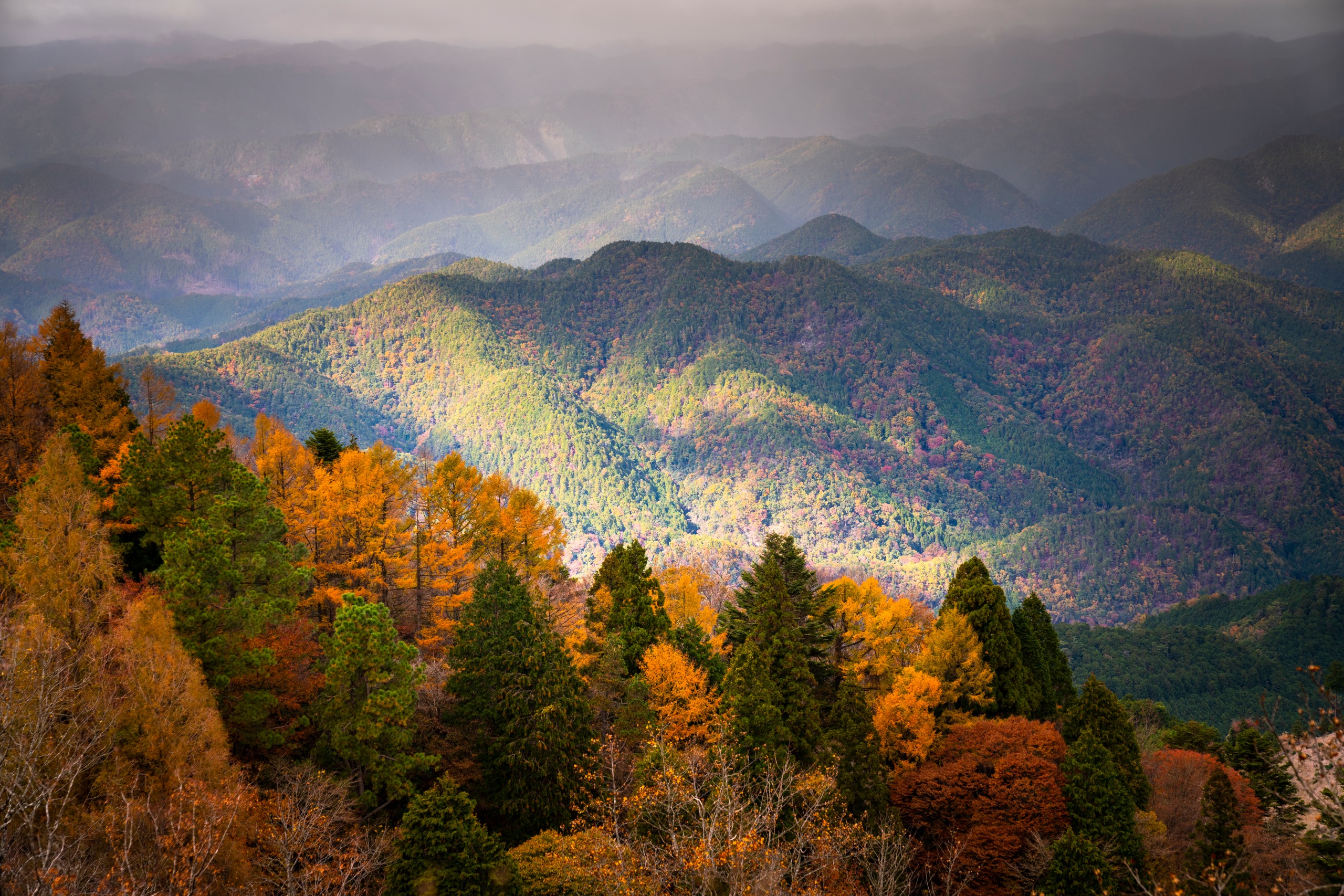
Built on the mountainside, the temple offers from its main terrace a clear view of the valley and surrounding cedar forests. It houses several Buddhist statues classified as national treasures, having survived successive fires; pieces displayed to the public are frequently replicas, with originals kept in reserve.
Near the summit stands the Sekurabe Ishi, a sacred stone associated with miraculous accounts. Further on, the Okunoin Mao-den marks the place where Mao-son, a protective figure associated with earth spirits, is said to have descended to Earth. It is one of the most spiritually charged points on the mountain.
The descent to Kibune
From Kurama-dera, a trail descends toward the village of Kibune on the opposite slope, in approximately one hour of hiking amid cedars. Kibune is known for its shrine dedicated to the water deity, its oracles, and in summer, the experience of nagashi sōmen: noodles caught with chopsticks as they slide down a bamboo chute fed by spring water.
Kurama Onsen
About a ten-minute walk from the station, Kurama Onsen offers outdoor baths (rotenburo) facing the mountain and river. The naturally sulfur-rich water is reputed for its anti-inflammatory properties. The establishment also includes a ryokan for those wishing to extend their stay.
The fire festival
Each October 22, the Kurama no Hi Matsuri honors the relocation of Yuki-jinja to the mountain. More than 250 pine torches are carried by residents in traditional dress through the village, to the shrine. It is one of the most-attended festivals in the Kyoto region and one of the rare occasions to see the village as a whole invested with ceremony. The local specialty, yudofu (tofu simmered in light broth), is served at food stalls.
Practical information
- Duration of visit: allow a half-day for the temple and onsen, a full day if you continue to Kibune.
- Cable car: available to shorten the climb, modest fare.
- Clothing: hiking shoes recommended, the trail is forested and can be slippery after rain.
- Onsen: moderate fee for access to outdoor baths; towels available for rent on-site.
When to go
Mount Kurama can be visited year-round, each season having its own characteristics:
- Spring (April-May): tender greenery and mild temperatures, without the crowds of cherry blossom sites in central Kyoto.
- Summer (June-August): the forest and river provide coolness; it is also the season for nagashi sōmen in Kibune. Days can be hot and humid, however.
- Autumn (October-November): maples take on their colors and the fire festival is held on October 22. This is the most-visited period.
- Winter: quiet and sometimes snowy atmosphere, but trails are more demanding.
In the surrounding area
The village of Kibune on the opposite slope naturally extends the visit. For those wishing to continue exploring Kyoto's sacred mountains, Mount Hiei and its Enryaku-ji monastic complex are located east of the city. Further in the country, Mount Kōya offers another approach to Japanese Buddhism through monastic immersion, while Mount Tsukuba near Tokyo presents another example of a revered mountain.
How to get there
From central Kyoto, the simplest way is the Eizan Line departing from Demachiyanagi station to the Kurama terminus. The journey takes about thirty minutes and passes through a forested valley. Some panoramic trains offer large windows overlooking the forest.
Alternatively, the Karasuma subway line to Kokusai-Kaikan, then a bus toward Kurama Onsen, allows you to reach the site. Driving is possible but parking remains limited in the village.
Prepare your trip
To integrate Mount Kurama into a broader itinerary around Kyoto and Japan's major sites, consult our customized trips to Japan.
Nearby
Interested in this visit?
We can include it in your personalised itinerary.