Shimabara Castle
Shimabara Castle
White keep standing 33 meters above the plain facing the Ariake Sea, Shimabara Castle traces the history of hidden Christians and the peasant rebellion of 1637.
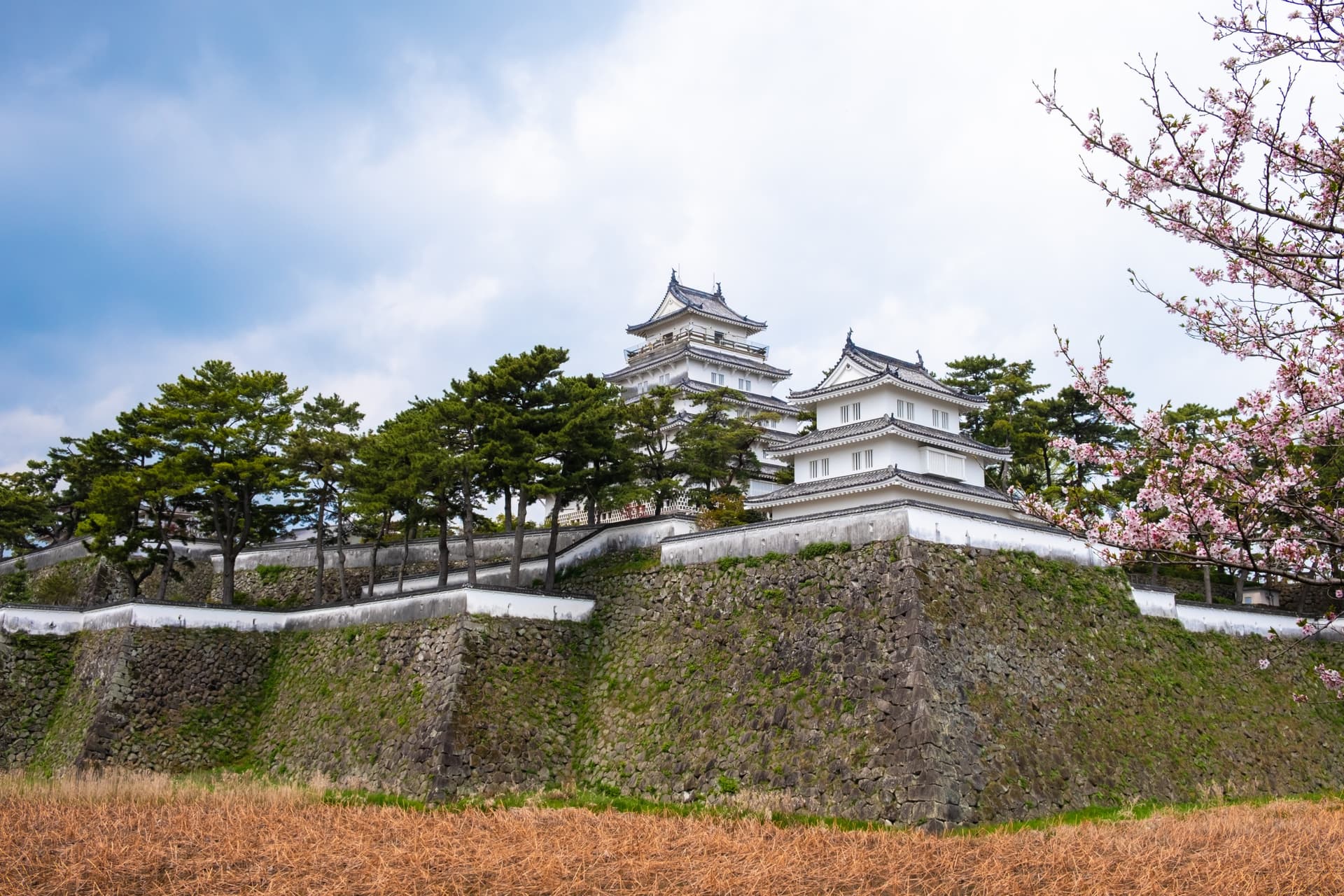
Between Mount Unzen and the Ariake Sea, Shimabara Castle stands with its white keep rising 33 meters above the plain. Reconstructed in the 1960s on its feudal foundations, it now houses a museum devoted to the persecution of Japanese Christians and the 1637 peasant rebellion that marked the region.
Why visit Shimabara Castle
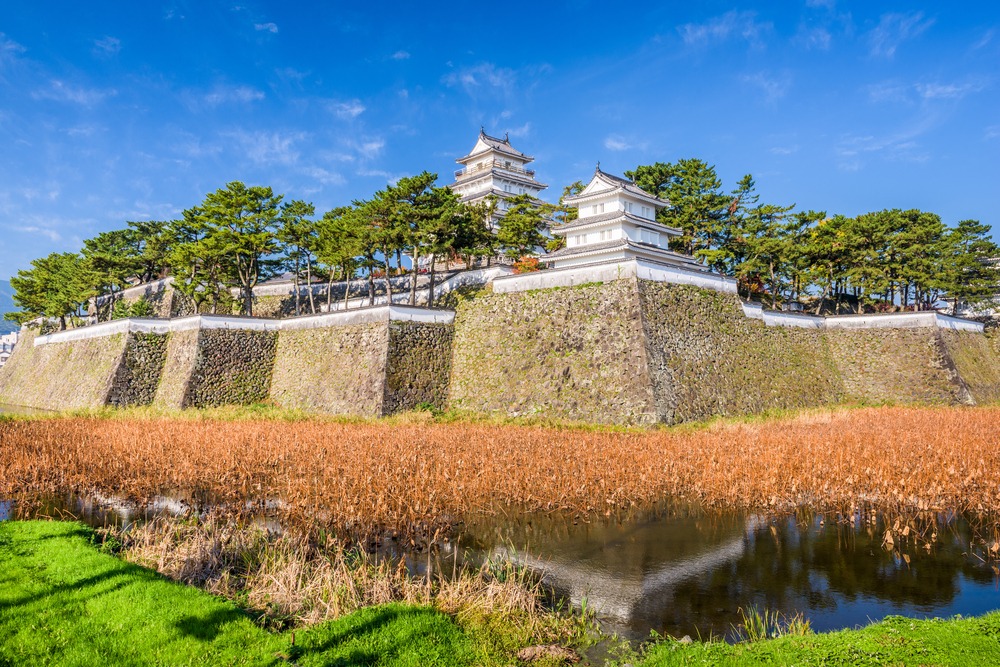
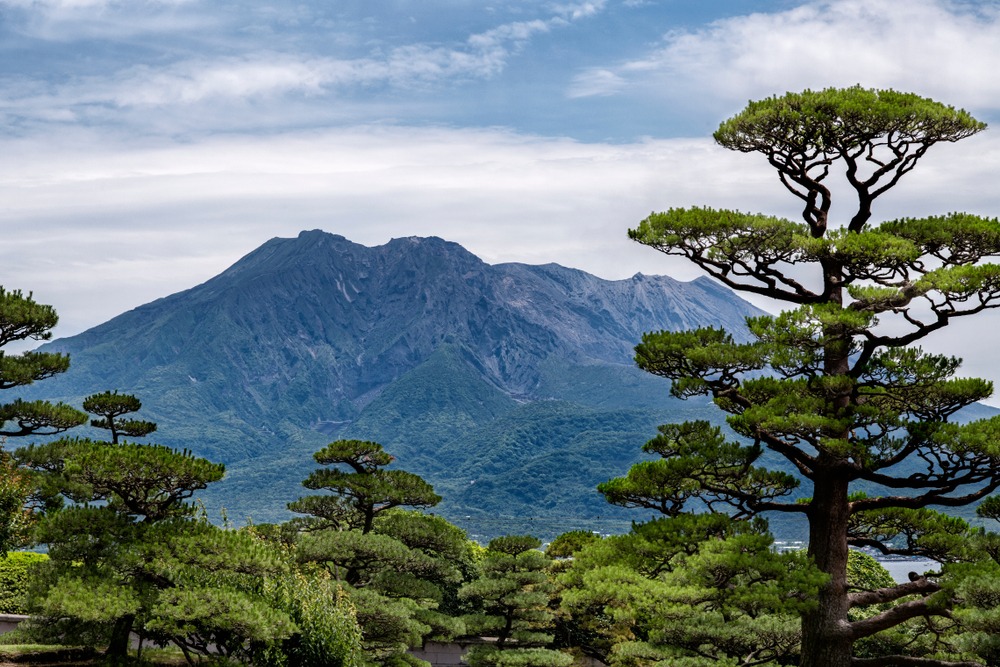
The site offers three complementary interests. First, historical: it is one of the rare places in Japan where the history of hidden Christianity (kakure kirishitan) is documented on a large scale, with liturgical objects, paintings and golden crosses rarely seen elsewhere. Next, architectural: the keep ranks among the 100 finest castles in Japan selected by the Japan Castle Foundation, and its original moats and stone walls date back to the 17th century. Finally, panoramic: the platform on the top floor offers a vantage point over the Unzen volcanoes and the Ariake Sea.
History of the castle
Construction took place from 1618 to 1625 under daimyo Matsukura Shigemasa. The project was financed by particularly heavy taxes levied on a population already strained by the persecution of Christians led by the shogunate. This double fiscal and religious pressure culminated in 1637 in the Shimabara Rebellion, one of the most violent uprisings of the Edo period. The castle was besieged but suffered little damage, unlike the rebel peasants who were massacred in great numbers.
Over the following decades, the site changed hands several times: the clans Koriki, Matsudaira and then Toda succeeded one another. The Meiji Restoration, at the end of the 19th century, led to the demolition of the keep and most of the feudal buildings. Only the moats and part of the stone walls survived this period. The current structure is a reinforced concrete reconstruction undertaken in the 1960s, faithful to the 17th-century style.
What to see on site
The main keep and its five floors
The museum layout follows the vertical progression of the building. The first floor is devoted to the region's Christian history: liturgical artifacts, documents from the persecution period, paintings linked to the rebellion (including some depicting Amakusa Shiro, the young leader of the uprising) and a particularly remarkable golden cross. The second floor houses a collection of weapons, armor and helmets, including the sword considered the guardian divinity of the castle. The upper levels display objects from the daily life of commoners. On the fifth floor, the observation platform overlooks the Unzen mountains, the Ariake Sea and, on clear days, the Kumamoto coast beyond the bay.
Annexed buildings
Several yagura (turrets) have been converted into small museums. The Seibo Memorial Hall displays works and sketches by Kitamura Seibo, sculptor of the central statue in Nagasaki's Peace Park. The folk museum brings together everyday objects from the 20th century. The Sightseeing Revival Hall documents the historical eruptions of Mount Unzen, including the 1991 eruption. The west turret displays a collection of kokeshi dolls and tenugui decorated with images of Japan's major castles.
When to visit
Three moments structure the year. In spring, cherry blossom blooms frame the white walls of the keep: this is the most photographed moment at the site. In summer, lotus flowers bloom in the original moats around the castle's base. In October, the Shimabara Onsen Shiranui festival takes place on the castle esplanade, including a Takigi Noh performance lit by fire in front of the keep — admission to this performance is free.
Practical information
The castle is open year-round during daylight hours. Admission fees are reasonable, with standard full price for adults and reduced rates for school groups. Discounts apply to groups of 15 or more visitors, as well as to visitors with disabilities. Plan 1.5 to 2 hours to visit the keep and annexed buildings, longer if you take time to explore the gardens.
How to get there
The castle is located about 10 minutes on foot from Shimabara Station. From Nagasaki Airport, plan for about 2 hours of travel combining bus and train via Isahaya, where regular rail connections reach Shimabara. From Kumamoto, a ferry crosses the Ariake Sea and allows arrival by coastal route.
Nearby
The historic center of Shimabara deserves a walk: you'll find the samurai quarter Bukeyashiki, its koi carp canals and several hot springs. To extend your journey around Nagasaki's Christian history, the Urakami district documents the Catholic community and the 1945 bombing. Fans of feudal architecture can compare Shimabara with Himeji Castle, Japan's largest original castle.
Frequently asked questions
Frequently asked questions
Organize your trip
Shimabara Castle fits naturally into an itinerary dedicated to Nagasaki and the history of Christianity in Japan. To build a custom trip including the Shimabara Peninsula, find our itinerary suggestions on our trip to Japan page.
Interested in this visit?
We can include it in your personalised itinerary.