Kiyomizu Temple
Kiyomizu Temple
Nestled against the Higashiyama hills, Kiyomizu-dera overlooks Kyoto from its wooden terrace built without nails. History, sites to see and visiting advice.
Kiyomizu-dera is a complex of Buddhist temples and Shinto shrines set against the eastern hills of Kyoto, in the Higashiyama district. Founded in 778 and designated a UNESCO World Heritage site in 1994, it owes its name ("pure water") to the waterfall that flows beneath its main pavilion. Its wooden architecture suspended over the hillside makes it one of the most visited sites in the former imperial capital.
Why Visit Kiyomizu-dera
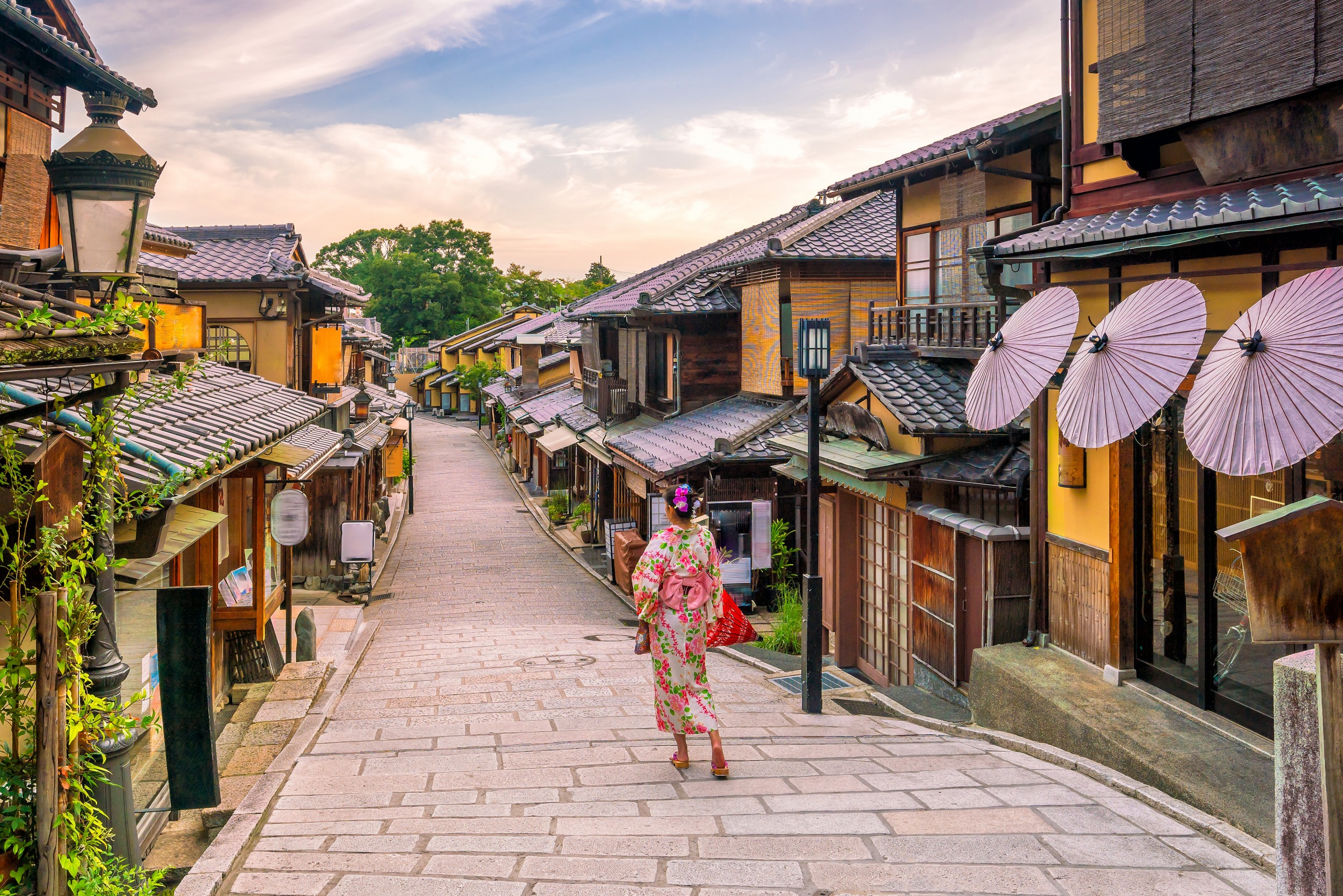
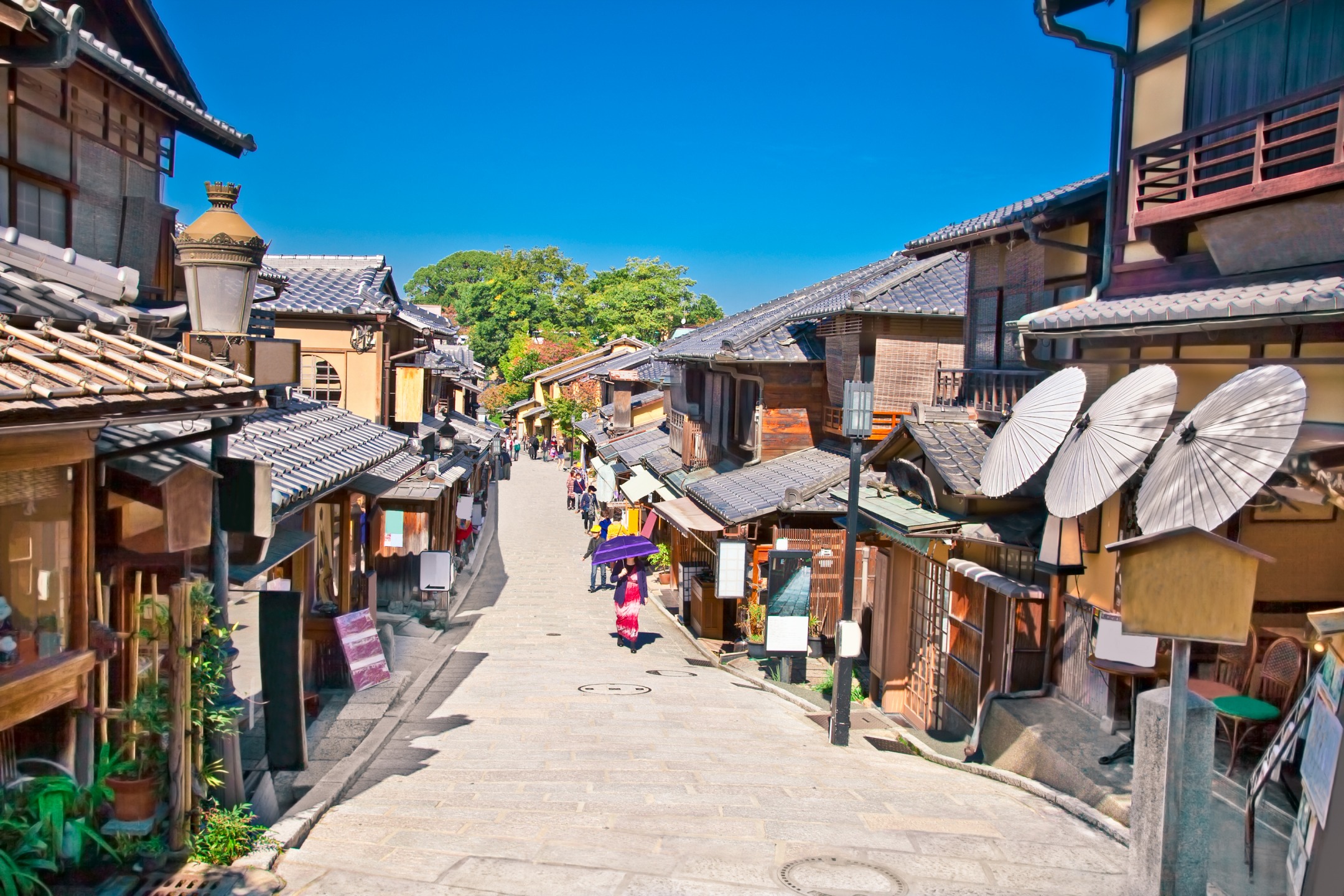
The temple combines several attractions in one location: a monumental wooden pavilion held together without a single nail, a sacred waterfall, a Shinto shrine dedicated to love, and sweeping views over Kyoto. The visit blends architecture, Buddhist and Shinto spirituality, and urban landscape appreciation. The complex works equally well as a cultural stop or as a stroll through the preserved alleyways leading to it, particularly Sannenzaka and Ninenzaka.
History
Kiyomizu-dera was founded in 778, at the end of the Nara period, by General Sakanoue no Tamuramaro. According to tradition, he built it after encountering a hermit living near the Otowa waterfall. The site is dedicated to Kannon, the bodhisattva of compassion.
Destroyed by several fires over the centuries, it was reconstructed in 1633 under Shogun Iemitsu Tokugawa in the form we know today. The complex was inscribed as a UNESCO World Heritage site in 1994 under "Historic Monuments of Ancient Kyoto." An extensive restoration campaign ran from 2008 to 2020, particularly on the cypress bark roof of the Hondo.
The temple's name, Kiyomizu, literally means "pure water" or "spring water," referring to the waterfall that descends from the surrounding hills.
What to See on Site
The Hondo, Main Pavilion
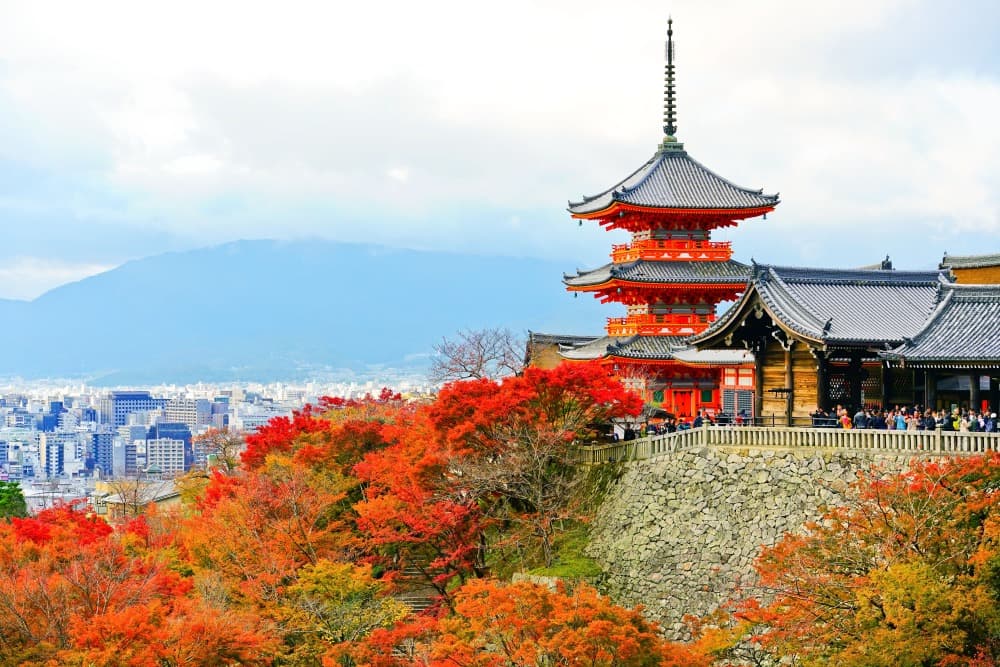
The Hondo is the heart of the complex. It rests on a framework of 139 wooden pillars standing 13 meters high, assembled without nails, and extends as a cantilevered structure over the hillside. Inside is preserved a statue of Kannon with eleven faces, venerated for her compassion and shown to the public only during rare ritual openings.
The large terrace offers an unobstructed view of Kyoto's rooftops and the wooded slopes of Higashiyama. This location gave birth to the Japanese expression "jumping from the Kiyomizu terrace," equivalent to "taking the plunge."
The Otowa Waterfall
Below the Hondo, the Otowa waterfall divides into three streams, each associated with a blessing: longevity, academic success, and romantic love. Visitors collect the water using long-handled ladles and drink it. Custom dictates choosing only one stream: claiming all three blessings is considered greedy.
The Jishu-jinja Shrine
Located within the grounds, Jishu-jinja is a Shinto shrine dedicated to Okuninushi, the deity of encounters and love. Two stones called "love stones" are placed 18 meters apart. Tradition holds that whoever can walk from one to the other with eyes closed will find love. Visitors also hang ema, wooden plaques on which the faithful write their wishes.
The Okunoin Hall
Slightly elevated, the Okunoin hall houses a statue of Buddha Amida. Its terrace offers the best vantage point to view the Hondo itself, particularly in spring and autumn when surrounding vegetation changes color.
The Seiryu-e Festival
The Seiryu-e honors the blue dragon, protective spirit of eastern Kyoto. A procession of priests and performers in traditional costumes accompanies an 18-meter blue dragon through the complex and surrounding alleyways. The ceremony takes place several times a year, in March, April, and September.
When to Visit
Kiyomizu-dera is open year-round, but two periods particularly attract visitors: cherry blossom season (late March to early April) and the season of red maples (mid-November to early December). The temple organizes nighttime illuminations during these periods. From November 18 to 30, a blue beam projected into the sky symbolizes Kannon's compassion and accompanies the lighting of the maples.
Winter, quieter and more contemplative, is particularly atmospheric, especially under light snow. Summer is pleasant but hot and humid. To minimize crowds, early morning hours are recommended year-round.
Practical Information
- Visit Duration: allow 1.5 to 2 hours for the site, longer during blossom season or illuminations.
- Admission: paid entry at a moderate rate for the Hondo; free access to part of the grounds.
- Hours: open daily from early morning; closing in late afternoon, later during seasonal illuminations. Check current hours on the official website.
- Crowds: very heavy during the day, particularly in spring and autumn. Visiting before 8 a.m. is more peaceful.
- Dress Code: comfortable shoes; the surroundings are steep and paved.
How to Get There
From Kyoto Station, buses 100 and 206 serve the Kiyomizu-michi stop in about fifteen minutes. From there, a ten-minute uphill walk through shopping alleyways leads to the temple entrance. On foot from the station, allow approximately 45 minutes via the Gion district. A taxi is a convenient option for groups, especially on the return trip.
Nearby Attractions
- The paved alleyways of Sannenzaka and Ninenzaka, which lead to the temple.
- Kōdai-ji Temple and Maruyama Park, within easy walking distance.
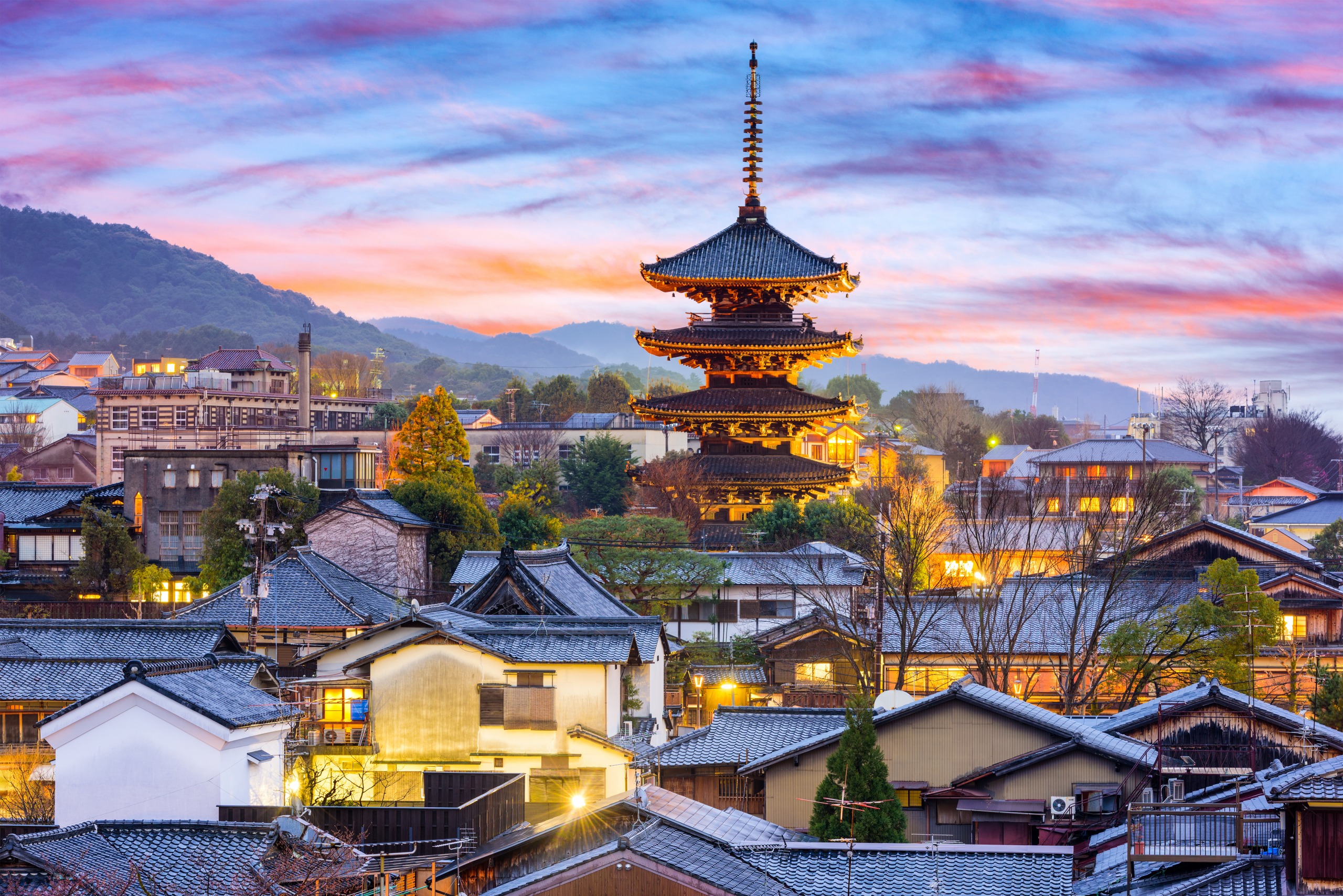
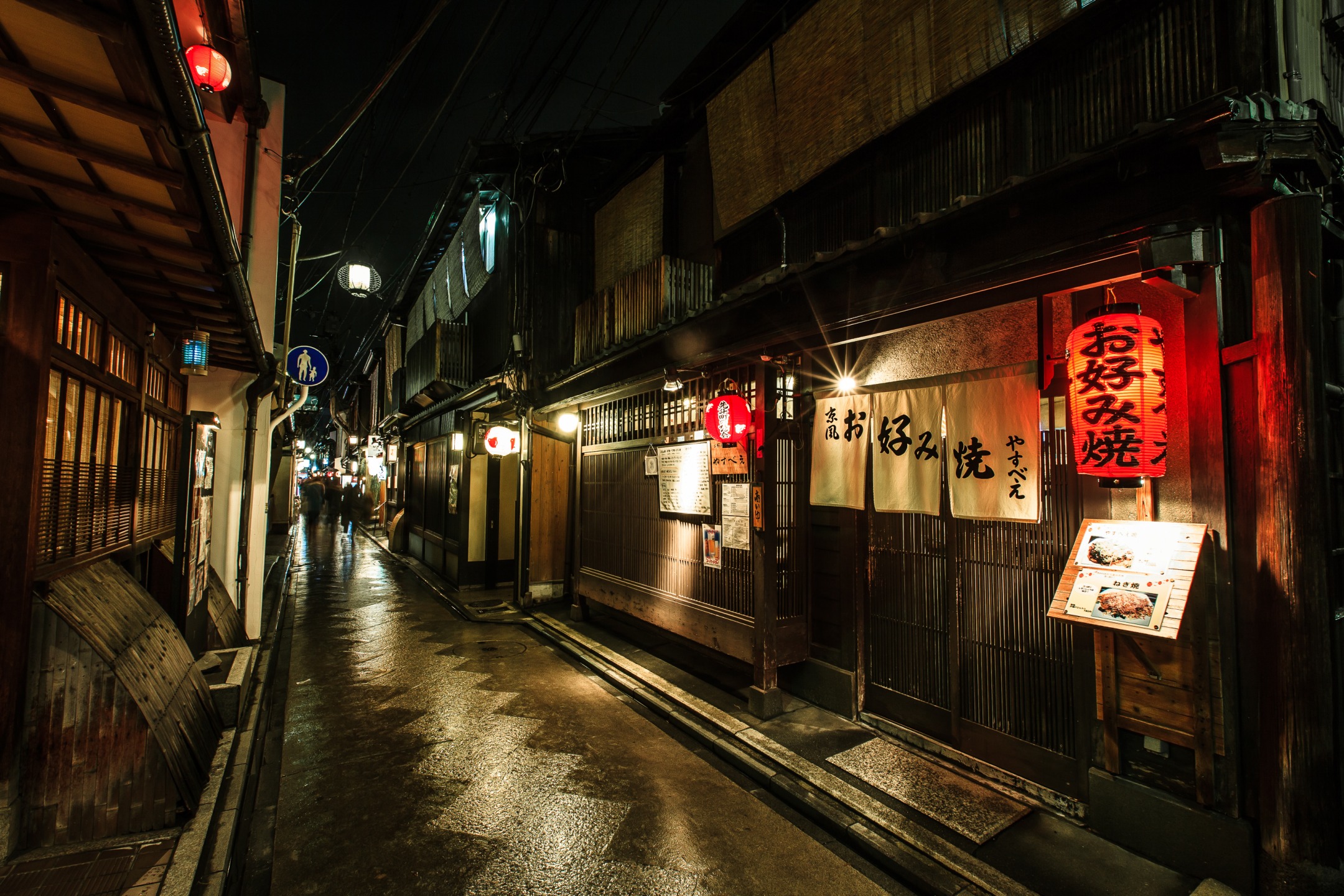
- The Gion district and Yasaka Shrine, further north.
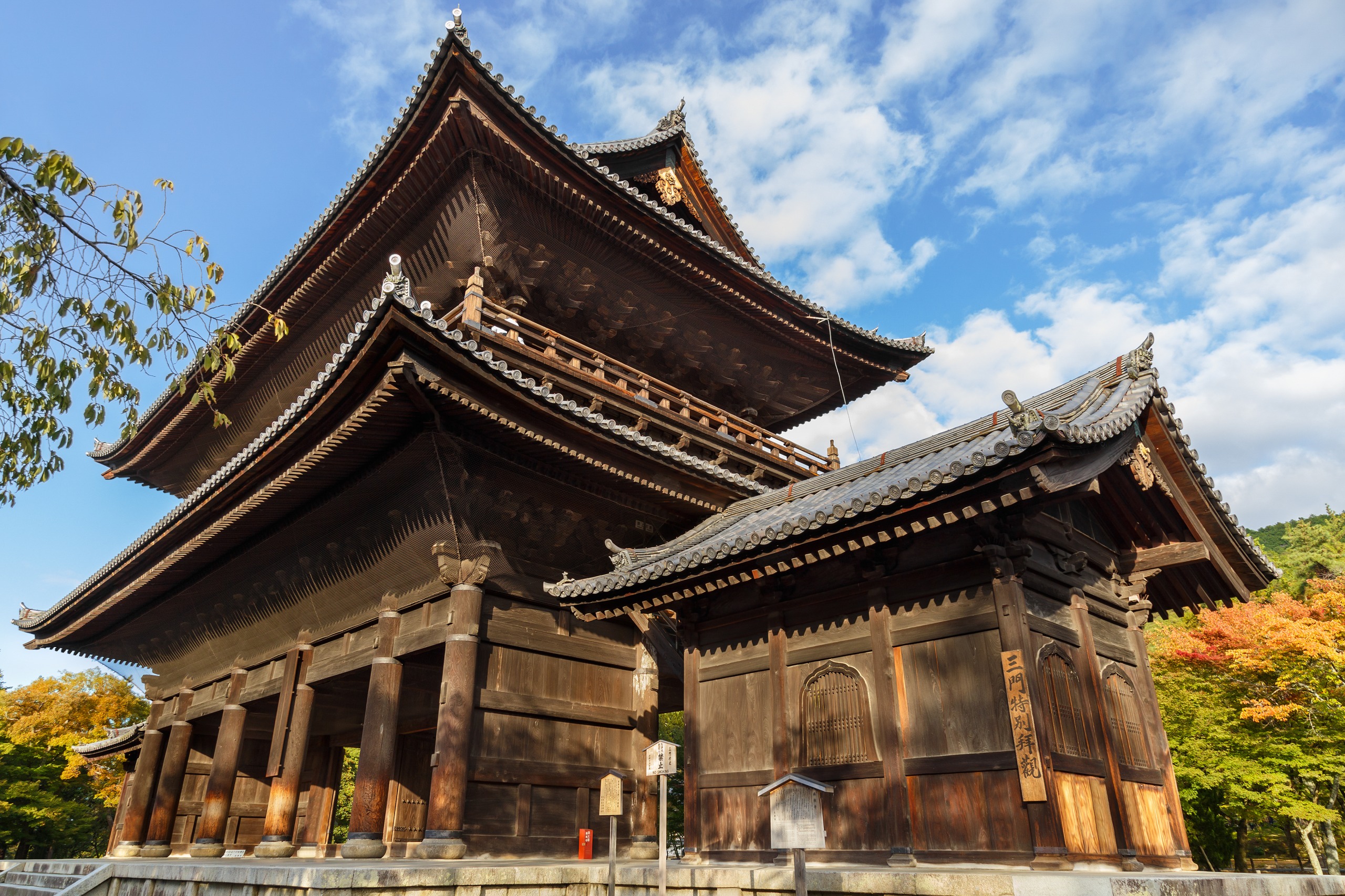
- The Nanzen-ji Temple, accessible by continuing the walk northeast through Higashiyama.
- For another side of Kyoto, Mount Arashiyama and its bamboo grove, west of the city.
Frequently Asked Questions
Frequently asked questions
A complete visit takes 1.5 to 2 hours. During cherry blossom or maple season, add about an hour to enjoy the views and illuminations.
The site is very busy during the day. The best option is to arrive at opening time, early in the morning, to enjoy the Hondo and waterfall in relative peace.
Part of the grounds are free to access, but the main pavilion and terrace require a paid ticket at a moderate rate. Seasonal nighttime illuminations require a separate paid admission.
Yes, long-handled ladles are provided. Choose only one of the three streams: tradition holds that wanting to benefit from all three blessings at once is a sign of greed.
The easiest option is bus 100 or 206 to the Kiyomizu-michi stop, followed by a ten-minute uphill walk. On foot, allow approximately 45 minutes via the Gion district.
Incorporating Kiyomizu-dera Into Your Journey
Kiyomizu-dera fits naturally into a day dedicated to Kyoto and the Higashiyama district, combining it with Sannenzaka, Kōdai-ji, and Gion. To build a complete itinerary across Japan, consult our travel ideas for Japan, customizable according to your preferences for temples, landscapes, and cities.
Nearby
Interested in this visit?
We can include it in your personalised itinerary.