Himeji
Himeji
Himeji is home to Japan's most beautiful feudal castle, a UNESCO World Heritage site, along with an Edo-period garden, a sacred mountain, and a museum with an unexpected French art collection.
The city of Himeji, Himeji-shi in Japanese, is located in the Hyogo Prefecture (Kansai region), 30-40 minutes by shinkansen from Osaka. While this locality is primarily known for its feudal castle, listed as a UNESCO World Heritage site and attracting 1.48 million visitors in 2023, it also conceals other compelling tourist sites worth exploring, such as its fine arts museum and Mount Shosha. Himeji makes for an excellent day or two-day excursion from the major surrounding cities.
History
Himeji, with a history tracing back to the Nara period (710-794), served as the capital of Harima Province, a key element of Japan's early administrative system. Following the Battle of Sekigahara in 1600, feudal lord Ikeda Terumasa expanded Himeji Castle, transforming it into one of the country's most impressive fortresses. Due to its strategic position on the San'yōdō route, Himeji subsequently became a major military stronghold.
During the Meiji Restoration in the late nineteenth century, Himeji evolved, briefly becoming the capital of Himeji Prefecture before being integrated into Hyōgo Prefecture. During World War II, the city endured intensive bombardment, though its castle sustained only minor damage.
In 2022, Himeji had a population of 525,682 residents.
What to Do in Himeji?
Visit Himeji Castle (Himeji-jo)
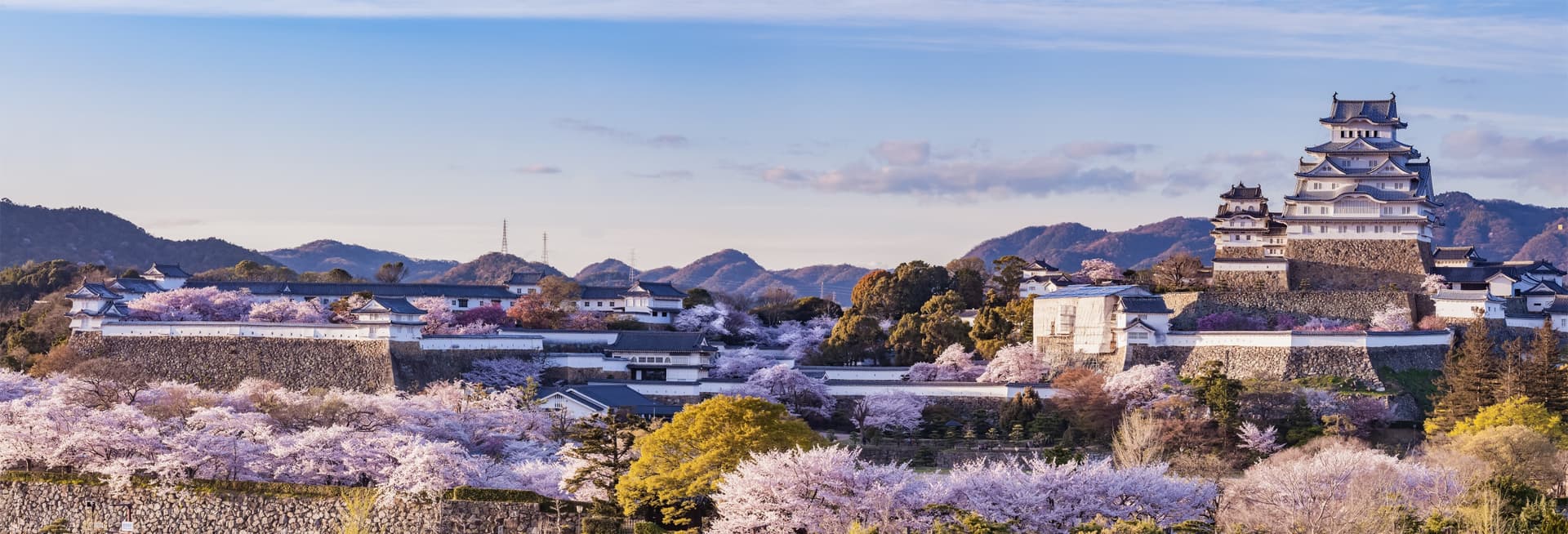
Having never been destroyed by war, earthquake, or fire since its construction in 1609, Himeji Castle, also known as the "White Heron Castle," ranks among the 12 original castles in Japan. Its exceptional state of preservation, beauty, and grandeur make it Japan's most visited castle, captivating both Japanese and foreign tourists alike.
The fortress comprises over 80 buildings, distributed across multiple inner courtyards connected by numerous gates and winding pathways. The primary entrance is via the Otemon Gate.
To slow down potential attackers, the path leading to the main keep consists of labyrinthine walled passages. This wooden structure spans 6 stories. A series of steep, narrow staircases provide access to different levels, which grow progressively smaller as you ascend. Multilingual panels explain the building's architectural features, including arrow slits, stone drops, and concealed spaces. The top floor houses a small shrine dedicated to the deity Osakabe.
Stroll Through Kokoen Garden
Essential when visiting Himeji Castle, Kokoen Garden lies just a few steps west of the Otemon Gate. The appeal of this space created in 1992 lies in its inclusion of various garden styles from the Edo period. You'll discover, among others, a pond and waterfall garden, a tea garden where you can enjoy green tea, a pine garden, a bamboo garden, and a flower garden.
Visit Himeji Museum of Art
Himeji's fine arts museum is located a short walk from the castle. Once the city's former town hall and later a military barracks during the war, it opened as a museum in 1939. The building, recognizable by its red brick construction, is renowned for its collection of French paintings from the nineteenth and twentieth centuries. Various artistic movements (Fauvism, Impressionism, etc.) and painters (Corot, Monet, Vlaminck, etc.) are featured in its collections.
Explore Mount Shosha
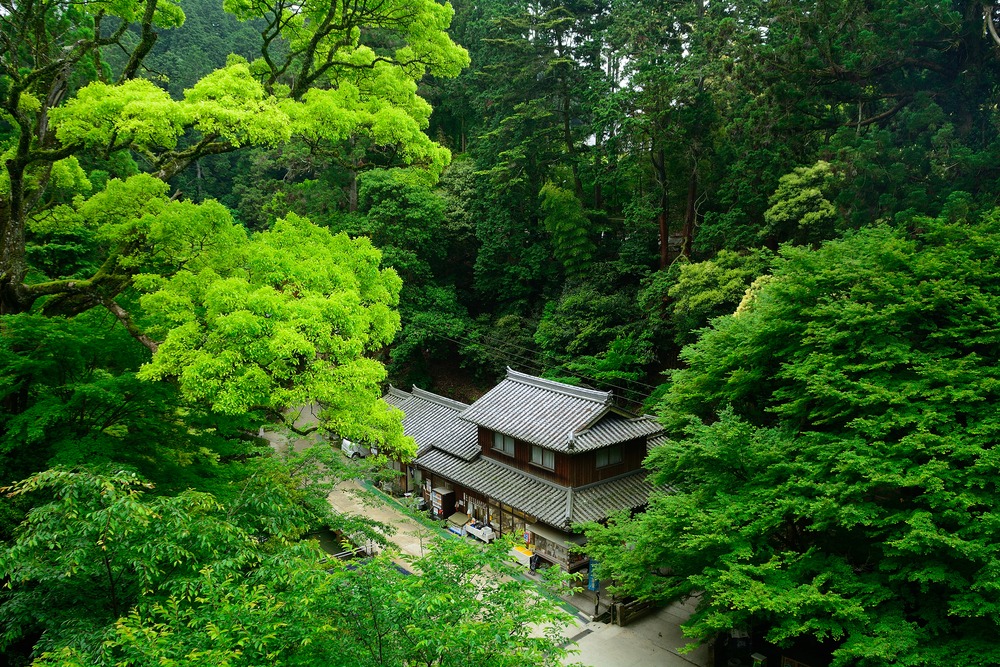
Mount Shosha, which rises at the edge of Himeji, is accessible after a 30-minute journey from the city center. It is home to the Engoyoji Temple, comprising 3 large wooden pavilions, the Mitsunodo. Due to the absence of modern infrastructure and its magnificent landscape, the site is frequently chosen as a filming location for Japanese period dramas. Scenes from the Hollywood film The Last Samurai were also shot here (around and inside the Mitsunodo halls).
Wander Through Nagoyama Cemetery
Nagoyama Cemetery, a 10-minute walk from the station, is Himeji's largest cemetery. It's a peaceful place for a stroll. The site's highlight is a 38-meter-tall stupa perched atop a hill. Considered sacred, it contains ashes of Buddha, gifted by Indian Prime Minister Nehru. Spectacular, the tower's interior design will certainly captivate you.
Practical Information
By Shinkansen
Himeji is accessible by shinkansen from Kyoto, Osaka, Shin-Osaka, Kobe, and Hiroshima. If traveling from Hiroshima, you'll need to change trains at Okayama.
By Bus
From Tokyo (Shibuya Mark City or Shinjuku Bus Terminal), you can reach Himeji (JR Station) via overnight buses operated by Willer, Shinki Bus, and Keio Bus.
How Much Time Do You Need to Visit Himeji?
Generally, a full day is required to explore Himeji. For a more in-depth experience, such as exploring Mount Shosha and its temples, plan for two days.
Is Himeji Worth Visiting?
Yes, Himeji is absolutely worth a visit. The reason is simple: it's home to the finest example of a Japanese feudal castle, which also offers a stunning walk through surrounding gardens. Its cultural events and festivals can likewise provide additional reasons to visit the city.
Himeji or Nara?
Himeji is ideal for those wishing to see Japan's most beautiful castle, while Nara is renowned for its historic temples and free-roaming deer. Your choice depends on your interests.
Himeji or Kobe?
With its port, mountains, and celebrated cuisine, Kobe offers a cosmopolitan atmosphere. Choose Kobe for its urban culture and gastronomy, Himeji for its castle.
Attractions in Himeji
Temple Engyo
Temple bouddhiste du Xe siècle perché sur le mont Shosha à Himeji, étape du pèlerinage de Saigoku Kannon et décor de The Last Samurai.
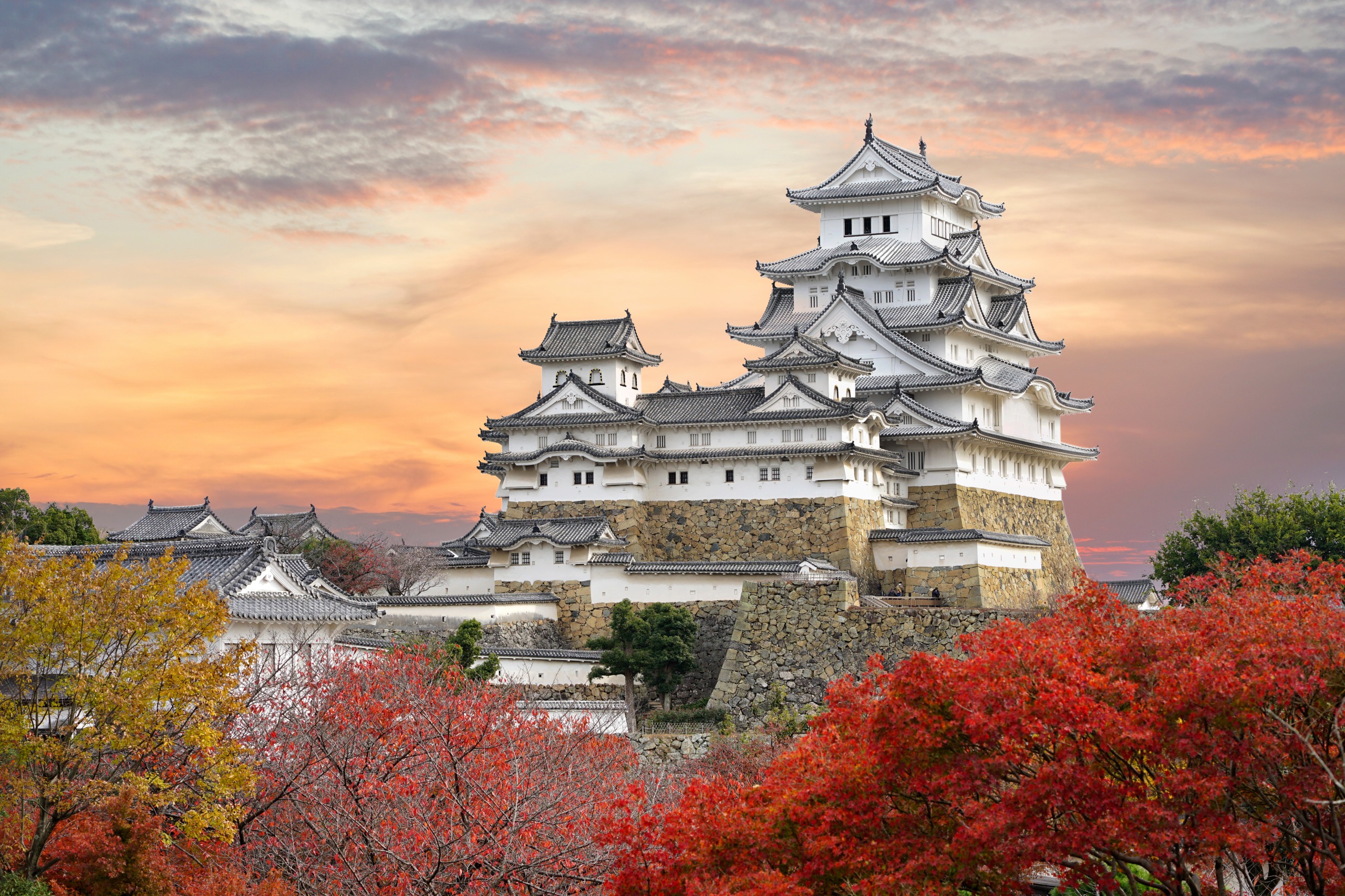
Le Château de Himeji
Surnommé le château du héron blanc, Himeji-jo est le château féodal le mieux préservé du Japon. Patrimoine UNESCO à 30 minutes d'Osaka en shinkansen.
Want to discover this destination?
Our local advisors design your tailor-made trip.