Matsumoto
Matsumoto
A castle town nestled at the foot of the Japanese Alps, Matsumoto captivates visitors with its striking black donjon, charming traditional streets, and 14 thermal stations. A complete guide.
Cradled in a fertile valley by the Japanese Alps, the city of Matsumoto enchants travelers with its breathtaking panoramic views and iconic black castle. On the ground, hikers readily embrace adventure, while less ambitious tourists find their pleasure in traditional streets, museums, and culinary hotspots. As day winds down, everyone gathers in the onsens to rejuvenate themselves in the authentic atmosphere of Japanese culture.
History
Matsumoto is a castle town whose history stretches back over 400 years. With the convergence of trade routes at the heart of Nagano Prefecture, commerce and cultural exchange have long animated local life. Since the Meiji era, culture and education have remained central to residents' priorities. The arts—particularly music—have nurtured legendary talents, including classical music icons Shin'ichi Suzuki (violinist) and Seiji Ozawa (conductor). The Matsumoto Castle, among other landmarks, hosts numerous cultural events throughout the year.
Discovering Matsumoto
Matsumoto's scenic beauty is captivating, with the crown of the Japanese Alps as a stunning backdrop and rows of cherry trees reflecting in the lake at the foot of its castle. The Utsukushigahara Plateau and Kamikochi offer countless trails for hikers. But before setting out on mountain adventures, discover local traditions, landmarks, culinary specialties, and the unmissable hot springs around Matsumoto.
Matsumoto Castle: The City's Iconic Symbol
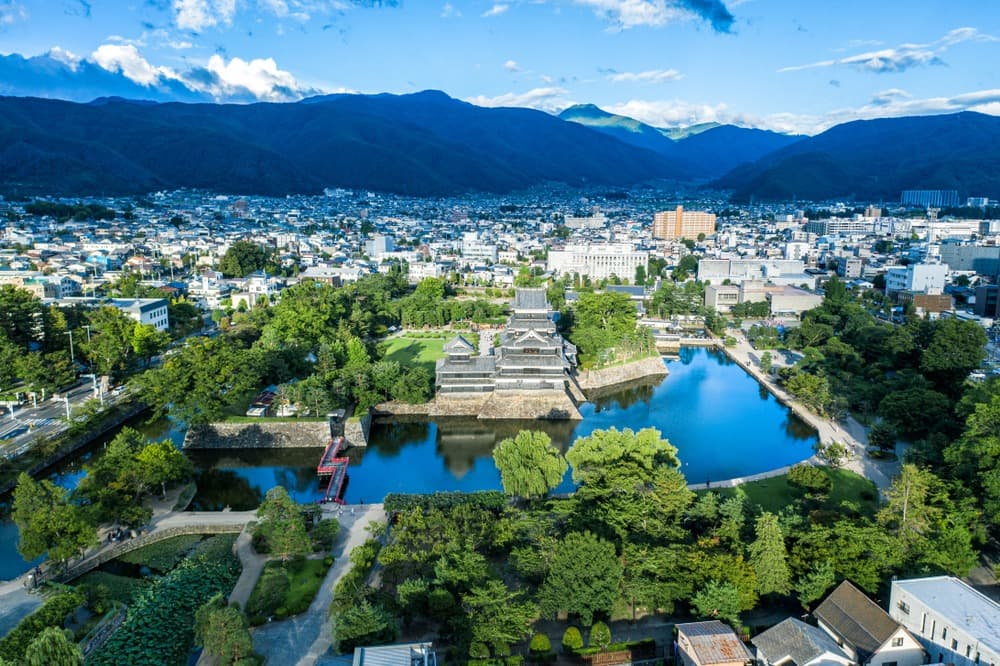
The origins of Matsumoto Castle date back to the Sengoku period. Alongside Himeji-jo, Hikone-jo, and Inuyama-jo, it ranks among Japan's cultural heritage sites. This monument, nicknamed "the Crow" for its striking black exterior, comprises six stories and has preserved its original wooden donjon. Its main tower, from which you'll enjoy sweeping views of the city and the Northern Alps, has been designated a national treasure. Various events are held around the castle throughout the year: the Taiko Festival in July, Takigi Noh performances in August, the autumn moon-viewing festival in September, and more.
Where Traditional and Contemporary Art Converge
Matsumoto possesses remarkable cultural vitality. On display at the Japanese Prints Museum, the world's most significant private collection of Ukiyo-e works brings together original pieces, vintage prints, and contemporary engravings collected by the Sakai family since 1982. In the Municipal Art Museum, you'll encounter a monumental outdoor installation by celebrated avant-garde artist Yayoi Kusama, a native of Matsumoto. The work, titled "Maborashi no Hana" (Flower of Illusion), exemplifies the artist's distinctive contemporary style. Finally, visit the Matsumoto Performing Arts Center, which hosts opera performances, the Daidogei Matsuri, and the Saito Kinen Festival dedicated to classical music in August-September.
Unwind in Matsumoto's Hot Springs and Ryokans
Beyond their proven health benefits, onsens rank among the essential experiences in Japan, connecting visitors with the nation's cultural spirit. Matsumoto boasts no fewer than 14 thermal stations scattered throughout the city and surrounding valleys. Treat yourself to a revitalizing soak in the Asama thermal centers, Yokata, or Utsukushigahara in the city center—or venture to the basins nestled in the Norikura mountains or Kamikochi. Traditional ryokans combine lodging with onsen access. After a warming bath, slip into a yukata and stroll these charming inns.
Conquer the Japanese Alps
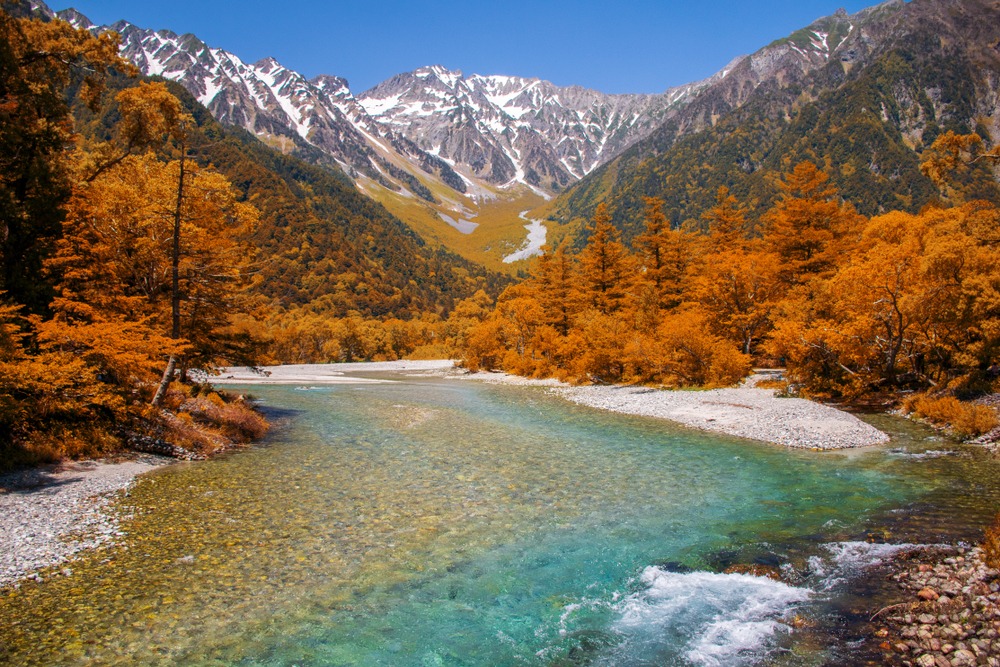
Pack your hiking boots—thrilling adventures await around Matsumoto! Less than an hour's drive away, the Kamikochi Valley serves as an excellent base for revitalization. Designated a UNESCO World Heritage Site, the area is accessible only by specialized shuttle buses. Private vehicles are prohibited to preserve the site's authenticity and pristine landscapes.
East of Matsumoto, the expansive Utsukushigahara Plateau rises to approximately 2,000 meters. Once upon a time, the Utsukushi Tower guided lost hikers with its bell's sound. It's highly recommended for biodiversity enthusiasts. The Norikura Plateau, by contrast, appeals to sports enthusiasts. In winter, the Mount Norikura ski resort offers cross-country skiing, snowboarding, sledding, snowshoe hiking, and more.
Weather in Matsumoto
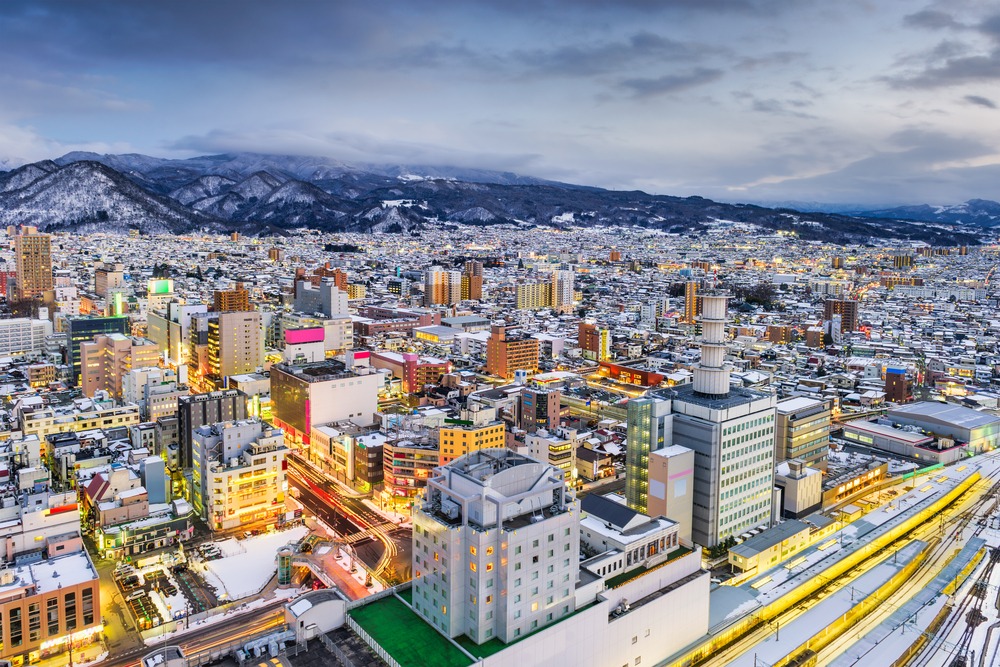
Winters are long in Matsumoto. Snow begins falling in November and continues through April. While awaiting ski resort openings in December, enjoy the pleasure of a warm bath in the mountains or hike the snowy trails nearby. In the Japanese Alps, snow persists at least until June, allowing you to admire pristine summits from afar while spring vegetation renews in the city below.
In summer, Matsumoto's mountainous geography shields it from the stifling heat common to most Japanese regions. This is the ideal season for outdoor activities: hiking, cycling, paragliding, rafting, and more. The rainy season typically begins mid-June and lasts roughly a month. Typhoons occasionally appear between late August and early October. Fortunately, surrounding mountains mitigate severe storms.
Toward the end of September, vibrant scarlet autumn foliage transforms the Kamikochi region and Norikura Plateau. Matsumoto ranks among Japan's finest destinations for fall foliage viewing.
From Chubu Centrair International Airport, the train journey to Matsumoto takes three hours via the Meitetsu line and JR trains. Taking the JR Shinano from Nagoya, you'll arrive in the city within two hours. If departing from Tokyo, Kyoto, or Osaka, board the JR Tokaido Shinkansen toward Nagoya, then take the JR Shinano to Matsumoto.
Most major attractions in Matsumoto are within walking distance of one another. For outlying sites, the Town Sneaker Bus operates directly across from the station, departing every 30 minutes on a loop through local tourist attractions. For another convenient option, bicycles are available free of charge from 8:30 AM to 5 PM at Matsumoto City Museum, near the castle.
What to Do in Matsumoto
- A leisurely stroll along the Metoba-gawa River that runs through the city
- A visit to Matsumoto Castle
- Discovering the work of artists native to the region at the Matsumoto Art Museum
- Exploring the Kamikochi Valley
- A wellness retreat in a traditional onsen, and more
Attractions in Matsumoto
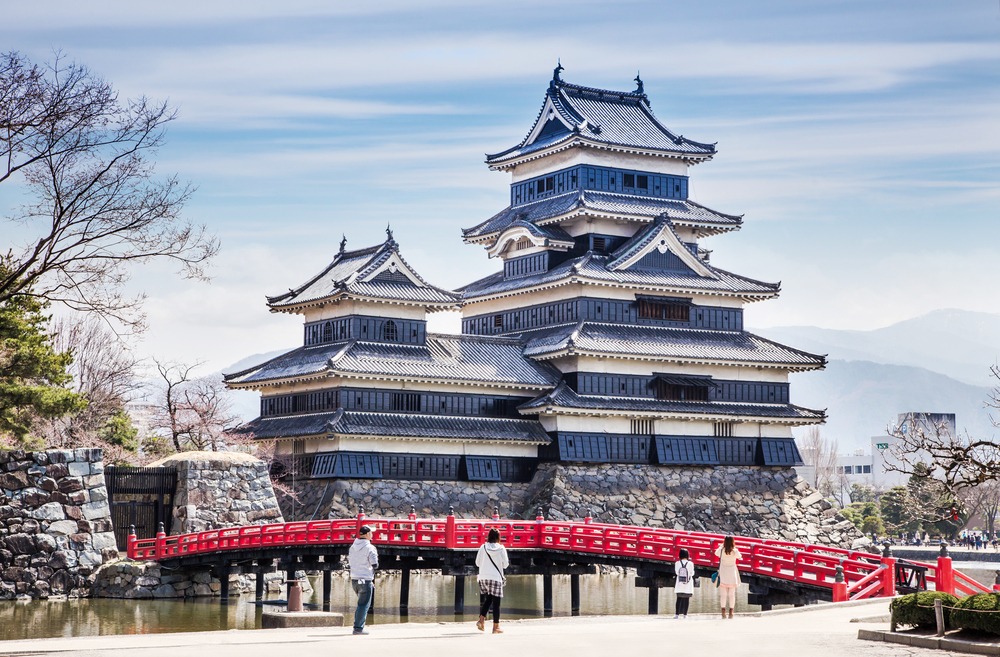
Le château de Matsumoto (Le Corbeau noir)
Surnommé le Corbeau noir, le château de Matsumoto est l'un des rares donjons en bois d'origine du Japon, classé trésor national depuis 1936.
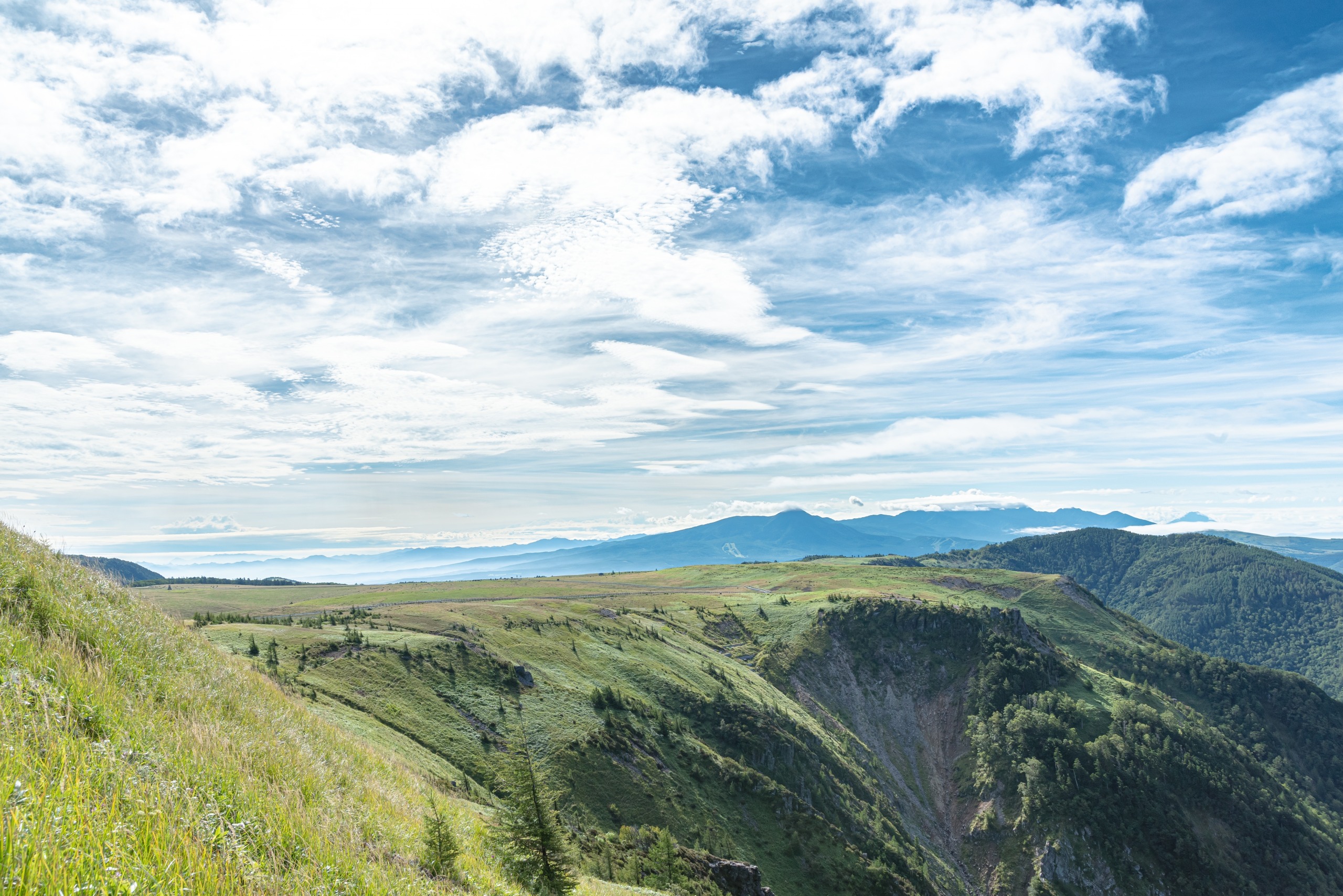
Le Plateau d'Utsukushigahara
À 2 000 m d'altitude près de Matsumoto, le plateau d'Utsukushigahara offre un panorama à 360° sur les Alpes japonaises, des sentiers fleuris et un musée d'art en plein air.
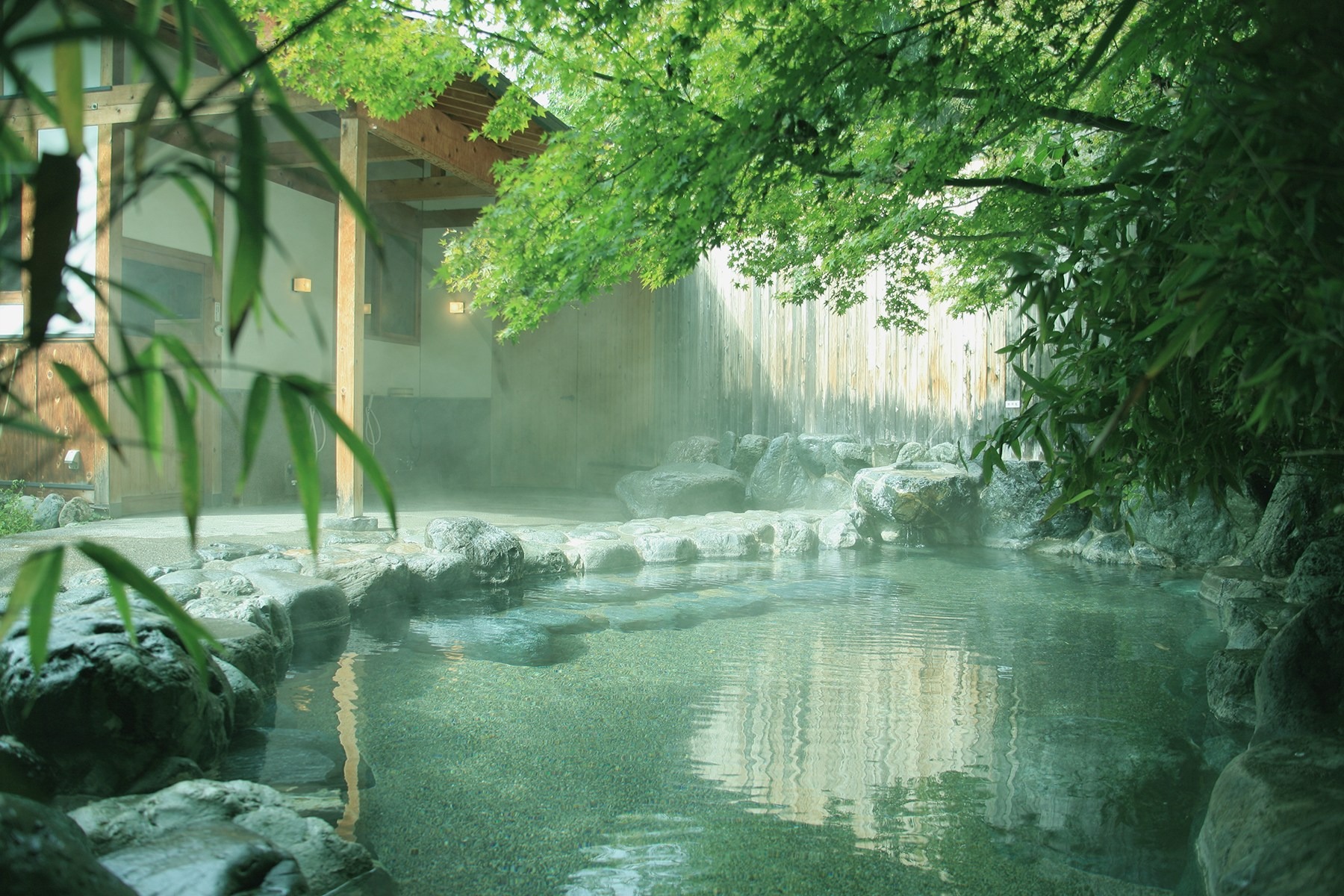
Les sources chaudes d'Asama
À Matsumoto, les sources chaudes d'Asama coulent depuis plus de 1 300 ans. Quartier thermal traditionnel au pied des Alpes japonaises, à découvrir toute l'année.
Want to discover this destination?
Our local advisors design your tailor-made trip.