Nara
Nara
A former imperial capital, Nara is home to 8 UNESCO sites, 1,200 sacred deer, and the world's largest wooden temple. Complete guide to visiting the city.
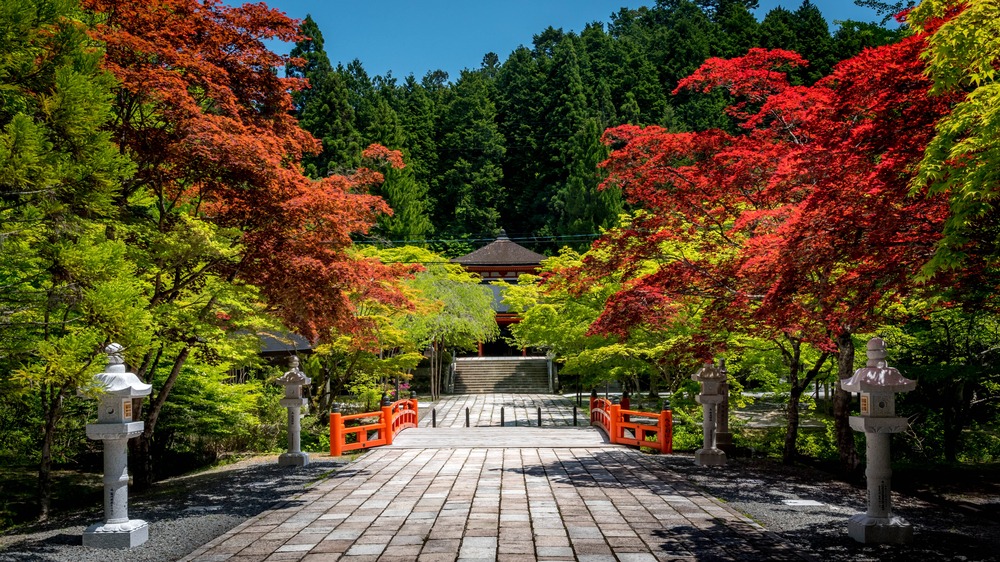
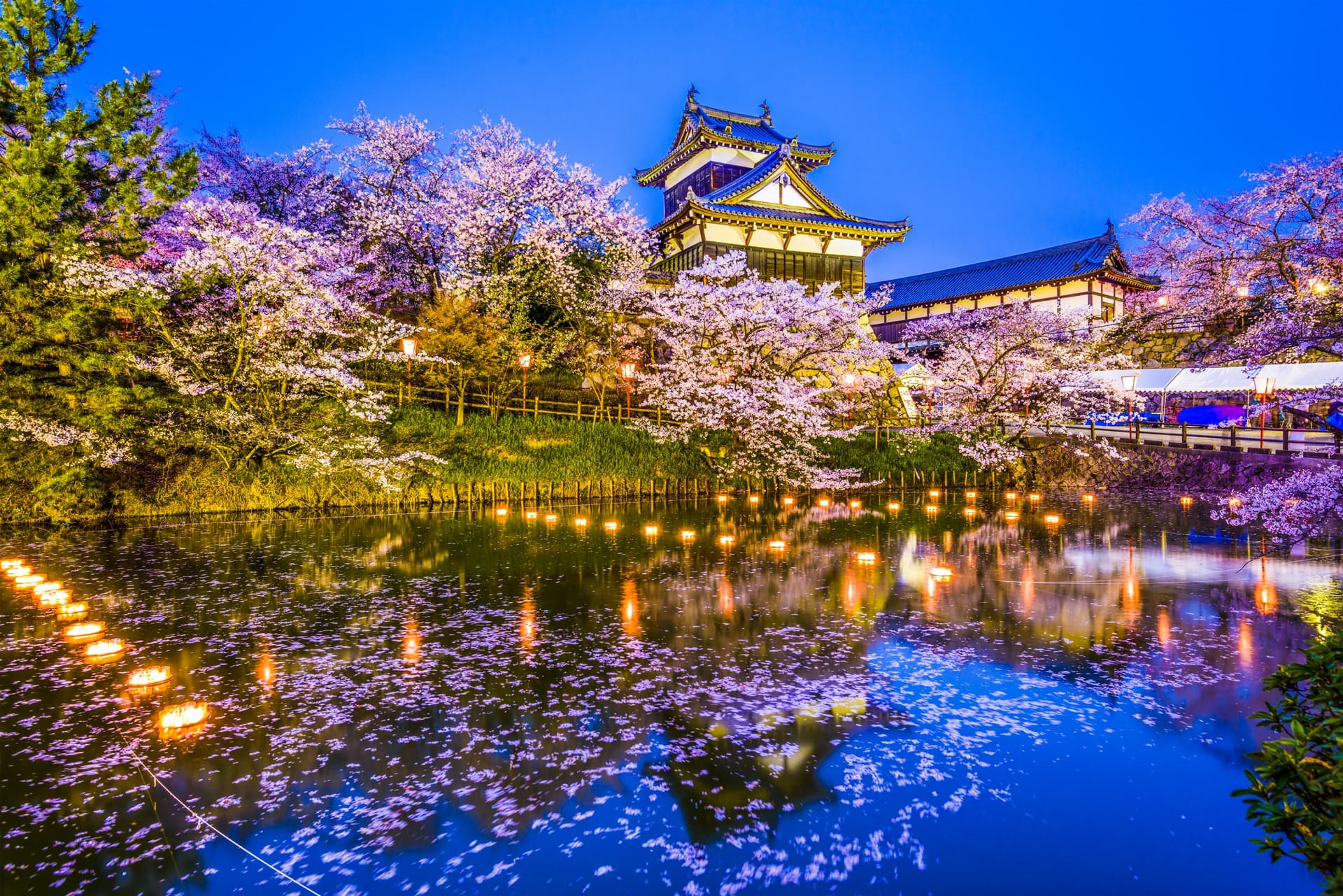
Nara is located around forty kilometers from Kyoto, in the Kansai region. A former imperial capital of Japon, the city boasts a rich heritage that bears witness to its glorious past. While it captivates visitors with its historic sites, temples, and expansive green spaces, this destination is equally renowned for its numerous deer, roaming in complete freedom. The city offers a serene atmosphere where history and nature blend harmoniously, creating an environment conducive to peace and contemplation.
History
From 710 to 794, during the period known as Heijo-kyo, Empress Gimmei designated Nara as the first capital of Japon. Buddhism and the Chinese capital Chang'an of the Tang Dynasty influenced the city's development. The city was equipped with numerous infrastructure and cultural assets that have been preserved to this day. Several buildings in the city are part of Japon's National Treasures. Eight sites are listed as UNESCO World Heritage.
In 794, Nara ceded its status as the seat of imperial power to Heian-kyo (Kyoto) at the instigation of Emperor Kammu, which caused it to lose prominence. The domain of the Heijo-kyo Palace then became a field, except for the eastern part occupied by temples and shrines.
Today, Nara is known for its historic and religious monuments, many of which are scattered around the station and accessible on foot.
What to do in Nara?
Among the must-sees are:
Nara Park and its deer
Nara Park is the most visited tourist attraction in the city. This green space of over 500 hectares is especially famous for its shika deer, numbering more than 1,200. These cervids are considered divine messengers in Shinto tradition. They roam freely throughout the park.
The shika deer in Nara Park are surprisingly friendly, but can also be a bit insistent if they want shika senbei, biscuits specially designed for them. You can purchase these in shops on-site and enjoy the amusing experience of feeding these sacred animals.
Todaiji Temple
Like the shika deer, Todai-ji Temple is a major attraction within Nara Park. It is a true masterpiece of Japanese architecture.
The wonder begins at the entrance to the site, where you'll be greeted by a large wooden gate 8.4 meters high, the Nandai-mon. You'll then be struck by the main pavilion, the Daibutsu-den, the largest wooden structure in the world. Moreover, inside it, you'll see a 15-meter-high bronze Buddha statue, the Daibutsu.
The sense of serenity emanating from Todai-ji Temple is unique in its kind. As you walk through its vast gardens and sacred pavilions, you'll likely feel a profound connection with Japon's history and spirituality. It's a breathtaking place that shouldn't be missed during your visit to Nara.
Kasuga Taisha Shrine
Within Nara Park lies Kasuga Taisha Shrine, which impresses with its thousands of stone and bronze lanterns. You'll discover them as you stroll through the grounds. These lanterns, often donated by the faithful, create a mystical atmosphere, especially during festivals when they are all lit.
Kasuga Taisha is a sacred site dedicated to several deities, including Takemikazuchi, the god of thunder. Its foundation dates back to 768, and the entire complex is inscribed on the UNESCO World Heritage list.
Nara National Museum
With its impressive collection of Buddhist statues, the Nara National Museum will surely delight Buddhist art enthusiasts. It allows for a fascinating exploration of Japon's religious and artistic history. Additionally, you'll discover exhibitions featuring calligraphy scrolls and samurai armor. The museum's architecture, with its buildings connected by an underground passage, is also among its attractions.
Naramachi
Naramachi is an old traditional merchant quarter of Nara, located south of Kofuku-ji Temple (another tourist site in the city, currently undergoing renovation). It's the ideal place to discover contemporary craftsmanship of the region and purchase souvenirs. The quarter is compact and easy to explore on foot.
The Former Imperial Palace of Japon
The former imperial palace from when Nara was the capital of Japon is located in the northwestern part of the city, away from other attractions. However, it may be worth the detour. This immense site, inscribed on the UNESCO World Heritage list, fascinates with its replicas of imperial buildings, notably the Suzaku Gate and the Throne Hall.
Surroundings of Nara
The areas around Nara also hide attractions that may interest the curious. A 45-minute train ride from the city is Horyuji Temple, the oldest temple in Japon and the world's oldest wooden structure. This UNESCO World Heritage monument was founded in 607. The roughly forty buildings on the site are in excellent condition, much to the delight of architecture enthusiasts.
West of Nara, the Nishinokyo complex groups together temples from the 8th century. On the outskirts of the city, the Asuka village invites you to trace the country's history, passing through the archaeological institute, the Ishibutai megalithic tomb, and the mountain temples Hasedera and Muroji.
Practical Information
When to visit Nara?
The best time to visit Nara is between April and May. The months of September and October are also favorable for tourism. Avoid the period between June and August, as this is the rainy season.
From Kyoto
The JR Rapid train connects Kyoto to Nara. The journey takes 45 minutes.
You can also reach Nara by taking the Kintetsu train. With this option, it will only take 35 minutes to reach Kintetsu Nara Station.
From Osaka
The JR Yamatoji Rapid train serves JR Nara Station from Osaka, with a travel time of 50 minutes.
Sites located around Nara Park can be traversed on foot. The classic circuit, which extends over 6 km, starts from Kintetsu Nara Station. You'll pass successively through Kofuku-ji Temple, the National Museum, Todaiji Temple, and Kasuga Shrine, then return to the station. Buses serve these sites if you don't feel like walking. Taxis are also available.
How long to visit Nara?
For a visit to the main attractions of Nara, one day is sufficient. However, if you wish to include the surrounding areas, you should spend a night there.
Attractions in Nara
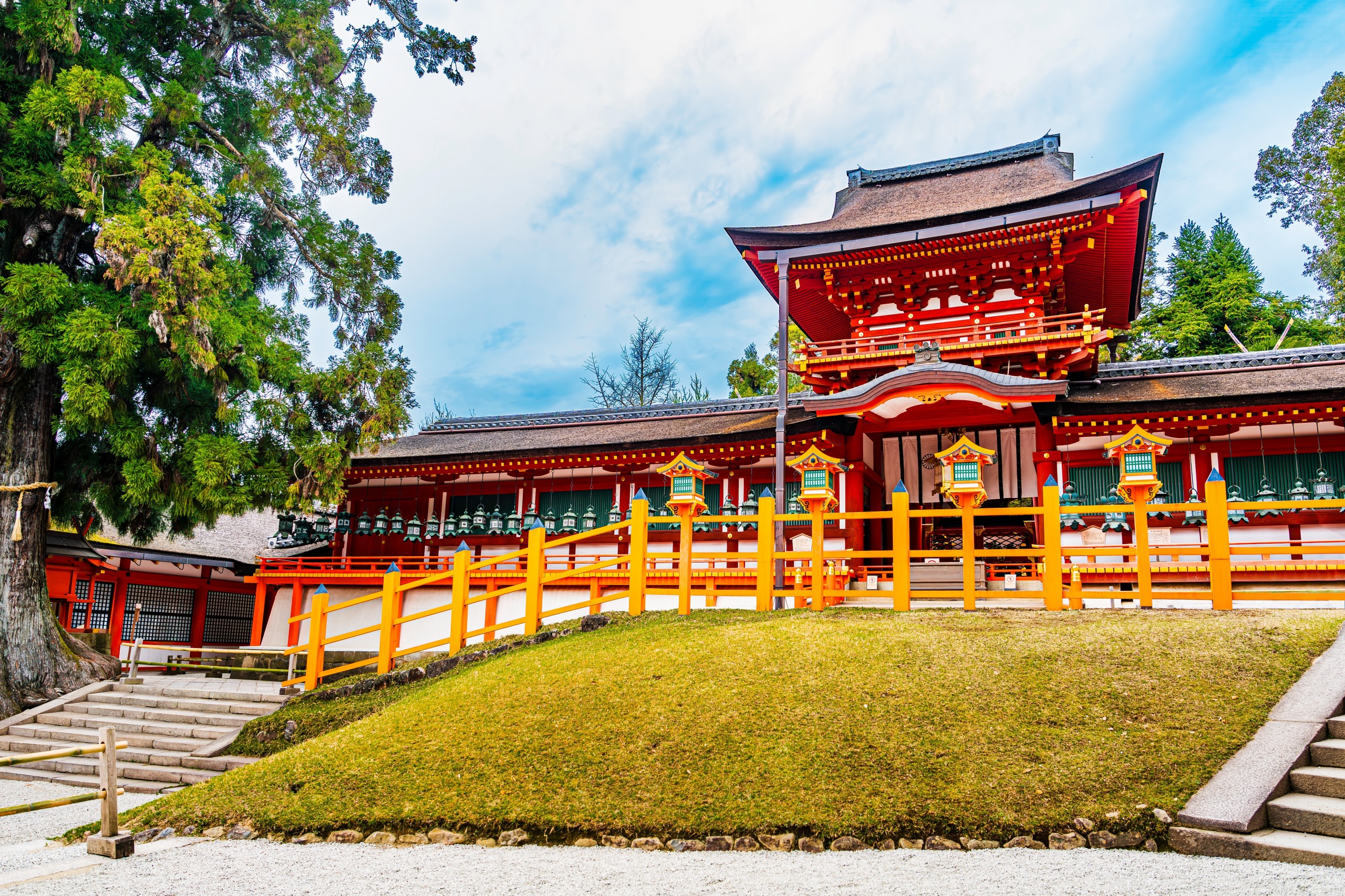
Kasuga Taisha Nara
Sur le flanc du mont Mikasa à Nara, le Kasuga Taisha aligne pavillons vermillons et 3 000 lanternes au cœur d'une forêt sacrée classée à l'Unesco.
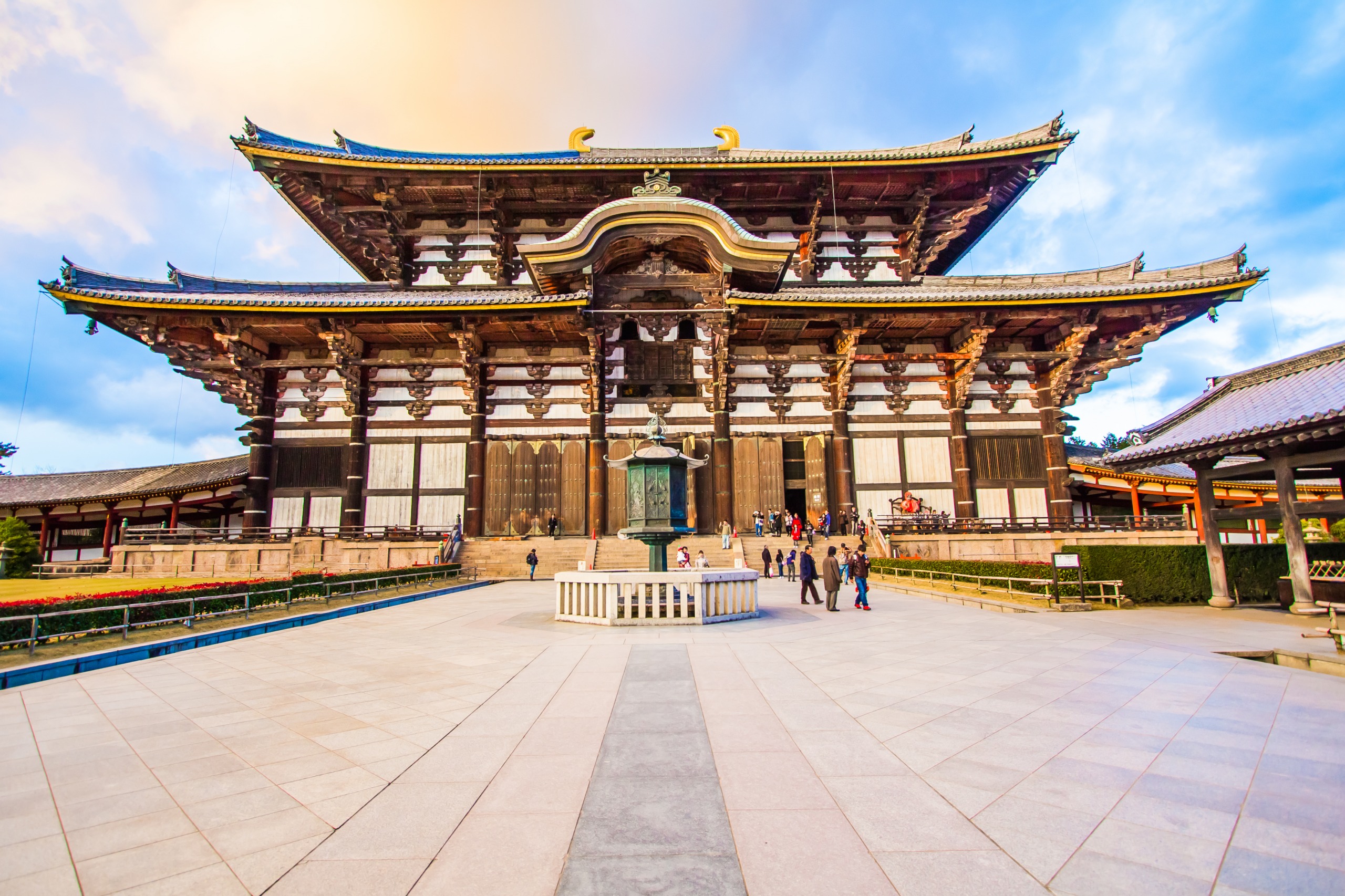
Le temple Tōdai
Classé à l'UNESCO, le Tōdai-ji de Nara abrite le Daibutsu-den, plus grande construction en bois au monde, et une statue monumentale du Bouddha Vairocana en bronze.
Want to discover this destination?
Our local advisors design your tailor-made trip.