Tono
Tono
Tono, a bucolic town in Tohoku, is home to kappas, shrines and folk villages. Your guide to exploring the cradle of Tono Monogatari.
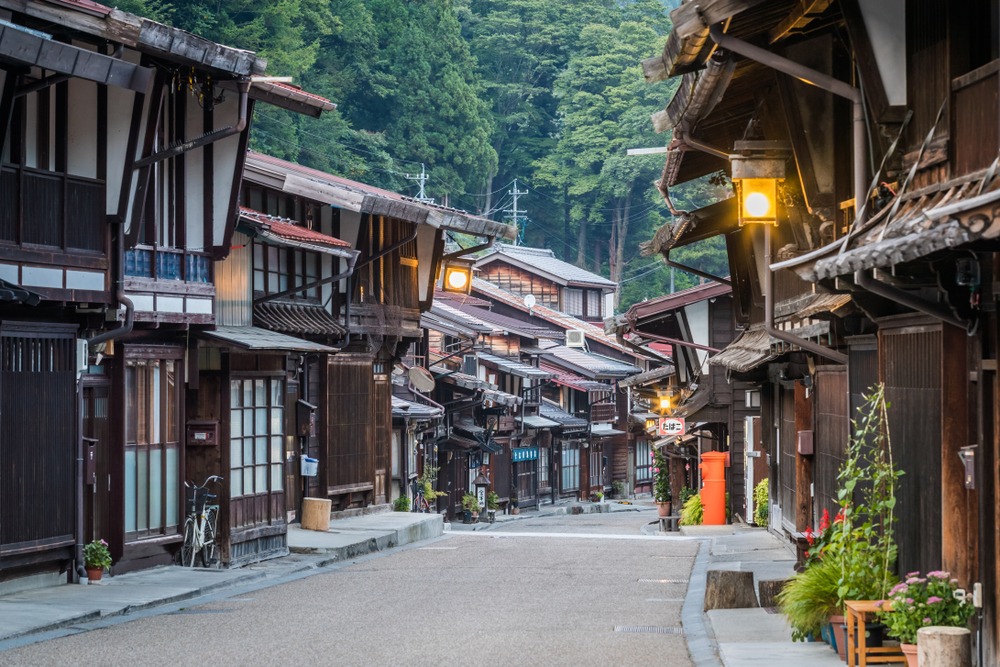
Tono is a picturesque town nestled in the heart of the mountains of Iwate Prefecture. Surrounded by streams and forests, its thatched-roof farmhouses punctuate its rustic landscape. It is also a repository of Japanese folklore, renowned for its legends of supernatural creatures such as the kappa. Kunio Yanagita documents this rich oral tradition in his celebrated work "Tono Monogatari."
History
Tono sits in a basin located roughly forty kilometres west of the Pacific Ocean. Though its history stretches back to the Jomon period, the modern city was officially founded in 1954. Long before that, in 1910, the town was already hailed as the home of folklore, with the publication of a collection of Japanese tales entitled "Tono Monogatari" by Yanagita Kunio. He visited the region at the dawn of the Meiji era. With the help of Japanese folklorist Sasaki Kizen, who was born in Tono, he gathered local stories to compile one of Japan's earliest collections of legends. These narratives continue to be told today through storytelling performances in folk villages, museums and some of Tono's hotels.
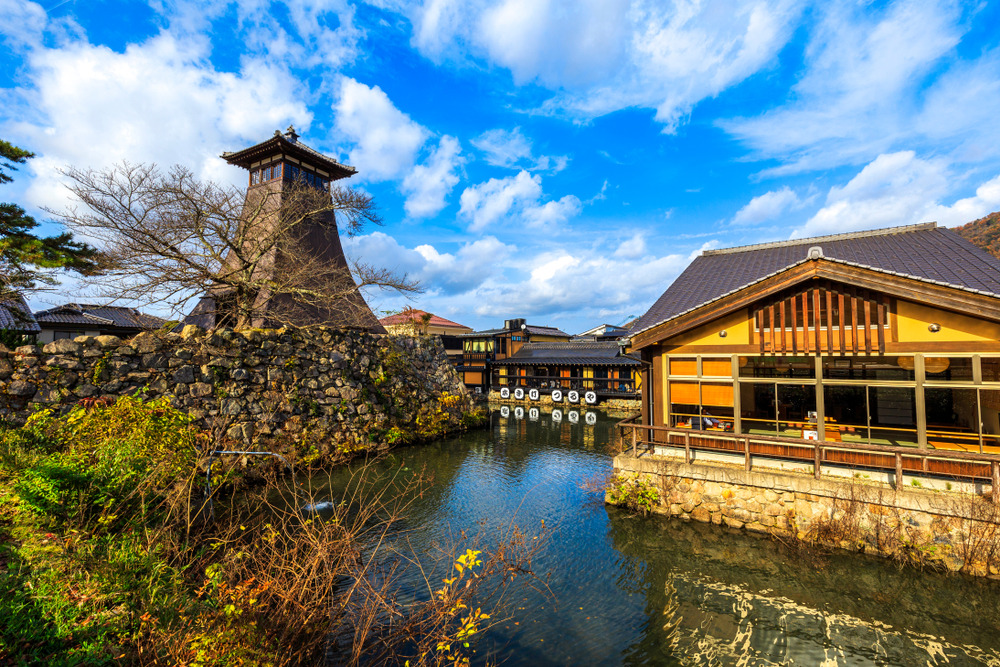
Tono was once a castle town and an inland waypoint for travellers. The city escaped the excessive changes brought about by the country's rapid growth, and thus succeeded in preserving its precious heritage.
Today
Tono differs from Japon's sophisticated metropolises such as Tokyo or Osaka. It is a place steeped in simplicity, a rural town rooted in traditional agricultural culture in the hills of Iwate Prefecture. Beyond its rustic landscapes, its cultural heritage, and particularly its tales, make it a repository of authentic Japanese folklore.
Tono is known as the refuge of kappas. Local legends describe these creatures as small humanoid turtles with red faces. These mischievous beings, said to reside in the Kappabuchi Basin, are believed to be behind many unexplained accidents. Due to their significance in tradition, kappas have become the town's official mascots. You will find kappa representations throughout Tono, such as the statues erected in front of the station.
About 10 minutes from the station, the Unedori Shrine, dedicated to the god of marriage, is among Tono's main attractions. It is a collection of small structures nestled among towering trees from which red fabric threads hang. According to belief, if you tie a piece of red fabric to a tree using only your left hand, your wish will be granted. The Tono Tanabata Festival takes place here in August and September. It is an opportunity to discover local culture and participate in various activities such as horseback archery. During the Tono Folk Tales Festival in February, local storytellers recount the famous stories from Tono Monogatari.
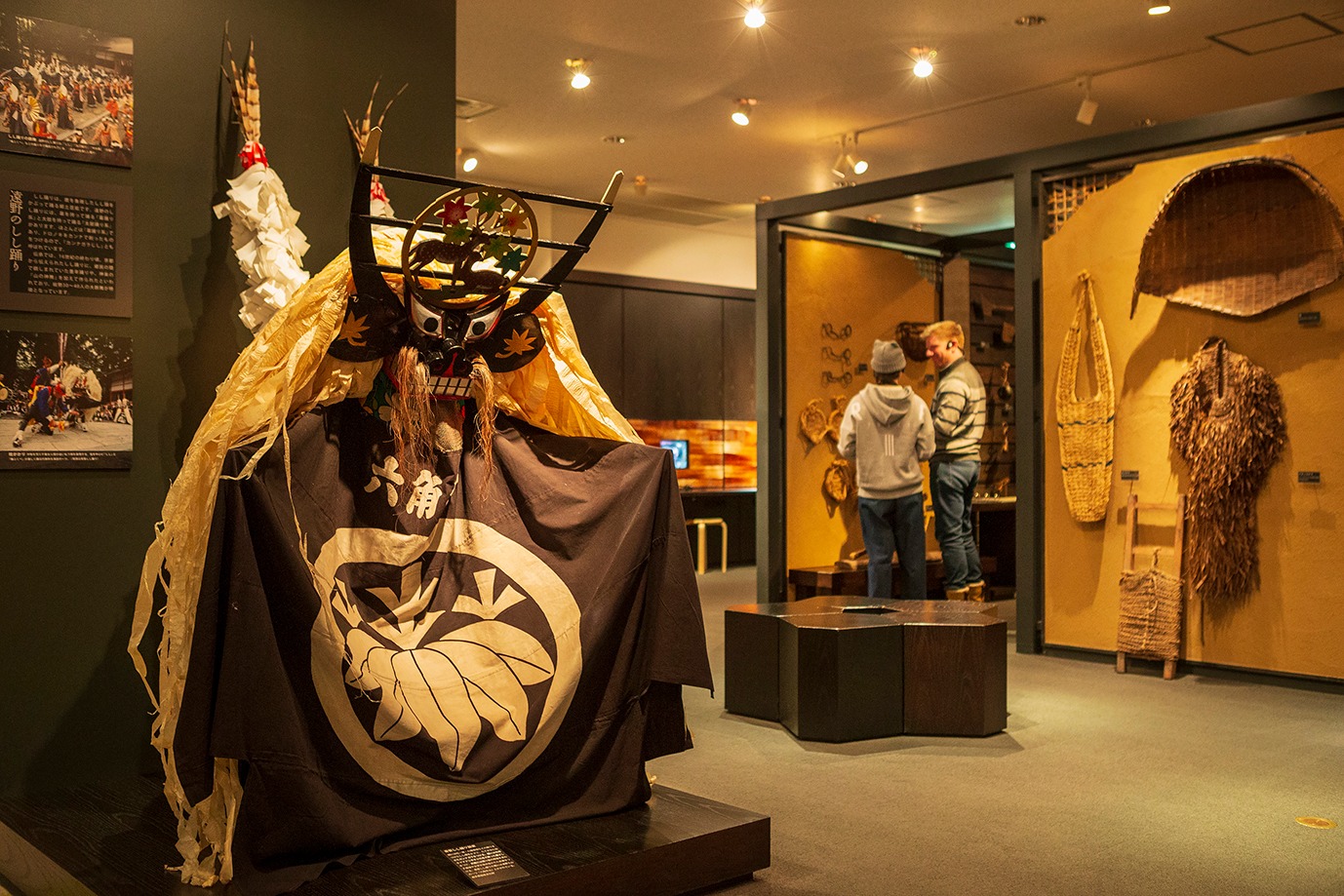
In downtown Tono, you have access to museums focused on local folklore. The Tono Municipal Museum recreates through its exhibitions the popular culture and works of Yanagita Kunio. Do not miss the video dedicated to kappas. The Tono Jokamachi Museum, meanwhile, documents Tono as a former castle town of the Nambu clan. You will find collections of weapons and everyday objects from the Edo period.
North of downtown Tono, the folk village Furusato Mura is also worth visiting. The site was chosen to revive traditional agriculture. Here, you have the opportunity to participate in various activities such as straw crafts or bamboo product making. Another folk village to visit, Takamuro Suikoen Park houses its traditional farmhouse and agricultural buildings around a large pond open for fishing. Nearby you will find a public thermal bath.
About an hour by train from Tono, enjoy the hot springs of Hanamaki Onsen-kyo, renowned for their superior water quality. After a soak in a "rotenburo," treat yourself to some culinary delights. Taste hakkiton pork, which owes its sweet and balanced flavour to the local mineral waters.
As a souvenir of your trip to Tono, take home a local craft product, such as a kitchen utensil from traditional Nambu Tekki ironwork. Don't miss Akegarasu candy either.
Climate
Tono has a cold temperate climate of the Cfa type according to the Köppen–Geiger classification. The city receives abundant precipitation; the annual average reaches 1,388 mm. Throughout the year, the average temperature stands at 10°C.
The JR Kamaishi Line, which connects the city of Kamaishi to Hanamaki, passes through Tono. From Tokyo, the JR Tohoku Shinkansen takes you to Shin-Hanamaki Station in three hours. Once at this station, board the train to Tono. The journey between Hanamaki and Tono takes approximately one hour.
Museums and the station are accessible on foot from downtown Tono. To reach attractions on the city's outskirts, such as Furusato Mura village, you will need to use local transportation. Buses serve most tourist sites, though services are limited. Renting a bicycle proves to be a practical and economical solution for exploring the Tono region. Rental points are available right across from the station. Alternatively, you can rent a car near Kitakami Station, about an hour from Tono via the Kamaishi Expressway.
What to Do in Tono?
- Appreciate the legends of Tono Monogatari at the Tono Municipal Museum
- Receive blessings at Unedori Shrine
- Discover traditional agricultural culture at Furusato Mura folk village
- Enjoy a thermal bath near Takamuro Suikoen Park
- Attend the Tono Folk Tales Festival in February, and more
Want to discover this destination?
Our local advisors design your tailor-made trip.