Nanzen Temple
Nanzen Temple
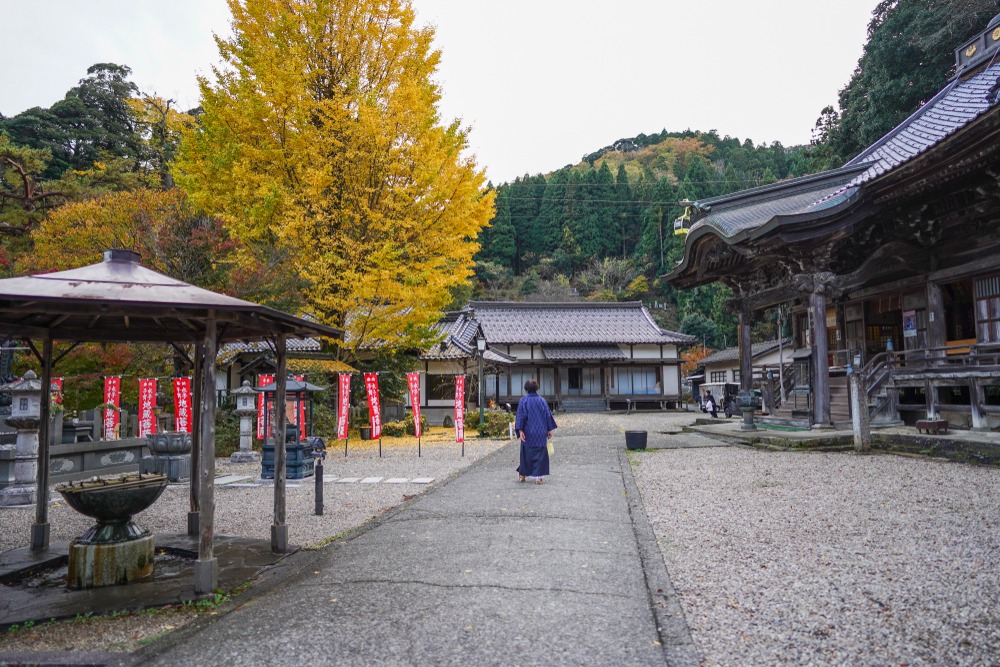
At the foot of the Higashiyama hills, Nanzen-ji ranks among Kyoto's five great Zen temples. The Sanmon gate, dry garden, and red aqueduct stand as its architectural masterpieces.
Nanzen-ji, whose name literally means "Southern Zen temple," is a Buddhist complex nestled at the foot of the Higashiyama hills in the northeastern part of Kyoto. The ensemble comprises a main building, twelve subsidiary structures, and several gardens. It ranks among the five great Zen temples of the former imperial capital.
Why Visit Nanzen-ji
Nanzen-ji brings together in a single location several attractions rarely found together: a monumental 22-meter-high gate whose upper balcony opens onto the city, a red-brick aqueduct from the 19th century that runs through the complex, a dry garden, and a forest setting extended by a path leading toward the heights. The site attracts fewer visitors than Kinkaku-ji or Fushimi Inari, making it a more tranquil destination in eastern Kyoto. Its historical standing among the city's great Zen temples also makes it essential for understanding the Rinzai school in Japan.
Temple History
Originally, the site housed a villa built by Emperor Kameyama in 1264. The residence was converted into a Rinzai Zen temple in 1291, during the mid-Kamakura period (Shōō era). The complex experienced a turbulent history: three successive fires in 1393, 1447, and 1467 severely damaged the buildings, which were then destroyed during the Ōnin civil war, a decade-long conflict that devastated Kyoto.
Reconstruction began during the Edo period in 1597 and continued gradually into the early 17th century. Nanzen-ji then developed into a vast ensemble that has largely remained intact to the present day, supplemented in the 20th century by a few more recent structures.
What to See
The Sanmon Gate
Standing 22 meters high, the wooden Sanmon gate is the complex's most striking feature. An interior staircase leads to a second-story balcony, offering views of the complex, Kyoto's rooftops, and the wooded slopes of Higashiyama. Access to the balcony requires a separate entrance fee.
The Dai-Hōjō Pavilion and Its Dry Garden
The central Dai-Hōjō pavilion houses paintings on sliding screens and overlooks a Zen-inspired dry garden, composed of raked gravel and stones arranged against an earthen wall. Visiting the pavilion typically requires removing your shoes.
The Suirokaku Aqueduct
This red-brick aqueduct crosses the complex at eye level. It forms part of the Lake Biwa canal, commissioned in the late 19th century to supply Kyoto with water and electricity. Its Roman-inspired architecture, unusual in a Buddhist setting, makes it one of the site's most photographed features.
The Hattō and Subsidiary Temples
The Dharma Hall (Hattō), rebuilt in 1909, serves as a lecture hall. Beyond the aqueduct, a path leads to a small Shinto shrine and Daimon-ji temple, accessible on foot through the forest.
When to Visit
Nanzen-ji welcomes visitors year-round, though two seasons draw particular attention. In spring, early April, cherry blossoms frame the Sanmon gate and the complex's pathways. In autumn, from mid-November to early December, Japanese maples turn brilliant shades of red and orange, particularly striking around the aqueduct and subsidiary temples. Winter months, quieter still, offer a visit without crowds.
Practical Information
- The exterior complex is freely accessible; certain pavilions (Sanmon, Hōjō) require separate admission tickets at modest rates.
- Allow 1.5 to 2.5 hours for a comfortable tour of the main areas, longer if you extend your visit along the forest path.
- Opening hours vary by season, with earlier closing times in winter. Check current hours before your visit.
- Appropriate attire is required inside the pavilions.
How to Get There
From Kyoto JR Station, municipal bus No. 5 serves the Nanzenji Eikandō-michi stop in 30 to 40 minutes depending on traffic. The temple is then a few minutes' walk away.
By subway, take the Karasuma line, then transfer to the Tozai line at Karasuma-Oike station, and exit at Keage station. The complex is about a 10-minute walk from there.
Nearby Attractions
Nanzen-ji is part of a broader route through eastern Kyoto. The Philosopher's Path begins nearby and follows a canal lined with cherry trees to Ginkaku-ji, the Silver Pavilion. Further south, Maruyama Park and the Gion district round out a full day of exploration. To further explore Japan's great shrines, you can also reach Kibune north of Kyoto, or plan an excursion to Kasuga Taisha in Nara, Mount Kōya, or Himeji Castle.
Frequently Asked Questions
Frequently asked questions
Plan 1.5 to 2.5 hours to explore the main complex, the Sanmon gate, the Dai-Hōjō pavilion, and the aqueduct. Add about an hour if you walk the forest path to the Shinto shrine and Daimon-ji temple.
The exterior complex and aqueduct are freely accessible. Access to the Sanmon gate's balcony and the interior of the Hōjō pavilion requires a ticket at a modest rate, purchased on-site for each pavilion.
Spring (April, for cherry blossoms) and autumn (mid-November to early December, for Japanese maples) are the most photogenic periods. Winter is less crowded, with slightly earlier closing times in the late afternoon.
Yes. From Kyoto Station, bus No. 5 (Nanzenji Eikandō-michi stop) or the subway to Keage station allow you to reach the temple in 30 to 40 minutes.
Planning Your Trip
Nanzen-ji fits naturally into a cultural stay in Kyoto and the Kansai region. To build an itinerary combining Zen temples, imperial cities, and natural landscapes, explore our Japan tours.
Nearby

Interested in this visit?
We can include it in your personalised itinerary.