Japan's Railway Network: What Are the Prices and Options for Taking the Train?
You're about to take the train in Japan and wondering which tickets to buy? How do you reserve a seat on a Shinkansen high-speed train? Discover our complete guide to Japan's railway network – ticket prices, different classes, and how to navigate a station...
You're about to take the train in Japan and wondering which tickets to buy? How do you reserve a seat on a Shinkansen high-speed train? Discover our complete guide to Japan's railway network – ticket prices, the different classes, and how to navigate a station...
Which trains should you take to travel in Japan?
Japan Railways (JR) trains
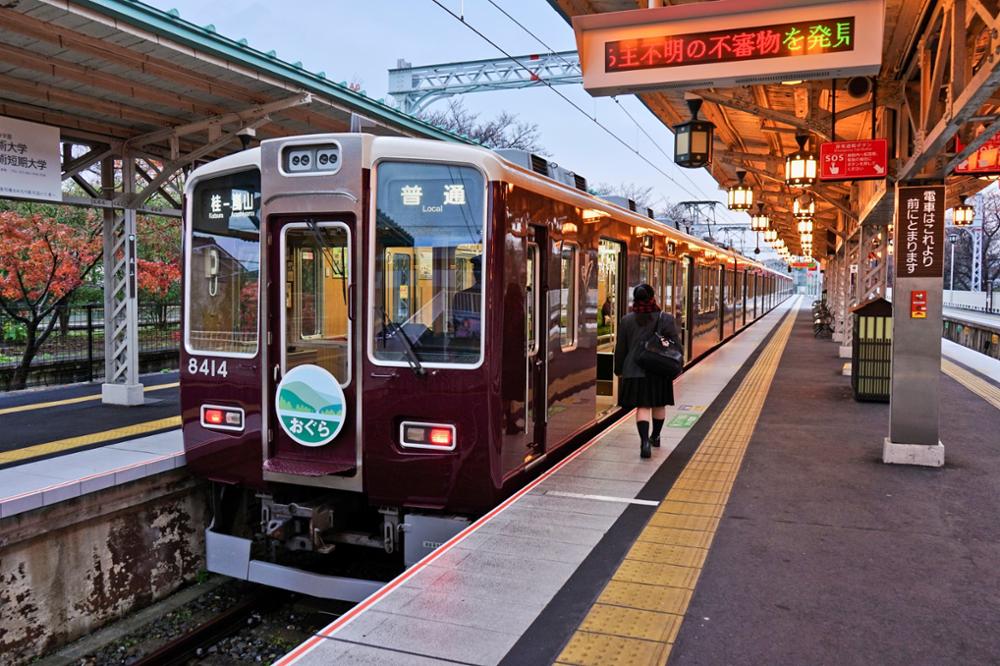
Regional trains
Japan Railways (JR) is operated by six private regional companies. It is therefore divided into several regional entities, which cover the entire territory of Japan:
● JR Hokkaido (Hokkaido region);
● JR East (Tohoku, Joshinetsu, and Kanto regions);
● JR Central (Chūbu region);
● JR West (Kansai region);
● JR Shikoku (Shikoku region);
● JR Kyushu (Kyushu region).
A regional pass is ideal for travelers who know their itinerary in advance and wish to explore specific territories.
High-speed trains (Shinkansen)
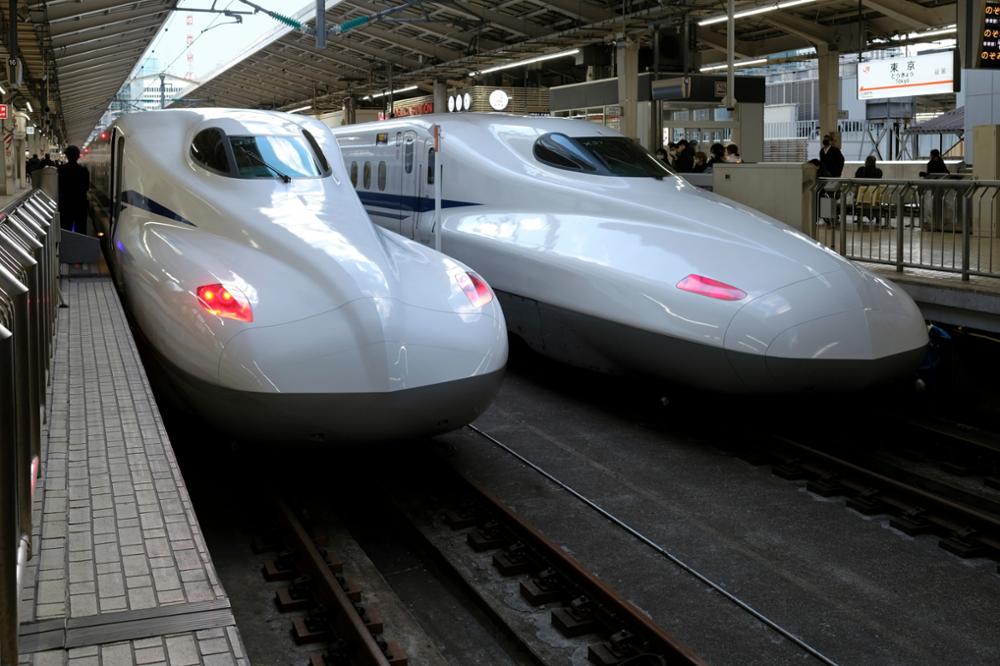
Japan Railways also operates the Shinkansen network (Japan's high-speed trains). These are the fastest trains in Japan, with a maximum speed of 320 km/h! This network comprises 9 Shinkansen lines:
Tōkaidō (from Tokyo to Shin-Osaka, passing through Nagoya and Kyoto);
Sanyō (from Shin-Osaka to Hakata, passing through Kobe and Hiroshima);
Tōhoku (from Tokyo to Shin-Aomori, passing through Sendai and Morioka);
Jōetsu (from Tokyo to Niigata);
Hokuriku (from Tokyo to Kanazawa);
Kyūshū (from Hakata to Kagoshima-Chuo);
Hokkaido (from Shin-Aomori to Shin-Hakodate Hokuto on the island of Hokkaido);
Yamagata (from Tohoku to Fukushima to Shinjo);
Akita Shinkansen (from Morioka to Akita).
To note: The JR Pass grants unlimited access to all Shinkansen trains, with the exception of the express Mizuho and Nozomi trains.
Trains operated by private Japanese railway companies
There are around a hundred private railway companies in Japan. These ensure connections between major cities and serve the main tourist sites in their respective regions. Among them:
Seibu Railway
Seibu Railway operates several lines – including one that connects Kokubunji Station (Tokyo) to Tamako Station (Saitama Prefecture); and another that provides access to the mountainous Chichibu area (from Ikebukuro Station in Tokyo).
Fujikyu Railways
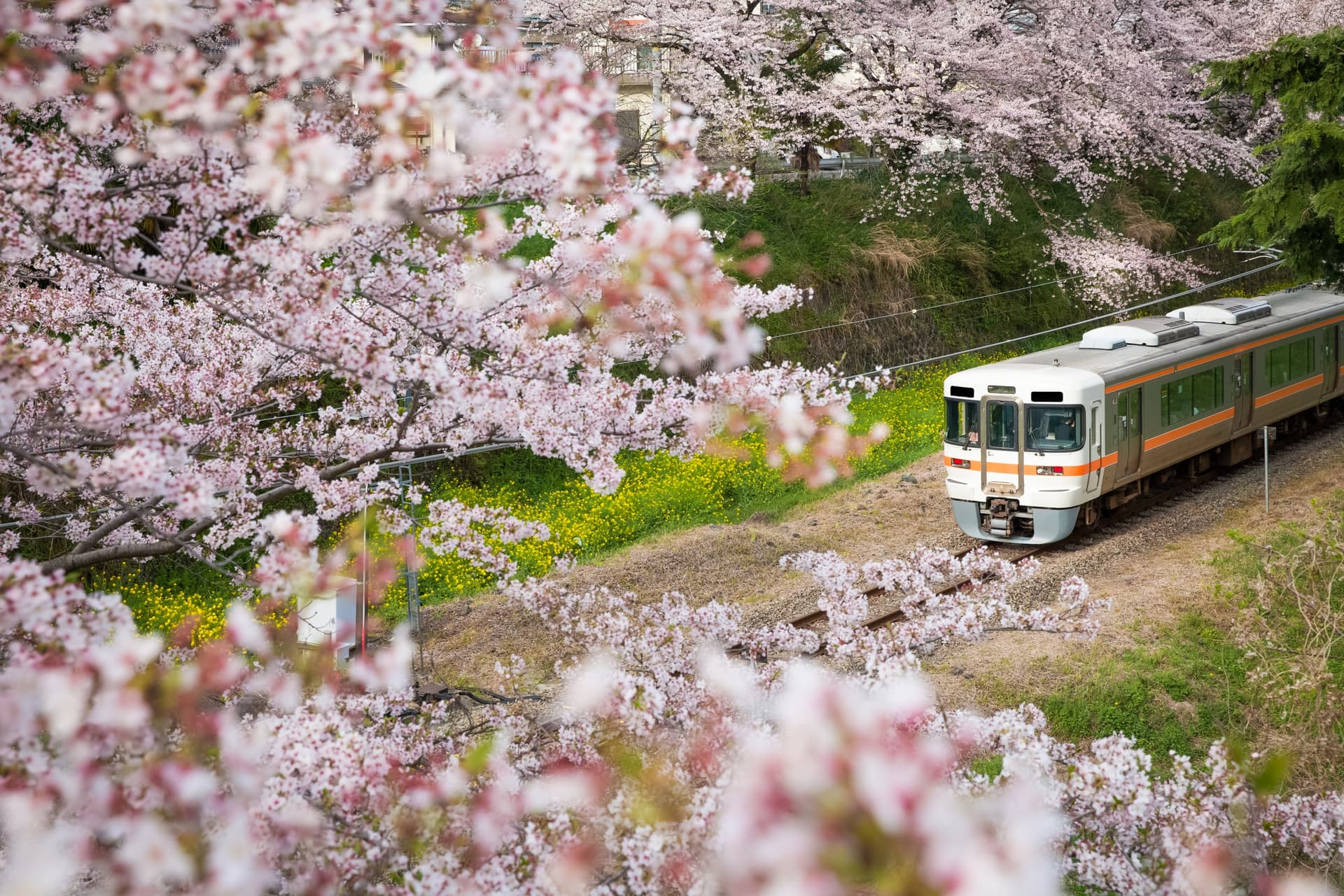
Fujikyu Railway is widely used, as it is the railway company closest to Mount Fuji. It also offers scenic train excursions to admire the famous Fujisan mountain. The last Japan Railways stop, before boarding this private network, is at Ōtsuki Station.
Tobu Railway
With over 460 km of track, Tobu Railway is the second-largest railway company in Japan. Its network extends across Tokyo and four prefectures: Chiba, Saitama, Tochigi, and Gunma.
The main network connects Asakusa Station (Tokyo) to the Isesaki line terminus (Gunma). This company is often used to reach the famous Tokyo Skytree (Japan's tallest tower, standing at 634 meters), as it is located just a 3-minute walk from the structure.
Odakyu Electric Railway
Odakyu Electric Railway connects Tokyo (Shinjuku Station) to Kanagawa Station. This company is renowned for serving major tourist destinations – including the mountainous areas of Hakone and Oyama, as well as the coastal city of Enoshima (located in Sagami Bay).
The company is particularly prized for its luxurious express Romancecar train, which allows you to admire stunning scenery (including exceptional views of Katase-Enoshima and the Pacific Ocean).
To note ● Private railway companies have their own websites. In addition to finding information related to routes (tickets, schedules, classes, etc.), you can also discover a guide that details the main attractions at each station served by their lines). Note that the JR Pass does not work on these lines, which, for some, resemble "scenic trains". ● In major cities (Osaka, Kyoto, Tokyo, etc.), private companies often have reserved spaces within stations. In smaller cities (Nikko, Nara, etc.), companies operate their own stations. |
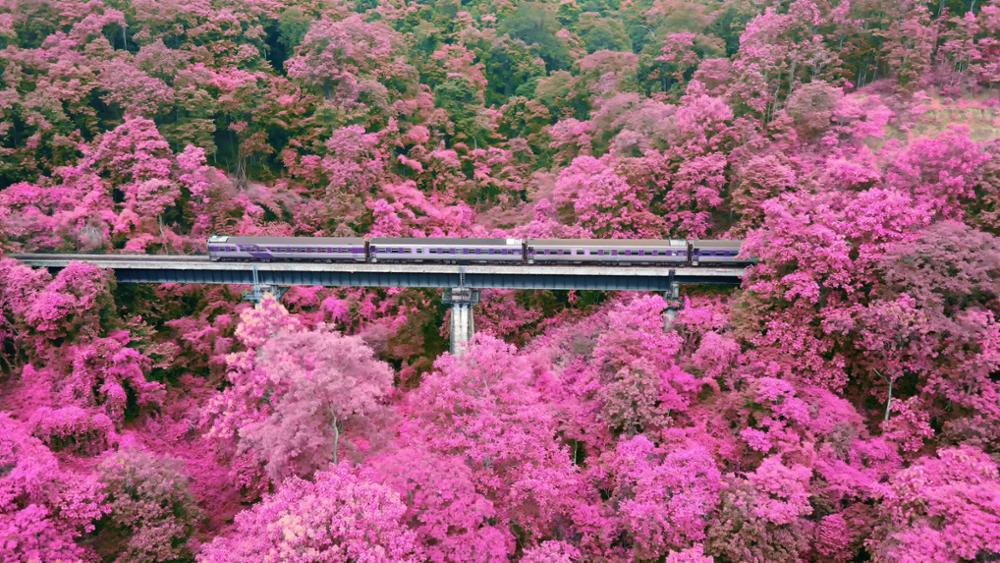
What are the prices for a train journey in Japan? (adult and child)
Standard ticket prices
Getting around in Japan can be more or less expensive. This depends on the routes and the type of train chosen. Indeed, medium-speed trains (Limited Express, Express, Rapid, or local – the slowest of all) are cheaper than high-speed trains.
Regional passes cost an average of one hundred euros, for a duration of 5 to 7 days. A train ticket price is also higher if you decide to reserve your seat. The price of this option varies depending on the booking period, and costs approximately 5 €.
Shinkansen high-speed train prices (with the JR Pass)
The Japan Rail Pass (reserved for tourists) allows you to travel on all trains in the national network, including Shinkansen high-speed trains and the Narita Express (N'EX – a railway line that connects Narita Airport to several stations in the Tokyo metropolitan area).
This pass can be valid for 7, 14, or 21 consecutive days, during which you can travel unlimited throughout the archipelago. This is a very interesting option if you wish to explore multiple regions. It is possible to purchase two types of tickets:
Standard tickets
● For 7 days: 324 €/adult; 160 €/child
● For 14 days: 519 €/adult; 259 €/child
● For 21 days: 638 €/adult; 320 €/child
Green Pass tickets (first class)
The Green Pass allows you to travel in greater comfort in carriages, thanks to more spacious and reclining seats, as well as additional services, such as footrests, complimentary snacks, magazines, and larger windows.
● For 7 days: 454 €/adult; 227 €/child
● For 14 days: 702 €/adult; 352 €/child
● For 21 days: 906 €/adult; 453 €/child
Discounted fares
There are no preferential rates, except for children aged 6 to 11, who benefit from approximately 50% reduction compared to an adult ticket price. Between 0 and 5 years old, young travelers travel free, but there are no discounts for students and senior travelers.
How do you buy a train ticket in Japan?
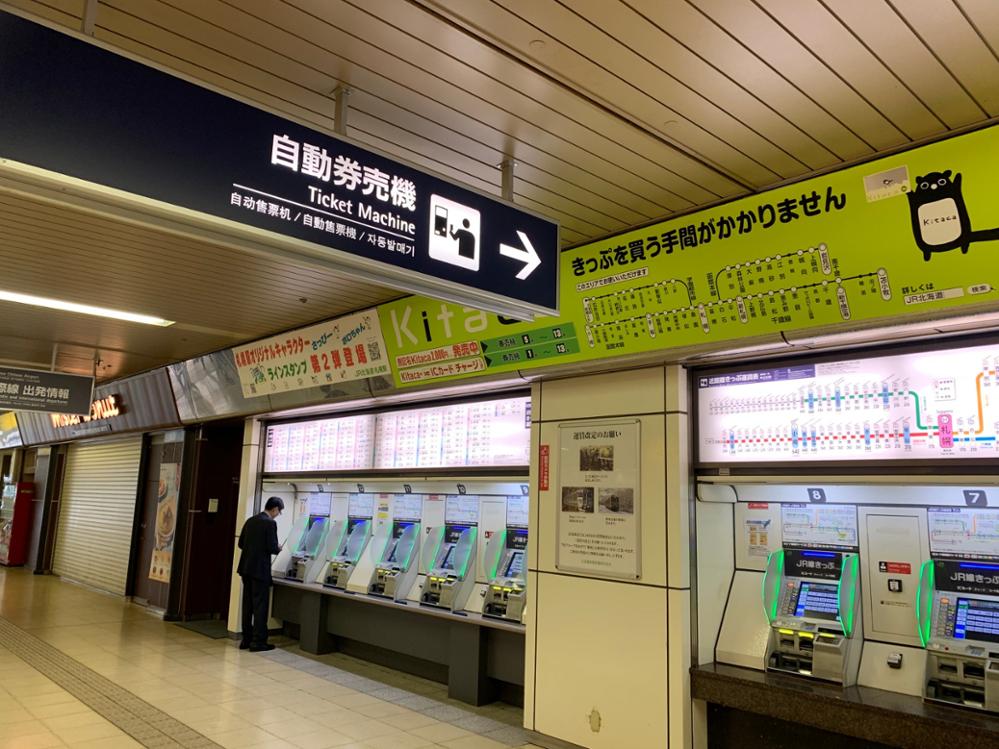
JR Ticket Office (Midori-no-Madoguchi)
This counter is recognizable by its green logo featuring a seated man. You can purchase standard tickets for regional trains and Shinkansen trains here.
Except for high-speed trains, trains do not have seats assigned to a reservation. To ensure you have a seat, it is preferable to pay a supplement. This is referred to as jiyuseki (a seat in an unreserved area, where you can sit wherever you like) and shiteiseki (a reserved seat).
Automated ticket machines (with or without reserved seating)
Tickets for short-distance journeys can also be purchased from an automated machine. Please note that to purchase train tickets AND reserve seats, you must use dedicated machines. Payment can be made by credit card or in Japanese yen notes.
The Japan Rail Pass (JR Pass)
A JR Pass can be purchased in France before your departure. There are agencies that sell them online or at their counter. Once in Japan, you will need to validate your pass at a Midori-no-Madoguchi or an automated machine (in this case, you will need to scan the QR code of your pass to obtain a ticket).
Frequently asked questions
The JR Pass is worth it if you plan multiple Shinkansen journeys. For example, a round-trip Tokyo–Kyoto on the Shinkansen costs approximately 270 €; a 7-day JR Pass at 324 € becomes worthwhile as soon as you add other journeys. However, if you stay in a single city, individual tickets or an IC Card are often more economical.
Since 2023, it is technically possible to buy a JR Pass in Japan, but it is significantly more expensive than if purchased from abroad. It is therefore strongly recommended to purchase it before your departure, from a travel agency or online, to benefit from the rate reserved for tourists.
Jiyuseki refers to unreserved seating: you board and sit wherever you like, without prior reservation. Shiteiseki, on the other hand, corresponds to a nominally reserved seat, at a supplement of approximately 5 €. On very busy trains or during holiday periods, reserving a shiteiseki is strongly recommended to ensure you have a seat.
No, the JR Pass provides access to nearly all Shinkansen lines, but not the Nozomi and Mizuho express trains, which are the fastest on the Tōkaidō and Sanyō lines. For these trains, you will need to purchase a separate ticket. The Hikari and Kodama trains on these same lines remain included in the pass.
Suica and Pasmo are reloadable transit cards, accepted on nearly all trains, subways, and buses in major Japanese cities. They allow you to pass through gates without purchasing individual tickets, simply by tapping the card against the reader. You can load them with cash (yen) or by credit card at vending machines in stations. They are ideal for daily travel within cities, as a complement to the JR Pass.