UNESCO World Heritage Sites to See in Japan
The Land of the Rising Sun is home to 25 monuments listed by the United Nations Educational, Scientific and Cultural Organization!
The Land of the Rising Sun is home to 25 monuments listed by the United Nations Educational, Scientific and Cultural Organization! Whether showcasing Japan's stunning landscapes or bearing witness to a rich historical past: here are the finest UNESCO World Heritage Sites to see in Japan!
UNESCO World Heritage in Japan: The Finest Natural Sites
Mount Fuji
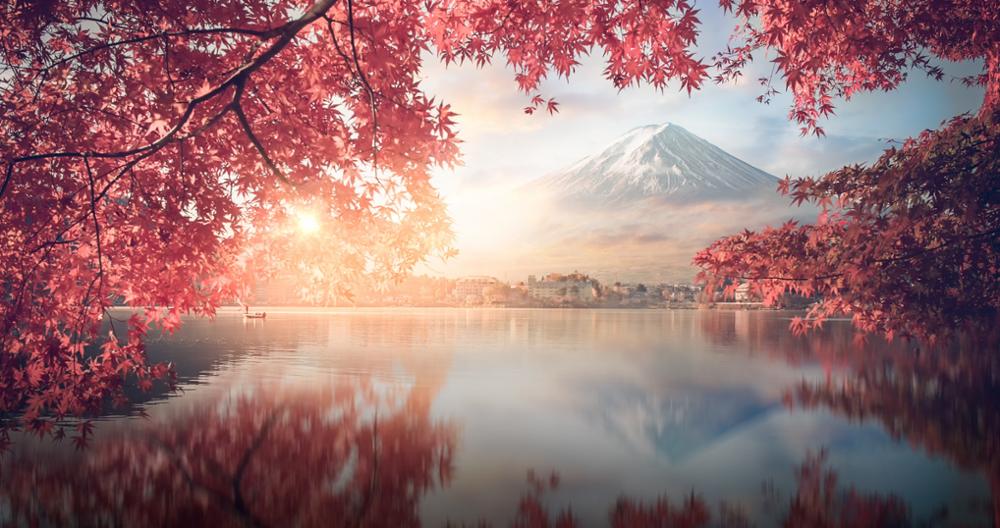
Standing at 3,776 meters above sea level on the island of Honshū, Mount Fuji is a natural wonder, inscribed as a World Heritage Site in 2013. Known worldwide through the celebrated woodblock print by artist Hokusai, Fujisan is a pilgrimage destination whose ascent is equally cherished by visitors and locals alike! With its designation, UNESCO honored the mountain itself, as well as surrounding sites, including the Kitaguchi Hongu Fuji Sengen shrine.
The Ogasawara Islands
The Ogasawara Islands are inscribed on the UNESCO World Heritage list for their abundant fauna and flora – including rare and/or endangered species. Accessible only by ferry (after a 24-hour journey from Tokyo!), the archipelago comprises some thirty islands, though only the two largest are inhabited: Haha-jima (Mother Island) and Chichi-jima (Father Island). The latter is considered one of the finest spots for observing dolphins and whales!
Shiretoko National Park
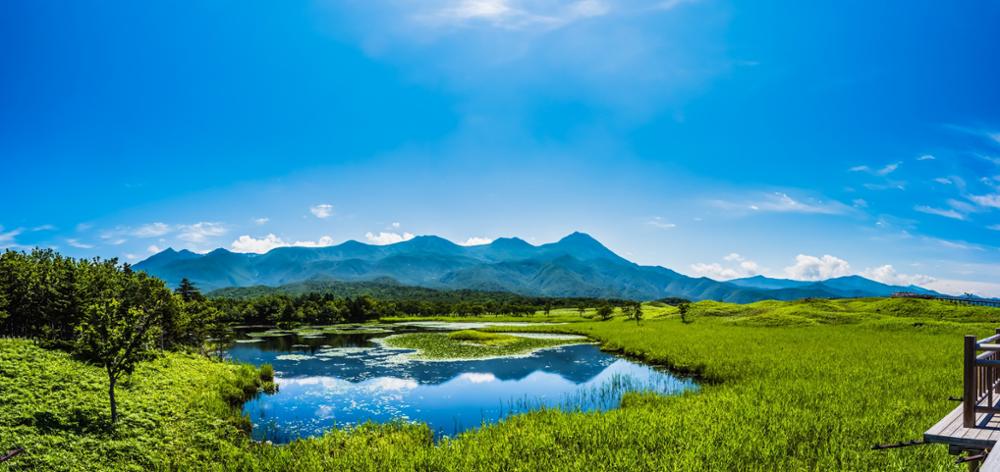
Located on the island of Hokkaidō, Shiretoko National Park was inscribed on the UNESCO list in 2005 because it harbors "one of the most abundant integrated ecosystems in the world." Featuring cliffs, mountain ranges, and volcanic plateaus, it also encompasses five lakes collectively known as Shiretoko Goko. Bird enthusiasts have the privilege of observing numerous rare species here, such as the majestic White-tailed Eagle...
Yakushima Island
Inscribed as a World Heritage Site in 1993, Yakushima Island is renowned for the diversity of its flora, comprising nearly 2,000 species, including ancient specimens (such as the thousand-year-old yakusugi cedar trees). You'll also find bamboo groves and epiphytes – plants that use other vegetation as support for growth… The result? The island harbors an extensive primeval forest!
Historical and Cultural Monuments to See in Japan: The Finest UNESCO-Listed Sites
The Iwami Ginzan Silver Mine and its Cultural Landscape
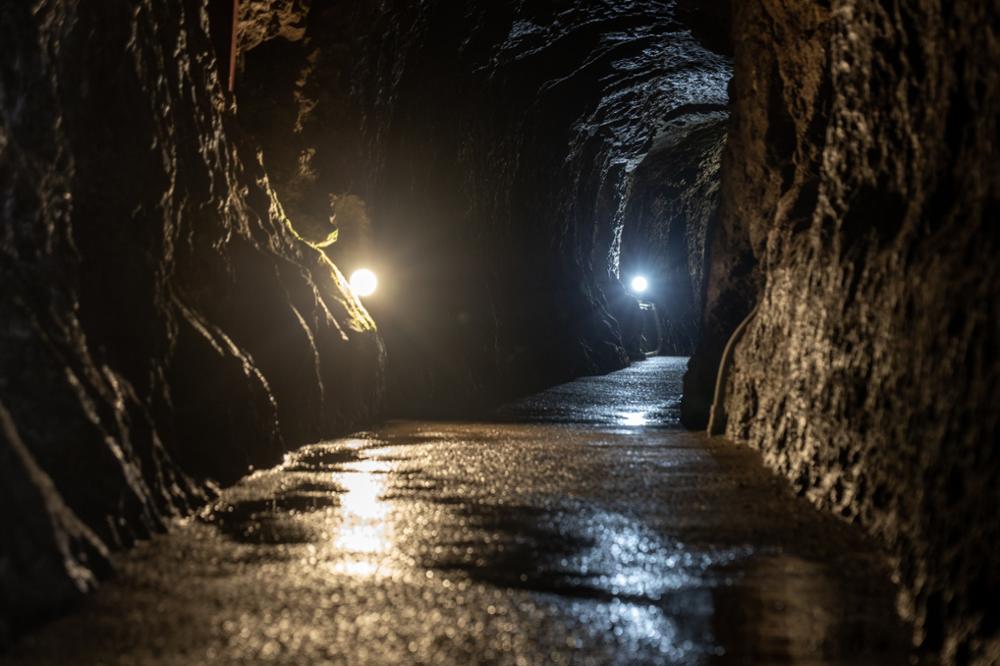
At 600 meters elevation in the southwestern part of Honshu Island lies the Iwami Ginzan Silver Mine. Inscribed on the UNESCO list in 2007, this cultural landscape preserves smelting and refining sites from mining operations that were in use between the 16th and 20th centuries. While nature has reclaimed much of the site, it testifies to a prosperous era that contributed significantly to the nation's economic growth.
Meiji Industrial Revolution Sites
Inscribed in 2015, the Meiji Industrial Revolution Sites comprise a series of twenty-three elements. Distributed across 8 prefectures and 11 sites, these industrial remains bear witness to Japan's success in shipbuilding, mining, and steel manufacturing. Among the remarkable industrial facilities, note the Niirayama reverberatory furnace, the Miyanohara mine shafts, and the Ha-shima coal mine.
Himeji Castle
Located in Hyōgo Prefecture, Himeji Castle is an architectural masterpiece, constructed between 1581 and 1618 – and inscribed on the UNESCO list in 1993. Its distinguishing feature? This complex of 83 buildings, spanning 107 hectares, is constructed almost entirely of wood!
Spared during World War II and later renovated during the Edo period, the castle today proudly displays its white façades and elegant curves from atop Himeyama Hill…
The Sanctuaries and Temples of Nikkō
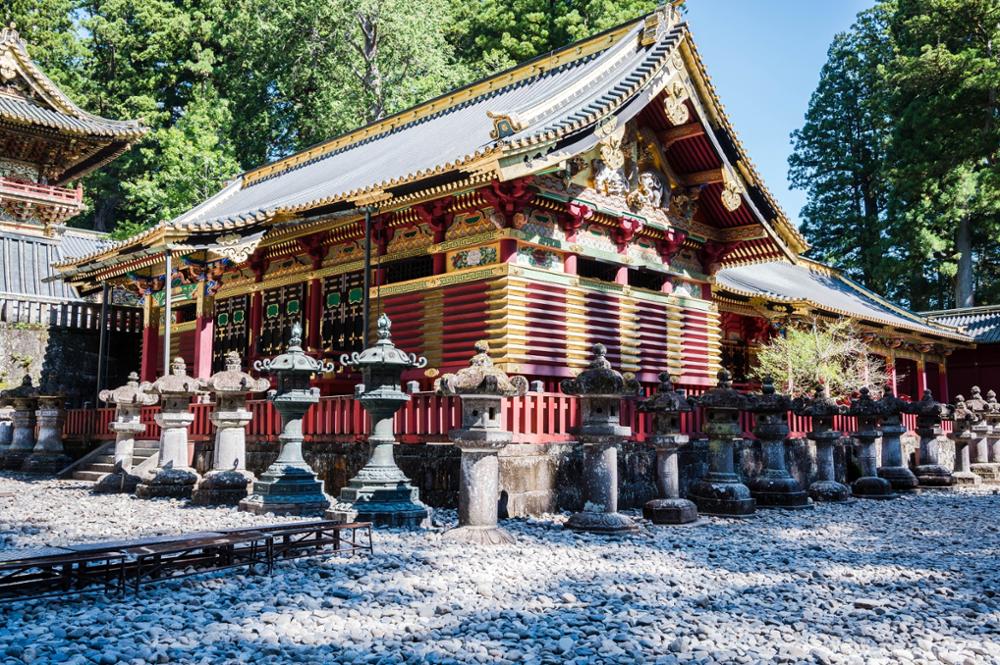
Located in Tochigi Prefecture, the city of Nikkō houses numerous temples and sanctuaries forming an ensemble of 103 religious buildings – all distributed across one Buddhist temple (Rinnoji) and two Shinto shrines (Futarasan-Jinja and Tôshôgû). Inscribed on the UNESCO list in 1999 for their "architectural and artistic genius," these structures were constructed on various mountain slopes to create visual harmony!
Historic Monuments of Ancient Nara
To understand the significance of the Historic Monuments of Ancient Nara, it is important to note that Nara was Japan's capital from 710 to 784. From this period, a rich architectural and cultural heritage remains in the Kansai region, comprising religious buildings, remains of the Heijō Palace, the Kasuga-Taisha Shrine, and five Buddhist temples.
The Historic Villages of Shirakawa-go and Gokayama
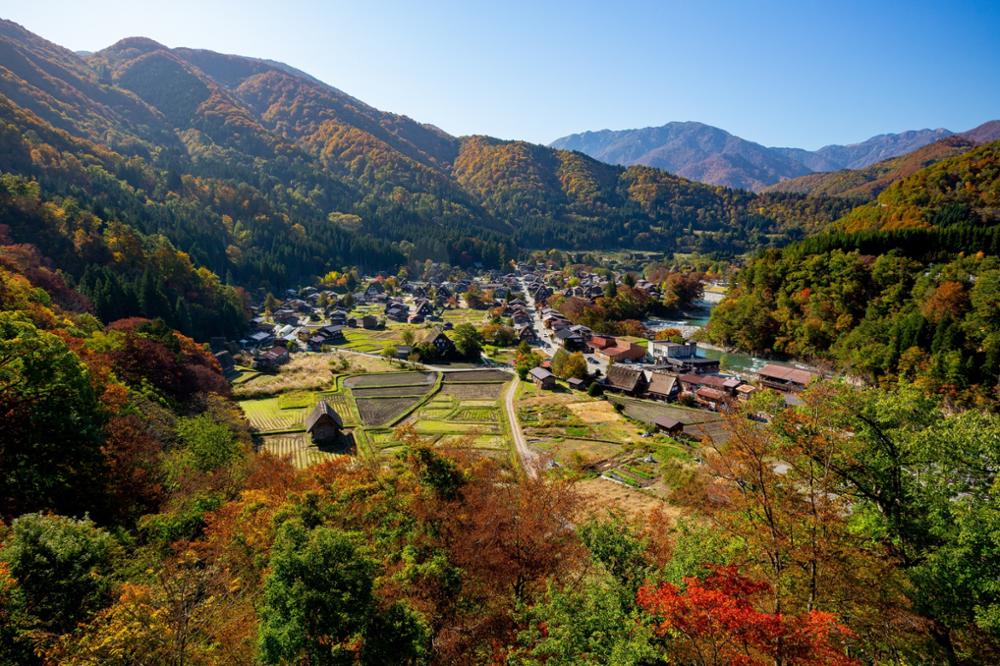
Located in the mountainous Chubu region, the historic villages of Shirakawa-go and Gokayama feature traditional houses in Gassho style. Inscribed on the UNESCO World Heritage list in 1995, they constitute a unique heritage that demonstrates humanity's ability to adapt to environmental and socio-economic constraints (in this case, houses designed to withstand harsh weather and adapted for sericulture).
Frequently asked questions
Japan has 25 sites inscribed on the UNESCO World Heritage list, including natural sites such as Mount Fuji and Yakushima Island, and cultural sites such as Himeji Castle and the historic villages of Shirakawa-go and Gokayama.
Mount Fuji is undoubtedly Japan's most famous and most visited UNESCO site. Rising to 3,776 meters above sea level on Honshū Island, it attracts millions of Japanese and international visitors annually, particularly for its summer ascent.
The Ogasawara Islands are accessible only by ferry from Tokyo. The crossing takes approximately 24 hours. Only two islands in the archipelago are inhabited: Haha-jima (Mother Island) and Chichi-jima (Father Island), the latter being renowned for dolphin and whale observation.
Himeji Castle can be visited year-round, but spring (March-April) is particularly recommended for admiring the cherry blossoms that surround the fortress. Autumn also offers beautiful landscapes with colorful foliage.
Yes, the historic villages of Shirakawa-go and Gokayama have been inscribed on the UNESCO World Heritage list since 1995. They are famous for their traditional Gassho-style houses, designed to withstand heavy snowfall and adapted for sericulture.