Sumotori: Discover the Origins of Sumo and Where to See Japanese Wrestlers!
An ancient tradition, sumo is a martial art that holds an important place in Japanese culture. So much so that sumotori are considered to be true living demigods.
An ancient tradition, sumo is a martial art that holds an important place in Japanese culture. So much so that sumotori are considered to be true living demigods by locals. If this sport and its wrestlers intrigue you, several options are available to meet them during a journey to the Land of the Rising Sun. Discover when, how, and where to see sumo in Japan. But before diving into the details, let's talk a bit about its origins and rules.
The Origins of Sumo
Sumo dates back more than 1,500 years. Its origins are rooted in Shinto rituals, where fights were organized to entertain the gods and ensure good harvests. Initially, these contests were not merely physical but also spiritual, symbolizing a connection between humans and the divine. Over the centuries, sumo became a codified martial art, with strict rules and complex rituals. Today, it is a national sport.
The Rules of Sumo
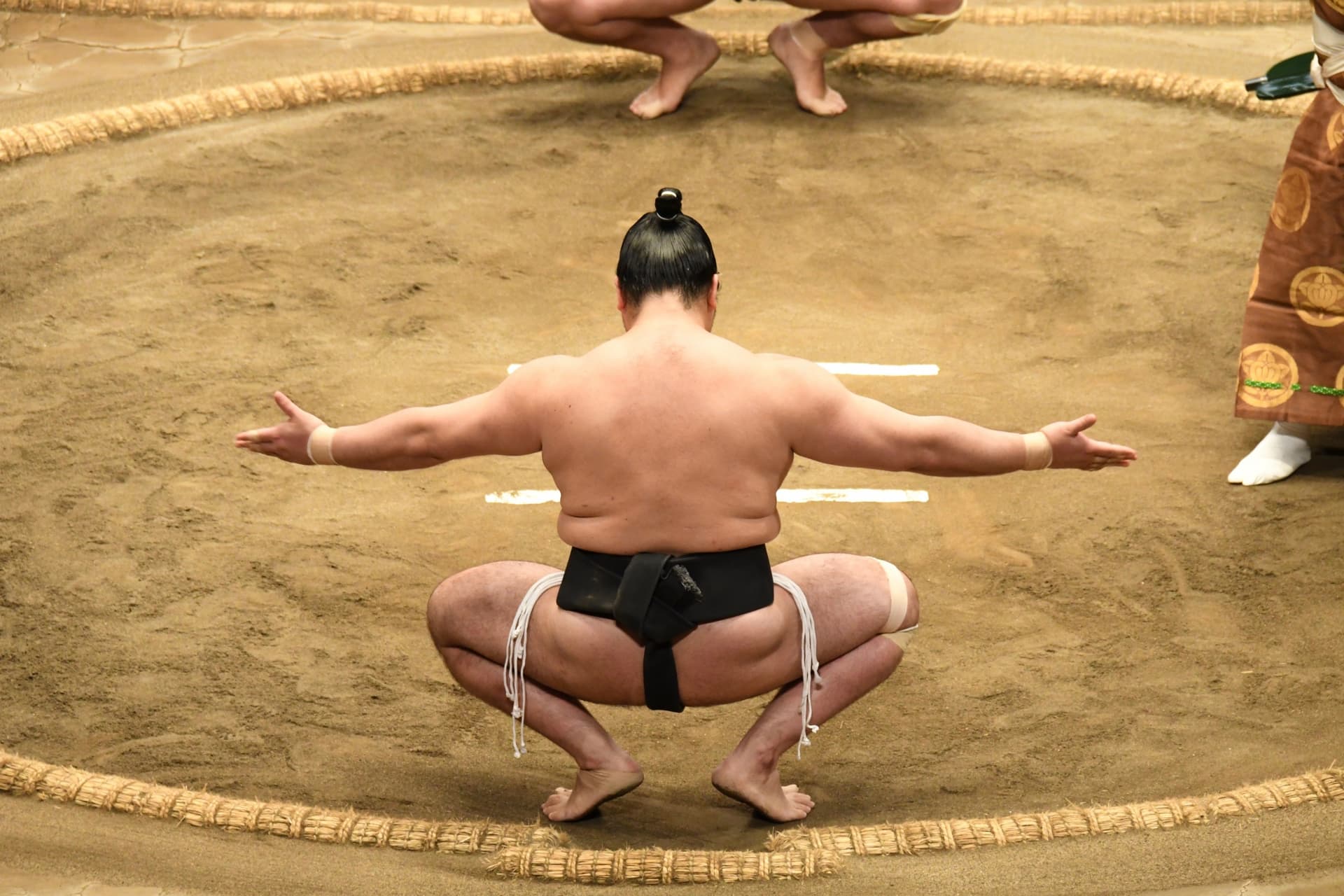
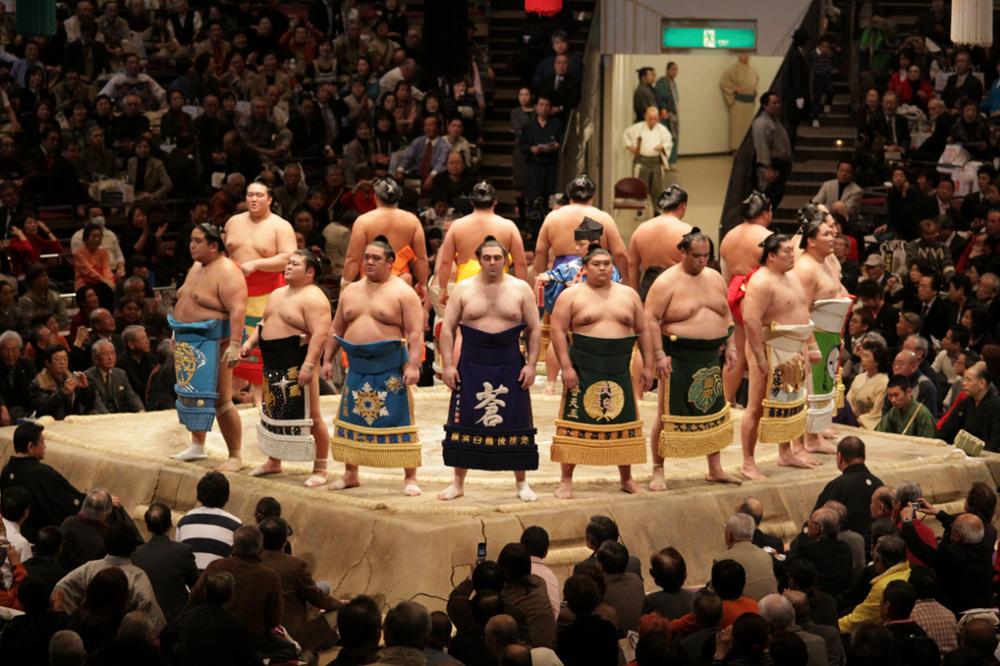
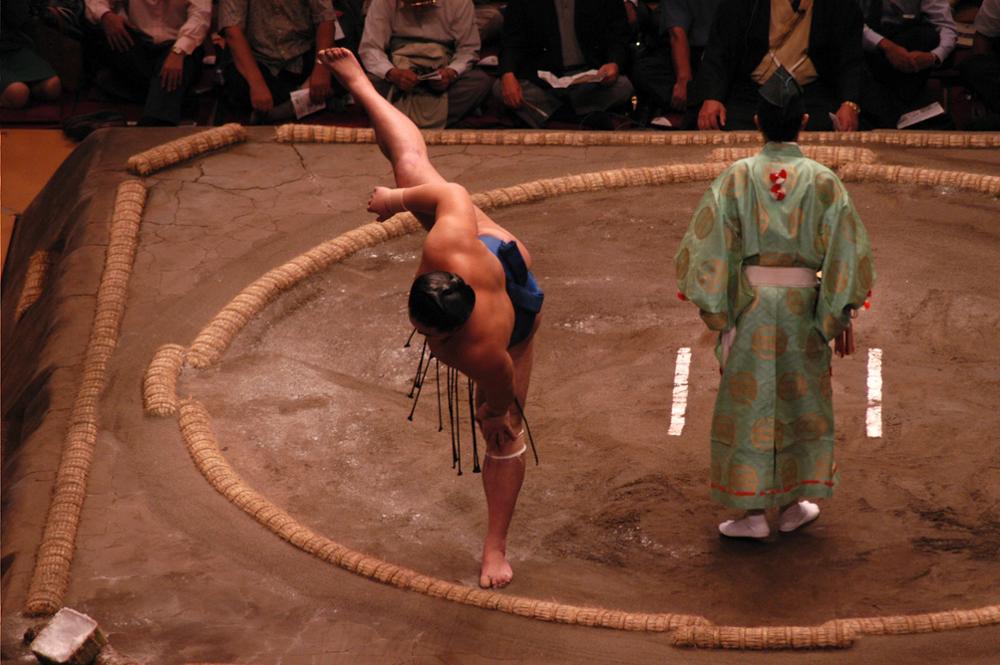
Sumo takes place in a dohyō, a circle 4.55 meters in diameter. The rules are straightforward. Two wrestlers face off to push their opponent out of the circle or make them touch the ground with a part of their body other than the soles of their feet. The first to accomplish this feat wins the match.
Before the fight, rituals are observed, such as throwing salt to purify the arena. Wrestlers wear a mawashi, a thick belt, and the fight begins as soon as both wrestlers touch the ground with their fists. There are no weight categories, so technique and raw strength play a key role in every match.
Where to See Sumotori in Japan?
At the Ryogoku Kokugikan in Tokyo
The Ryogoku Kokugikan is the main sumo fighting venue in Japan. This arena can accommodate up to 13,000 spectators and is located near the Edo-Tokyo Museum. It is situated in the northeast of the city, in the historic Ryogoku district.
Visitors can also discover a sumo museum there, which offers a fascinating dive into the history of this martial art and displays rare objects, portraits of famous wrestlers, and ceremonial clothing.
In Tokyo's Sumo District
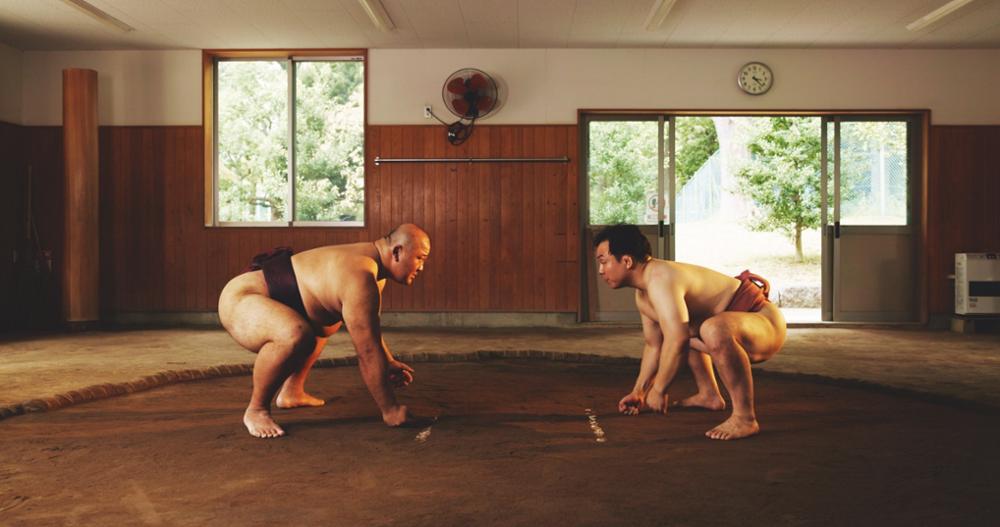
Ryogoku is not only home to Japan's largest sumo arena, it is also the vibrant heart of this wrestling sport in the country. Many sumo schools, or heya (stables), are located in this district, though they are discreet. As you stroll through its streets, you may encounter rikishi (professional sumo wrestlers) dressed in traditional clothing.
Additionally, Ryogoku offers several restaurants where you can enjoy chanko nabe, the nutritious stew of sumotori. This dish is a must for anyone wishing to fully immerse themselves in the world of sumo.
In Arenas in Other Major Japanese Cities
Tokyo is not the only city where you can watch sumo tournaments. Matches are also held in Osaka, Nagoya, and Fukuoka. In fact, the tournament venues rotate throughout the year.
In Sumo Training Schools (During Training Sessions)
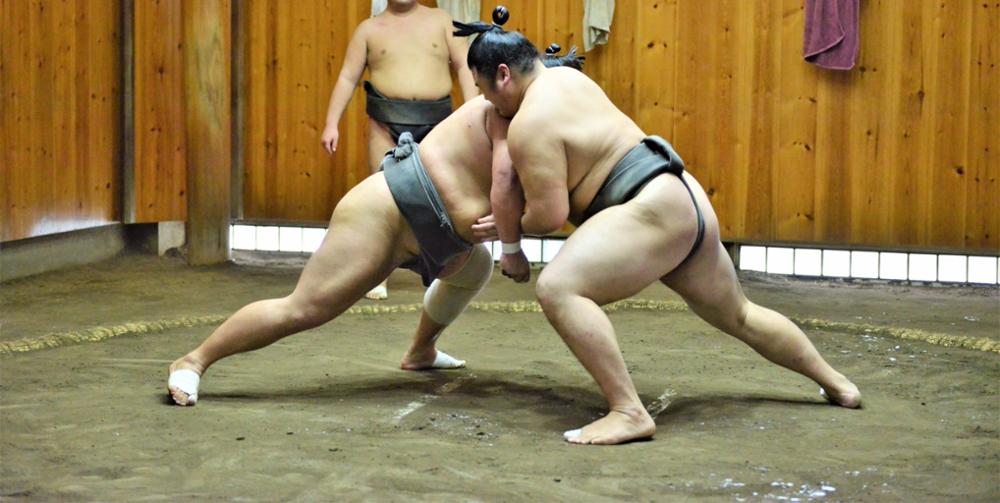
If you unfortunately cannot plan your trip to Japan around official sumo tournaments, you have another option to see these demigods in action: attend a sumo training session!
Many heya do not allow visitors. However, some of them are willing to open their doors to the public outside of tournament periods. Most of the heya open to the public are also located in Tokyo. Among them, you can find Tamanoi-beya, Tomozuna-beya, and Arashio-beya.
Note that most training sessions begin very early in the morning (from 6 a.m.). If you wish to attend a sumo training session at a heya, you will need to reserve in advance. The best approach is to call the day before and be able to speak Japanese. Otherwise, you can go through an English-speaking agency like Nomadays, which will handle the reservation for you.
In any case, remember that attending a sumo training session should not be taken lightly. You must respect several rules of conduct to honor the opportunity you have been given to witness such an experience. You must, among other things, remain silent throughout the entire training session (expect 2 to 3 hours), stay in the place assigned to you, and absolutely not step on the Dohyo (the fighting ring). It is also forbidden to drink or eat during the session and to use a camera flash. As a sign of respect, you may bow to the stable master and the sumotori when arriving and leaving the room.
What Season to Watch Sumo Matches in Japan?
Sumo Tournament Dates
The 6 official sumo tournaments in Japan take place in odd-numbered months and begin on the second Sunday of the month. In Tokyo, 3 tournaments are held each year: in January, May, and September.
In Osaka, the sumo tournament takes place during the last two weeks of March.
In Nagoya, it takes place during the last two weeks of July.
In Fukuoka, it takes place during the last two weeks of November.
To find out the dates of upcoming sumo tournaments to see in Japan, visit the official website sumo.pia.jp.
Buying a Ticket for a Sumo Show
To book a seat for a sumo tournament in Japan, you need to plan ahead. To do this, you can buy tickets directly at the stadium, by calling, or online by visiting sumo.pia.jp. Be careful, as soon as they go on sale (approximately one month before the tournament begins), tickets sell out very quickly. Stay alert! Also on the website sumo.pia.jp, you will find the ticket sale dates for each tournament.
Would you like to attend a sumo match? Ask your local English-speaking travel agency to book for you! CONTACT US
It is also possible to buy tickets at a konbini (small convenience stores found throughout Japan) such as Lawson, FamilyMart, or Seven Eleven.
For those who wait until the last minute, know that it is possible to buy tickets without a reservation. In fact, approximately 350 to 400 seats are put on sale each day of the tournament. You must go directly to the stadium starting at 8 a.m. to buy them. Unlike online reservations, these tickets will not allow you to choose your seat. They are often the least favorably situated (at the very top of the stadium).
As for ticket prices, they vary depending on the seats chosen: expect between 3,000 and 9,000 yen (approximately €23 to €70) for an individual reserved seat up to 40,000 yen (approximately €300) for a seat in a box (closest to the ring). Unreserved seats are obviously the cheapest, costing around 2,000 yen (approximately €16).
Frequently asked questions
Tickets for a sumo tournament in Japan range between 3,000 and 9,000 yen (approximately €23 to €70) for an individual reserved seat. Seats in a box (masu-seki), located closest to the ring, can reach 40,000 yen (approximately €300). Unreserved tickets, available on the day of the tournament, cost around 2,000 yen (€16).
There are 6 official sumo tournaments per year in Japan, held in odd-numbered months. Tokyo hosts 3 tournaments: in January, May, and September at the Ryogoku Kokugikan. Osaka holds its tournament in March, Nagoya in July, and Fukuoka in November. Each tournament lasts approximately two weeks and begins on the second Sunday of the month.
Yes, some sumo schools (heya) open their doors to the public outside tournament periods. In Tokyo, heya such as Tamanoi-beya, Tomozuna-beya, or Arashio-beya accept visitors. Training sessions typically start as early as 6 a.m. It is essential to reserve in advance, ideally the day before, and to respect strict rules of silence and conduct.
The Ryogoku Kokugikan is located in the historic Ryogoku district, in the northeast of Tokyo. It is Japan's main sumo arena, capable of accommodating up to 13,000 spectators. You can reach it easily by subway, exiting at Ryogoku Station on the Sobu Line. The district is also home to many sumo schools and restaurants serving chanko nabe.
Tickets for sumo tournaments are available on the official website sumo.pia.jp (approximately one month before each tournament), at konbinis such as Lawson, FamilyMart, or Seven Eleven, or directly at the stadium. For last-minute buyers, approximately 350 to 400 unreserved tickets are put on sale each morning of the tournament starting at 8 a.m. at the stadium entrance, but seats are limited and less favorably situated.
The dohyō is the sumo fighting ring, a circle 4.55 meters in diameter. The rules are simple: the first wrestler to push their opponent out of the circle or make them touch the ground with a part of their body other than the soles of their feet wins the match. There are no weight categories. Before the match, Shinto rituals are observed, such as throwing salt to purify the arena.