What to See and Do Around Kyoto?
The areas surrounding Kyoto are rich with historical, natural, and cultural heritage. Suffice to say, if you're staying in the region, you won't run out of things to do.
The areas surrounding Kyoto are rich with historical, natural, and cultural heritage. Suffice to say, if you're staying in the region, you won't run out of things to do. Visit Buddhist temples and castles, explore the legacy of samurai, relax on the shores of the lake, or trek through nature… Discover everything you absolutely must see and do around Kyoto during your trip to Japan.
1. Fushimi Inari Taisha Shrine
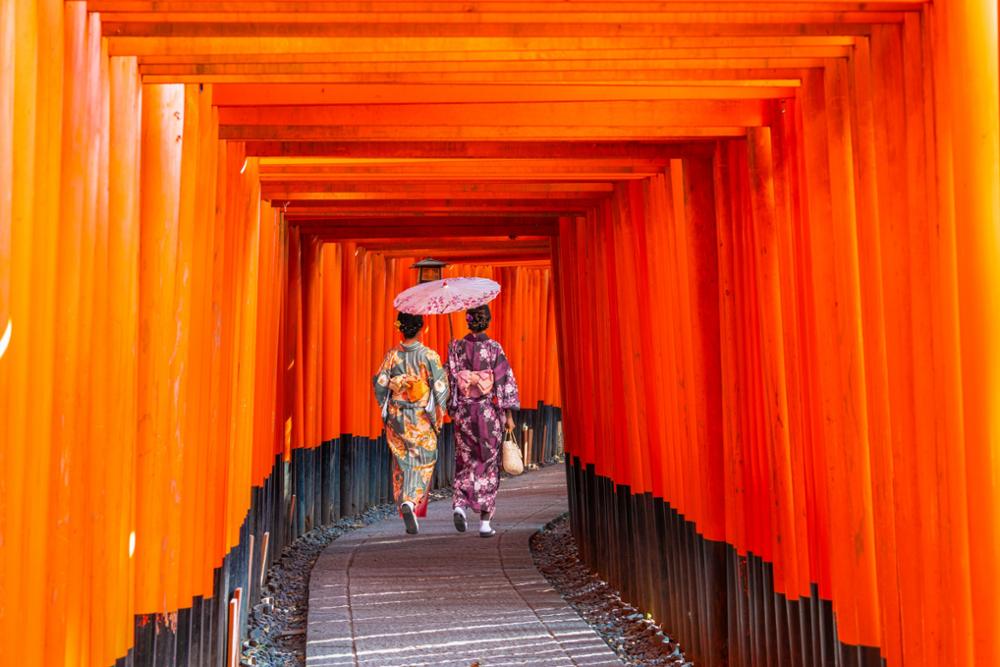
Located in the Fushimi district in the south of Kyoto, Fushimi Inari Taisha is easily accessible by bus or train from the city center. This is a shrine that was built in 711 and is dedicated to the deity Inari. You'll find thousands of vermillion archways, the famous torii gates, to discover on a hiking trail through the valley. Don't forget to wear good hiking shoes—there's quite a bit of climbing involved!
2. Arashiyama, Tenryu-ji, and Iwatayama
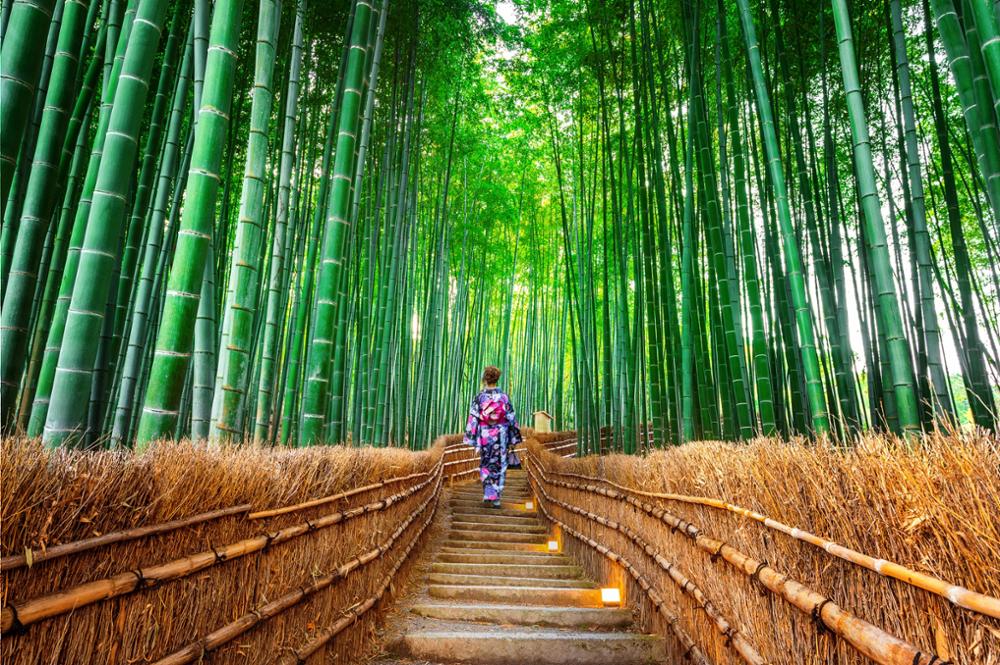
Head west of Kyoto to discover the unmissable bamboo forest of Arashiyama. Originally, it was a promenade spot for the imperial court. Today, tourists flock here to experience the striking grandeur of the bamboo groves and the view of Togetsukyo Bridge. Take the opportunity to visit the Tenryu-ji Temple and its stunning Japanese gardens, or explore Iwatayama Monkey Mountain, where numerous macaques roam freely…
3. Nara
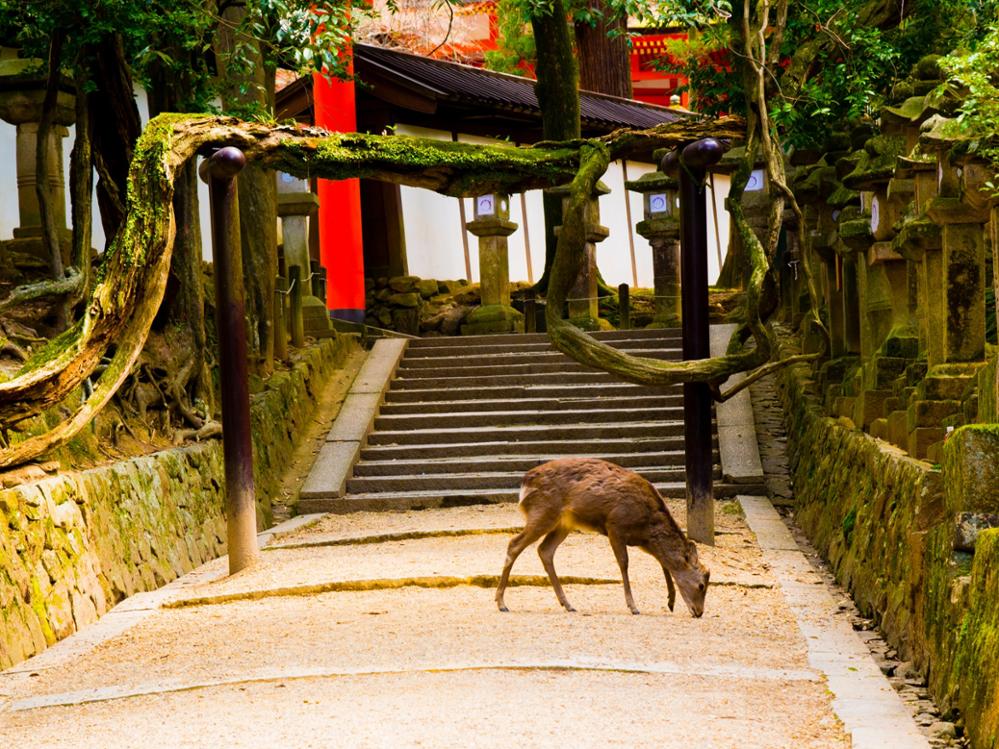
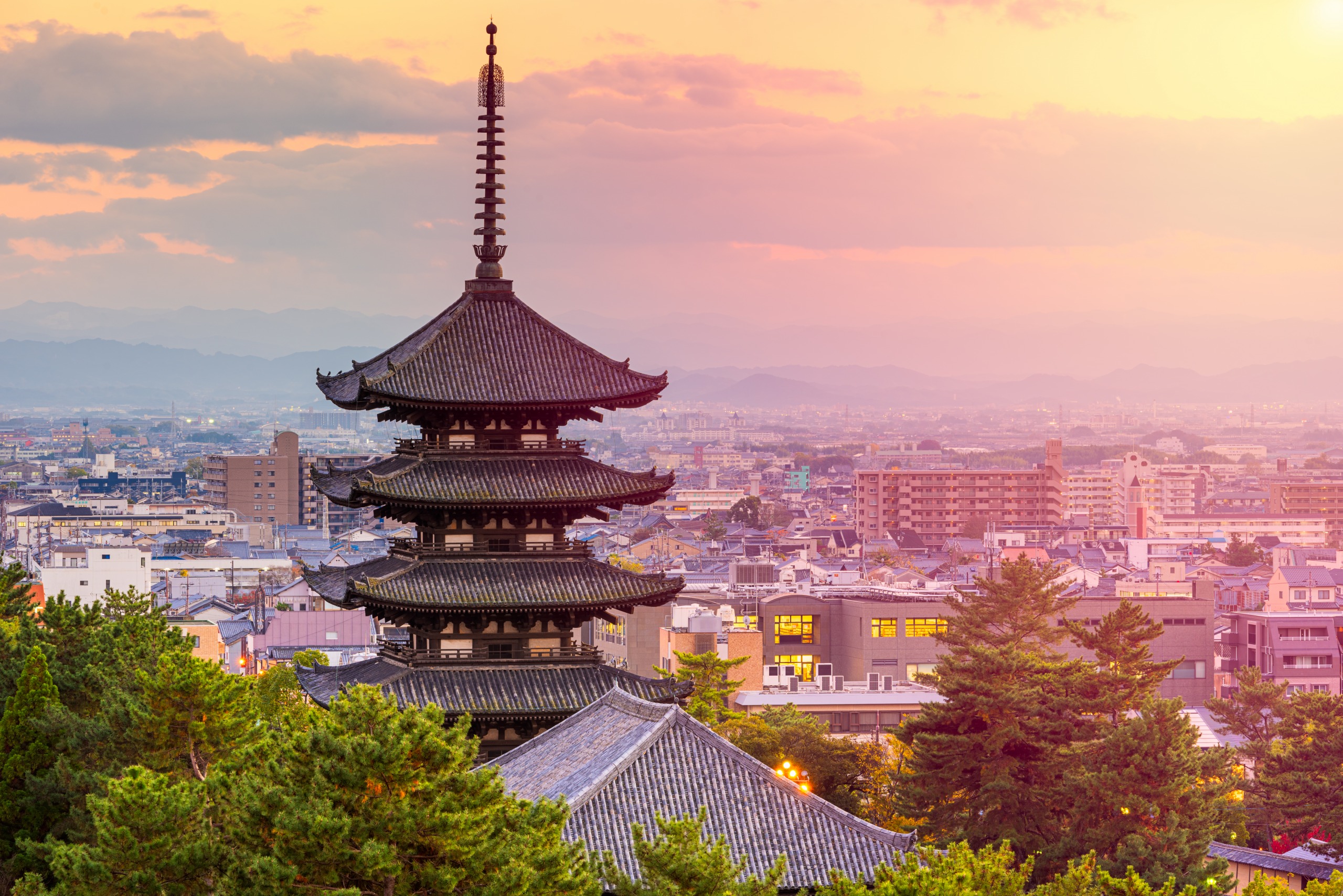
Known worldwide for its sacred deer roaming in semi-freedom, the city of Nara is one of the major attractions around Kyoto. Especially when traveling as a family! Beyond its park, Japan's former capital has many other points of interest, such as the Tôdai-ji Buddhist temple and its giant statue of a 49-foot Buddha.
4. Uji
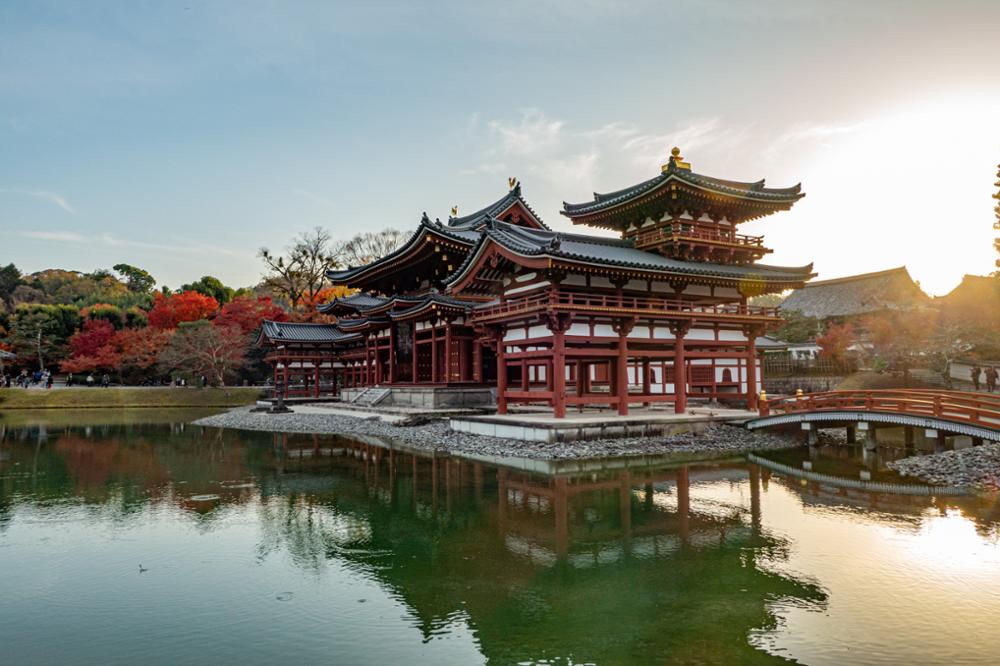
Nicknamed Kyoto's little sister, Uji is renowned as Japan's tea capital. Green tea has been cultivated here since the 1100s. Located about 15 minutes from Kyoto, you can visit Uji as a day trip. On the agenda: tea tastings and visits to rustic temples like Byodo-in, built in the Jodo architectural style in 998. Fun fact: it's the Byôdô-in temple that appears on the Japanese 10-yen coins.
5. Mount Koya
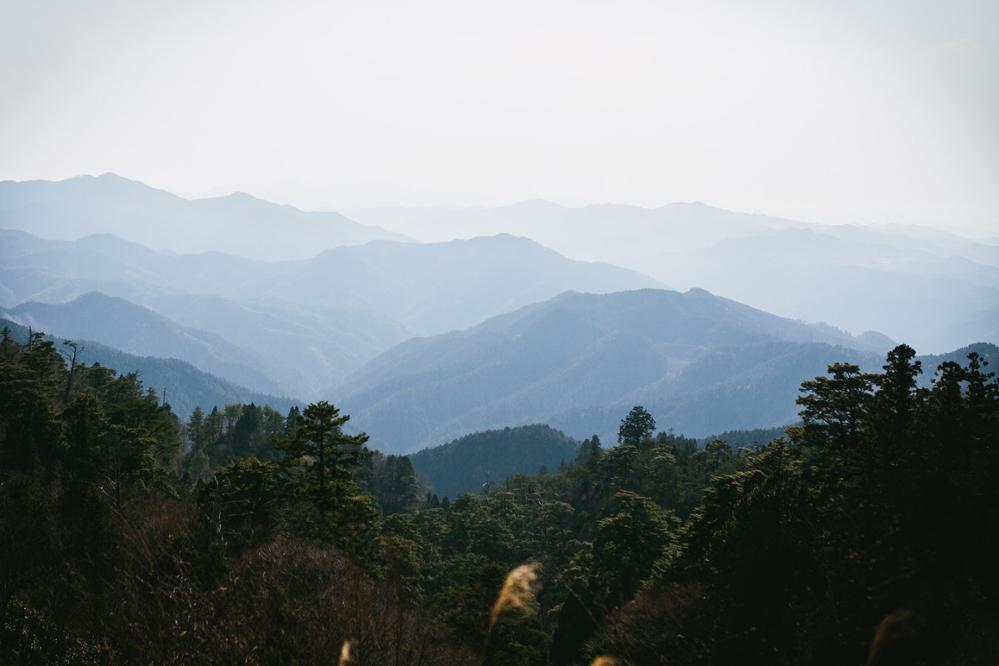
A journey outside of time. That's what Mount Koya offers you. Just two hours by train from Kyoto, Mount Koya will immerse you in Japan's history. You'll see its Okuno-in cemetery and mausoleums where emperors and samurai rest. Keep your eyes wide open and admire the centuries-old Japanese cedars that inhabit the grounds. Mount Koya is also home to a complex of 117 temples, a major center of Japanese Buddhism. Why not take the opportunity to spend a night with the monks?
6. Lake Biwa
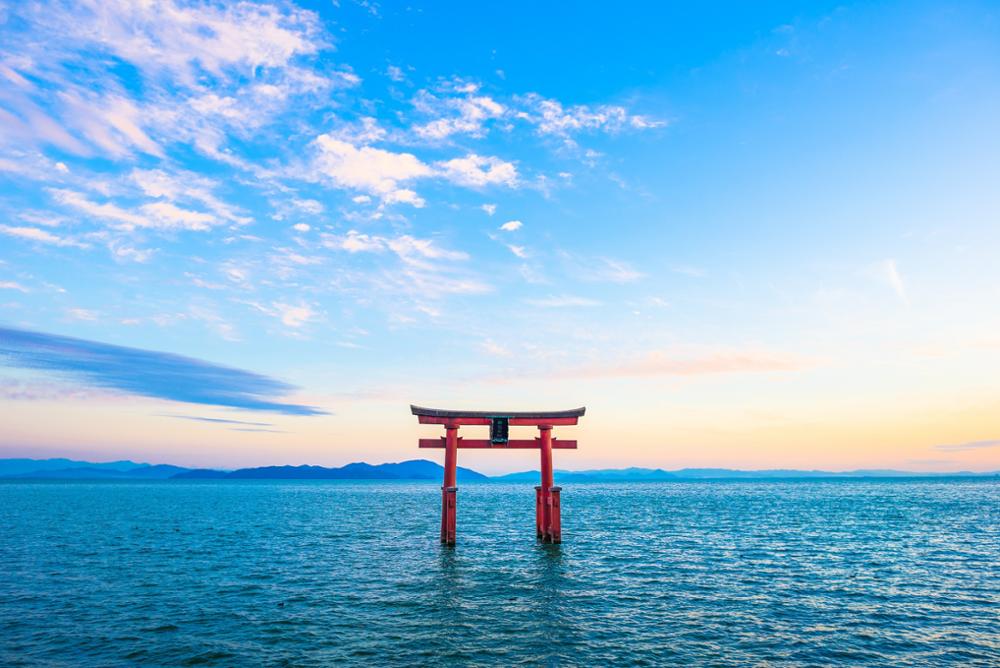
Easily accessible, Lake Biwa is Japan's largest freshwater lake. Surrounded by a national park, it attracts Kyoto residents who come to unwind on weekends. And for good reason—the lake offers a significant advantage during the warm season: beaches! Clear sand bordered by pine trees and transparent water… A perfect opportunity to enjoy a relaxing day in nature!
7. Himeji
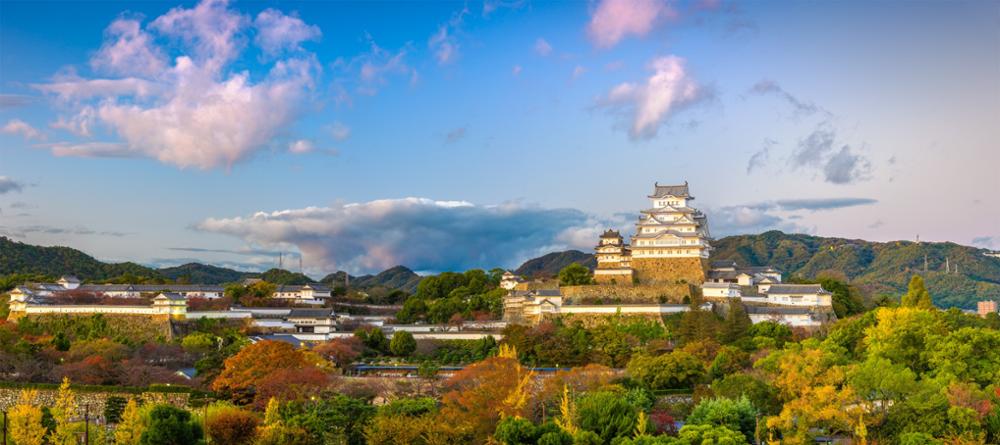
The city of Himeji is renowned for its famous White Heron Castle. Built in the late 1500s, it is one of the last wooden castles in Japan to have survived wars. You'll be captivated by its colors and elegant curves. And if you visit in April, during cherry blossom season, the scenery will be straight out of a fairy tale…
Frequently asked questions
Nara is often considered the best day trip from Kyoto thanks to its sacred deer roaming freely and the Tôdai-ji Temple. Accessible in less than an hour by train, it can easily be combined with a visit to Uji on the same day.
Arashiyama is accessible from central Kyoto by train (JR Sagano or Randen line) in about 20 to 30 minutes. You can also reach it by bus. It's recommended to arrive early in the morning to avoid crowds and fully enjoy the bamboo forest.
Mount Koya is about 2 hours by train from Kyoto. A day trip is possible, but to fully experience the site and its spiritual atmosphere, an overnight stay at a temple (shukubo) is highly recommended.
Yes, entry to Fushimi Inari Shrine is completely free. Access to the torii gates and hiking trails is open at all hours. It's recommended to wear good hiking shoes as the complete circuit around the hill can take 2 to 3 hours.
Spring (late March-April) is ideal for enjoying cherry blossoms, especially in Himeji. Autumn (November) offers stunning red foliage in Arashiyama and Nara's parks. Summer allows you to enjoy the beaches at Lake Biwa.
Absolutely! Nicknamed Japan's tea capital, Uji deserves half a day to a full day of exploration. Beyond matcha tea tastings in all their forms, you can visit the Byôdô-in Temple, a UNESCO World Heritage site whose image appears on Japanese 10-yen coins.