Where to Stop in Nara? 9 Must-See Things to Do!
Located less than an hour from Kyoto, Nara is a city steeped in history and tradition… From Heijo Palace to the deer of Nara Kôen
Located less than an hour from Kyoto, Nara is a city steeped in history and tradition… From Heijo Palace to the deer of Nara Kôen, passing through the traditional district of Naramachi and the Tôdai-Ji temple: here's what to see and do in Nara, at the heart of Japan's ancient capital!
1. Visiting Nara's Imperial Palace (Heijo Palace)
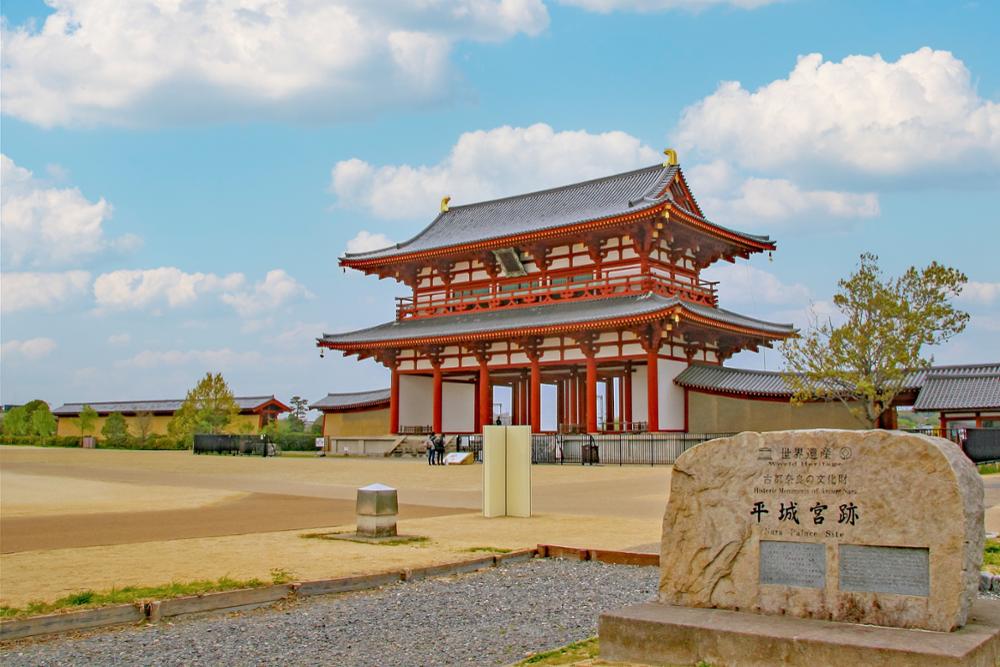
Located northwest of Nara, Heijo Palace was once the residence of the Emperor. Renovated during the 20th century, the building has regained its splendor and resurrected its former grandeur. Designated as a UNESCO World Heritage site, the palace is also renowned for its daigokuden (main hall) and the adjoining Toin Teien garden. Free admission. Open Tuesday to Friday, 9:00 a.m. to 4:30 p.m.
2. Wandering Through Nara's Naramachi District
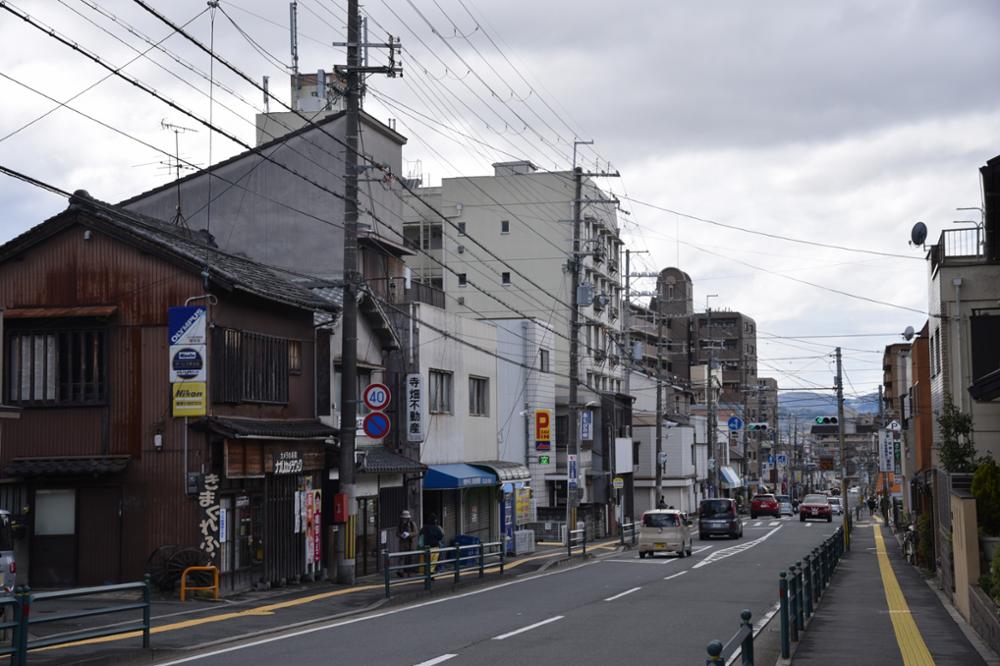
With its narrow lanes, Naramachi is the most picturesque district in the city of Nara. As you stroll, you'll step back in time discovering architecture dating from the Edo period (1603–1868)! You'll notably see machiyas, lovely traditional wooden houses—some of which are occasionally open to the public, like the Imanishike Shoin residence (which once belonged to a high-ranking official).
3. Discovering Tôdai-Ji Buddhist Temple
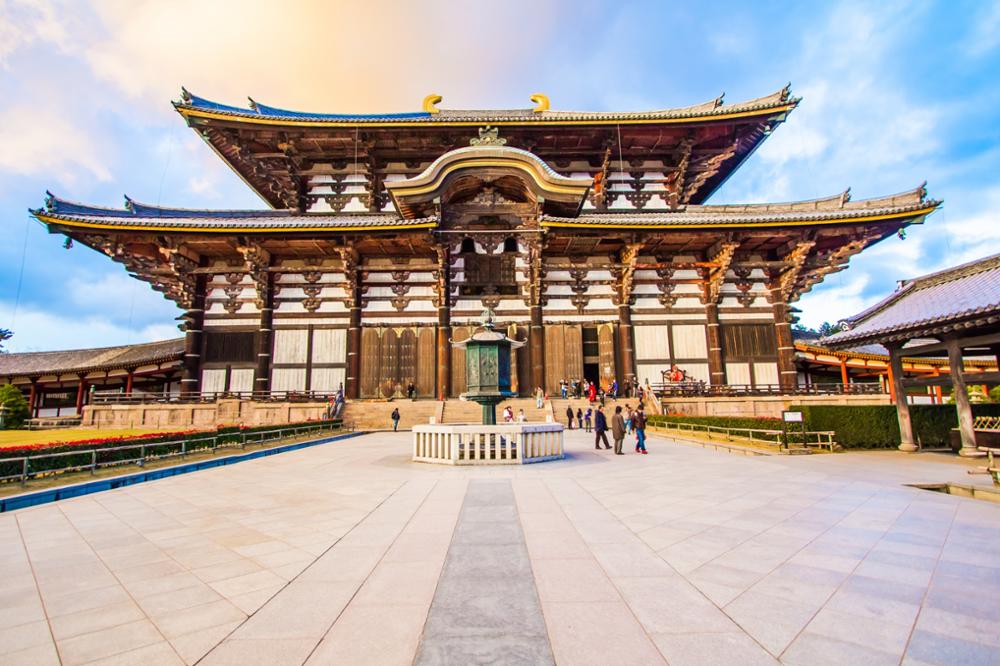
Capital of Japan between 710 and 784, the city of Nara is home to several temples, renowned for their preservation and traditional architecture. Among them: the Tôdai-Ji temple, known for its Daibutsu-den (the world's largest wooden building, measuring 57 meters long and 50 meters wide). This temple is also famous for its renowned Buddha statue, standing nearly 20 meters high!
4. Approaching the Deer of Nara Park
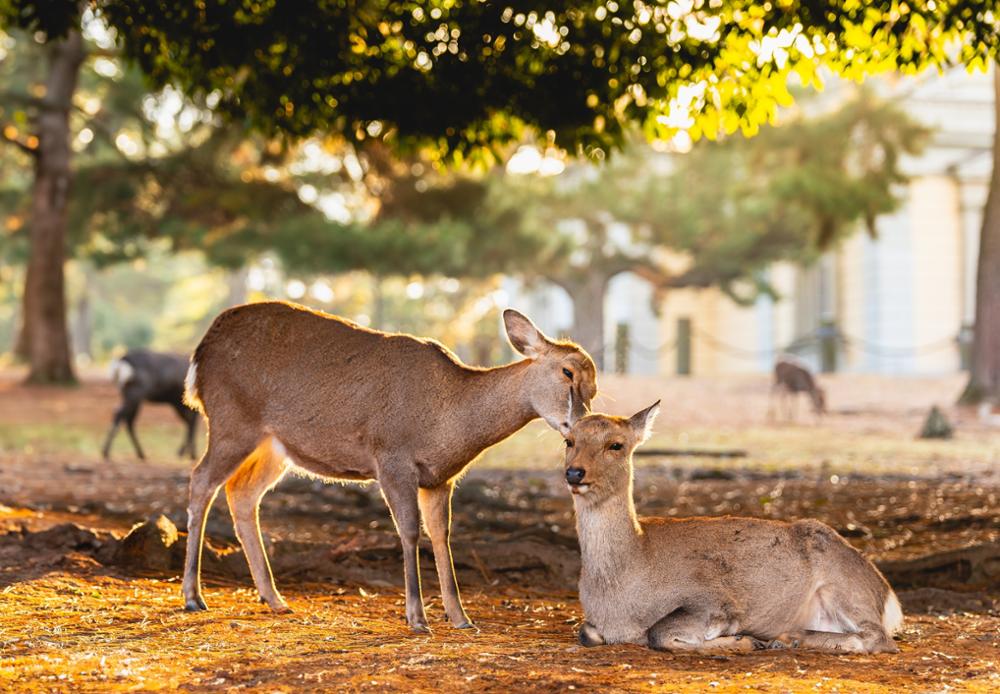
The Nara Park (also called Nara Kôen) is a must-see attraction in the city. Founded in 1880, this verdant oasis spans 600 hectares. It houses several religious structures (including Tôdai-Ji temple and Kasuga-taisha shrine), ponds, a traditional tea house, and, most notably, sika deer!).
This is also an opportunity to climb Mount Wakakusa. Standing at 342 meters altitude, its summit offers magnificent views of the surrounding nature. The site is particularly recommended in spring to observe the cherry blossoms.
Nara's Deer Nara is known for being home to sika deer, which roam freely throughout the park. Considered sacred animals, the deer are greatly cherished by residents. It's possible to feed them—provided you purchase shika senbei at the park entrance—a type of cracker specially designed for these cervids. |
5. Participating in a Tea Ceremony at Yoshiki Garden
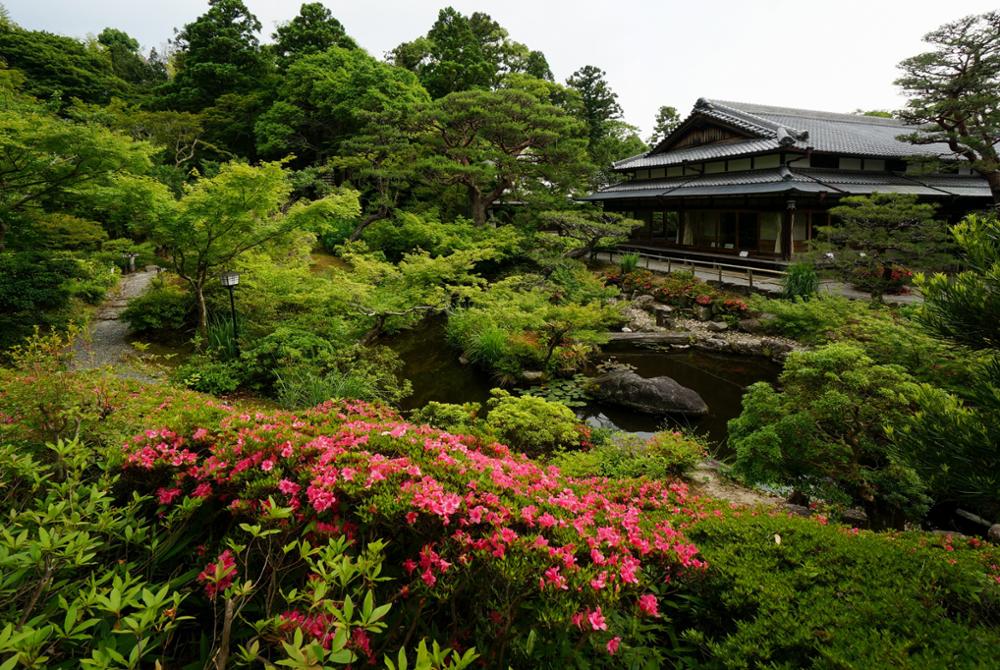
If you wish to experience a traditional tea ceremony, head to Yoshiki-en! Perfect for reconnecting with nature, this garden (free admission) regularly organizes tea ceremonies. Rather intimate compared to other gardens, this Eden is truly worth the visit—and offers a view of Mount Wakakusa. In autumn, the site is ideal for admiring the momiji (the reddening of maple leaves).
6. Finding Peace in Isui-en Garden
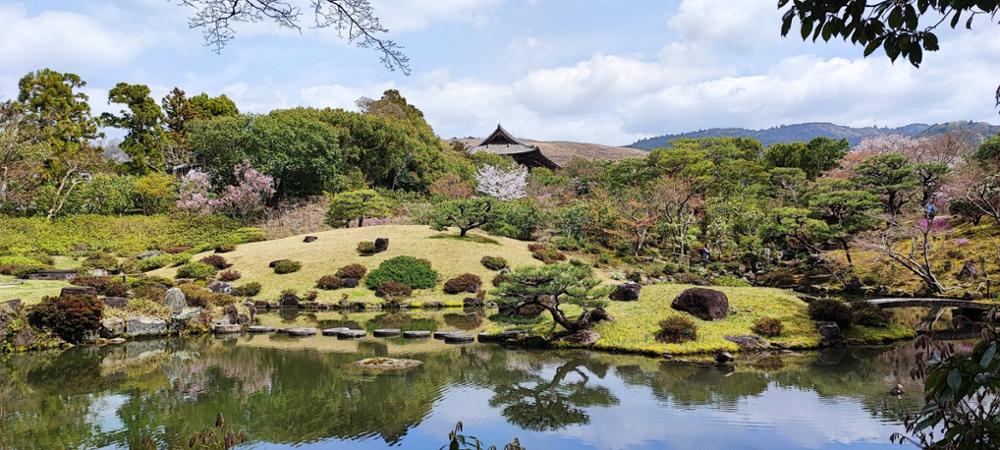
Considered one of Nara's most beautiful gardens, Isui-en is appreciated for its serenity and zen landscapes. Perfect for taking beautiful photographs, this garden also offers views of Mount Wakakusa and allows you to discover Japanese art through its small museum (located at the entrance) where artworks from different periods are displayed—expect around $7 for admission. The garden features two areas from different eras (one Edo, one Meiji).
7. Visiting Kasuga Taisha Shrine
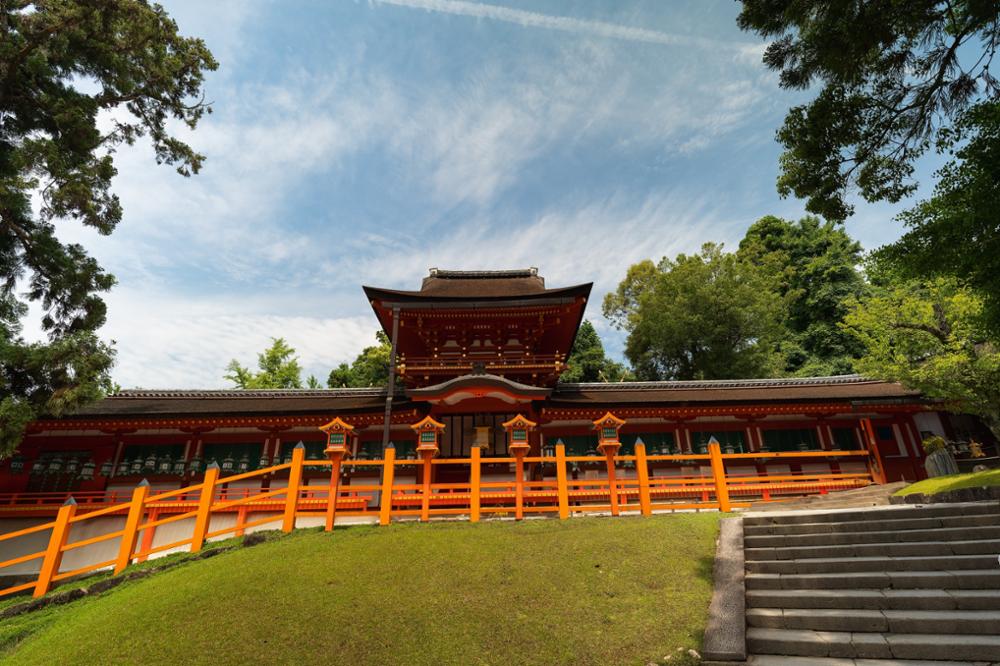
Designated as a UNESCO World Heritage site, the Shinto shrine Kasuga Taisha was founded in 768! Recognizable by its vibrant colors, the building is dedicated to the protective deities of the Fujiwara clan (an ancient family of Japanese nobility). Highly significant in Japan, this shrine hosts the Obon festival (in August) and the Setsubun festival (in February), illuminated spectacularly during both occasions. Expect around $3 for admission.
8. Nara National Museum
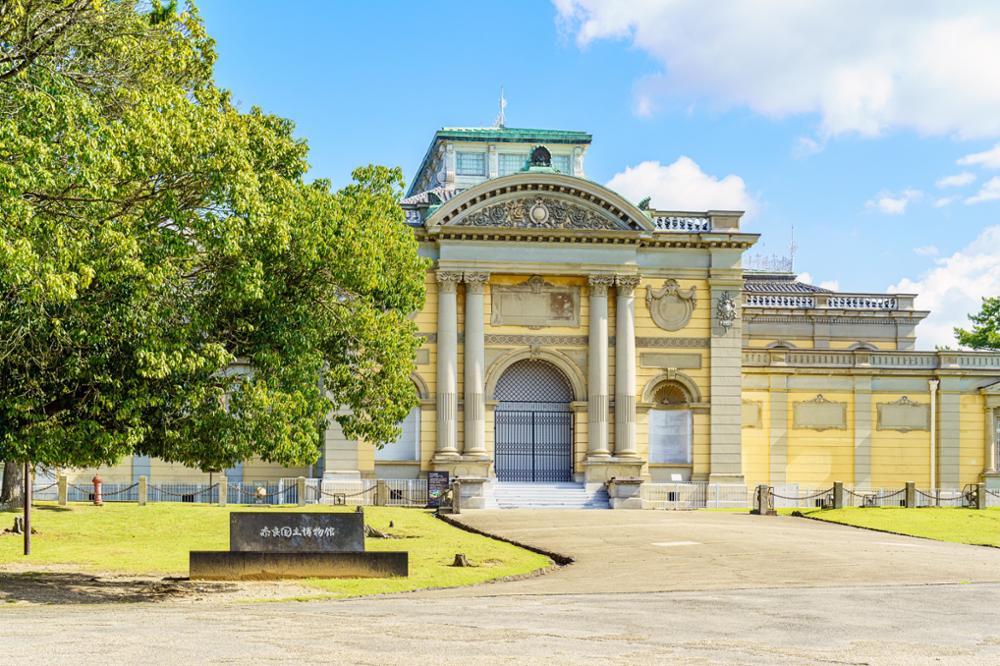
To understand the history of Buddhism, a stop at Nara's National Museum is a must! With English translations available, you can learn more about this religion through numerous artworks (objects, masks, sculptures). Featuring impressive and extensive collections, this museum also hosts temporary exhibitions.
9. Visiting Nara and Staying in a Ryokan
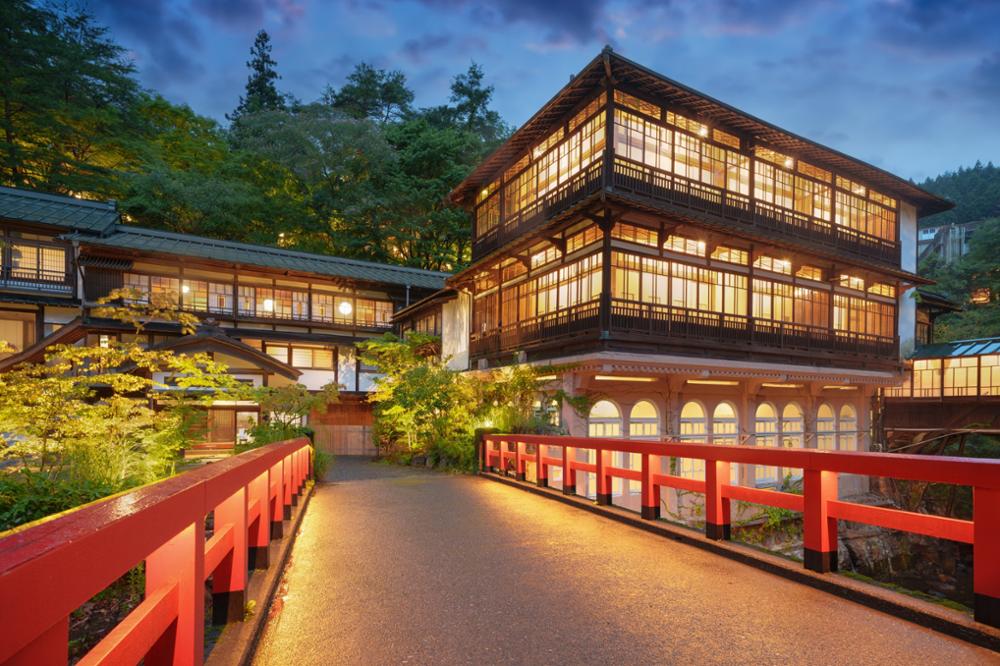
Staying in a ryokan in Japan is a unique and authentic experience you absolutely should not miss... If you're planning to spend more than a day in Nara, treat yourself to a night in one of its traditional inns, often featuring natural hot springs…
How Much Time Do You Need to Visit Nara?
Less expansive than other Japanese cities, Nara allows you to visit its main tourist sites in a single day, including emblematic temples, the Naramachi district, and the sika deer of Nara Park. If you also want to visit the city's national museum and enjoy Nara by night, plan for two days instead.
How to Get to Nara from Tokyo?
To reach Nara from Tokyo, you'll need to take a Shinkansen (high-speed train) heading to Kyoto Station via the Tokaido Shinkansen line (3.5 hours travel time). Once you arrive at Kyoto, you'll need to take a second express train on the JR Nara line to Nara Station (approximately 30 minutes).
FAQ

Which Temple Should I Visit in Nara?
The city of Nara is home to numerous Buddhist temples. Among the iconic ones, don't miss Tôdai-Ji, renowned for its large bronze Buddha statue. Note that Nara Kofukuji temple (also considered one of the must-sees) is under restoration—and will remain closed until 2032.
What to Do in Nara in the Evening?
For a panoramic view illuminated by city lights, head to Mount Wakakusa in Nara Park. For a livelier atmosphere? Don't hesitate to try one of the city's numerous bars, including the cocktail bar Lamp bar.
Frequently asked questions
Yes, it's possible to feed Nara Park's deer by giving them shika senbei, crackers specially designed for cervids, available for purchase at the park entrance. Be cautious, however: avoid giving them other foods, which could harm their health. The deer can sometimes be insistent, even slightly aggressive when they see food.
Nara is easily accessible from Osaka by train. You can take the Kintetsu Nara line from Osaka-Namba Station (approximately 35 to 40 minutes) or the JR line from Osaka Station (approximately 50 minutes). It's one of the fastest and most economical options to reach Nara.
Nara is beautiful in all seasons, but two periods stand out: spring (March-April) to see the cherry blossoms in Nara Park, and autumn (November) to admire the momiji, the reddening of maple leaves in gardens like Yoshiki-en. Summer can be hot and humid, while winter offers a quieter atmosphere with occasional snow on the temples.
Yes, the Japan Rail Pass (JR Pass) is accepted on the JR Nara line from Kyoto or Osaka. However, it's not valid on Kintetsu lines, which nonetheless offer fast and frequent service to Nara. Be sure to check which lines you'll be using before you depart.
Here are the approximate admission fees for Nara's main sites: Heijo Palace is free; Tôdai-Ji temple is paid admission (approximately 600 yen, or $4); Kasuga Taisha shrine costs around 500 yen ($3); Isui-en garden is approximately 1,200 yen ($7); Yoshiki-en garden is free. Nara Park is also freely accessible.