21-Day Japan Itinerary: Discover Your Step-by-Step Journey
Spending 3 weeks in Japan requires extensive planning… Which cities to visit? Is the JR Pass a good option? When is the best time to go? What budget should you expect, and more. This comprehensive guide addresses all your questions for your 21-day Japan adventure.
Spending 3 weeks in Japan requires extensive planning… Which cities to visit? Is the JR Pass a good option? When is the best time to go? What budget should you expect, and more. The journey raises many questions! To help you, here's a 21-day Japan circuit…
Day 1 Departure
Days 2 to 7 Tokyo (5 days)
Day 8 Hakone (1 day)
Days 9 to 12 Kyoto (4 days)
Day 12 Nara-Kyoto (1 day)
Days 12 to 14 Osaka (2 days)
Day 14 Himeji (1 day)
Day 15 Hiroshima (1 day)
Days 16 to 17 Miyajima (2 days)
Days 18 to 20 Fukuoka (3 days)
Day 21 Return
Departure (1 day): Setting off for 3 weeks in Japan!
After a flight (approximately 12 hours) from Paris Charles de Gaulle Airport (CDG), you'll land at Tokyo-Haneda Airport (HND). Upon arrival, you'll need to take a shuttle to reach central Tokyo. Several options are available:
- express trains (serving each terminal, via the Keikyu line),
- buses connecting HND Airport to all city districts,
- taxi (the easiest option, but also the most expensive).
The airport is located approximately 15 km from central Tokyo (expect around 50 minutes of travel, depending on your chosen transport method).
The Japan Rail PassFor an extensive journey across the country, it's essential to take the train in Japan. For this itinerary, you'll need to purchase a Japan Rail Pass (21 days) that allows you to use the entire national Japan Railways network unlimited during your stay. Fairly expensive (approximately €700), this pass grants access to all trains (including high-speed Shinkansen trains)*, airport transfers, metro lines, as well as numerous bus and ferry services. You can purchase the ticket online at the official Japan Rail Pass site before your trip (you'll activate it upon arrival) or on-site at the airport. (*) All Shinkansen trains, except Mizuho and Nozomi express trains. |
Tokyo (5 days): Beginning your 3-week Japan circuit
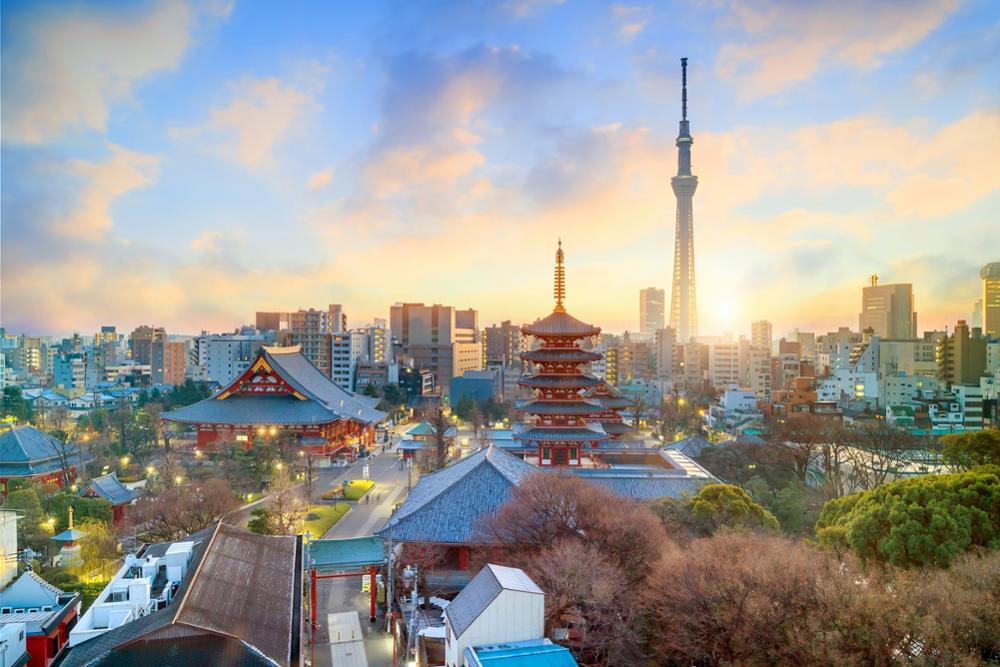
After a good night's sleep at your hotel: head to the heart of Tokyo! The city is filled with must-see attractions… Here are some visit ideas spread over five days – and flexible according to your preferences.
Day 1: Immersion in Japan's capital
Senso-ji Temple. For a first immersive visit into Japanese culture, Senso-ji Temple is an excellent choice. Located in the historic Asakusa district, this Buddhist edifice is known for its vibrant colors.
The National Museum of Tokyo. Renowned as one of the oldest in the country, the National Museum of Tokyo allows you to discover Japanese culture and history through 120,000 works!
Rikugi-en Garden. For your first escape in Tokyo, treat yourself to a moment of relaxation at the end of the day in Rikugi-en Garden. Established in the 18th century, it's considered one of the most beautiful traditional landscape gardens!
Day 2: Imperial Palace and Akihabara District
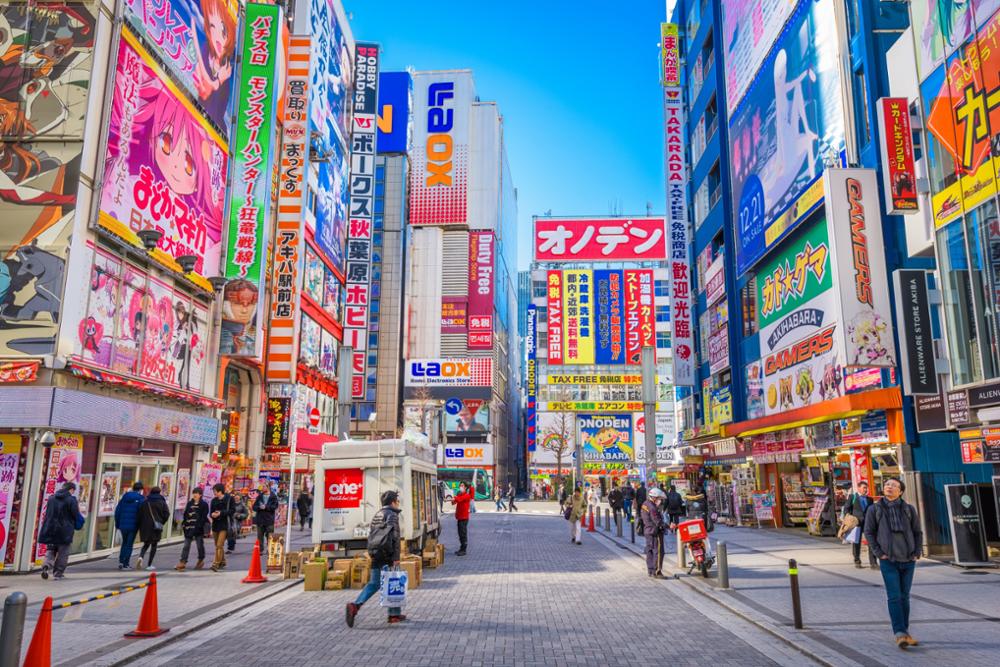
The Akihabara District. The Akihabara Electric Town is a showcase of Japanese technology… Known for its pop culture and iconic video game stores, this high-tech district is extremely popular with geeks and otakus alike!
Tokyo Imperial Palace. Built on the site of the former Edo Castle, then bombed during World War II: the Imperial Palace is a relatively recent edifice, having been reconstructed in 1968. While the gardens are freely accessible, visiting the palace requires prior registration on the official website.
Day 3: Discovery of Odaiba Island and Ginza
The Artificial Island of Odaiba. For an unusual experience, don't miss the Tokyo Joypolis amusement park (located on Odaiba Island, in Tokyo Bay). Spread across three levels, the site offers wonderful entertainment moments through its many attractions (thrilling or otherwise).
The Ginza District. Prized for its luxury and high-tech shops, Ginza blends modernity with tradition through its buildings interspersed with traditional structures. The district is also renowned for its gourmet restaurants.
Hamarikyu Garden. For some peace away from urban frenzy, visit Hamarikyu Garden for a pleasant walk along the pond (whose water level fluctuates with the tides).
Day 4: Harajuku District
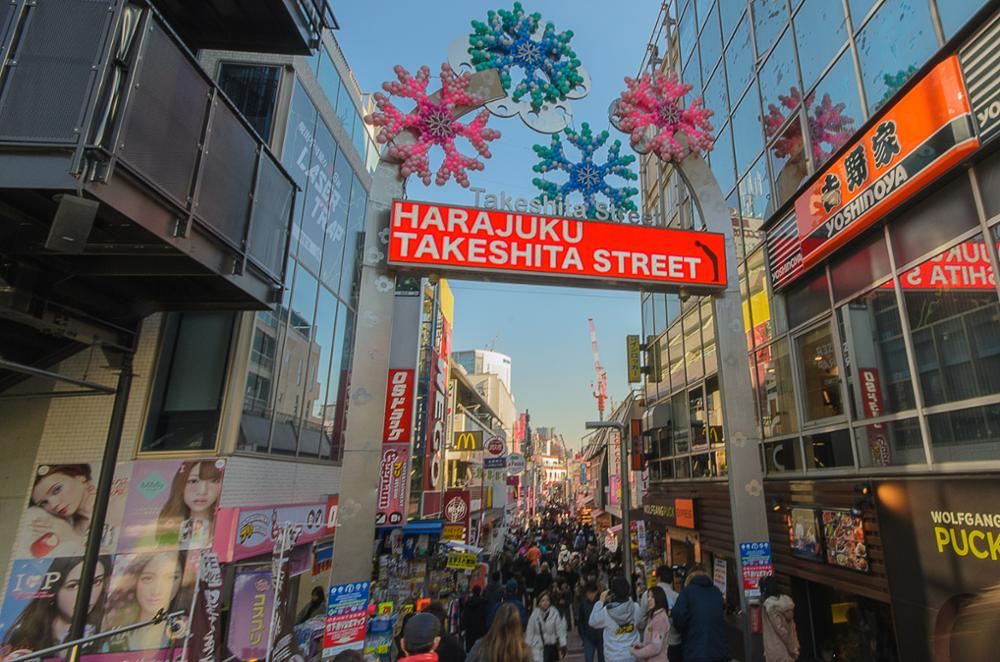
Harajuku is a district renowned for its street art and considered a fashion hotspot. You'll find vintage shops, trendy cafés, the Watar Contemporary Art Museum, and the Meiji-jingu Shinto shrine – one of the most popular in Japan!
Day 5: Heading to Hakone
After some shopping and souvenir hunting: head to Hakone (or one of the best views of Mount Fuji near Tokyo!).
To do this? You'll need to take a bus from Shinjuku Station in Tokyo (the Odakyu Hakone bus company offers a direct route). Expect around 2 hours of travel and €12 for a ticket.
Hakone (1 day): Discovering Mount Fuji
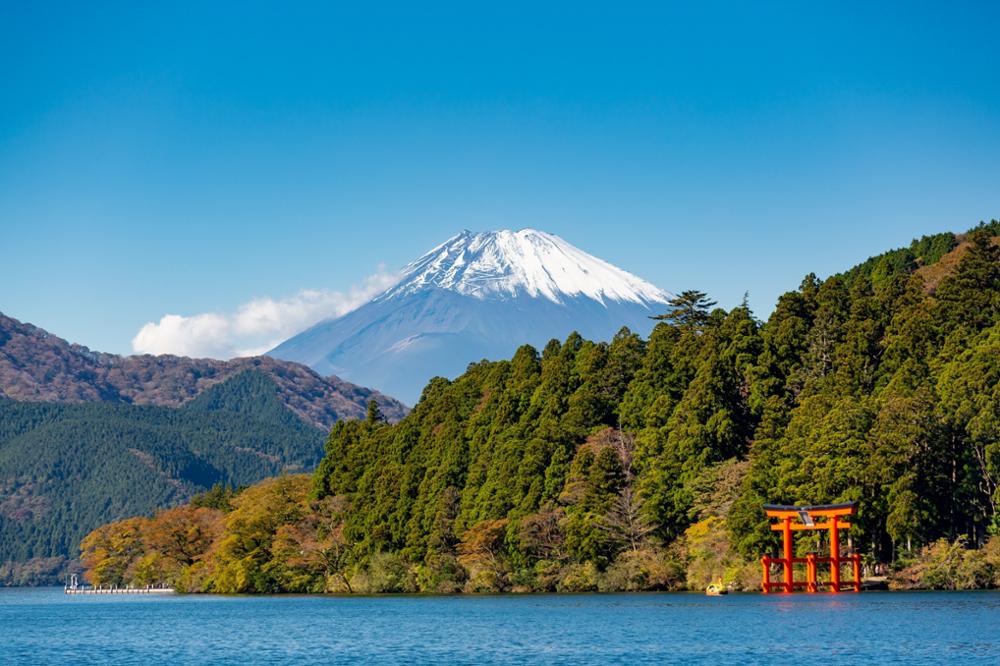
Once you arrive in Hakone? You'll need to take a second bus to the Fuji-Hakone-Izu National Park, then board a boat – for a cruise across Lake Ashi, discovering the region's spectacular volcanic landscapes.
In the evening? Opt for a night in a ryokan! The next morning, head to Odawara Station (Odawara station) and, equipped with your JR Pass, board the Shinkansen heading to Kyoto (approximately 4 hours of travel).
Kyoto (4 days)
Day 1: Visiting the Higashiyama District
Located at the foot of the mountains, the Higashiyama District offers beautiful short walks through the heart of the city. It houses numerous religious structures (including the Kiyomizudera, Nanzen-ji, and Ginkaku-ji temples) and the magnificent Maruyama Park – where you'll likely encounter locals in traditional attire.
Day 2: Visiting Kinkaku-ji Temple
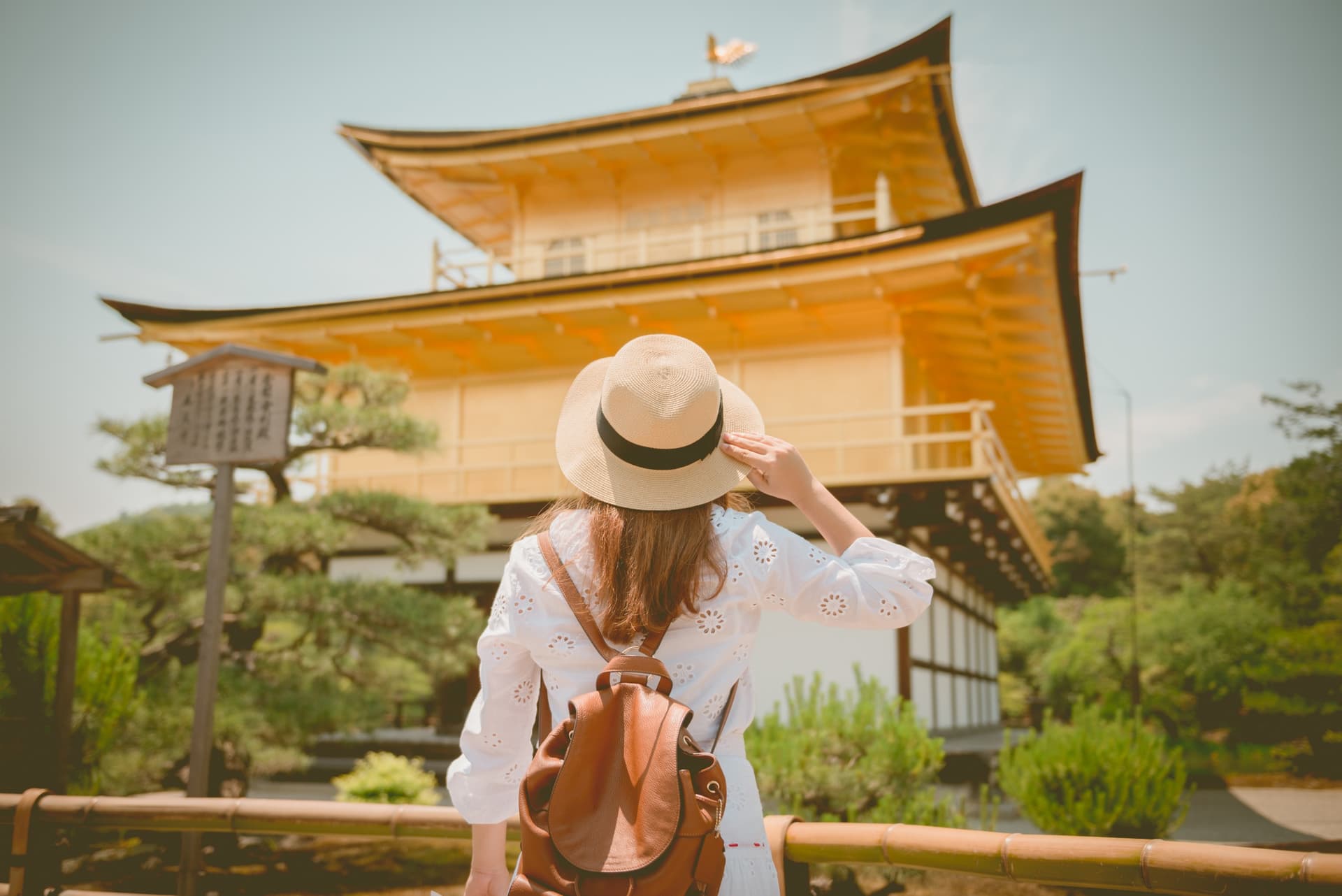
Listed as a UNESCO World Heritage site, Kinkaku-ji Temple is one of Kyoto's emblems. Nicknamed the "Golden Pavilion," this edifice is one of Japan's most visited monuments. One tip? Plan to arrive at opening time…
Day 3: Discovering Arashiyama District
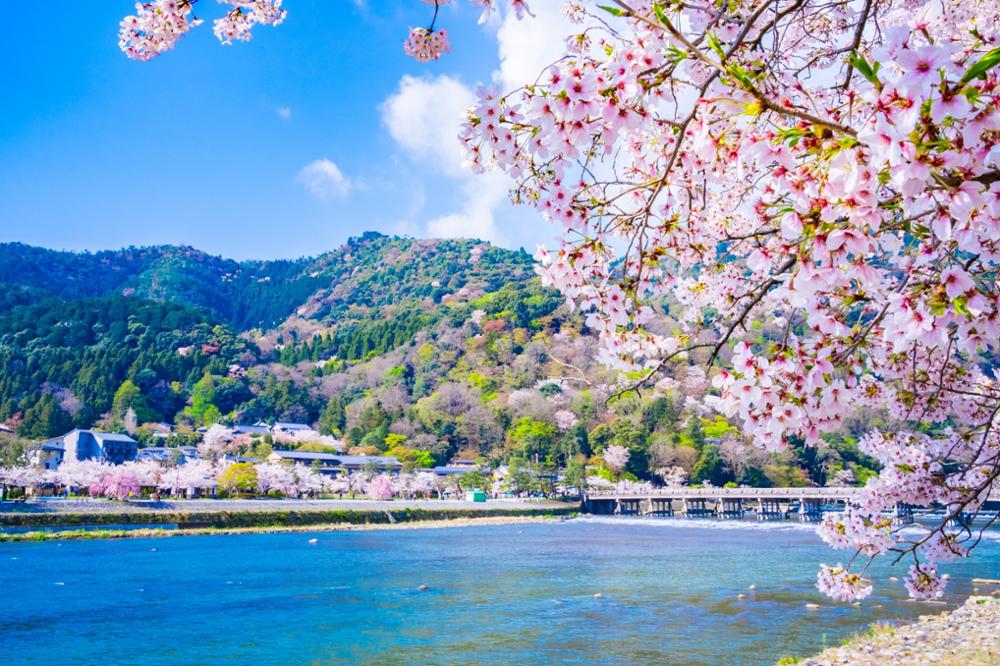
West of Kyoto, discover the Arashiyama district for a peaceful stopover. You'll find temples, a monkey park, as well as a splendid bamboo grove (or the giant bamboo forest of Sagano…).
Day 4: Visiting the Gion District
In the heart of Kyoto lies the historic Gion district. You can admire machiyas, charming traditional houses (particularly found along the emblematic Hanamikoji Street) and encounter maikos – apprentice geishas.
Nara (1 day)
From Kyoto Station, take an express train for a day excursion to the city of Nara (approximately 40 minutes of travel). Once there? Meet the deer in Nara Park!
These animals can be fed with senbei (crackers purchased at the entrance, which help fund the Nara Deer Preservation Foundation). In the evening, return to Kyoto for a good night's rest – and depart by train the next morning for Osaka.
Osaka (2 days)
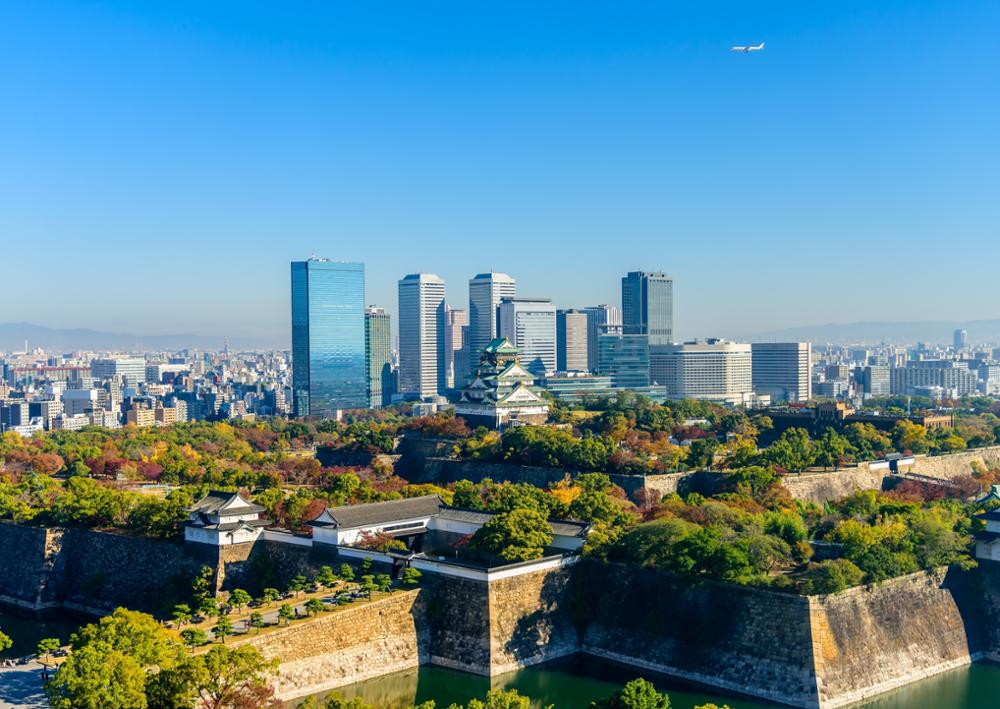
Day 1: Visiting Essential Landmarks
Osaka Castle. Renowned for its architectural beauty, this edifice (reconstructed many times) retains original 16th-century ramparts and moats! It's one of Japan's most famous castles.
Shi Tenno-ji Temple. Near the castle, you'll find Shi Tenno-ji. Built in 593, it's considered one of the country's oldest Buddhist temples.
Day 2: Discovering Kaiyukan Aquarium
Opened in 1990, Kaiyukan Aquarium is one of the world's largest: you can admire 580 aquatic species! Early afternoon, take the direct Hikari train (from Shin-Osaka Station) heading to Himeji (approximately 1 hour of travel).
Himeji (1 day)
Listed as a UNESCO World Heritage site, Himeji Castle is a must-see visit. Nicknamed the "White Heron Castle," it's renowned for its impressive dimensions, beauty, and remarkable resistance to time (natural disasters, wars, etc.).
Hiroshima (1 day)
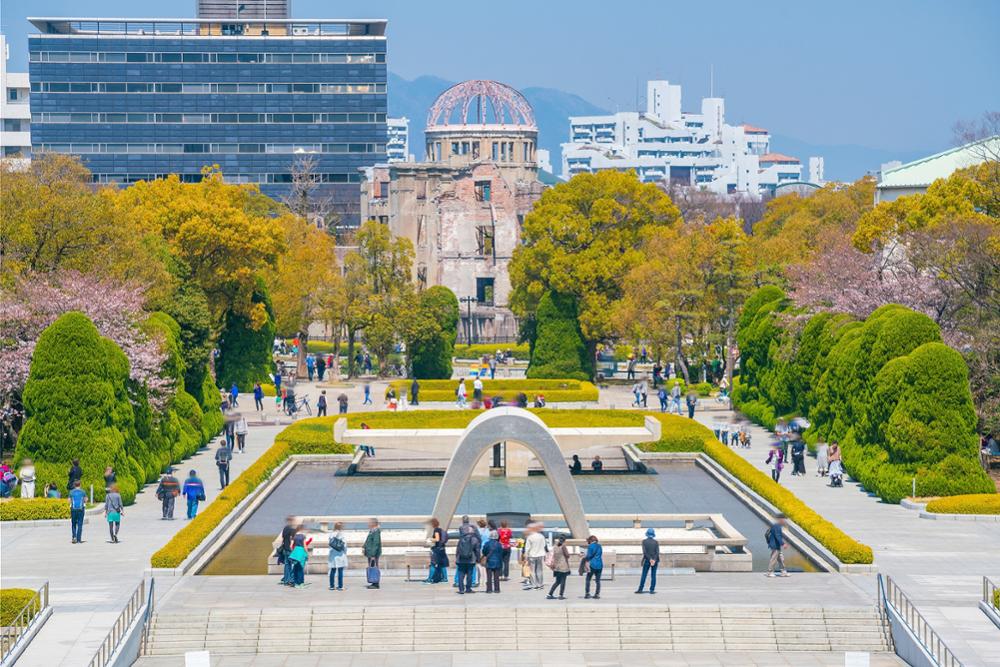
The Peace Memorial Park is a mandatory stop when visiting Hiroshima. Dedicated to victims of the 1945 atomic bombing, the location is deeply moving… The park houses the Memorial Museum and the Genbaku Dome – the only building still standing after the blast.
Hiroshima Castle (reconstructed in 1958) is also a must-see… If you have enough time, make a detour before taking the train from Hiroshima Station to Miyajimaguchi (JR Sanyo line) – from where you'll then take a ferry to Miyajima Island…
Miyajima Island (2 days)
Day 1
Momijidani Koen. In autumn, the Red Maple Valley Park is a must-visit location to observe the glowing red of the maples. More broadly, the park also allows you to admire Mount Misen and stroll along the Momijidani River. To reach the summit area? Take the cable car!
Day 2
The Floating Torii. Located in Hiroshima Bay, Miyajima Island is known worldwide thanks to the floating torii of the Itsukushima Shrine. Erected in 1875 and listed as a World Heritage site, it's one of Japan's most picturesque locations.
Daisho-in. Just steps from the shrine, don't miss this superb Buddhist temple (far less touristy, yet equally fascinating), nestled in a verdant setting…
Be careful to allow enough time to reach the archipelago (ferry), return to Hiroshima Station, and catch a train heading to Fukuoka!
Fukuoka (3 days)
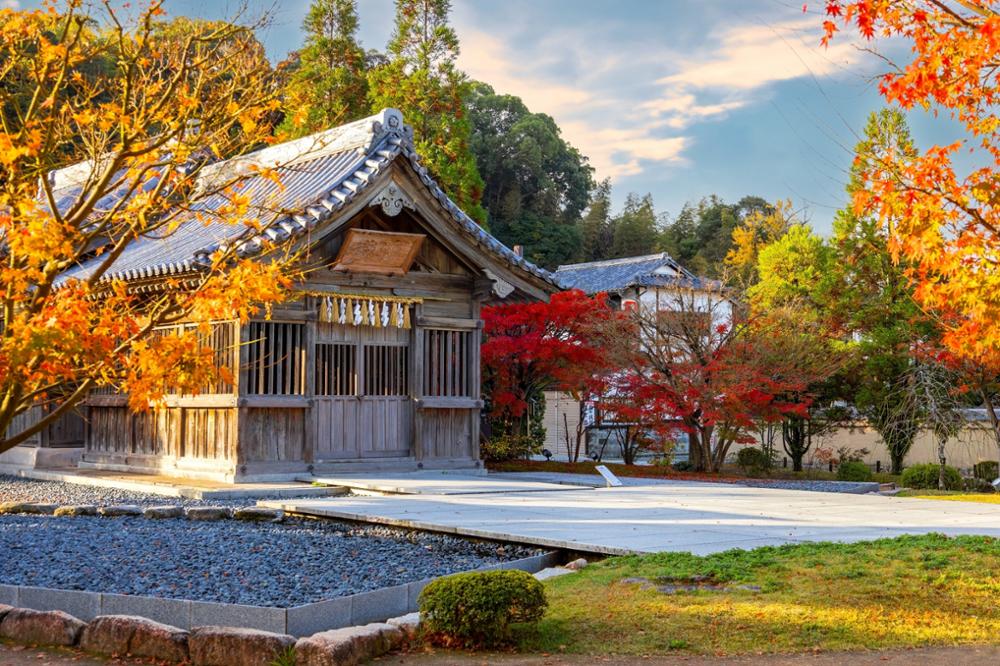
Nestled on the north coast of Kyushu, Fukuoka is Japan's fifth-largest city. Less frequented than other major cities, it's filled with tourist attractions. Among them:
- Numerous temples, such as the Shinto Dazaifu Tenmang Shrine (absolutely incredible), as well as Kushida-jinja, Hakozaki, or Nanzoin – and its gigantic reclining Buddha…
- Canal City Hakata, this massive shopping center is truly worth the detour. Beyond hundreds of retailers and numerous restaurants, this mall houses… a waterway! On the 5th floor sits the famous Ramen Stadium restaurant (one of the local specialties).
One suggestion? Take time to enjoy these final days of your journey, and allow yourself room for improvisation – without worrying about the airport transfer. Indeed, this last stopover has a major advantage: Fukuoka Airport is accessible in just 10 minutes by metro from the city center!
Day 21 Departure
Return to Fukuoka Airport (FUK) by metro. Once there, take one of the free shuttles to reach your terminal (approximately 12 minutes of travel).
What's the budget for a 3-week Japan trip (for two)?
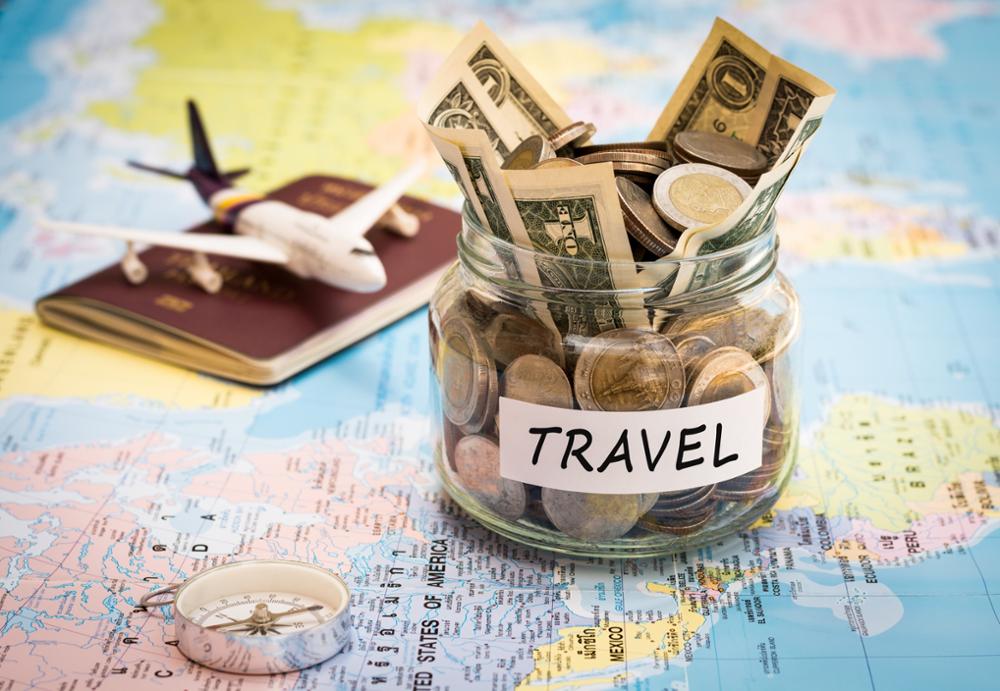
The cost of a Japan trip can vary depending on seasons, accommodation types, and visit prices. To give you an idea of budget for 21 days, here are some examples of costs for a stay in June (peak season) for two people:
● Flight tickets: €2,800 (€1,400/person)
● Transportation: €1,400 in JR Pass (€700/person)
● Accommodation: between €1,000 to €2,000 for a double room for 2 people, in standard hotels (if you opt for one or two nights in a Ryokan, expect approximately €500 more).
● Meals: approximately €1,200 (alternating between good restaurants and fast food)
● Outings/ souvenirs: €800 (most parks and places of worship are free),
● Museums / parks / Sumo wrestling: €500 (some museums are free)
● Pocket Wifi (allowing you to connect everywhere): approximately €250
Total for two people: €8,950 (or €4,475/person)
To reduce costs, you can stay with locals or in youth hostels. For a custom quote, don't hesitate to contact us.
When to visit Japan for 3 weeks (best period)?
Japan is an ideal destination any time of year. The key is choosing a period that matches the atmosphere you seek… Indeed, nature being very important in Japanese culture: each season offers a different face of the country!
Spring (March to May): season of sakuras (cherry blossoms); Golden Week (4 significant and festive holidays between late April-early May). Beware, period prone to pollen allergies and mass tourism (requiring numerous reservations and a more substantial budget).
Summer (June to August): official season for climbing Mount Fuji, with numerous festivals and fireworks. Warm and humid climate (with a rainy season from mid-June onward). Summer is not recommended for pregnant women and family vacations with young children.
Autumn (September to November): with fewer tourists and lower prices, autumn is a good option. Beware, from mid-November onward it's the famous momiji koyo season (the reddening of maple leaves). During this period, tourist influx becomes quite significant again.
Winter (December to February): fairly low temperatures (even harsh, but bearable). Perfect period to enjoy natural hot water springs (the famous Onsens where nudity is customary!). It's also a chance to ski and discover the Japanese Alps…
January and February are considered the "off-season," with more affordable prices. Be mindful, however, that December 29 to January 2 is quite touristy (when many establishments close).
Frequently asked questions
For a 21-day circuit covering Tokyo, Kyoto, Osaka, Hiroshima, and Fukuoka, the 21-day JR Pass (approximately €700/person) is generally worthwhile. Just the round-trip Shinkansen journey Tokyo-Fukuoka costs more than €400 without a pass. The JR Pass grants you access to the entire Japan Railways network, including most Shinkansen trains, with unlimited travels over 21 days.
The average budget for a 21-day Japan trip for two people is approximately €8,950 in peak season (June), or €4,475 per person. This amount includes flight tickets (€2,800), JR Pass (€1,400), accommodation (€1,000 to €2,000), meals (€1,200), outings and souvenirs (€800), museums and attractions (€500), and Pocket WiFi (€250). To reduce this budget, prioritize youth hostels and avoid peak season.
Each season offers a different experience in Japan. Spring (March-May) is ideal for cherry blossoms but very touristy. Autumn (September-November) is an excellent alternative with fewer crowds and colorful landscapes. Winter (December-February) is perfect for hot springs and skiing. Summer (June-August) allows Mount Fuji climbing but has hot, humid weather. For 3 weeks, spring or autumn offer the best balance of weather and tourist offerings.
The train is the ideal transportation method for this 21-day circuit. The Shinkansen (high-speed train) rapidly connects major cities: Tokyo-Kyoto in approximately 2 hours 15 minutes, Kyoto-Hiroshima in 1 hour, Hiroshima-Fukuoka in 45 minutes. The 21-day JR Pass gives you access to most of this network without additional cost. For local trips, each city has an efficient metro, bus, or tram network. The Hakone leg is done by bus from Shinjuku Station in Tokyo.
Yes, it's strongly recommended to book in advance, especially if traveling in spring (cherry blossom season and Golden Week) or autumn (momiji koyo). Reserve your JR Pass before departure on the official Japan Rail Pass site, as it's cheaper purchased abroad. Anticipate accommodations 3 to 6 months in advance for peak periods. Flight tickets and popular activities (sumo wrestling, imperial palace visit) also merit advance booking.