Temple stay in Japan: an unconventional accommodation experience
More than just a place to stay, shukubō (sleeping in a Japanese temple) is a way to rejuvenate far from the city's frenzy. Also called temple stay
More than just a place to stay, shukubō (sleeping in a Japanese temple) is a way to rejuvenate far from the city's frenzy. Also known as temple stay, this practice allows you to embrace spirituality, meditation, and discover another facet of Japanese culture… Here's an in-depth look at this authentic experience – its etiquette and benefits!
Shukubo: why sleep in a Japanese temple?
Immerse yourself in Japanese spirituality
"Sleeping with the monks" is an age-old practice (the Japanese temples and shrines already welcomed samurai and passing pilgrims during the Edo period), which allows you to discover the country's history through the centuries. Like staying in a ryokan, shukubō in Japan promises an authentic experience at the heart of traditional Japanese culture…
Indeed, while monastic life offers a setting conducive to relaxation and a return to roots, it also allows you to discover Japanese spirituality – which is more akin to a way of life than a strict dogma. Thus, a temple stay in Japan is an opportunity for a restorative pause, regardless of your faith (shukubō does not require visitors to practice Buddhism).
Discover forest bathing and restore yourself
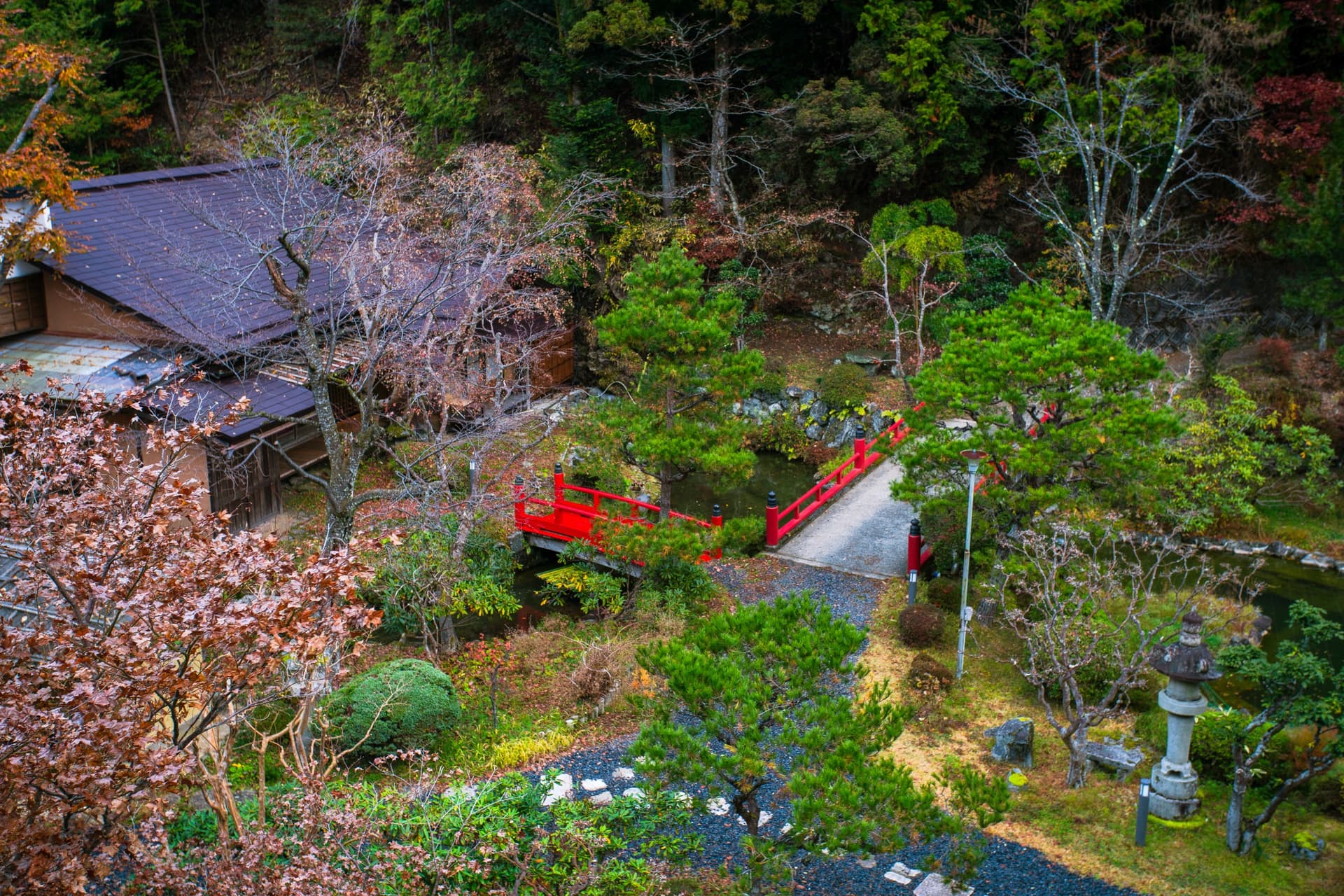
Japanese temples are renowned as excellent power spots: places of positive and beneficial energy that offer a truly wonderful spiritual experience. Beyond their good vibes, these locations owe their reputation to their natural environment – monastic buildings are often surrounded by gardens and situated in remote, nature-filled areas, ideal for "cleansing the spirit" and enjoying a digital detox.
This type of short retreat, away from crowds and noise, is called shinrin-yoku in Japanese, which literally means "forest bath". According to a Spafinder study published in 2015, a quarter of Japan's population was already practicing forest bathing!
Practice meditation
Sleeping in a Japanese temple is also an opportunity to practice meditation with Buddhist monks; to discover (or improve) your meditation practices, which you can then apply in your daily life.
Temple stay: how does a stay in a Japanese temple unfold?
Etiquette and rules
Sleeping in a temple requires certain codes and rules of conduct that must be strictly observed. Remember that shukubōs are not attractions, but religious buildings!
● Shoes: must be removed before entering the building.
● Clothing: attire should be discreet and sufficiently covering (no shorts, low necklines, etc.). Also remember to remove your cap or hat inside the building.
● Schedules: monastic life is governed by strict schedules that must be respected. In the morning, rituals take place around 5 or 6 a.m. In the evening, a curfew is often in place.
● Discretion: a monastery requires near-silence. During a retreat, you are asked to speak softly (and to ask permission before taking photos).
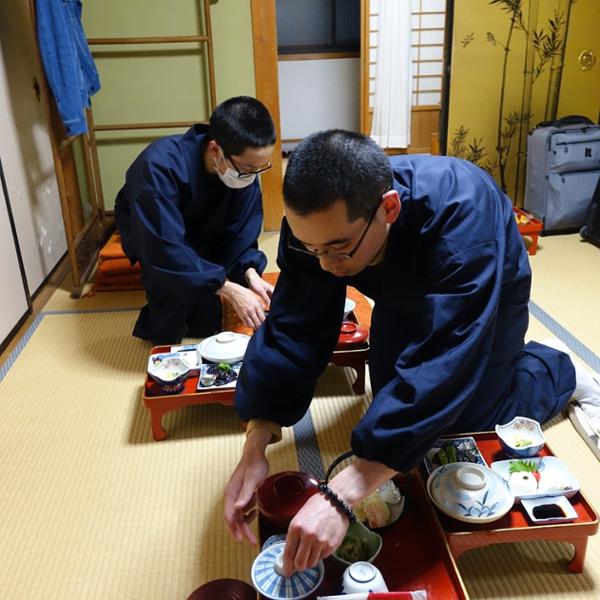
Meals (Shojin Ryori)
Dining in a temple does not mean ordering from a menu. The cuisine is vegetarian or vegan, and identical for all residents. This traditional Buddhist cuisine is called shōjin ryōri and follows the harmony of nature (with local and seasonal ingredients). Note that dinner is served quite early – around 5:30 - 6 p.m.!
Rituals
Rituals such as prayers, chanting, and religious ceremonies take place very early in the morning (around 6 a.m.). If this is too early for you, know that other ceremonies are organized throughout the day, as well as spiritual practices (zazen).
How to book a night in a temple and what is the price?
Price
The price of a shukubo ranges from ¥9,000 to ¥15,000 (55 to 90 €/person, breakfast and meals included). A tip? Remember to withdraw cash before reaching the temple, as many of them, located in remote areas, are not equipped with ATMs and do not accept credit cards. Prioritize cash payment.
Booking
Booking a shukubo is quite straightforward. Most temple stays have an online booking service on their own website, or on major travel booking platforms. If the temple you're interested in doesn't speak English and only provides information in Japanese, you can also reach out to your local travel agency to make the reservation.
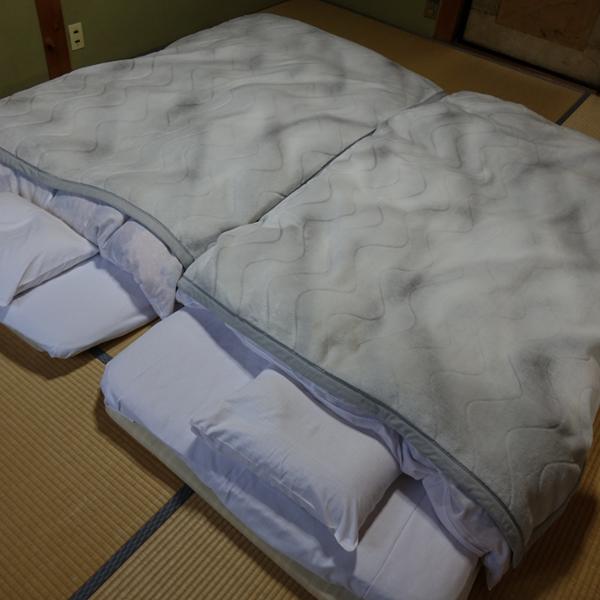
Temple stay standards Temple stays do not all offer the same level of comfort. While some offer rooms with private bathrooms and toilets, most have shared facilities that you'll need to share with other residents. Similarly, while most have fairly simple rooms (futon, minimalist space, etc.), some temples offer more upscale and well-equipped rooms. |
Shukubo Tokyo, Shukubo Osaka, and more: which temples can you stay in across Japan?
Shukubos are generally located in rural areas, in mountainous regions or isolated valleys (the largest concentration of temples is in the central-western region of Japan, in Wakayama prefecture, near Mount Koyasan, with about fifty establishments). Located far from major cities, temples often require taking a bus to reach them.
Takayama Zenko-ji temple
Located in the city of Takayama, this temple houses beautiful rooms with traditional shoji doors. It is renowned for its religious ceremonies and meditation sessions.
Anrakuji temple
Prized for its therapeutic hot springs, this religious building is also one of the main accommodation options on the famous pilgrimage of the 88 temples of Shikoku. It is dedicated to the Buddha of medicine.
Gokurakuji temple
Accessible by train from Nagoya, this sanctuary is renowned for the benefits of its spiritual retreats – and its English-speaking monks, known for their warm welcome. An opportunity to discover the banks of the Miyagawa River.
Waqoo Miidera temple
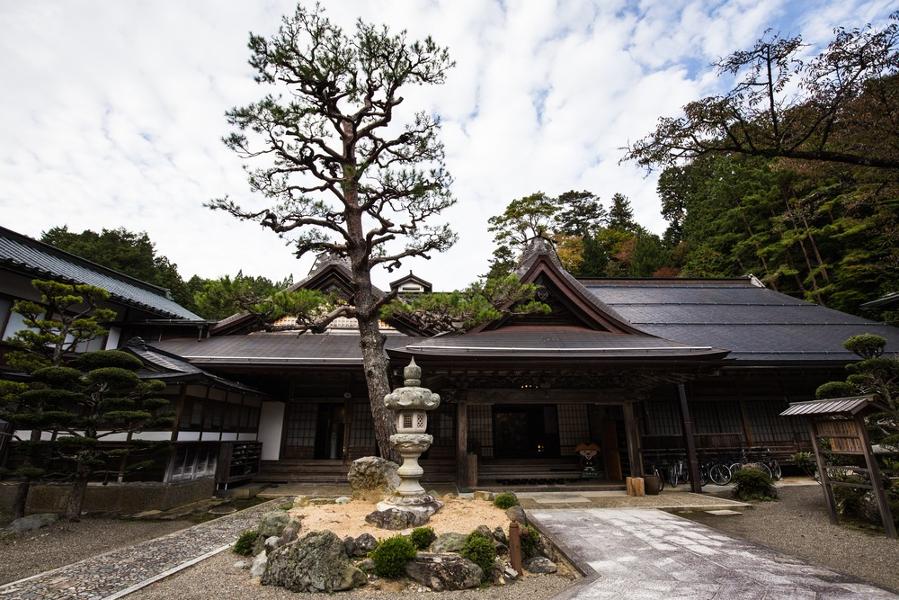
Located near Mount Hiei, in Shiga prefecture, this temple is popular for its idyllic setting and beautiful gardens. Its other advantage? It is located just thirty kilometers from Kyoto.
Kakurinbo temple
Nestled at the foot of Mount Fuji, this temple is easily accessible from Tokyo. Originally designed to welcome novice monks, the establishment is now open to visitors. Its rooms are renowned for their traditional décor. Kakurinbo temple also features two large baths and provides loungewear and pajamas.
Koya-san Ekoin temple (koyasan temple)
A major center of Buddhism, this religious monument is located in the sacred Koyasan area (listed as a UNESCO World Heritage Site). The monks are appreciated for their open-mindedness and esoteric religious practices. The temple also has a dojo dedicated to this practice called ajikan.
Hotel Shoureki-ji temple
Nestled in the mountains of Ayabe, this monastery offers personalized retreats to visitors. Renowned for its hospitality and views of the Yura River, this temple was founded in 942!
Where to meditate in Japan?
Japan is a country renowned for its spiritual culture. Retreats, yoga, zazen classes, bhāvanā: the archipelago is home to numerous establishments where you can pursue relaxation, regardless of the discipline. The cities of Kamakura, Kyoto, and Nara, in particular, are renowned for their temples and spiritual practices.
Frequently asked questions
No, shukubo (temple stay in Japan) is open to everyone, regardless of your religion or faith. You simply need to respect the rules of monastic life: discretion, schedules, and appropriate dress code.
The price of a shukubo generally ranges from ¥9,000 to ¥15,000 per person (approximately 55 to 90 €), meals included (breakfast and dinner). Remember to bring cash, as many temples do not accept credit cards.
Most temples offer online booking through their official website or on travel platforms. If the temple communicates only in Japanese, your local travel agency can help you make the reservation.
The cuisine served in temples is shōjin ryōri, a Buddhist vegetarian (sometimes vegan) cuisine composed of local and seasonal ingredients. The menu is identical for all residents and dinner is served early, around 5:30-6 p.m.
Several temples welcome foreign visitors, including Kakurinbo temple (at the foot of Mount Fuji, accessible from Tokyo), Koya-san Ekoin temple (at Koyasan, listed as a UNESCO World Heritage Site), or Gokurakuji temple (accessible from Nagoya), whose monks are English-speaking.
Monastic life follows strict schedules: morning rituals begin around 5-6 a.m., dinner is served around 5:30-6 p.m., and an evening curfew is often in place. It is essential to respect these rhythms to avoid disturbing the community.