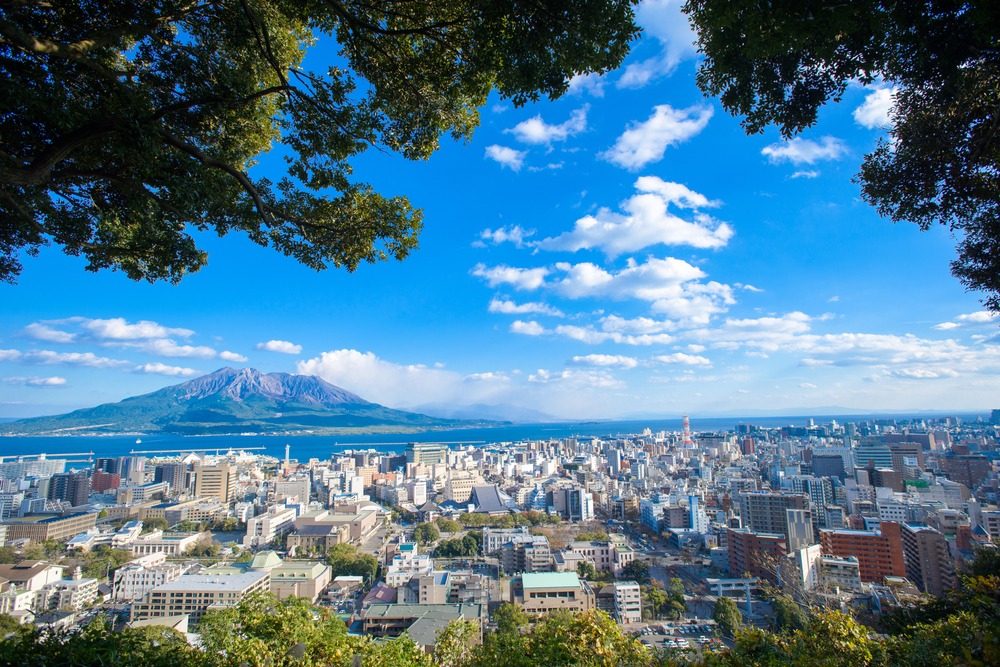
What to Do When It Rains in Tokyo?
A trip to Tokyo requires careful planning. But sometimes unpredictable weather changes your itinerary – especially during tsuyu, the rainy season.
A trip to Tokyo requires careful planning. But sometimes unpredictable weather changes your itinerary – especially during tsuyu, the rainy season. Fortunately, Japan's capital offers countless indoor activities… Here are some ideas for making the most of Tokyo when it rains!
Attending a Tea Ceremony in Tokyo When It Rains
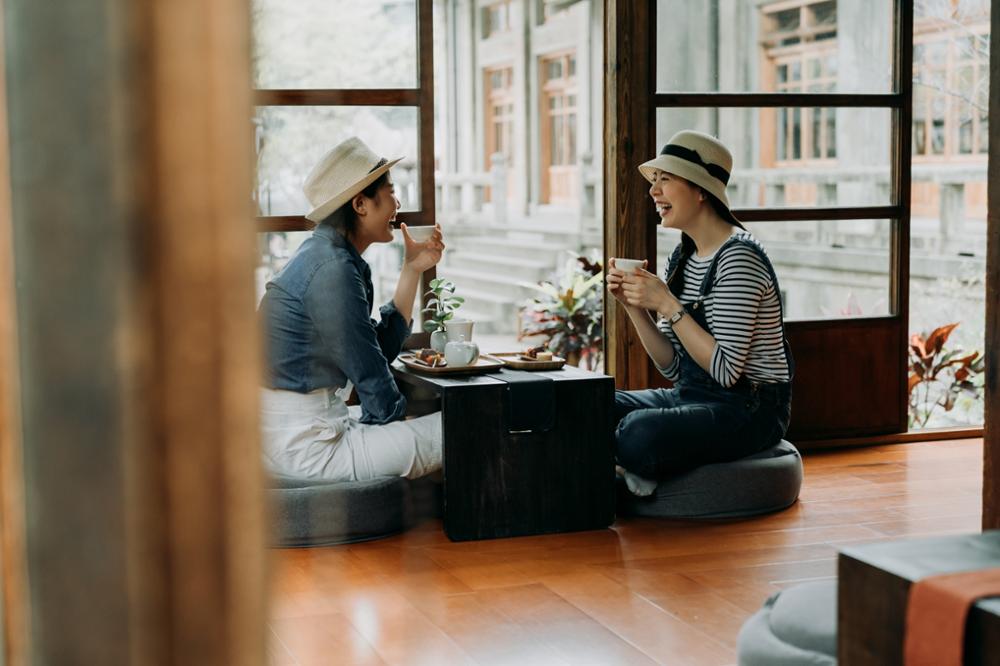
Far more than just a rainy-day activity, attending a tea ceremony in Japan is a chance to discover an age-old tradition! Typically held in a chashitsu (tea pavilion), chanoyu follows a precise protocol…
Guided by a tea master, you'll learn how to hold your chawan (bowl), savor your wagashi (traditional sweet) and enjoy matcha tea. You can also experience this traditional ceremony at certain tea houses and the Shunkaen Bonsai Museum*.
Practical Information*
Address: 1 Chome-29-16 Niihori, Edogawa City, Tokyo 132-0001
Opening Hours: Tuesday to Sunday 10:00–17:00
How to Get There: Bus 76 (Keiyouguchi stop)
Watching a Sumo Tournament
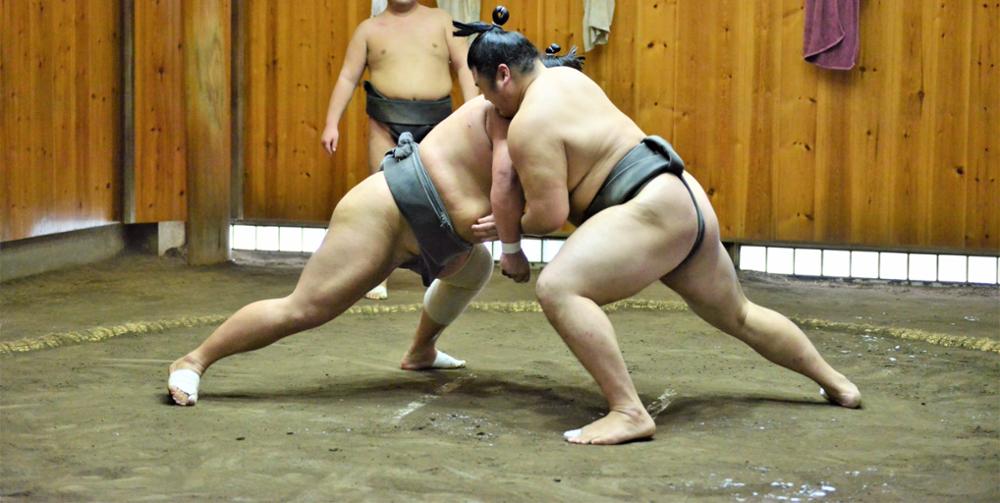
Rainy weather is the perfect excuse to watch a sumo tournament. Known for the distinctive physique of its wrestlers – some sumōtori weighing up to 220 kilos! – this martial art demands rigorous discipline and strict lifestyle requirements from its athletes.
Between the three annual Tokyo tournament periods (held in January, May and September at the famous Kokugikan Sumo Hall), use the rainy weather to watch training sessions at a heya (a stable where sumo wrestlers live and train). These stables open their doors to the public outside of tournament periods.
Practical Information
District: Ryogoku (known as the "sumo district")
Stables: Tamanoi-beya, Tomozuna-beya, or Arashio-beya
To Know: training sessions start very early in the morning (6 a.m.) and last 2 to 3 hours. During training, conversation, eating, etc., are prohibited. Advance reservation is essential.
Discovering Meiji-jingū Gaien and its Shrine
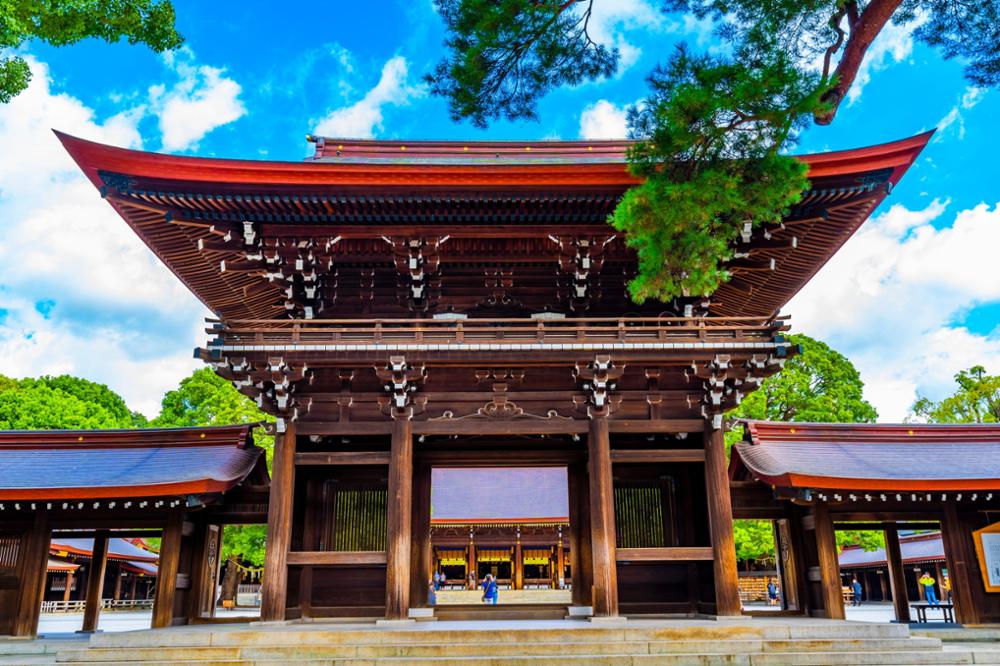
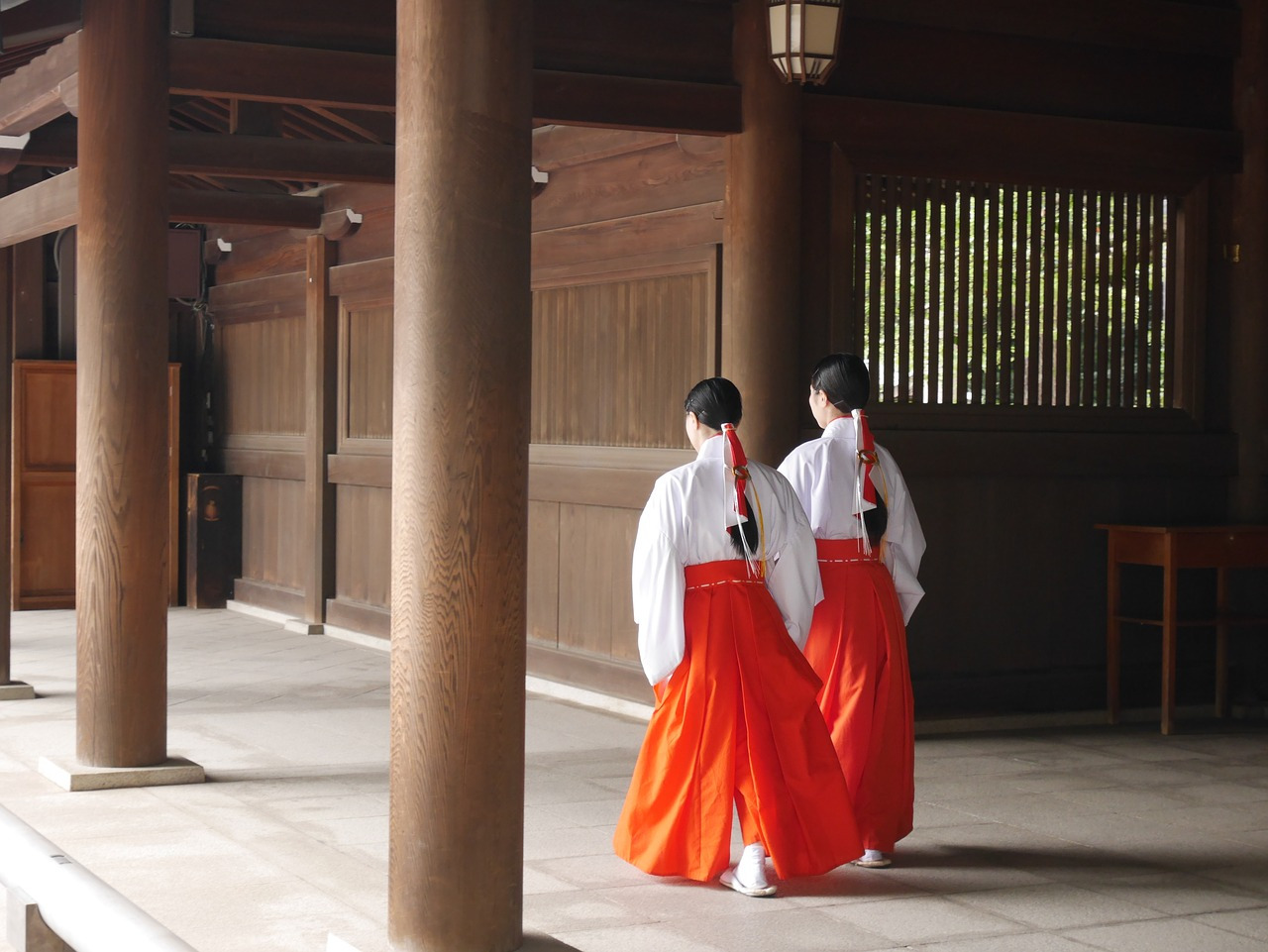
Built in 1920, the Meiji-jingū Gaien complex is one of Tokyo's rare green spaces. The site features a grand imperial garden (famous for its ginkgo biloba trees), sports facilities and the Meiji-jingu shrine, divided into several sections…
If you're lucky, you may see young newlyweds in traditional dress – the Shinto shrine is a highly sought-after venue for weddings. The complex is also located near many shops and restaurants.
Practical Information
District: Harajuku
Subway Station: Aoyama-Itchome
Visiting Unique Places of Worship
The Sugamo Kamodai Kannondo Shrine
Tokyo is home to many temples and shrines not to be missed. Among them? The Sugamo Kamodai Kannondo (renowned for its distinctive snail-shaped architecture)! Built on the Taisho University campus, this Buddhist temple is open to the public.
Its entrance hall welcomes visitors with a fragrance specially created for the building by French perfumer Christophe Laudamiel – a scent designed to "calm spirits".
Practical Information
Address: 3 Chome−20−1 11 3 Chome Nishisugamo, Toshima City, Tokyo
Opening Hours: Daily 09:00–17:00
The Rurikō-in Byakurenge-dō Temple
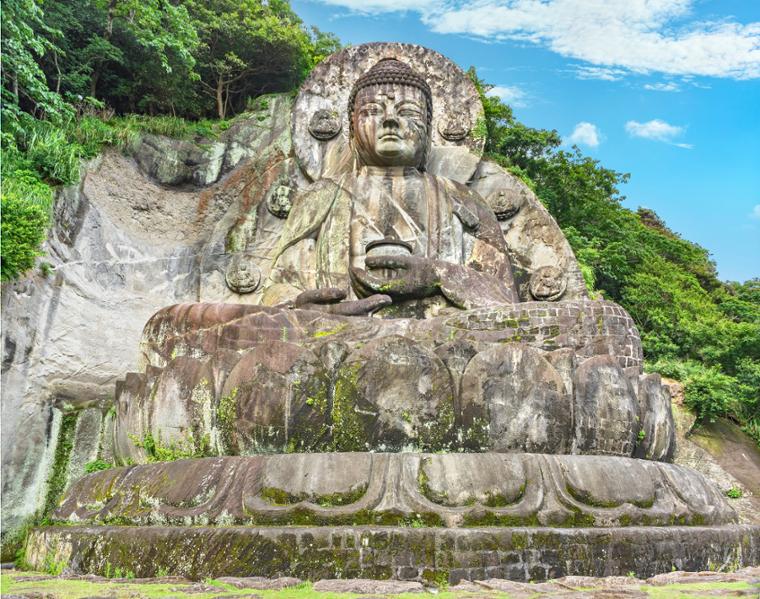
Built in 2014, Rurikōin Byakurengendō is recognizable by its futuristic white concrete architecture and distinctive shape representing a lotus flower. The building was designed to withstand earthquakes thanks to its anti-seismic structure.
Practical Information
Address: 2-4-3 Yoyogi, Shibuya-ku, Tokyo 151-0053
How to Get There: 3 minutes' walk from the south exit of JR Shinjuku Station
Opening Hours: Daily 10:00–18:00
Taking a Bath in an Onsen or Sentō
Onsen (hot springs) are hot water baths fed by volcanic sources. Their temperatures, ranging from 25°C to 50°C, are ideal for relaxation. There are outdoor onsen but also indoor ones, in traditional inns – ryokans. An unmissable activity… if you're comfortable with nudity!
It's also possible to bathe in sentō (public baths). While these are less common today, they remain an integral part of Japanese culture.
Tasting Street Food at Omoide Yokocho
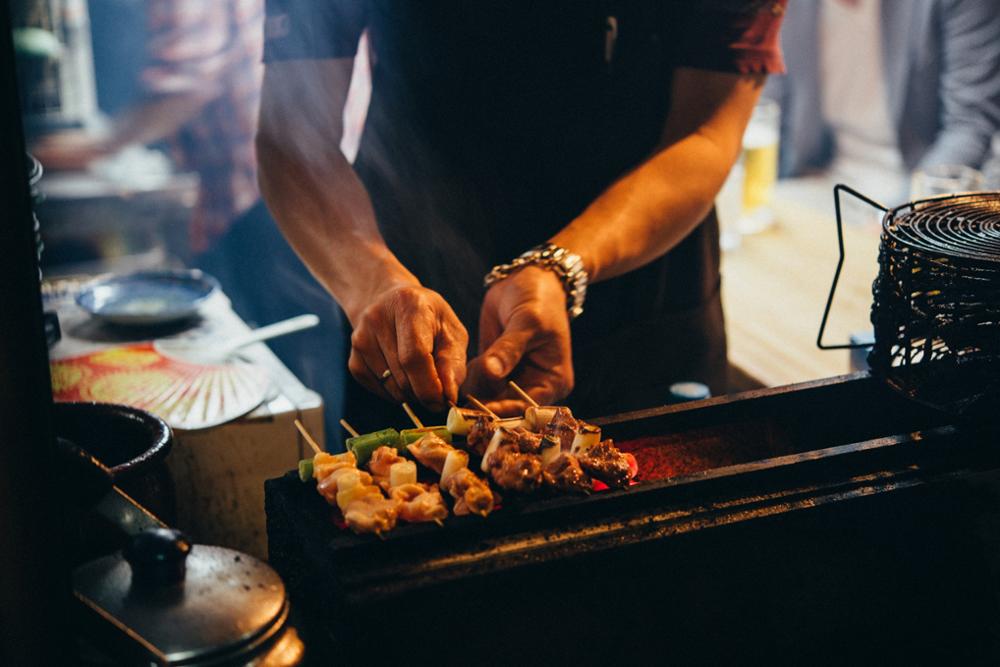
Omoide yokocho is an emblematic alley of covered back streets, bustling with izakaya (small casual eateries). These pedestrian streets are perfect for sampling Japanese street food, such as takoyaki (octopus balls) or the unmissable okonomiyaki omelette!
Practical Information
Address : 1 Chome-2 Nishishinjuku, Shinjuku City, Tokyo 160-0023, Japon
Exploring Ueno Park and Its Museums
In case of heavy downpours, head to the Ueno Park! Featuring the Senba Toshogu Temple and four museums, it's an ideal refuge for a great day in Tokyo, rain or shine!
The National Museum of Tokyo
Founded in 1872, this museum is divided into five pavilions and houses nearly 100,000 artworks and Japanese objects in its collection!