Typhoons in Japan: How to React in Case of a Storm?
Worried about a typhoon during your trip to Japan? Don't be concerned! This natural phenomenon is an integral part of Japanese culture.
Worried about a typhoon during your trip to Japan? Don't be concerned! This natural phenomenon is an integral part of Japanese culture. Indeed, the country is regularly traversed by tropical storms – and is prepared for all weather conditions and strong wind gusts... Discover how to make the most of your trip during typhoon season in Japan.
Typhoon season in Japan: origin and timing of the phenomenon
What is a typhoon?
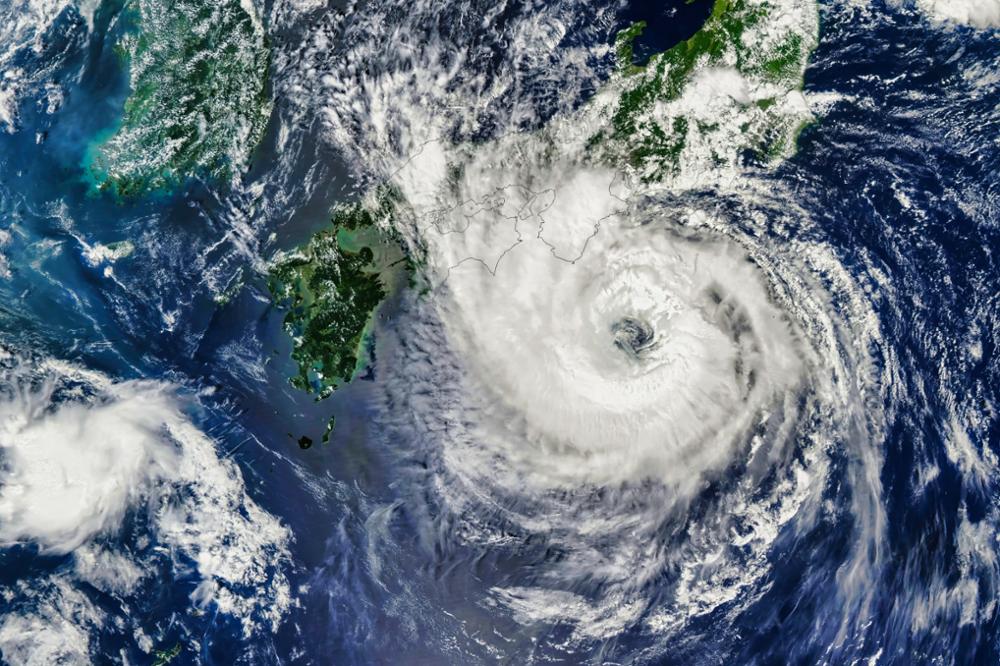
Like cyclones and hurricanes, typhoons are storms accompanied by rain and wind gusts exceeding 119 km/h. The difference between the three lies in their geographic location. We speak of:
● cyclones in the Indian Ocean, northwest of Australia, and east of Africa,
● hurricanes in the eastern Pacific Ocean and the Caribbean zone of the Atlantic,
● typhoons in the equatorial waters of the Pacific and Asia.
So there are no cyclones in Japan nor hurricanes, but taifû! Asian typhoons are generally born in the Northwest Pacific, and then strike, for several hours, certain regions or the entire archipelago.
Each year, the country is struck by around thirty typhoons, about ten of which hit the Okinawa archipelago, located southwest of Honshū (the main island). The two other most-affected regions are the Kyushu islands and Shikoku – renowned for its pilgrimage route of 88 temples.
When is typhoon season in Japan?
Typhoon season in Japan extends from May to October. However, since the most significant storms occur from mid-August onwards, it is customary to say that typhoon season is summer.
Climate change is increasingly affecting the timing of storms in Japan. In fact, these tend to form later in the year – in 2023, several typhoons were recorded in November.
If a typhoon is announced before your departure to Japan? Have no fear! Your flight won't be cancelled, but only advanced or delayed. Despite being impressive, typhoons remain predictable phenomena that have little impact on the daily life and functioning of the country.
Typhoon season should therefore not discourage you from choosing to travel to Japan – even if you wish to travel to Japan with children.
Travel to Japan: what to do in case of a typhoon?
Typhoons are predictable phenomena that are easy to anticipate. Unlike earthquakes – which show no warning signs – taifû are fairly slow and allow time to prepare…
Follow the news on the web and mobile apps
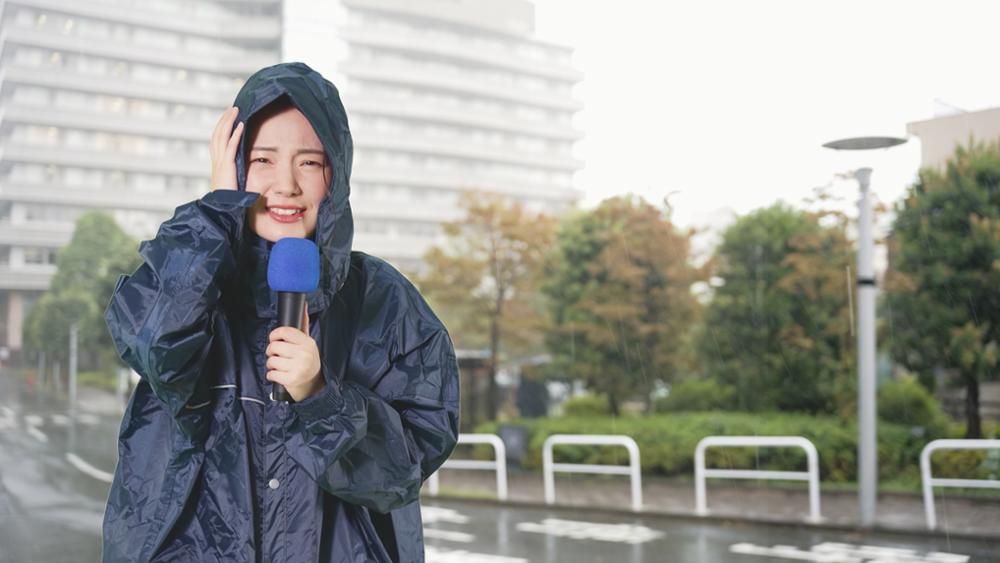
In case of a typhoon in Japan, it is recommended to follow the news. This allows you to learn more about its path (and the exact time of its passage). There are several ways to stay informed.
● The Japan Meteorological Agency : equipped with an English version, this site allows you to easily learn about the typhoon's progress, through the authorities.
● Japan Safe Travel on X (formerly Twitter) : managed by the National Organization of Japanese Tourism, this account provides the latest information in case of natural phenomena, as well as safety advice.
● Safety Tips : this app sends notifications to smartphones in case of significant weather phenomena or maximum flood alerts.
● Japan Shelter Guide : this mobile app provides the names of centers and places to take shelter in case of evacuation from your area, via notifications.
● Official websites of train stations and airports.
Take shelter or evacuate (depending on your area)
Take shelter
Since Japan is accustomed to typhoons, the country has only built buildings capable of withstanding this type of weather since the early 1980s. The result? You can enjoy indoor activities (such as visiting museums or shopping in shopping malls) in complete safety, while waiting for the weather to clear…
Evacuate (depending on your area)
However, even though infrastructure provides real protection, the severity of a typhoon sometimes requires evacuating an area or region that may be affected by river flooding. Therefore, it is important to follow the news from the information sources mentioned above. There are four alert levels:
● Level 1 (gray) : remain alert (and closely monitor the situation),
● Level 2 (yellow) : identify evacuation locations,
● Level 3 (red) : people (who take longer to move) must evacuate, as a precaution.
● Level 4 (purple) : evacuate immediately.
Regardless of the alert level, you should:
● Determine the evacuation location (based on information communicated on the Japan Shelter Guide app).
● Prepare a bag with your documents, cash, food, a change of clothes, your toiletries, a phone charger, and if possible, a flashlight.
Did you know? After each typhoon in Japan comes a beautiful sunny day... This phenomenon, named taifu ikka (or "typhoon passed") is renowned for its gentle atmosphere and superb luminosity...
Shanshan: focus on the latest typhoon in Japan in 2024
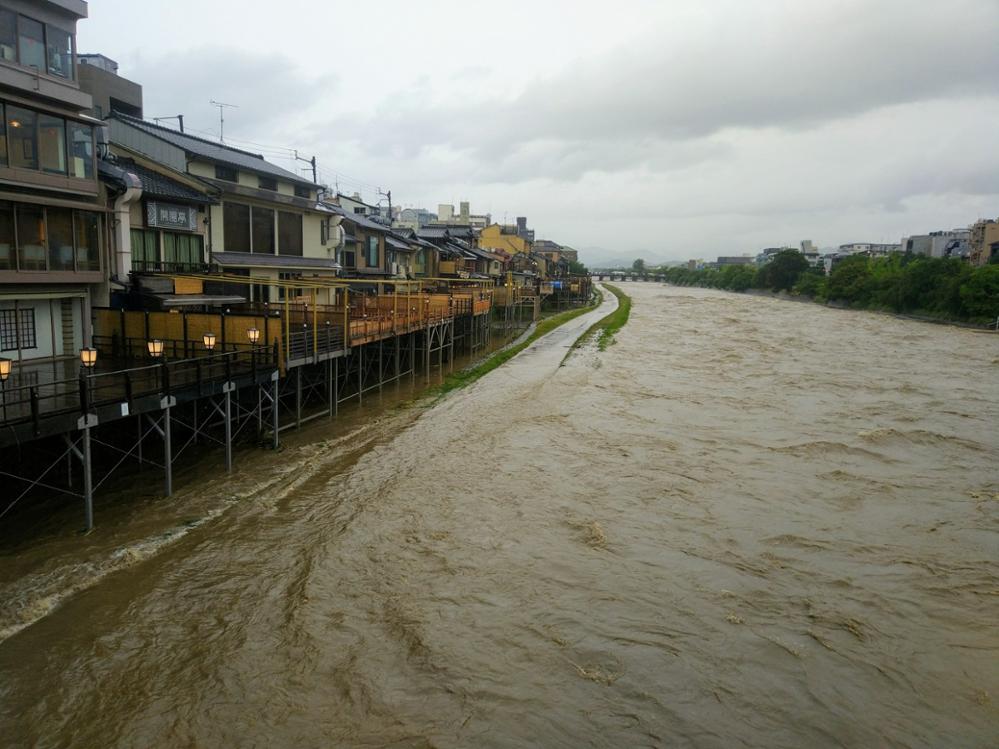
Most typhoons are not dangerous. However, this type of storm can sometimes cause flooding and significant damage. The most recent one is Typhoon Shanshan...
Occurring in August 2024, it caused landslides over a hundred kilometers, due to heavy rain and winds exceeding 250 km/h! Fortunately, such violence is quite rare.
Frequently Asked Questions
When is typhoon season in Japan?
Typhoons occur when weather conditions are unstable. In Japan, this instability manifests particularly toward the end of summer, from mid-August to early October. During this peak period, the country experiences violent weather, exceeding 119 km/h.
Which month sees the most typhoons in Japan?
Peak typhoon activity occurs between August and September. During this period, it is not uncommon for certain Japanese regions to experience multiple storms (notably the islands, such as Okinawa).
Frequently asked questions
Yes, it is entirely possible to travel to Japan during typhoon season (May to October). Typhoons are predictable phenomena that allow time to organize. Japanese infrastructure is designed to withstand bad weather, and authorities communicate in real time about storm trajectories. You just need to follow weather news via apps like Safety Tips and adjust your plans if necessary.
Two apps are particularly recommended: Safety Tips, which sends weather and flood alert notifications to your smartphone, and Japan Shelter Guide, which indicates the closest evacuation centers to your location. It is advisable to download them before departure and configure them to receive notifications in English.
Flights are rarely cancelled due to typhoons, but they may be advanced or delayed. In case of cancellation, your airline is required to offer you a replacement flight or a refund according to your ticket conditions. It is strongly recommended to purchase travel insurance covering weather-related risks before departure.
Japan uses four alert levels in case of a typhoon: level 1 (gray) calls for vigilance and monitoring the situation; level 2 (yellow) asks you to identify evacuation locations; level 3 (red) involves evacuating people with reduced mobility or vulnerable persons; level 4 (purple) requires immediate evacuation from the affected area.
The regions most frequently affected by typhoons in Japan are the Okinawa archipelago (to the southwest), which experiences around ten typhoons per year, as well as the Kyushu and Shikoku islands. Tokyo and Honshū (the main island) may also be crossed by storms, particularly between mid-August and early October.