How the Japanese Celebrate New Year's Eve
On New Year's Eve (大晦日 oomisoka), most Japanese people spend the occasion with their families.
On New Year's Eve (大晦日 oomisoka), most Japanese people spend the occasion with their families.
While in Europe and the United States people typically spend Christmas with family and New Year's Eve celebrating with friends, in Japan it's the opposite: Christmas holds little significance (often celebrated with friends or a partner), but the New Year (お正月 o-shôgatsu) is a major celebration.
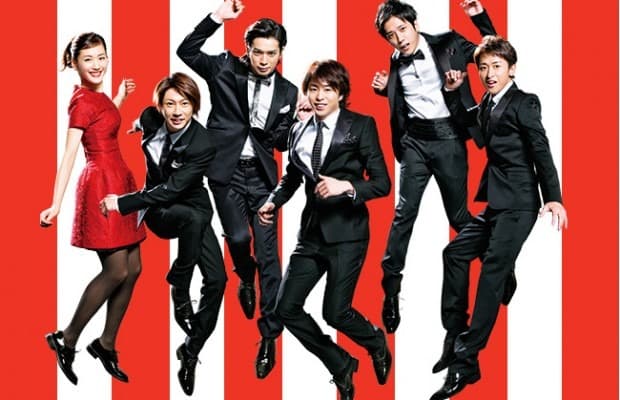
Japanese people observe well-established customs on New Year's Eve, almost like a ritual. First, they watch the "Kohaku Uta Gassen" 紅白歌合戦, a grand song contest celebrating the year's transition. "Kohaku" 紅白 means "red and white," the colors that symbolize joyful occasions in Japan. These colors are used to celebrate the New Year, and also at events like weddings (in contrast to "black and white," which signify mourning).
The "Kohaku Uta Gassen", this grand singing contest, pits two teams against each other: women (in red) on one side and men (in white) on the other. Traditionally, a jury determines who sang best, but today the public can also vote from home. That said, which team wins is not particularly important—what matters is the entertainment. The Kohaku Gassen program is often mixed: modern Japanese music (commonly called "J-pop") and traditional Japanese songs (演歌 enka). Men and women alternate, and you'll typically hear more J-pop at the beginning (when children are still awake) and more traditional songs at the end (when children are tired or falling asleep, to please the grandparents).
The Kohaku Gassen ends at 23:45 (it's often when the famous singer Kitajima Saburô 北島三郎 makes his entrance that you feel the end of the contest—and the year—approaching...). Then, 108 bell chimes ring in the new year (given the number of chimes needed, a good fifteen minutes are required to complete them!), with the final chime marking the arrival of the New Year.
This is when you can appropriately use the phrase "Akemashite omedetou gozaimasu, kotoshi mo yoroshiku onegai shimasu" 明けましておめでとうございます,今年もよろしくお願いします.
Finally, the time has come to eat "toshi-koshi soba" 年越しそば, or "year-crossing soba." The length of the soba noodles symbolizes a long life, which families wish for as they welcome the New Year.
Frequently asked questions
To wish someone a happy new year in Japan, you use the phrase 'Akemashite omedetou gozaimasu, kotoshi mo yoroshiku onegai shimasu' (明けましておめでとうございます,今年もよろしくお願いします), which roughly means 'Congratulations on the new year, I look forward to your continued support this year.'
The Kohaku Uta Gassen (紅白歌合戦) is a major televised singing contest broadcast every December 31st on NHK. It pits a female team (in red) against a male team (in white) and features both modern J-pop and traditional Japanese songs (enka). It ends at 11:45 p.m., just before the transition to the new year.
According to Japanese Buddhist tradition, 108 bell chimes (joyanokane) are rung at midnight in temples to dispel the 108 earthly desires that are sources of suffering in Buddhism. The final chime symbolically marks the entry into the new year.
Toshi-koshi soba (年越しそば) is a traditional buckwheat noodle dish typically eaten on the evening of December 31st. The length of the soba noodles symbolizes a long life and the transition between years. It's a tradition that most Japanese families continue to observe today.
In Japan, Christmas is not a traditional family holiday—it's celebrated mainly with friends or as a couple. By contrast, the New Year (o-shôgatsu) is the most important family celebration of the year, comparable to Christmas in Europe, complete with well-established rituals like Kohaku, bell chiming, and toshi-koshi soba.