Some Surprising Facts About Japan
"The experience of the foreign," with its observations of cultural displacement and otherness, has been a recurring theme for centuries, particularly in travel writing.
"The experience of the foreign," with its observations of cultural displacement and otherness, has been a recurring theme for centuries, particularly in travel writing. Inevitably, this genre carries with it countless clichés and commonplaces elevated to the status of discoveries. Yet in this domain, modern Japan seems to be fertile ground. Regarding this country, indeed, such literature has only grown in volume over recent decades. It now proliferates across books and periodicals as well as through numerous online personal journals.
The first instinct of an "exoticizing" gaze is to emphasize singular aspects that are obvious, in the process forgetting the essential common ground that nonetheless forms an indispensable prerequisite for such a mythic vision. In other words, if contemporary Japan strikes us so readily in its differences, it is first because this country, through its evolution over the past hundred and fifty years, is in many respects the closest to us among all those in its cultural sphere.
Nevertheless, it remains true that a stay in Japan naturally leads the foreign visitor to a number of observations often unprecedented in their experience.
Culinary specialties that are nothing short of eye-opening
Unsurprisingly, culinary habits form a first context for discoveries. Here are several ingredients more or less unexpected, yet in common consumption.
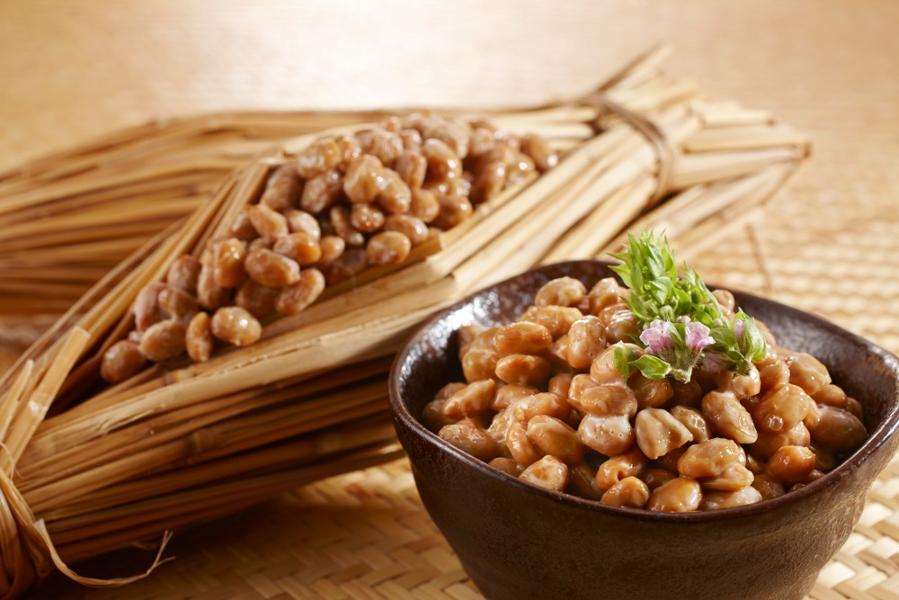
Nattô, soybean seeds darkened by prolonged fermentation, is famous for its pronounced odor and stringy appearance, and divides even Japanese consumers themselves. In many ways, it can be compared to certain of our varieties of soft cheeses, based on a similar fermentation principle.
Gobô, or burdock root, is a slender brown root with distinctive earthy flavor and texture. In Japan it is cooked as a vegetable, sliced thin, grated, or pickled in vinegar.
Konnyaku is a firm jelly made from the root or tuber of the plant called "devil's tongue." With its spongy texture, this processed product has virtually no flavor of its own. Its existence and origins form something of an enigma.
Among unusual flavors, one might also mention sea urchin (uni) consumed raw in sushi, or red beans (azuki), the main ingredient in traditional sweet dishes, as in most countries of Asia.
See our article on Japanese fermented products
A gestural language unique to Japan

In the realm of gesture, certain reflexes seem to assert themselves almost unconsciously. Such is the case with the "V" for victory (the hand gesture also called the "peace sign": index and middle fingers raised, other fingers folded back), which occurs almost systematically in local portraits, or bows of greeting during telephone conversations (addressed to an invisible interlocutor).
Other movements are more deliberate, such as golf swing practice on metro platforms (generally using a lightweight vinyl umbrella) for middle-aged men, or impromptu baseball (always using the same umbrellas as bats) for younger ones. On the feminine side, intensive makeup application in public (particularly on the subway), complete with accessories, stands out in a country where, for example, simply drinking or eating on public transport is generally frowned upon.
The subway also offers many other edifying spectacles, from the frenzied rush of passengers surging into cars to throw themselves at an empty seat at the expense of their neighbors, to the "safety syndrome" that then seizes the lucky ones, and can see entire cars seized by a merciful torpor (sometimes feigned). It should be noted that this phenomenon of drowsiness proves contagious over time.
The language reflexes peculiar to Japanese, from form compliments to excuse-laden turns of phrase punctuating every verbal exchange, form an (vast) subject unto themselves. Let us cite just an elementary example of a linguistic tic born from a novel communication situation: the question "ima doko ?" ("where are you right now ?"), which by default opens most mobile phone conversations. The same reflex, incidentally, tends to generalize itself in these same terms in all countries that follow Japan in its current technological race.
All these examples should be taken as "clichés" in the strictest sense of the term, namely "instantaneous images," captured on the fly, which would be wrong to elevate into findings of any general value. Here as elsewhere, the cliché as "preconceived idea" can be neither true nor false, since it rests precisely on the absence of any delimitation of a frame of reference. The necessity of returning ceaselessly to contextual data becomes all the more essential to remedy the temptations of blind exoticism.
Frequently asked questions
Nattô is a traditional Japanese food made from fermented soybean seeds. It is recognized by its strong odor and stringy texture. It is generally consumed at breakfast, often served over rice with soy sauce, mustard, and a raw egg.
Japan abounds in surprising culinary specialties: nattô (fermented soybean with a pronounced odor), gobô (burdock root cooked as a vegetable), konnyaku (jelly made from 'devil's tongue' with no flavor), raw sea urchin (uni) in sushi, and desserts made with red beans (azuki).
The 'V' sign or 'peace sign' is an almost automatic gesture among Japanese people when taking photos. Popularized in the 1970s, this cultural reflex has become embedded in habits and is today considered a natural and friendly posture in front of the camera.
Yes, falling asleep on the subway is a common phenomenon in Japan. Japanese people, often tired from long work days, do not hesitate to sleep on public transport. This behavior is socially accepted and even contagious according to observers!
In Japan, politeness is expressed through many gestures: bowing to greet, removing shoes when entering a home, not eating or drinking on public transport, and using both hands to give or receive an object or business card.