What to See and Do in the Kii Peninsula
The Kii Peninsula is Japan's largest. Comprising the prefectures of Nara, Mie, Wakayama and Osaka, it is home to exceptional natural sites with incredible mountains.
The Kii Peninsula is Japan's largest. Comprising the prefectures of Nara, Mie, Wakayama and Osaka, it is home to exceptional natural sites with incredible mountains, forests and national parks. But what makes this region truly distinctive is that it is a major centre of spirituality. With a multitude of sacred sites dedicated to both Buddhism and Shintoism, the Kii Peninsula is also a pilgrimage destination that has drawn devotees for over a thousand years. Discover the best of the Kii Peninsula, which many call the jewel of Japan…
1. Kumano Sanzan
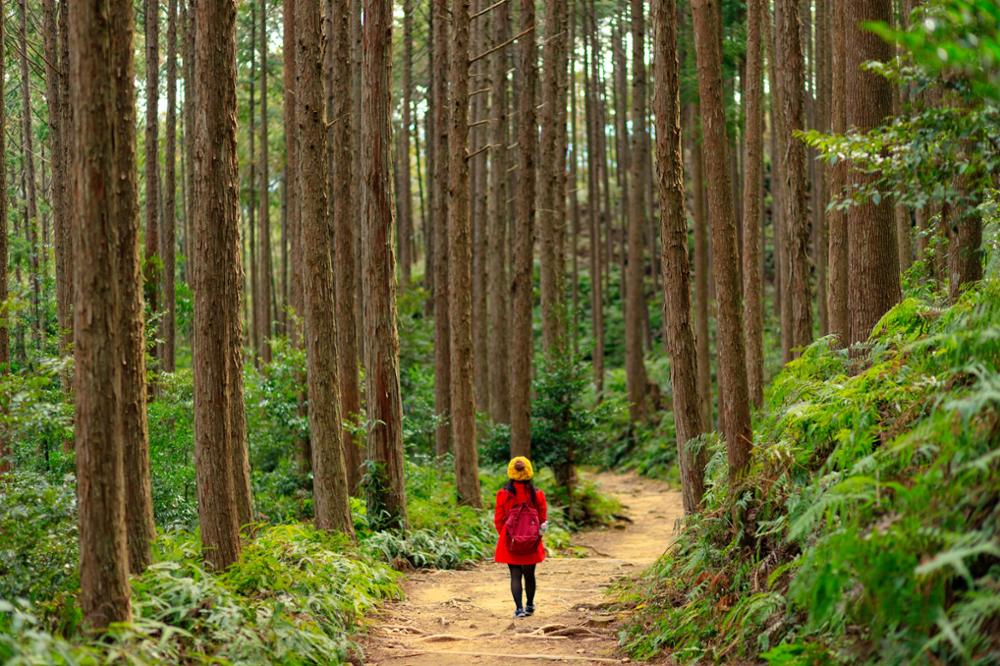
Kumano Sanzan is a collection of shrines discovered in the south-east of the Kii Mountains. The most majestic are Kumano Hongu Taisha, Kumano Hayatama Taisha and Kumano Nachi Taisha. Originally, these shrines were a pilgrimage destination for the imperial family, nobility and samurai. Yet they were also visited by far more modest Japanese pilgrims. Today, the faithful and travellers alike continue to walk these sacred paths to reach the shrines while soaking in the beauty of the landscape.
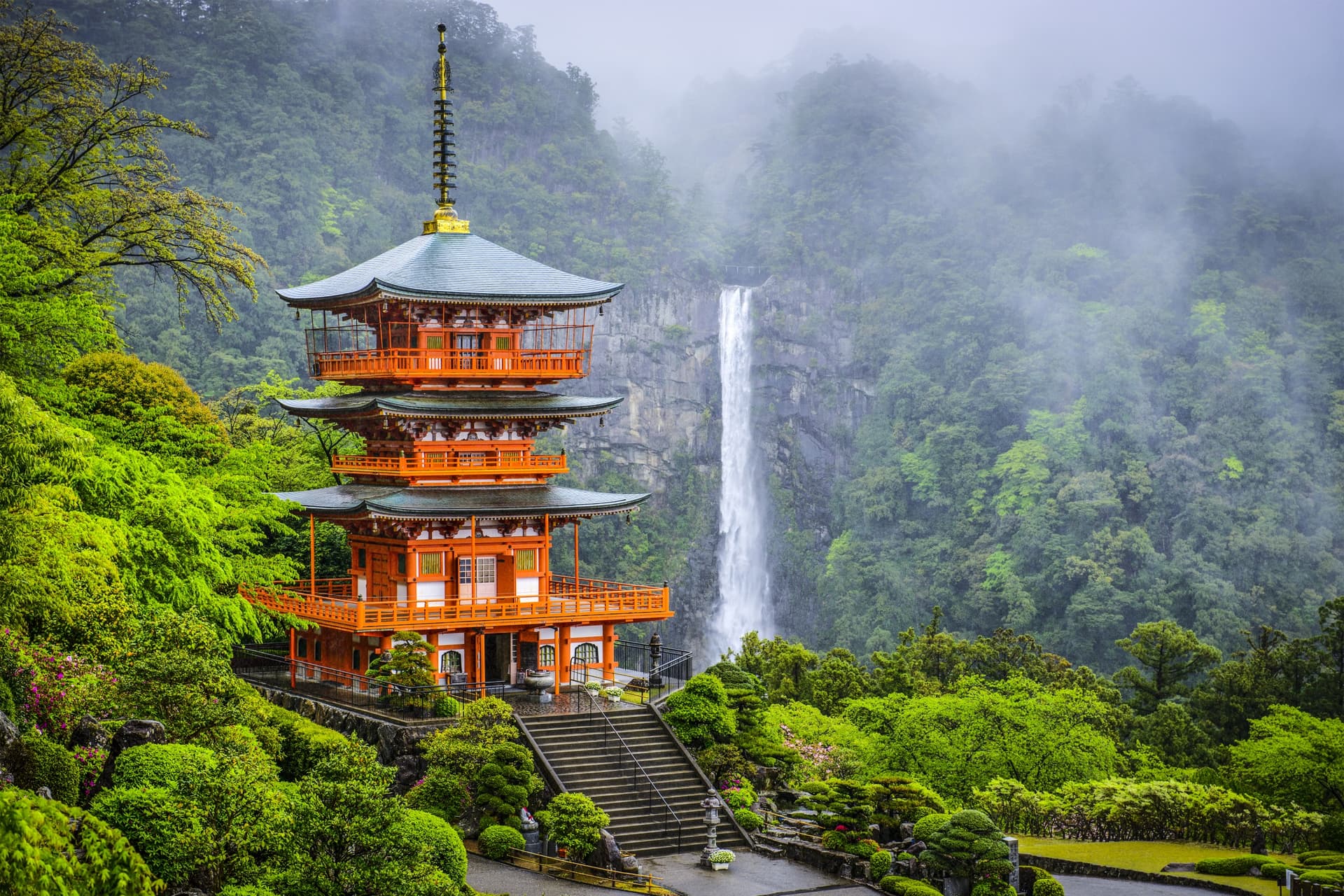
Don't miss the temples of Nachi Taisha: Seiganto-ji and Fudarakusan-ji. At the same time, you can discover one of Japan's highest waterfalls. At 133 metres tall, Nachi Falls are considered to be the embodiment of a deity. Legend has it that catching a few of its drops will grant you a longer life. Or so they say…
2. Koyasan
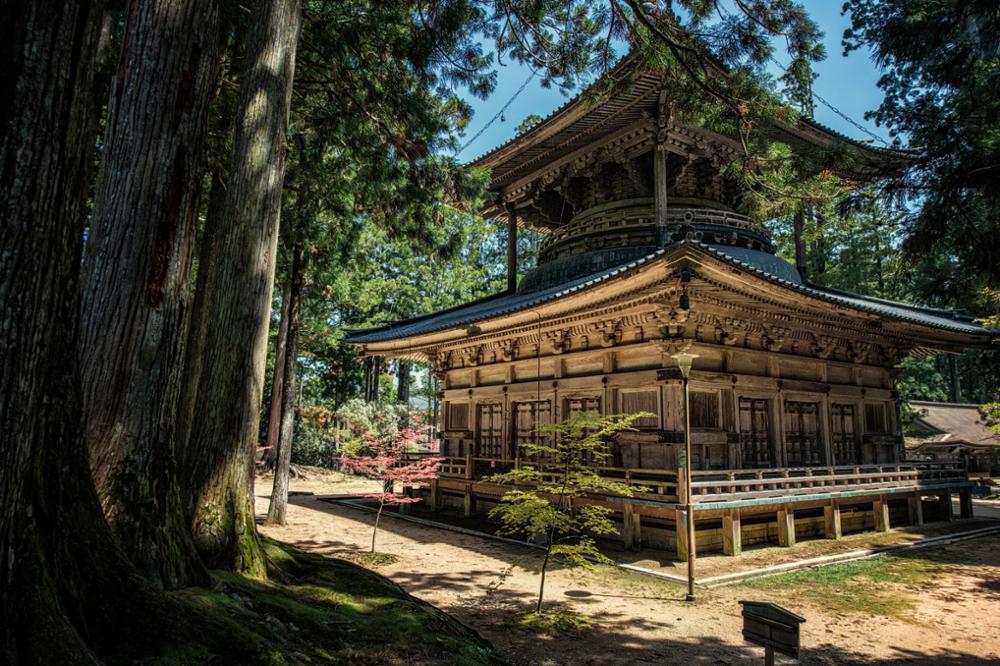
Nestled atop Mount Koya, Koyasan is a religious city comprising over 100 temples. This major centre of Buddhism was founded by the Buddhist monk Kûkai, also known as Kobo Daishi, who is none other than the founder of the Shingon school of Buddhism. The most celebrated temple is the one he built in 816: Kongobuji Temple. We also recommend the temples of Jison-in, Niukanshôbu Jinja and Niutsuhime.
Worth knowing: Koyasan is renowned for its many shukubo. These are accommodations located within temples that welcome visitors keen to learn more about Japan's religious and traditional culture. It's also an opportunity to discover the daily life of monks and try your hand at meditation and many other activities…
3. Yoshino and Omine
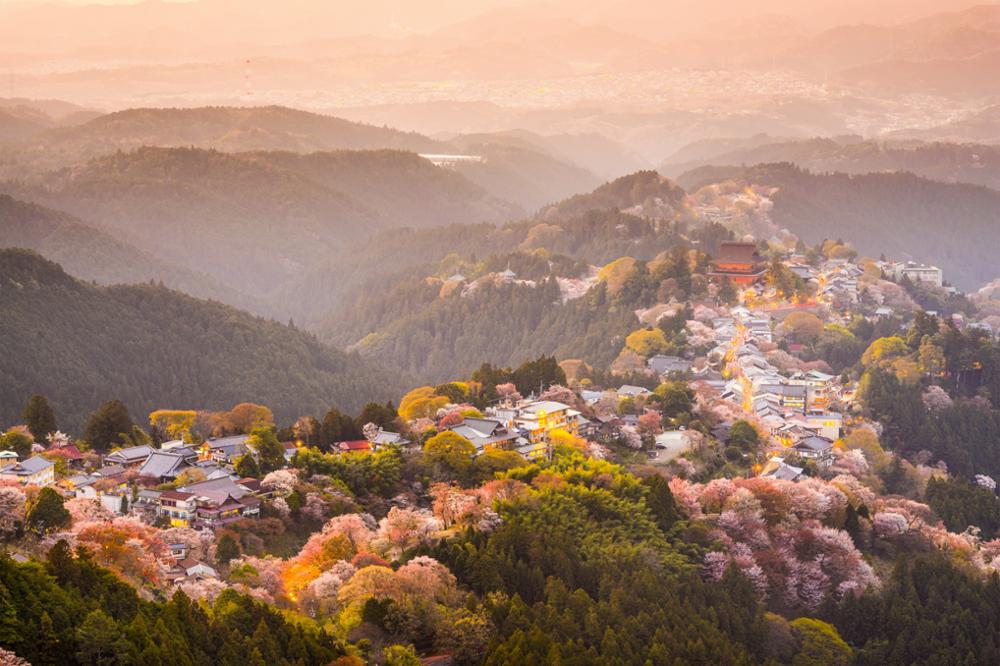
It is to the north of the Kii Mountains, close to Nara, that you can follow in the footsteps of those known as 'yamabushis', the mountain hermits. These are the practitioners of Shugendo, an ancient popular Buddhist religious current that blends elements of tantric Buddhism, Taoism and Japanese spiritual practices.
At Yoshino to the north, you can visit the main temple of Shugendo: Kinpusenji Temple. The setting is sublime, especially during the cherry blossom season in spring. This is indeed what has given the place its reputation throughout the country. Every April, a special ritual takes place: the faithful come to confess their sins and offer cherry blossom tributes. In Yoshino, you can also enjoy a break in an authentic tea house before embarking on (for the most intrepid) the 80km walk to Mount Omine further south, where other paths will lead you to yet more sacred sites…
Frequently asked questions
From Osaka, the Kii Peninsula is accessible by train (JR Kinokuni line) in approximately 2 to 3 hours depending on your destination. From Tokyo, allow 4 to 5 hours by Shinkansen to Nagoya, then by regional train. The Japan Rail Pass is accepted on most lines.
The Kumano Kodo is a network of ancient pilgrimage trails linking the shrines of the Kii Peninsula, notably Kumano Sanzan. Inscribed as a UNESCO World Heritage site, it is one of the rare pilgrimage routes recognised worldwide alongside the Way of St. James.
Spring (March-April) is ideal for cherry blossom season at Yoshino. Autumn (October-November) offers magnificent forest colours. Summer is hot and humid, with a risk of typhoons. Winter is cold but peaceful, perfect for a serene spiritual experience at Koyasan.
A shukubo is accommodation within a Buddhist temple. Yes, it welcomes everyone, believers and non-believers alike. You can share the daily life of monks, attend morning ceremonies, practice meditation and enjoy traditional vegetarian cuisine called shojin ryori. Koyasan has many to choose from.
Yes, Nachi Falls (133 metres tall) are accessible year-round. They are particularly spectacular after summer monsoon rains. Nearby, you can visit Kumano Nachi Taisha shrine and the temples of Seiganto-ji and Fudarakusan-ji in a half-day.
Plan at least 3 to 5 days to cover the main sites: Koyasan, Kumano Sanzan and Yoshino. If you wish to walk part of the Kumano Kodo, allow 5 to 7 days. The peninsula is vast and travel between sites can be lengthy.