The Art of the Kimono in Japan
An ancient garment, the kimono is the quintessential traditional Japanese costume. Once worn by aristocrats and warriors
An ancient garment, the kimono is the quintessential traditional Japanese costume. Once worn by aristocrats and warriors, the kimono is far less common across modern-day Japan. Yet traditions endure, and it continues to appear at certain events. Here's more on the art of the kimono in Japan!
A Bit of History…
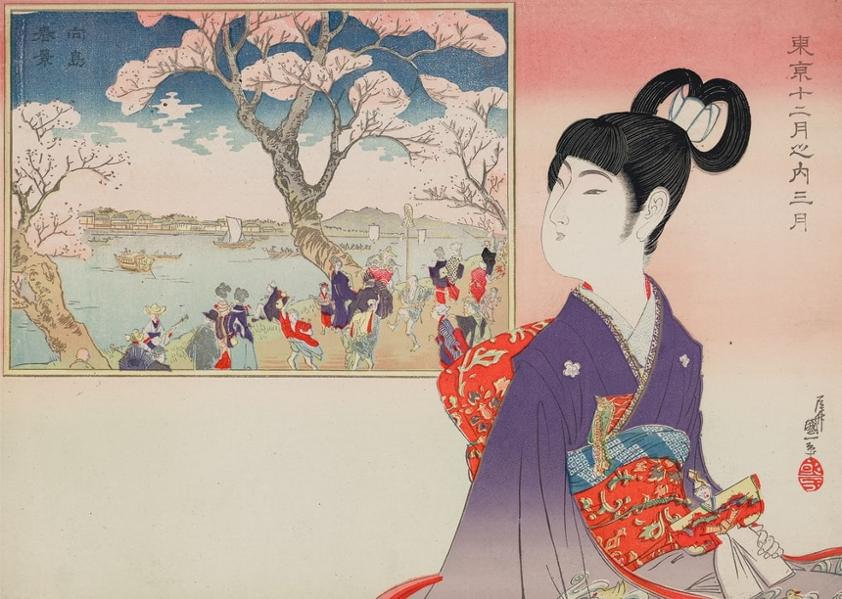
Literally translated from Japanese as "something one wears on oneself," the kimono is a garment made of wide strips of fabric that form a tunic. Originally, the kimono was inspired by the kosode, the traditional Chinese garment of the Tang Dynasty in the 7th century, worn as undergarments by aristocrats and later by warriors. It was worn with pants or a skirt.
Only years later did the kimono become an elegant garment worn by Japan's wealthiest citizens. It thus reflected the social class of the wearer. The higher the quality of the kimono's fabric, the more important the person wearing it.
In the 18th century, kimonos became adorned with more embroidery and gold leaf. Motifs were generally inspired by the four seasons and nature. The pants and skirt worn with the kosode disappeared, leaving room for a single tunic. The sash, called the obi, was added and significantly more fabric was used in its creation. This marked the birth of the kimono as we know it today. The materials Japanese craftsmen used for kimono production were linen, cotton, or silk for the more affluent.
Wearing the Kimono Today
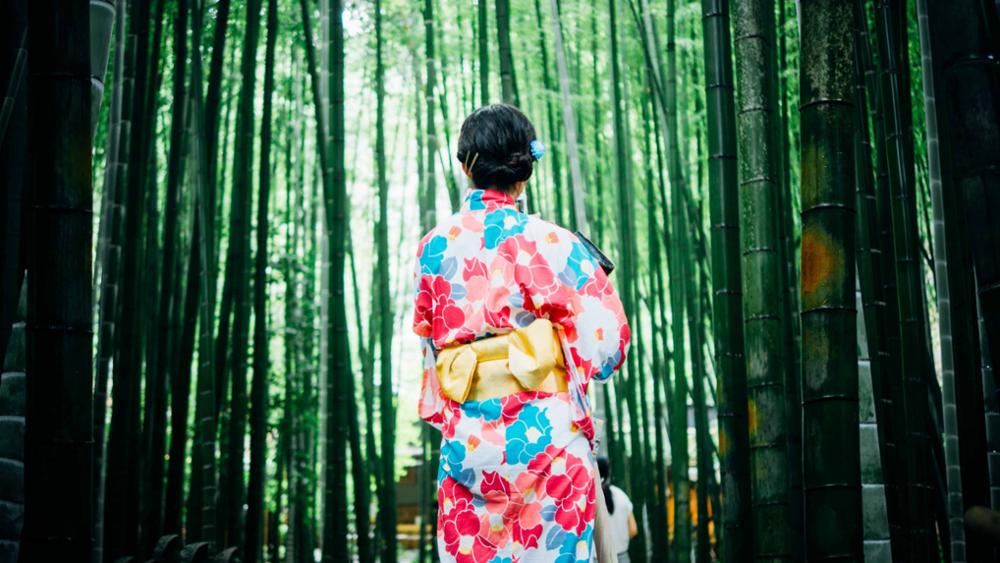
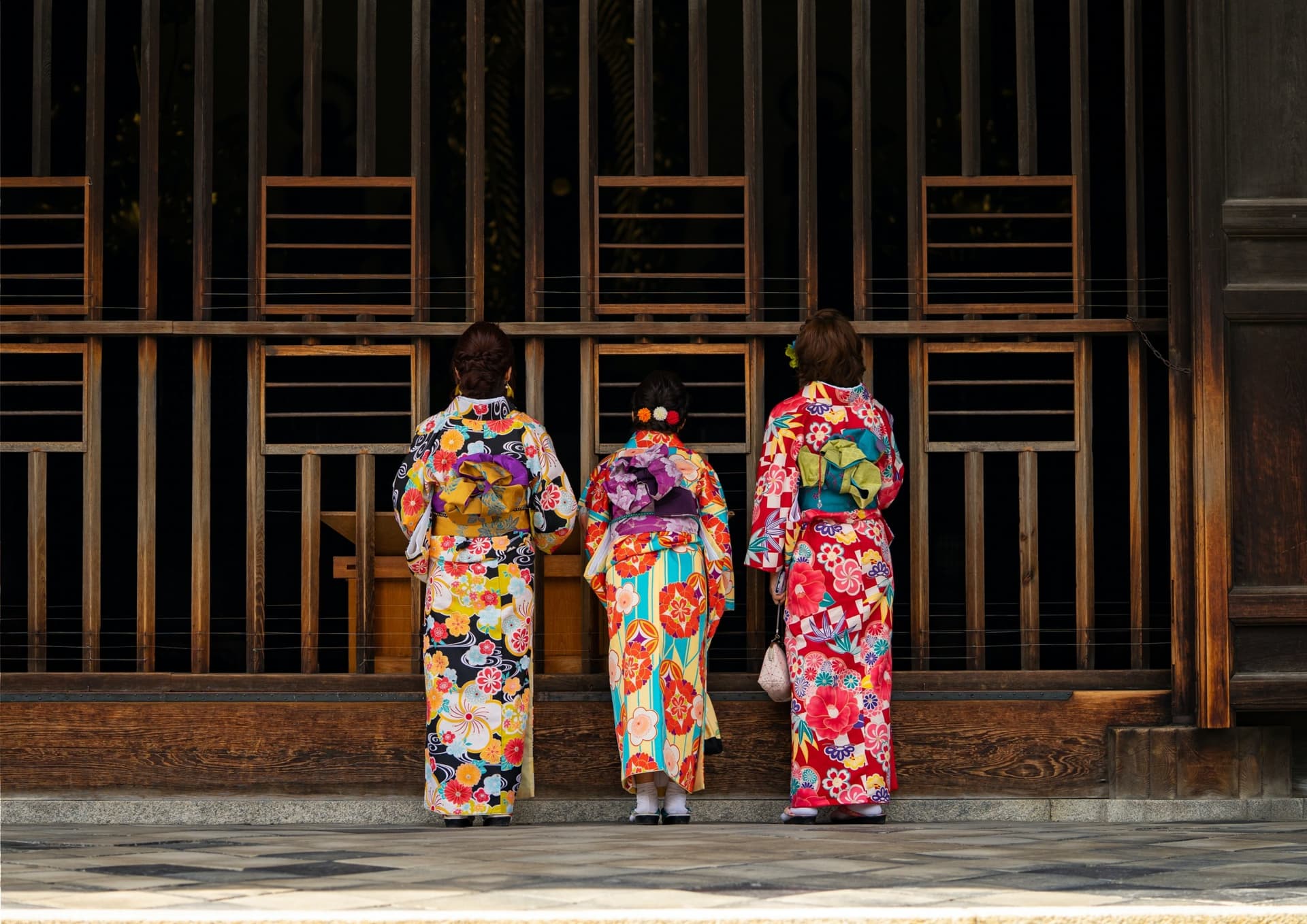
Nowadays, the kimono is worn far less by Japanese people who became westernized from the late 19th century during the Meiji period. Indeed, wearing a kimono is reserved for special occasions such as weddings, funerals, certain traditional ceremonies and religious festivals.
For both women and men, the kimono is worn differently depending on age, marital status, and occasion. Both must wear the famous sash: the obi, which is tied at the back. Women traditionally wear silk kimonos with colorful patterns woven, embroidered, or hand-painted. It is only at weddings (or certain ceremonies) that the kimono is worn white. As for men, the traditional kimono is black silk or in dark shades. It is worn with a hakama (wide pleated skirt) and a haori (long jacket).
Caution: Do not confuse kimono and yukata!
The yukata is a sort of lighter kimono that Japanese people wear in summer. It is generally made of cotton or linen. It is much less expensive and less formal than the traditional kimono.
Frequently asked questions
The yukata is a lighter version of the traditional kimono, worn primarily in summer during festivals. It is generally made of cotton or linen, so it is lighter and less formal. The traditional kimono, on the other hand, is often made of silk, more elaborate in its patterns, and reserved for solemn occasions like weddings or ceremonies.
Today, the kimono is worn for special occasions: weddings, funerals, traditional ceremonies (such as Shichi-Go-San or Coming of Age Day), religious festivals, and New Year celebrations. It is less common in everyday life since Japan's westernization during the Meiji era.
Yes, many kimono rental shops exist in major tourist cities like Kyoto, Tokyo, and Nara. These services allow visitors to dress in a traditional kimono for a day to explore the streets and temples. Prices typically range from 2,000 to 5,000 yen depending on quality and included accessories.
The obi is a wide sash that ties at the back in a knot called 'musubi'. There are many knot styles depending on the occasion, type of kimono, and status of the wearer. The most common knot for women is the 'taiko musubi'. Tying the obi is an art in itself, often taught in clothing etiquette classes or offered by rental shops.
Traditional kimonos are made from different materials depending on social status and purpose. Silk is the most noble material, reserved for elegant kimonos and formal occasions. Cotton and linen are used for more everyday versions or summer wear, such as the yukata.