The Tea Ceremony, a Millennia-Old Traditional Art
More than a simple tasting, the tea ceremony is a philosophy of life in Japan. With the tea master as conductor
More than a simple tasting, the tea ceremony is a philosophy of life in Japan. With the tea master as conductor, it is a privileged moment outside of time that allows you to better understand the very essence of Japanese tradition. What exactly does a tea ceremony entail? Where does it take place? What knowledge is required to become a tea master? Let us tell you more…
What is a tea ceremony?
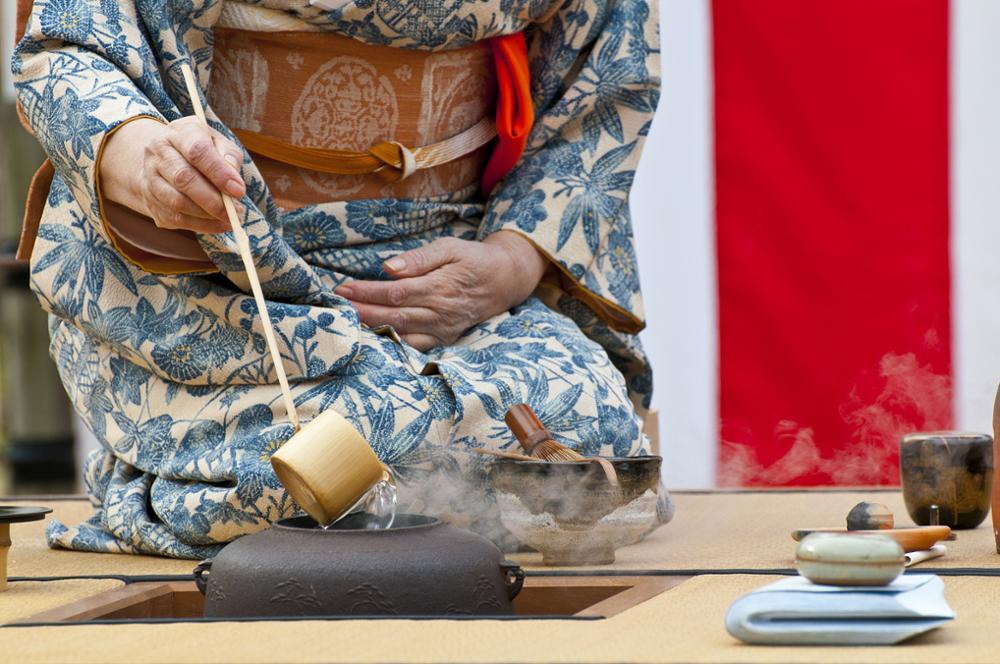
Also called chanoyu, sadō, or chadō, the Japanese tea ceremony is a traditional art whose origins trace back over 2,000 years ago! Inspired by Chinese Zen Buddhism, the tea ceremony was adopted by Japanese Buddhist monks and samurai warriors before being elevated to the status of art today. The ceremony, which is highly codified, is conducted by an experienced practitioner who will prepare matcha green tea (in the form of a green powder, made from grinding whole tea leaves) in a spiritual manner and offer it to guests for a privileged moment.
The tea ceremony is meant to be an experience of mindfulness, a moment of meditation in which one fully savors the present instant. It enables an incredible connection between the spiritual master and the participants. It is also a wonderful way to build social bonds, to relax, and to take time for oneself away from outside agitation.
The art of tea and so much more…
To do this, everything must be carefully considered down to the smallest detail and executed with grace and delicacy. Aesthetics being of great importance, the practitioner of chanoyu must, in addition to knowing everything about the culture of tea and its various varieties, have knowledge of traditional and artistic Japanese arts such as wearing the kimono, calligraphy, flower arrangements, ceramics, incense, and so on. All these teachings and refinements give the tea ceremony a spiritual and artistic dimension.
Indeed, it is often said that studying the tea ceremony can take many years, or even a lifetime! In Japan, it is common to say that whoever studies the art of the tea ceremony will forever remain a disciple of their teacher (called sensei). This speaks volumes about how sacred this teaching is considered to be!
Where does a tea ceremony take place?
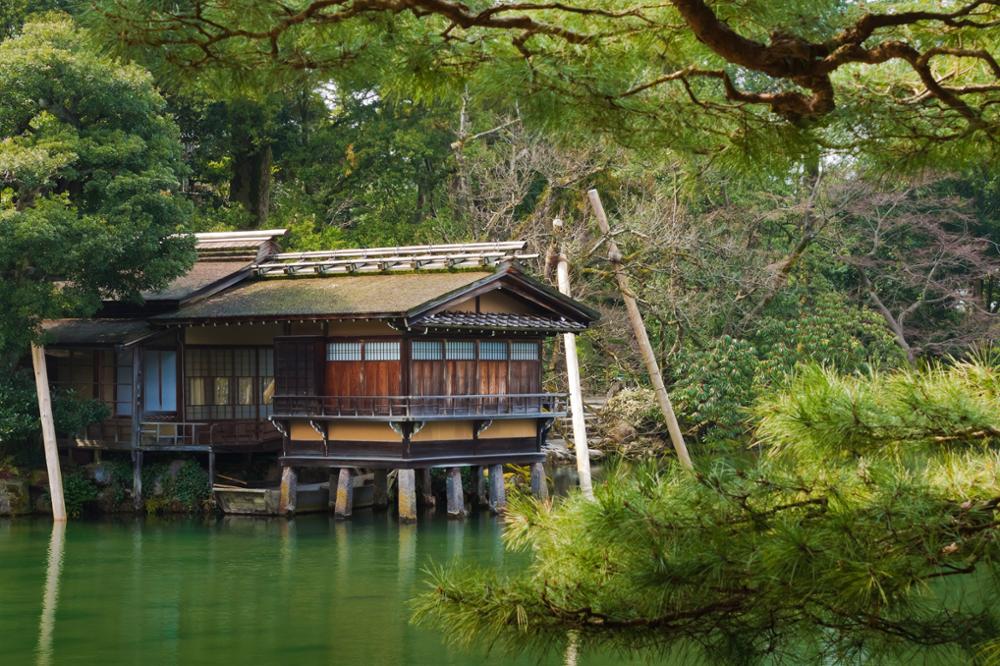
Attending a tea ceremony first means finding a tea house! Traditionally, these tea houses are wooden pavilions covered with a thatched roof. The main entrance is square-shaped, obliging guests to bend down and demonstrate humility from the very start. In the past, the narrowness of the door also forced samurai to leave their katana outside.
Inside, you will find a few tatami mats on the floor, calligraphy scrolls (kakemono) and parchments, flower arrangements (chabana), and the famous utensils used for tea preparation such as the bamboo whisk (chasen), the bamboo scoop (chashaku), and the traditional bowl (chawan) which, by tradition, is passed from one guest to another during the tasting. Most often, the tea tasting is accompanied by Japanese confections (wagashi).
While the decoration of the room varies from one tea house to another and from one ceremony to another, they all share a common feature: minimalist and refined aesthetics.
Frequently asked questions
The tea ceremony, called chanoyu, sadō or chadō, is a codified traditional Japanese art whose origins date back over 2,000 years. Inspired by Zen Buddhism, it consists of preparing and serving matcha green tea in a ritual and spiritual manner, in a spirit of mindfulness, harmony, and mutual respect between the tea master and guests.
Tea ceremonies take place in tea houses (chashitsu), traditionally small wooden pavilions with thatched roofs. As a visitor, you can participate in ceremonies in several Japanese cities, notably in Kyoto (in temple gardens such as Ryōan-ji or Kinkaku-ji), Tokyo, or Nara. Many establishments offer sessions dedicated to foreign tourists, with or without prior reservation.
The duration varies depending on the type of ceremony. An informal ceremony (chakai) may last from 30 minutes to 1 hour, while a complete formal ceremony (chaji), including a light meal and several tea services, can extend to 4 hours. For tourists, short and accessible versions of about 30 to 45 minutes are typically offered.
During a tea ceremony, it is recommended to dress soberly, remove your shoes before entering, sit in seiza (on your knees) or cross-legged on the tatami mats, receive the chawan bowl with both hands, and rotate it slightly before drinking so as not to bring your lips to the main part. You should also taste the wagashi (confections) served before drinking the tea, and avoid speaking loudly in order to respect the meditative atmosphere.
The main utensils of the tea ceremony are: the chawan (tea bowl), the chasen (bamboo whisk for whisking matcha), the chashaku (bamboo scoop for measuring the powder), the natsume (lacquered box containing powdered matcha), and the kama (cast iron kettle for heating water). The room is also decorated with kakemono (calligraphy scrolls) and floral arrangements called chabana.