Tea Ceremony in Japan: How to Behave as a Guest?
As we mentioned in a previous article, the tea ceremony is a codified traditional art taken very seriously by the Japanese. While there are ceremonies dedicated to foreigners
As we mentioned in a previous article, the tea ceremony is a traditional art form that is codified and taken very seriously by the Japanese. Although there are ceremonies dedicated to foreigners, you must absolutely know the rules of conduct if you wish to participate. To help you, we share everything you need to do and avoid to attend a tea ceremony in Japan while honoring Japanese traditions.
Entering the Tea House
It is in a tea pavilion, called 'chashitsu' in Japanese, that you will witness the traditional tea tasting. Before entering (as in all Japanese homes), you must absolutely remove your shoes and wash your hands to leave impurities outside. You will likely be given slippers to wear. To enter the pavilion, you must wait for an invitation from the tea master and ceremony leader: the teishu. Bow to him as you pass through the door as a sign of respect. Do nothing and wait for the teishu to invite you to sit.
Sitting in Seiza Position
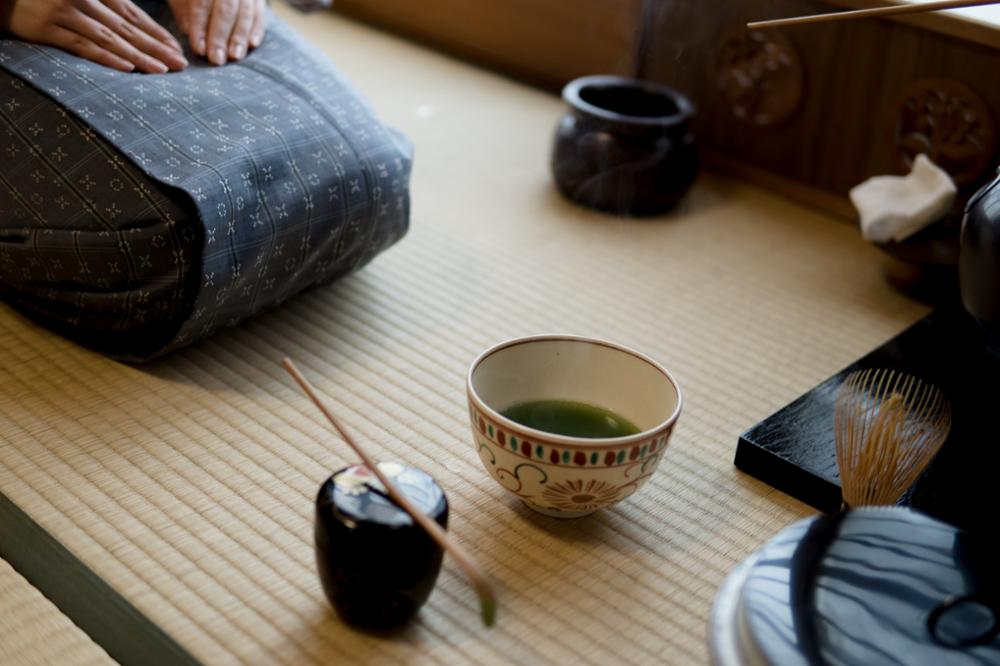
When the teishu asks you to, sit in the place assigned to you, adopting the traditional Japanese sitting position for dining: 'seiza' (which can be translated as 'correct sitting'). It consists of kneeling and sitting on your heels. For reference, this formal posture originated during the fall of the samurai. It is ideal for maintaining a certain mobility in the hips and allowed, at the time, to stand up very quickly in case of threat or danger.
The Role of the Shokyaku
Once seated in seiza position, do nothing, do not speak, and wait for instructions on what you should and can do. To help you fulfill your role with dignity, you will be guided by the 'shokyaku'. Present among the guests, this is a person responsible for communicating with the teishu who will be both your interpreter, your translator, and your reference point. In other words, they will show you the example, help you find your place, and tell you everything you can and cannot do during the tea ceremony.
Tasting Tea According to the Rules
In general, it is recommended to not speak, drink, or eat until you have been invited to do so. Keep your fists closed and avoid having your palms open. When you are invited to taste the tea, you must turn your cup slightly before drinking it. The tea is generally accompanied by small sweets and treats. Whether it is the tea or the sweets, you must finish everything offered to you.
During the ceremony, you will at some point be invited to ask questions. Always address the shokyaku and ask only about things related to the tea or the decorative elements present in the pavilion (such as scrolls, bowls, utensils, the tea used, etc.). If you genuinely feel it, do not hesitate to compliment your host through the shokyaku. If they sense your authenticity, the teishu will appreciate your interest! However, there is no need to ask questions if you do not know what to say...
Frequently asked questions
The chashitsu is the Japanese tea pavilion, a space dedicated to the tea ceremony. It is designed to promote serenity and respect for traditions. You enter by removing your shoes and washing your hands.
It is recommended to wear sober and discreet clothing, ideally traditional such as a kimono if you have the opportunity. Avoid strong perfumes and bulky jewelry that could distract from the serenity of the ceremony.
The seiza position consists of kneeling and sitting on your heels. It is the traditional posture adopted during a tea ceremony in Japan. It may be uncomfortable for the uninitiated, but it is the respect expected during a formal ceremony.
Yes, at a specific point in the ceremony, questions are welcomed. They should be addressed to the shokyaku and should focus only on elements of the ceremony: the tea, the utensils, the scrolls, or the decoration of the pavilion.
Kyoto is the city par excellence for experiencing a traditional tea ceremony, particularly in the districts of Gion or Higashiyama. Tokyo and Nara also offer experiences accessible to foreign travelers.