Discovering traditional Japan: an overview of the most beautiful villages!
Often associated with major cities, Japan is also a country dotted with traditional towns and authentic small towns... Ready for a picturesque getaway?
Often associated with major cities, Japan is also a country dotted with traditional towns and authentic small communities... Ready for a picturesque getaway? Follow us as we introduce you to the most beautiful Japanese villages!
Magome: a relay village on the Nakasendo route
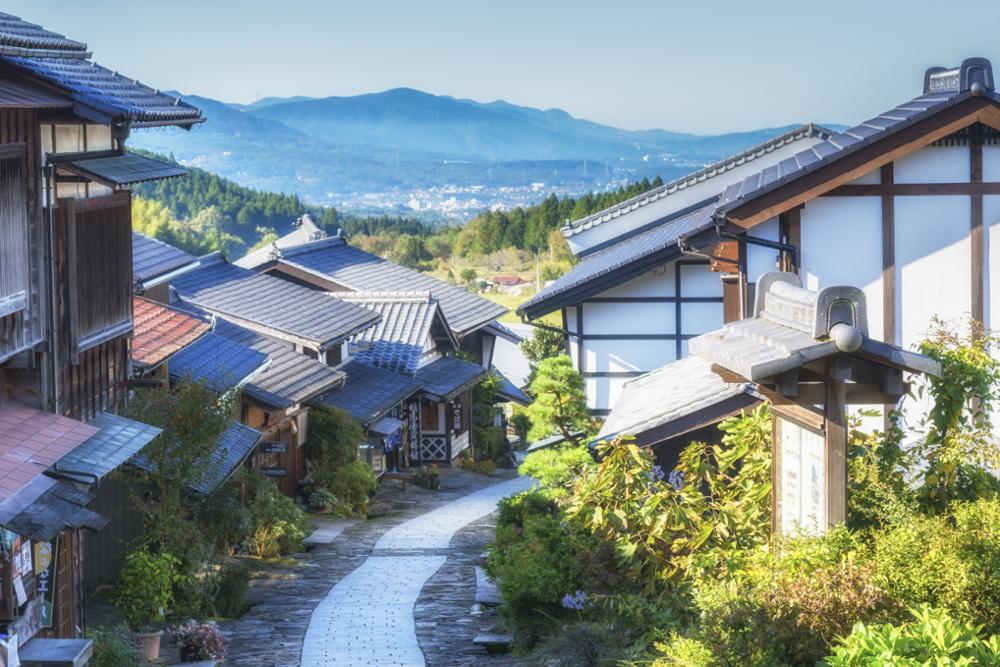
Magome was once a relay station on the famous Nakasendo route. This route connected Tokyo and Kyoto and was marked with 69 waypoint towns, where travelers would stop for the night.
Considered an "open-air museum" – thanks to its charming cobblestone streets, old mills, and Edo-period houses – Magome is also a village where homes are not merely relics but actual living spaces! You'll find small artisanal shops, as well as numerous establishments where you can enjoy sake and savor a bowl of noodles.
Built on a hillside, Magome also offers breathtaking views over the countryside. You can admire rice paddies, terraced vegetable gardens, and a superb sunset.
Practical information Prefecture: Gifu How to get there: from Nakatsugawa Station (then by bus) Good to know: cars are prohibited in Magome; shuttle services drop visitors at the entrance to the village's main road |
Shirakawa-go and Gokayama: two of Japan's most beautiful villages!
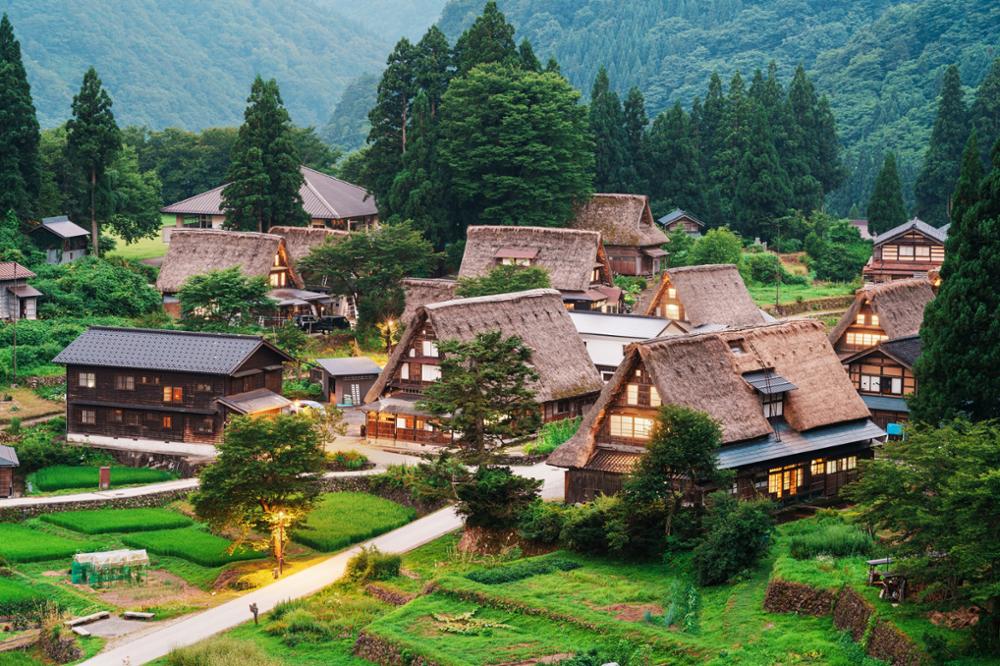
In the mountainous Gifu region, discover Shirakawa-go and Gokayama. Both listed as UNESCO World Heritage sites, these two historic villages are located in a remote area... You can admire gasshō-style houses, recognizable by their steeply pitched thatched roofs (designed to allow snow to slide off easily).
The (very large) lofts of gasshō-zukuri houses were once used for sericulture: silkworm breeding and production of the famous fabric. Shirakawa-go and Gokayama are also situated along the Sho River. This is an opportunity for beautiful nature walks and wonderful photography of the Japanese countryside.
Practical information Prefecture: Gifu How to get there: both villages are easily accessible by train via the JR Rail Pass (from Takayama or Nagoya for Shirakawa-go; from Takaoka for Gokayama) Good to know: it's possible to visit several gasshō farms (preferably in the morning, to avoid mass tourism) |
Ine: a small fishing village in Japan
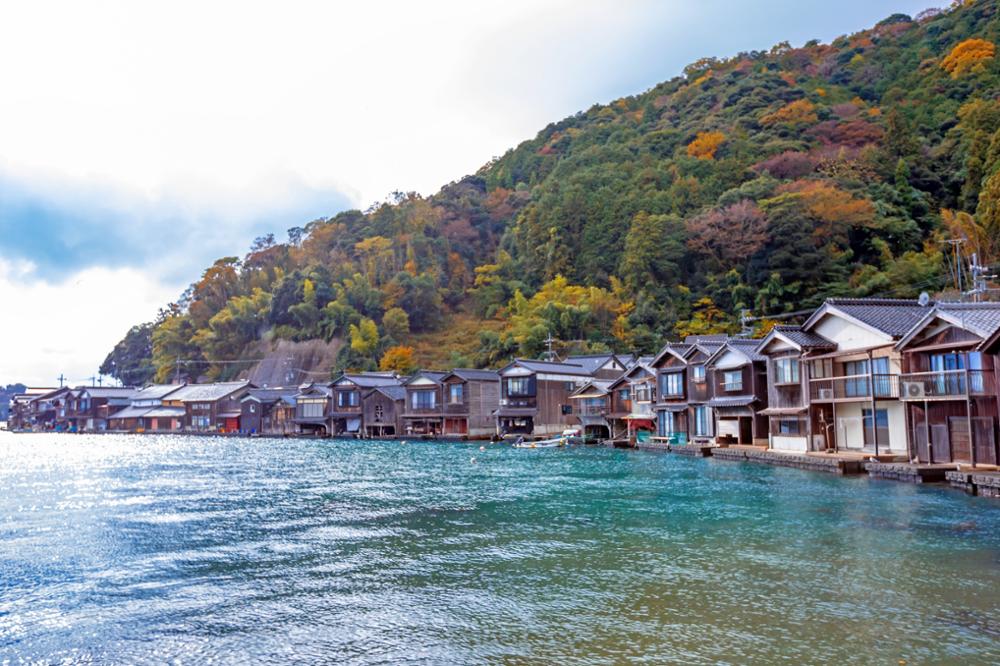
Ine is a charming small village located in the northern part of Kyoto Prefecture. It is known for its funayas, small wooden houses on stilts, beneath which the fishermen's boats are moored!
The village features over 200 small houses (stretching 5 km along the bay). While most are still inhabited, some now house restaurants or inns – offering an opportunity to discover the interior architecture.
Ine is also one of the last active fishing villages. You can observe the fishermen at work and take a boat tour. The village is located near Miyama-Kayabuki No Sato (another authentic village) and the Amanohashidate viewpoint.
Practical information Prefecture: Kyoto How to get there: take the Hashidate express train from Kyoto Station toward Amanohashidate, then by bus |
Kurama: a village prized for its hot springs
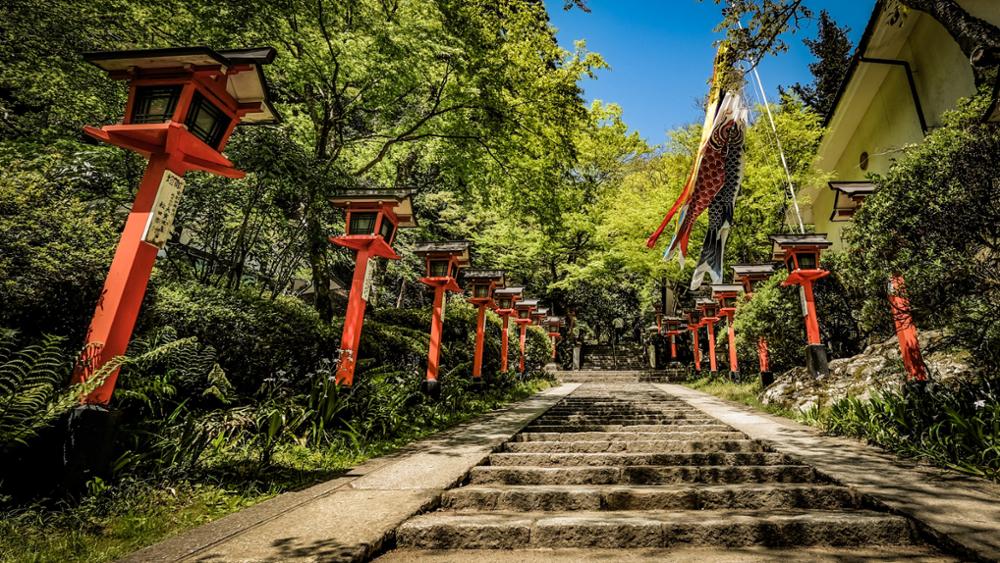
Situated on the flanks of a sacred mountain, Kurama offers a haven of nature, just 30 minutes by car from Kyoto. Perched at nearly 600 meters altitude, this village is renowned for its eponymous mountain, where many hikers come to explore the trails…
The two most visited circuits lead to the Kurama-dera (a Buddhist temple built in 770) and the Shinto shrine Yuki-jinja with its sacred cedar (an 800-year-old tree standing 53 meters tall!).
The village is also prized for its onsens, natural hot springs known for their therapeutic properties – and spectacular views! Kurama is also an ideal place to witness cherry blossom season in spring (sakura) or the vibrant maple foliage in autumn (momiji)!
Practical information Prefecture: Kyoto How to get there: by train from Kyoto to Kurama Station (Eizan Railway line). The journey (approximately 1 hour) offers beautiful views of the countryside. |
Tsumago: a historic village with traditional inns
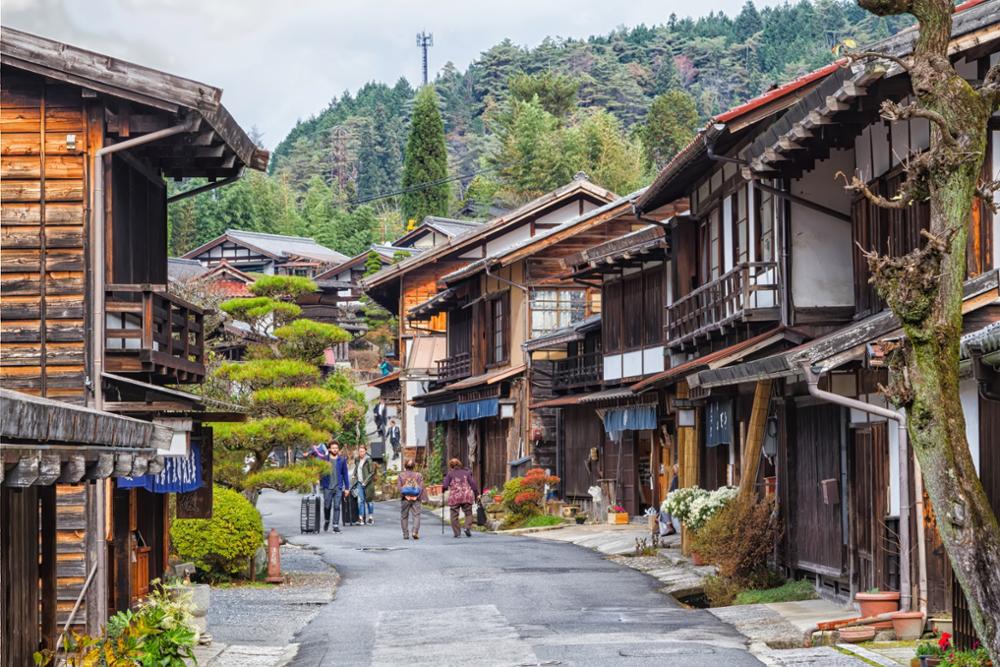
Tsumago is a feudal village located in the Kiso Valley (on the famous Nakasendo route). Considered one of Japan's best-preserved villages, it offers a journey into the past, with its ancient structures, wooden houses, and minshukus – traditional inns where owners rent rooms to visitors.
Closed to vehicles, Tsumago is a peaceful destination perfect for taking your time and stopping at a tea house. Tsumago is also the starting point for a beautiful forest hike to Magome via the Magome Pass (a famous walking circuit of approximately 2 hours).
Practical information Prefecture: Gifu How to get there: by train from Nagiso Station (accessible via the JR Shinano Limited Express from Tokyo) Good to know: 30 minutes from Tsumago, you'll find the thermal village of Hirugami Onsen |
Takayama: a historic village in the Japanese Alps
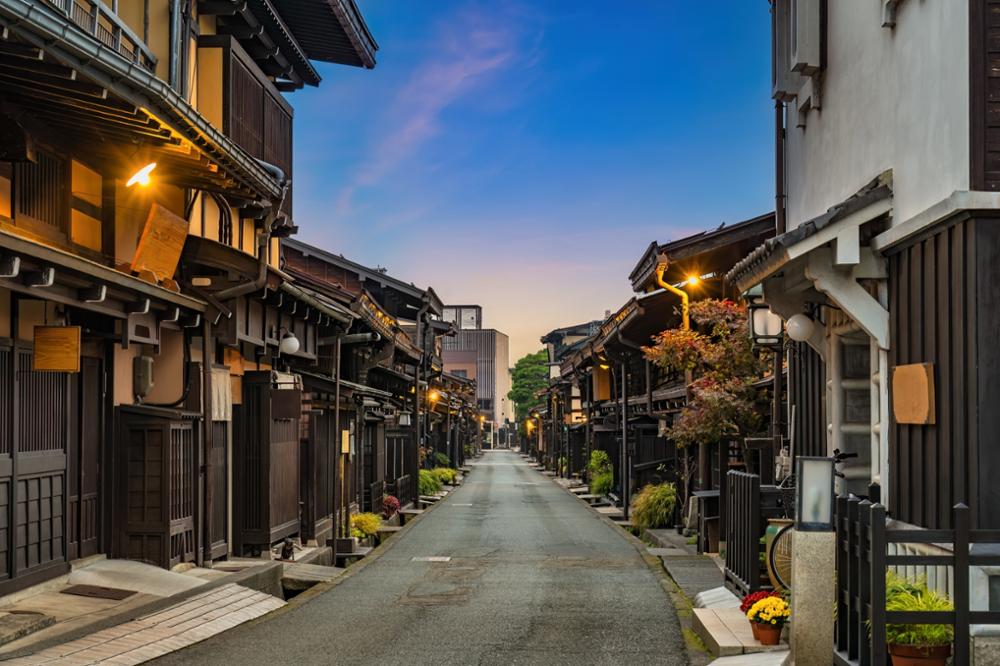
Nicknamed "Little Kyoto," Takayama is recognized for preserving its architectural and cultural heritage. Lined with wooden townhouses, this former feudal city is also home to:
● The traditional Yoshijima house (a historic residence built during the Meiji era),
● Kusakabe Mingeikan (Takayama's folk art museum),
● The Takayama Inari-jinja shrine (featuring a magnificent torii gate and gardens),
● Shiroyama Park (located near the ruins of Takayama Castle)
The town also has a market where you can taste local culinary specialties and observe daily life. Situated in the Japanese Alps, Takayama also promises wonderful hiking through the Hida mountains!
Practical information Prefecture: Gifu How to get there: by train from Kyoto (4 hours, via JR Limited Express) Good to know: the Takayama Festival (celebrating the city's traditions and customs) ranks among Japan's three most beautiful festivals! It takes place twice yearly (in April and October), featuring processions, parades, choirs, and more. |
Tomonoura: the village of Ponyo
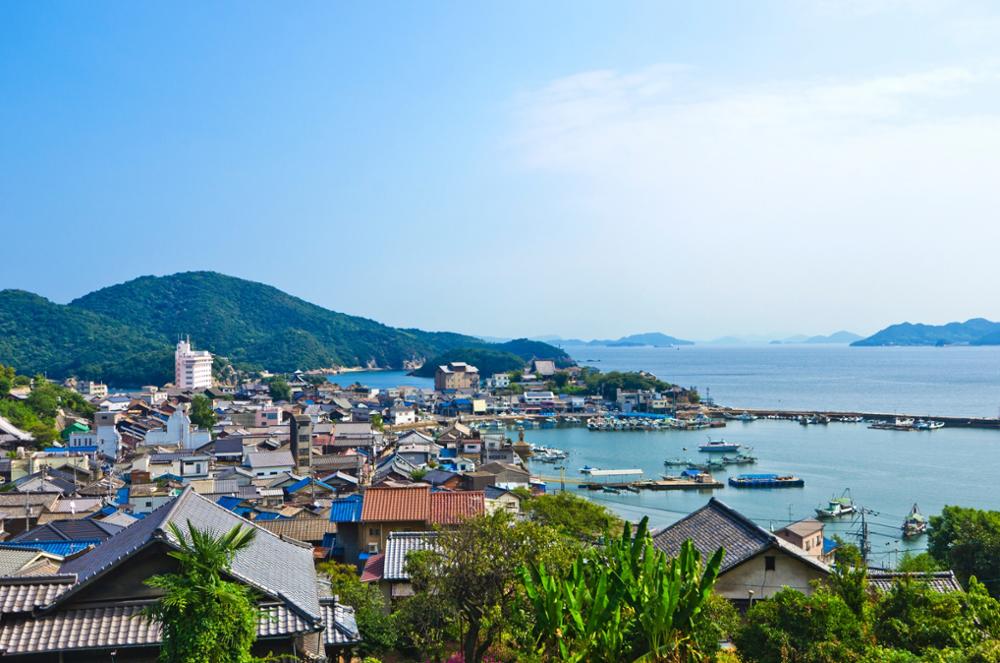
Tomonoura is a small coastal town in the Bingo region. Though meant to remain under the radar, this charming fishing port is known worldwide. Why? It inspired filmmaker Hayao Miyazaki during a 2005 visit for his animated film Ponyo!
This fishing village offers spectacular views of the Seto Sea, as well as the Fukuzen-ji temple (whose upper section also provides stunning panoramic views of the surroundings). Tomonoura is also near the Setonaikai National Park – renowned for the spectacular whirlpools of the Naruto Strait and the scenic Shimanami Kaido cycling route.
Practical information Prefecture: Hiroshima How to get there: by train from Fukuyama Station (then by bus); by train from Kyoto, Tokyo, Shin-Yokohama, Shin-Osaka, and Shin-Kobe stations Good to know: small islands can be reached from Tomonoura harbor |
Yoshino: a small town at the heart of a sacred site
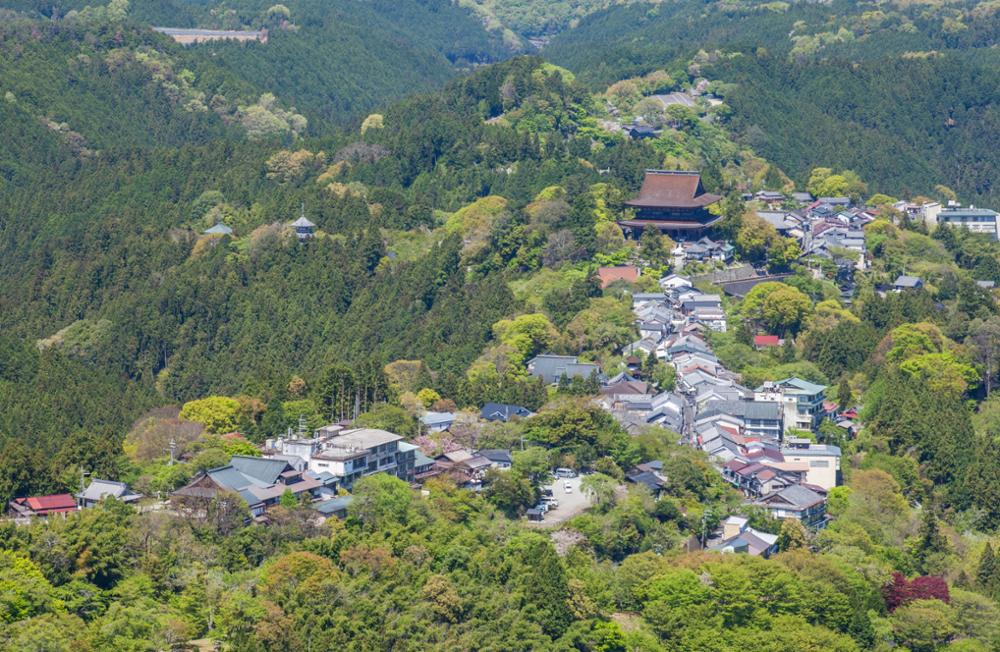
Recognized as one of the best spots to see cherry blossoms in Japan, Yoshino is also a UNESCO World Heritage site... Indeed, Mount Yoshino is part of the Kii Mountains – pilgrimage routes marked with sacred sites "that form a unique fusion of Shinto and Buddhism," according to UNESCO.
Between spirituality and nature, the isolated town of Yoshino allows you to discover Japanese religions in a calm and authentic setting. You can also relax in onsens here!
Practical information Prefecture: Nara How to get there: by train from Nara, Kyoto, or Osaka stations (note: this destination is not accessible with the JR Pass) Good to know: if you plan to hike up Mount Yoshino, reserve a full day for this activity |
Frequently asked questions
How do you say village in Japanese?
In Japanese, the word "village" is said mura (and written むら in hiragana script). For proper pronunciation, don't hesitate to use free tools available online!
What is the most beautiful city in Japan?
With Buddhist temples, Shinto shrines, traditional gardens, and old wooden houses, Kyoto is often considered one of Japan's most beautiful cities. It allows visitors to discover traditional Japanese culture and the country's historic architecture.
Where can you go in the Japanese countryside?
If you want to discover the Japanese countryside without straying too far from the city, Nara Prefecture is ideal, as it's only 45 km from Kyoto. If you prefer to explore rural Japan, discover the villages of Shirakawa-go (UNESCO-listed), Senmaida rice paddies, or the Iya Valley (on Shikoku Island).
Frequently asked questions
The ideal period depends on the type of scenery you're looking for. Spring (March-April) is perfect for cherry blossoms, particularly in Yoshino and Kurama. Autumn (October-November) offers stunning foliage colors in Kurama and Takayama. Winter is magical in Shirakawa-go, with its iconic snow-covered roofs.
Yes, by optimizing your routes. For example, Magome and Tsumago are connected by a 2-hour hike on the Nakasendo route. Takayama and Shirakawa-go are accessible via the same rail line. With a JR Pass, it's possible to combine several destinations in a few days from Nagoya or Kyoto.
Most villages listed are accessible with the JR Pass, including Shirakawa-go from Takayama or Nagoya, and Tsumago from Nagiso. Note: Yoshino is not covered by the JR Pass and requires a separate ticket on the Kintetsu line.
For an authentic experience, opt for a ryokan (traditional inn with tatami mats and included meals) or minshuku (room with a host family, more affordable). Tsumago and Magome offer typical minshukus, while Shirakawa-go has several gasshō-zukuri farms converted into accommodations.
Kurama is the closest, accessible by train in approximately 30 to 40 minutes from Kyoto via the Eizan line. Ine (fishing village) is accessible in about 2 hours. Yoshino takes approximately 2 hours. For Shirakawa-go, expect around 3 hours from Kyoto.