Mount Fuji
Mount Fuji
A stratovolcano rising to 3,776 meters and inscribed on the UNESCO World Heritage List, Mount Fuji can be climbed in summer and admired year-round from the lakes and Chureito Pagoda.
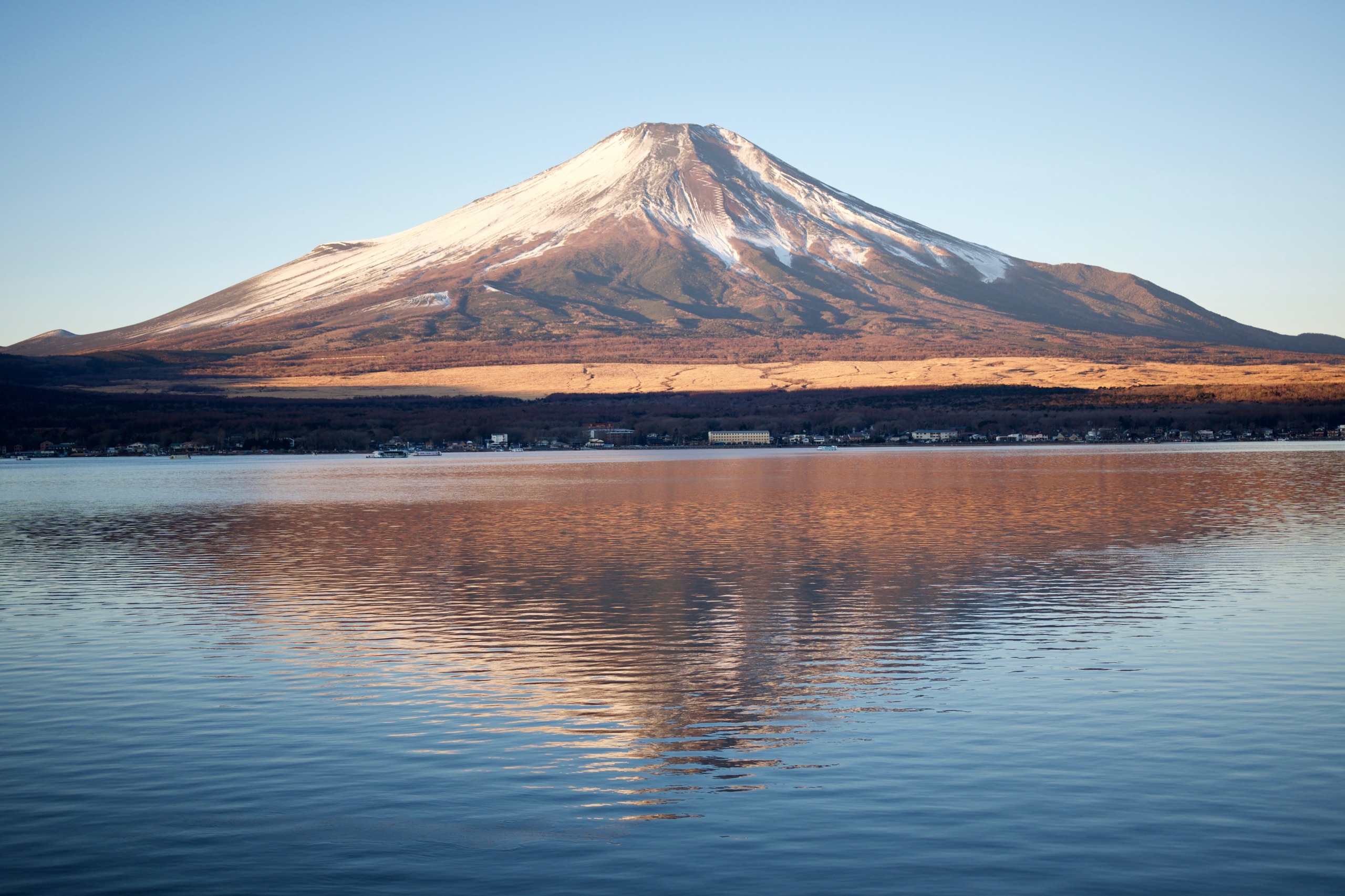
Mount Fuji, or Fujiyama, is a stratovolcano located between Shizuoka and Yamanashi prefectures on the island of Honshū, approximately 100 km southwest of Tokyo. At 3,776 meters, it is Japan's highest peak. Its iconic snow-capped conical silhouette, a national symbol, attracts hundreds of thousands of hikers and visitors each year who come to observe it from the shores of the five lakes or surrounding viewpoints.
Why visit Mount Fuji
Mount Fuji has been inscribed on the UNESCO World Heritage List since 2013 under the title "Sacred Site and Source of Artistic Inspiration." This recognition highlights its dual significance: a mountain venerated for centuries by pilgrims and a major pictorial subject in Japanese art, immortalized notably by Katsushika Hokusai in his Thirty-Six Views of Mount Fuji.
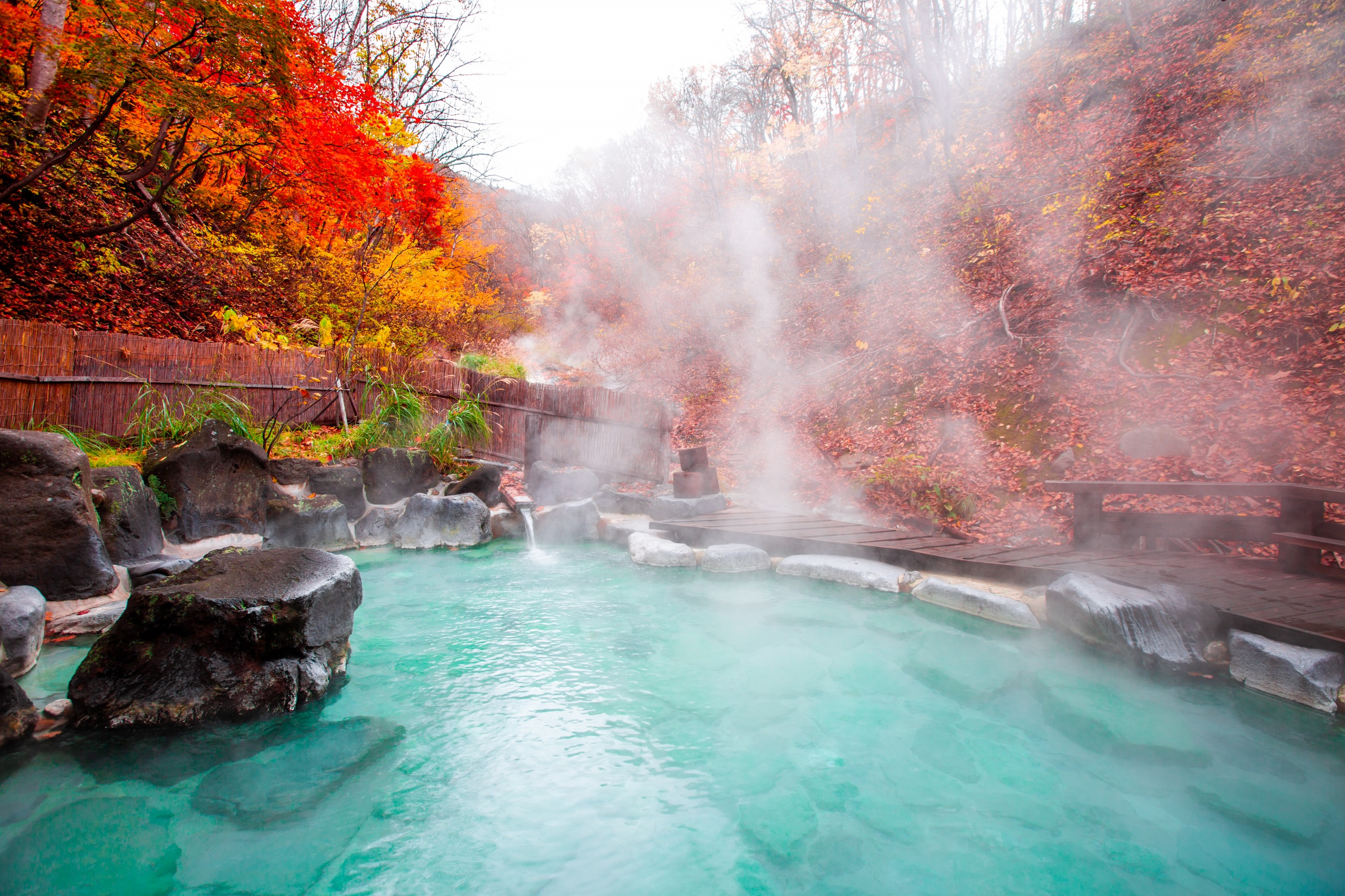
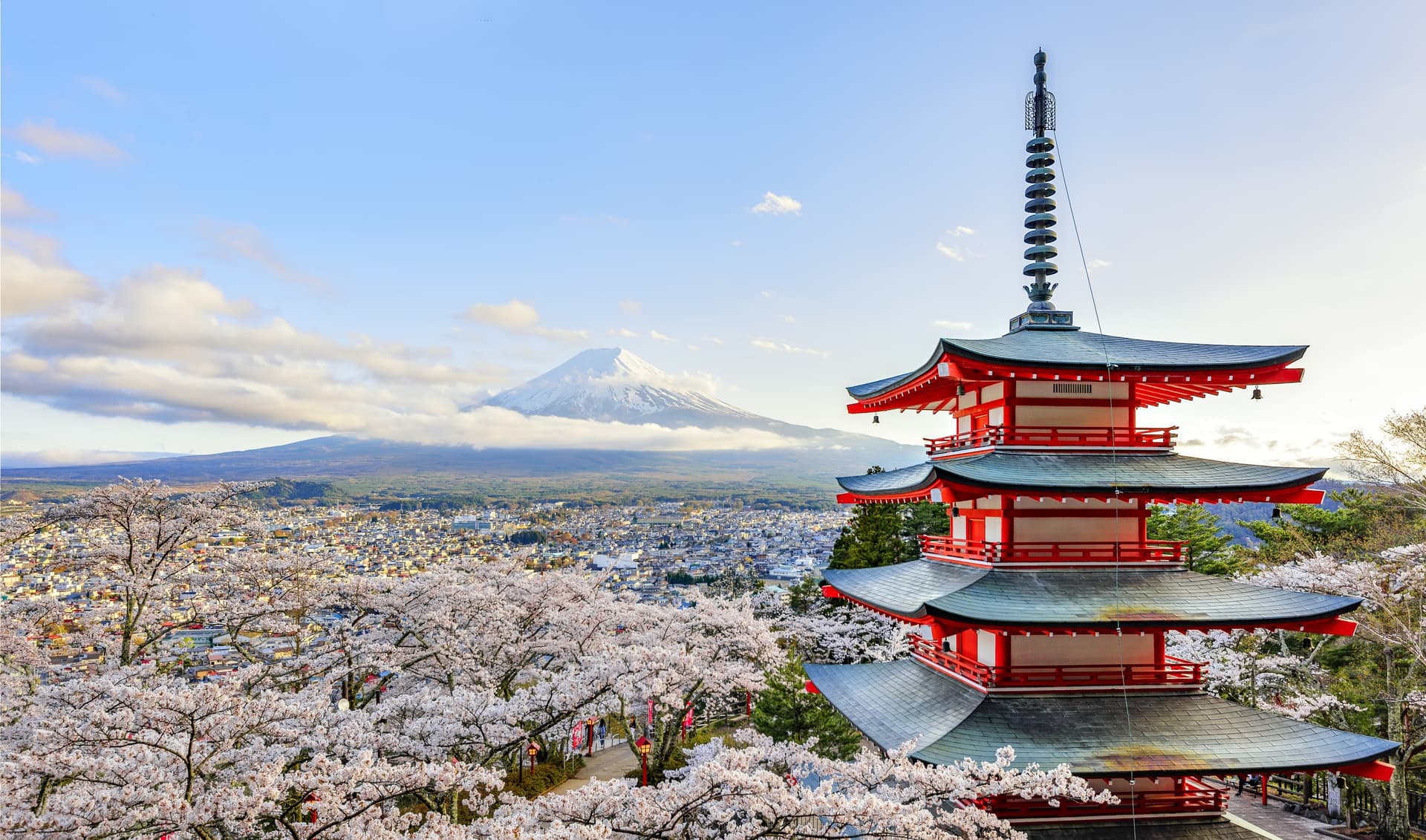
Beyond climbing, the region offers a range of experiences: panoramic views from Chureito Pagoda, thermal bathing in onsen, walks around the lakes, or attractions at Fujiyoshida amusement park. The volcano is as rewarding to contemplate as it is to climb.
History and cultural heritage
Mount Fuji's last major eruption occurred in 1707. It lasted more than two weeks and scattered ash as far as Tokyo (then Edo). Since then, the volcano has remained calm, though it is still classified as active.
During the Edo period (1603-1868), the Fujikō sect developed around the worship of the mountain. For its followers, climbing the summit was a spiritual pilgrimage. Those unable to undertake the ascent built miniature replicas of Mount Fuji, called Fujizuka, to symbolically accomplish the pilgrimage.
The image of Fuji deeply influenced Japanese arts. Its symmetrical form, broad at the base and tapered at the summit, appears across woodblock prints, paintings, poetry, and literature. Hokusai made it the central motif of a series that became world-famous in the nineteenth century.
What to see and do
Climbing to the summit
Five trails lead to the summit. The Yoshida Circuit, accessible from the 5th Station, is the most popular, with numerous mountain huts and tea houses. The Fujinomiya and Subashiri trails offer varied scenery depending on the season. The Gotemba trail, longer and steeper, is suited for experienced hikers. Plan for 6 to 9 hours of hiking on average, depending on your chosen route.
Many climbers time their ascent to reach the summit at dawn and witness the goraikō, "the coming of light": that moment when the first rays illuminate the surrounding clouds and peaks. On clear days, you can see the sea in the distance.
At the summit stands Japan's highest post office, where you can have postcards and letters stamped with a special Mount Fuji seal.
Chureito Pagoda
Located near the Arakurayama Sengen Shrine on the heights of Fujiyoshida, the Chureito Pagoda is a five-story red structure built in 1963 as a peace memorial. The viewing platform behind the pagoda offers one of the country's most iconic compositions: the pagoda in the foreground with Mount Fuji in the background, particularly photogenic in spring when cherry blossoms are in bloom.
Shiraito Falls
On the western slope of the volcano, the Shiraito Falls form a curtain of water 150 meters wide. The water partly comes from Mount Fuji's melting snow, filtered through lava layers. The site can be visited in 30 minutes to an hour.
The five lakes (Fujigoko)
The Fujigoko consist of five lakes arranged around the volcano's northern slope. Lake Kawaguchi is the liveliest and most accessible, with observation points, boat launches, and water activities. The other lakes (Yamanaka, Sai, Shōji, Motosu) offer a quieter atmosphere.
Fujiyoshida and Fuji-Q Highland
Fujiyoshida serves as the main gateway for climbing. It is home to Fuji-Q Highland, known for its thrilling roller coasters and themed areas dedicated to Naruto, Boruto, and Evangelion. The city's shopping streets and temples are also worth a visit.
Onsen stay
Several thermal springs are located around Mount Fuji. The Fuji Onsenji Yumedono, inspired by traditional ryokans, and the Mifujien, renowned for its volcano views from its baths, are among the most sought-after destinations.
When to visit
The official climbing season runs from early July to early September. This is the only period when trails are snow-free, mountain huts are open, and high-altitude transport is operational. Outside this window, climbing is not recommended and is reserved for equipped alpinists.
To view Mount Fuji without climbing it, the most favorable months are autumn (October-November) and winter (December-February), when the air is dry and clouds are less frequent. Spring offers the combination of cherry blossoms and a snow-capped summit, particularly sought after at Chureito and around Lake Kawaguchi.
At the summit, temperatures remain below 0°C for much of the year and snow is nearly permanent.
Practical information
- A meteorological station operates at the summit; since 2004, readings have been automated.
- More than 200,000 people climb the summit each season; reserve mountain huts and transport in advance.
- Minimum equipment: warm clothing, headlamp, water, provisions, coins for mountain huts and paid restrooms.
- A contribution to trail maintenance is requested at the entrance to climbing paths.
- Altitude sickness is not uncommon above the 8th station; plan for acclimatization breaks.
How to get there
From Tokyo, the easiest option is a direct bus from the Shinjuku terminal. The journey takes about 2.5 hours and drops passengers at the Subaru 5th Station, the starting point for the Yoshida trail. Buses also serve Kawaguchiko Station, from which you can reach the lakes and Chureito Pagoda.
By train, the JR Chūō Line connects Shinjuku to Ōtsuki, where you take the Fujikyū Line to Kawaguchiko or Fujisan. Total travel time is approximately 2 hours.
Nearby
If mountain hiking is part of your Japan itinerary, other peaks deserve a visit: Mount Hiei near Kyoto, a major center of Tendai Buddhism, Mount Tsukuba north of Tokyo, accessible by cable car, or Mount Inasa in Nagasaki, famous for its night panorama. To extend the spiritual experience of sacred mountains, the Nachi Taisha shrine on the Kii Peninsula is a remarkable complement.
Frequently asked questions
Frequently asked questions
Plan your itinerary
Mount Fuji fits naturally into a circuit around Tokyo, the Japanese Alps, or the Hakone region. To build a trip that combines climbing, lakes, and cultural cities, check our itinerary suggestions on the Japan travel page.
Interested in this visit?
We can include it in your personalised itinerary.