Fukui
Fukui
Prefectural capital south of Kanazawa, Fukui reveals authentic Japan: washi papercraft, Zen temple Eiheiji, dinosaurs of Katsuyama and hot springs of Awara.
Fukui is a charming prefectural capital on the shores of the Sea of Japan, south of Kanazawa. It's the ideal destination to discover off the beaten path, away from mass tourism. Wild nature, traditions and local craftsmanship will surprise you.
History
Fukui stands apart from other medium-sized Japanese cities through its history and its totemic animal, the phoenix. Every summer, a matsuri festival takes place in honor of this mythological creature that has infused the region with its strength since ancient times. During the Edo period (1603–1868), Fukui served as the capital of Echizen Province and was home to a flourishing paper industry. The city evolved at its own pace until World War II bombing raids and the devastating 1948 earthquake struck it hard. But like the phoenix that always rises from its ashes, it managed to rebuild.
Discovering Fukui
Capital of its namesake prefecture, Fukui is a showcase of Japanese craftsmanship, from lacquerware and washi paper to eyeglass frame production and harp manufacturing. Locals revere their crafts, as evidenced by ceremonies dedicated to the paper god. The city is also renowned for its seafood—sea urchin in summer and Echizen crabs in winter, available at the city's main market hall.
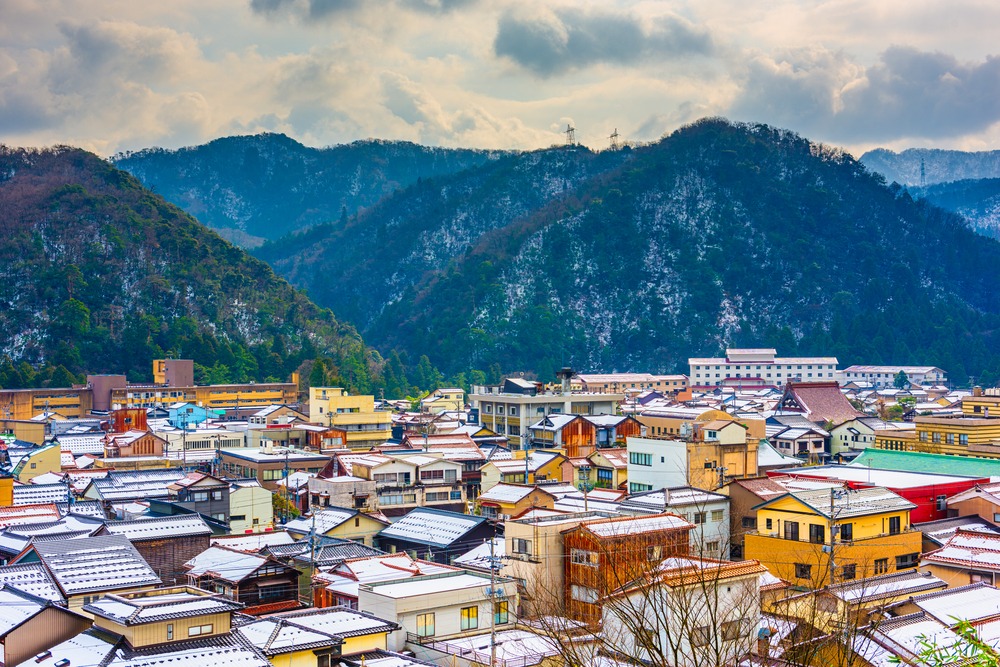
As you stroll through the streets, you may find it difficult to imagine Fukui's troubled past. The districts from the Edo and Meiji eras have been carefully restored in respect of traditional architectural styles. Fukui Castle has given way to the Fukui Prefectural Government headquarters, but you can still see its imposing stone walls and moats, as well as a replica of the Orokabashi Bridge.
Places to catch your breath
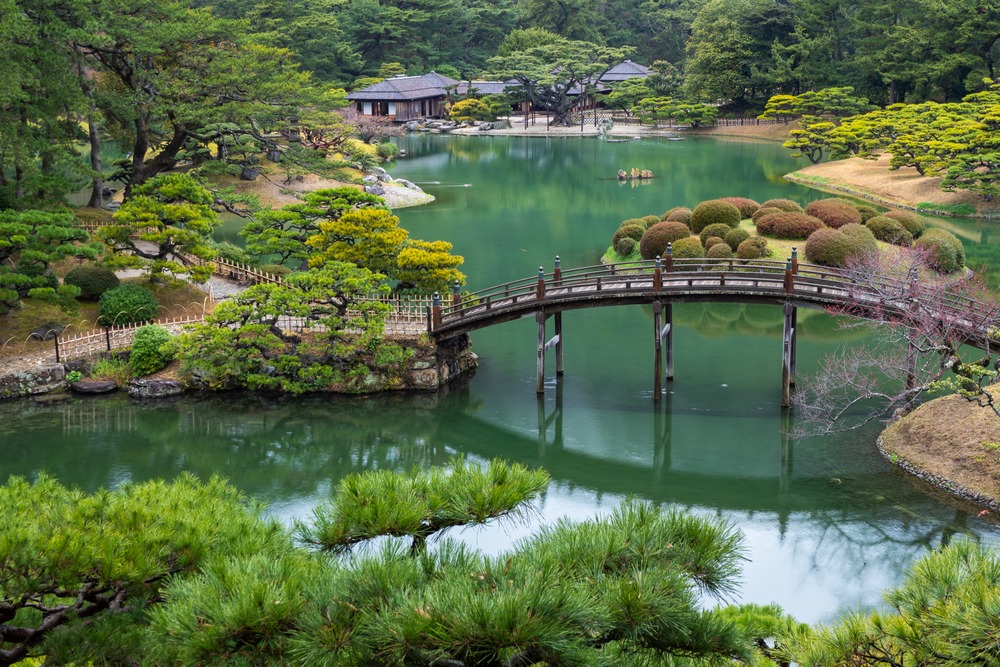
Near the castle, Yokokan Garden, named Osensui during the Edo period, was the secondary residence of the Matsudaira clan. Contemplate the lovely villa overlooking the koi pond, then wander through the park, weaving between seasonal plants (cherry blossoms, hydrangeas, plum trees, peonies…), stone lanterns and bridges, not forgetting to visit the "Seiren" pavilion and the artificial hill.
The banks of the Asuwa River also offer a beautiful walk, especially during cherry blossom season. Over 600 trees line the path for about 2 kilometers, making it one of Japan's top 100 spots for viewing hanami. Across the river lies Asuwayama Park, home to the Asuwa Shrine, a memorial to the illustrious 6th-century Emperor Keitai. The old weeping cherry tree and a great statue of the emperor are its main attractions.
Eiheiji Temple, a bastion of Zen Buddhism
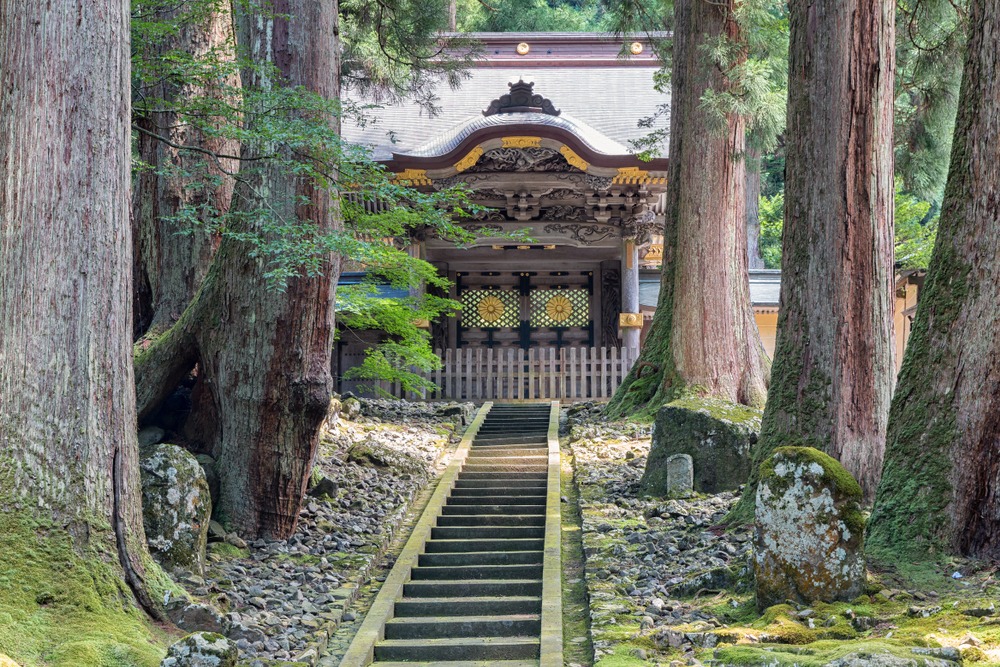
Just 30 minutes by bus from Fukui, discover a historic Zen training temple. Built by the monk Dogen in 1244, Eiheiji Temple brings together more than sixty buildings, interconnected by wooden bridges. Make the effort to visit the Hatto Hall, the highest location, then enjoy a panoramic view from the observation terrace. Created in 1843, the Hatto hosts daily religious ceremonies and temporary lectures. It houses a representation of Kannon and four white lions named Shishi. The temple's oldest element is the main gate Sanmon, dating from 1749.
Marvel at the Fukui Prefectural Museum of Dinosaurs
Kisho Kurokawa, the architect of the National Art Center of Tokyo, brought all his talent to the design of this colossal museum. The Fukui Prefectural Dinosaur Museum stands proudly as one of the three most important dinosaur museums on Earth. The complex also houses a research center staffed by an international team. The Katsuyama region of Fukui has been the site of numerous dinosaur fossil discoveries.
Where nature and tradition converge
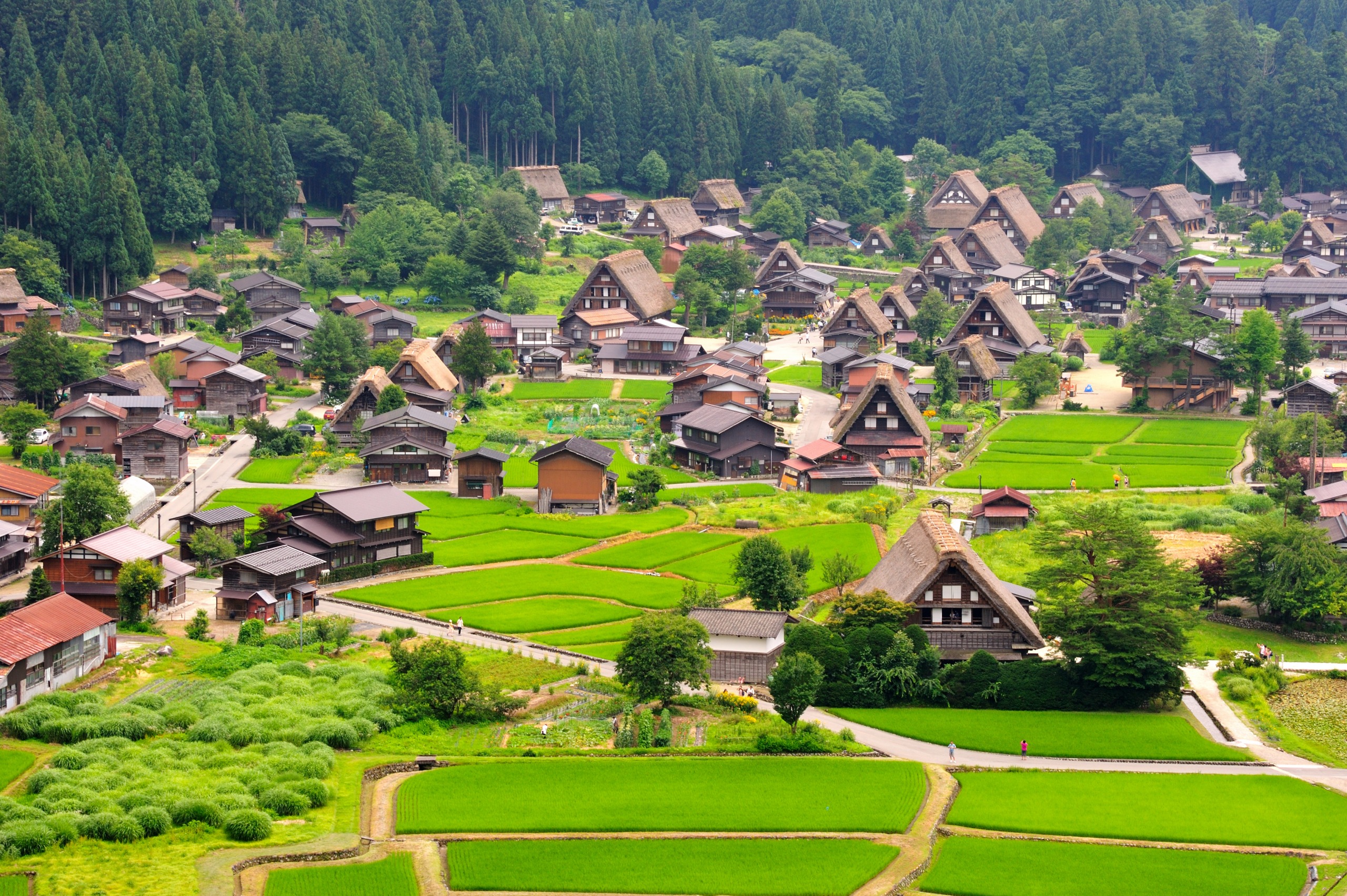
The inhabitants of Fukui Prefecture are deeply attached to their heritage. They lead a simple lifestyle and are committed to preserving the quality of their environment. Technology is not yet a priority in Fukui. Nature provides it with everything it needs. The climate supports diverse crops and abundant water enriches the land. Whether from marine fishing or agriculture, Fukui's local products form the foundation of the region's authentic cuisine, imbued with charm and simplicity. Just a short distance away, Awara welcomes weary travelers with its thermal springs. Experience the benefits of a natural hot bath in a bucolic setting. For a serene getaway, Fukui is well worth the visit.
Climate in Fukui
The humid season extends from late May to mid-July. Rainy days are frequent. So pack an umbrella and waterproof shoes if you plan to visit Fukui during this period. In winter, heavy snow makes some streets congested and slippery. Shoes with good crampons are essential for outings.
As a prefectural capital, Fukui has a fairly developed transportation network, connecting it to major tourist destinations like Osaka and Kanazawa. JR express trains travel between Osaka or Kyoto and Fukui in two hours. The journey from Kanazawa takes less than an hour.
The tram is a practical and affordable solution for getting around the city. Two lines run from Fukuieki Station, outside JR Fukui Station: one heads north and serves Yokokan Garden and the art museum; the other goes south to Echizen-Takefu Station.
What to do in Fukui?
- Discover washi paper craftsmanship
- Stroll through Yokokan Garden
- Walk along the banks of the Asuwa River
- Visit the Fukui Prefectural Dinosaur Museum
- Unwind in the hot springs of Awara, and more
Want to discover this destination?
Our local advisors design your tailor-made trip.