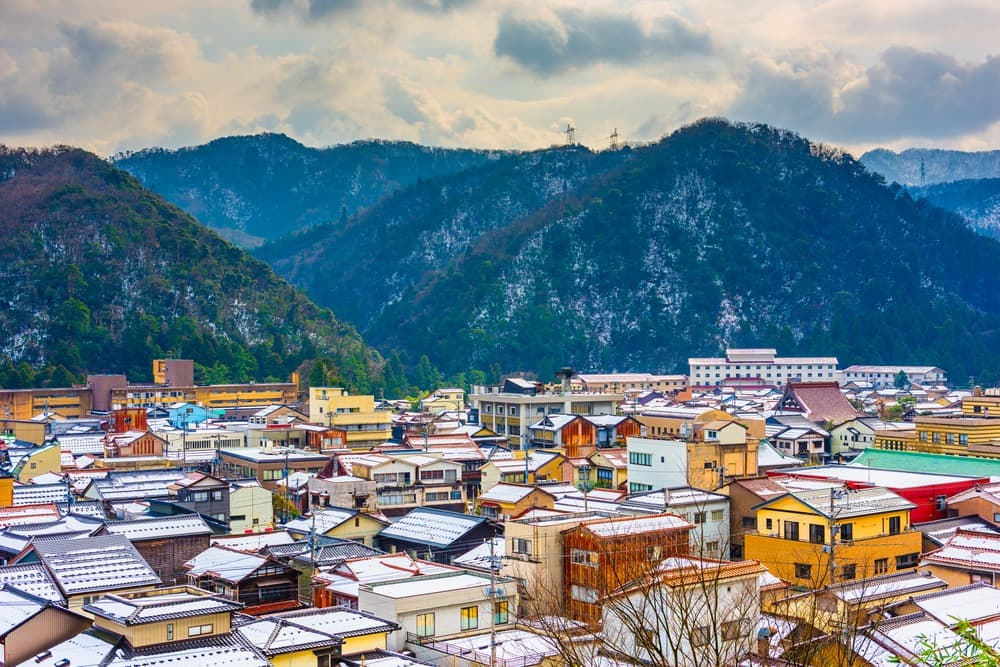
Ishikawa
Often mistaken for a city until its capital Kanazawa is mentioned, Ishikawa is an elongated prefecture on the eastern coast of the island of Honshu, between the Sea of Japan and the mountain range near Mount Hakusan.
Often mistaken for a city until its capital Kanazawa is mentioned, Ishikawa is an elongated prefecture on the eastern coast of the island of Honshu, between the Sea of Japan and the mountain range near Mount Hakusan. Explore this land rich in intrigue, where nature, tradition, and modernity converge.
History
During the Edo period, Ishikawa was part of the Kaga Domain. The immensely wealthy Maeda family, which controlled the region, invested heavily in developing the sectors of craftsmanship, fine arts, cuisine, and various traditional activities throughout the prefecture. They were also instrumental in creating the region's principal monuments.
Discovering Ishikawa
Ishikawa Prefecture comprises three zones: the city of Kanazawa, its capital in the center, the Noto Peninsula to the north, and the Kaga Hakusan region to the south.
Kanazawa, an elegant and cultural capital
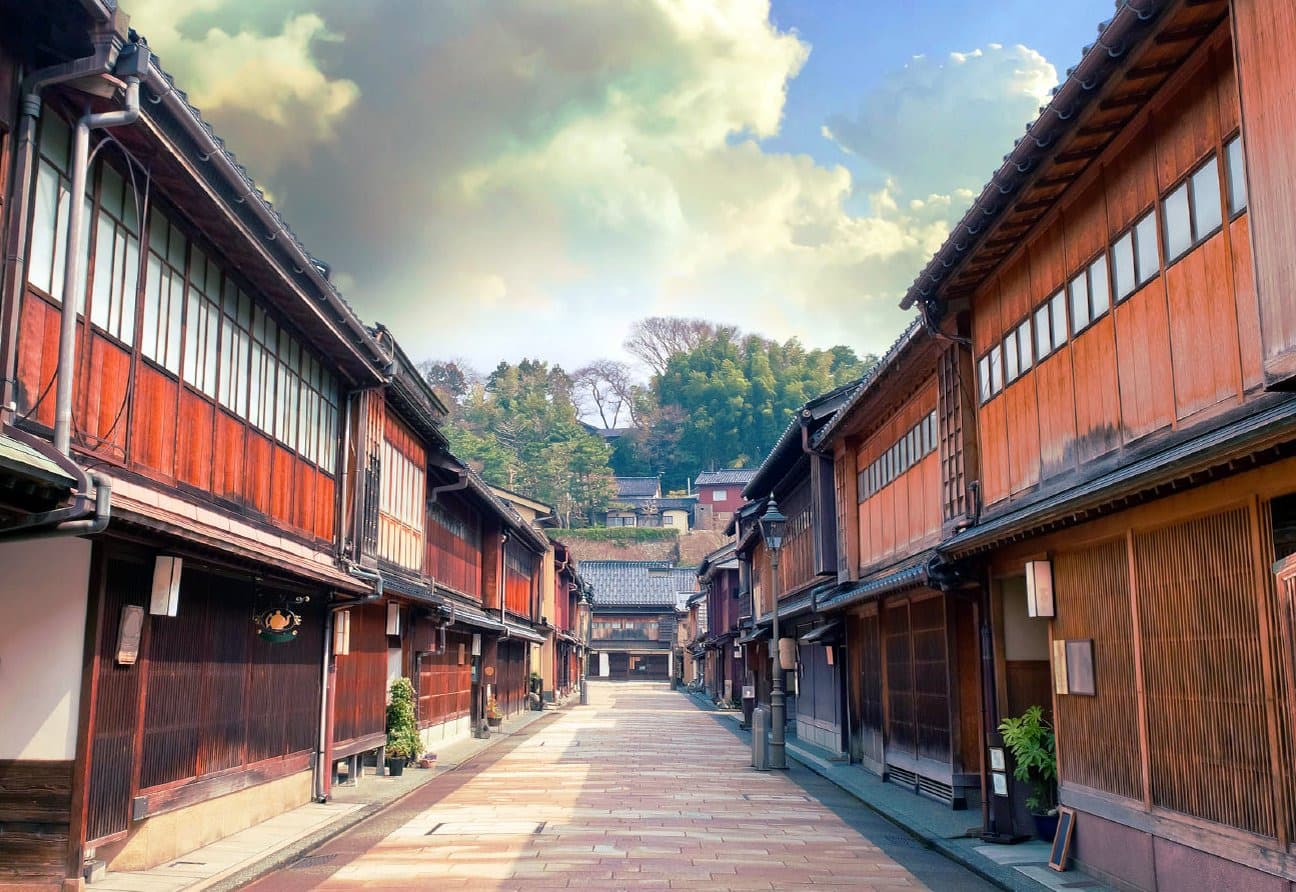
Kanazawa, much like Kyoto, stands as a bastion of Japanese culture and tradition. The powerful Maeda family left the city a sumptuous legacy, from the Kenrokuen Garden (one of the three most beautiful zen parks in Japan) to the grand Kanazawa Castle. An ancient samurai quarter threads through the landscape—Nagamachi—where narrow lanes lined with stone and clay walls, along with traditional houses, transport you back to feudal Japan. By patronizing local artisans, the Maeda encouraged various art forms to flourish in Kanazawa. Discover the Kaga-yuzen dyeing technique that adorns kimonos and Ohi ceramics. Kanazawa is also among Japan's leading producers of gold leaf.
Kanazawa beautifully merges modern trends with its heritage. The 21st Century Museum of Art showcases temporary exhibitions featuring acclaimed Japanese and international artists. Across from the station, the Tsuzumimon Gate blends contemporary and traditional inspirations, and is considered an emblem of the city. Katamachi and Korinbo are two popular quarters for shopping and nightlife.
The Noto Peninsula and Kaga Hakusan
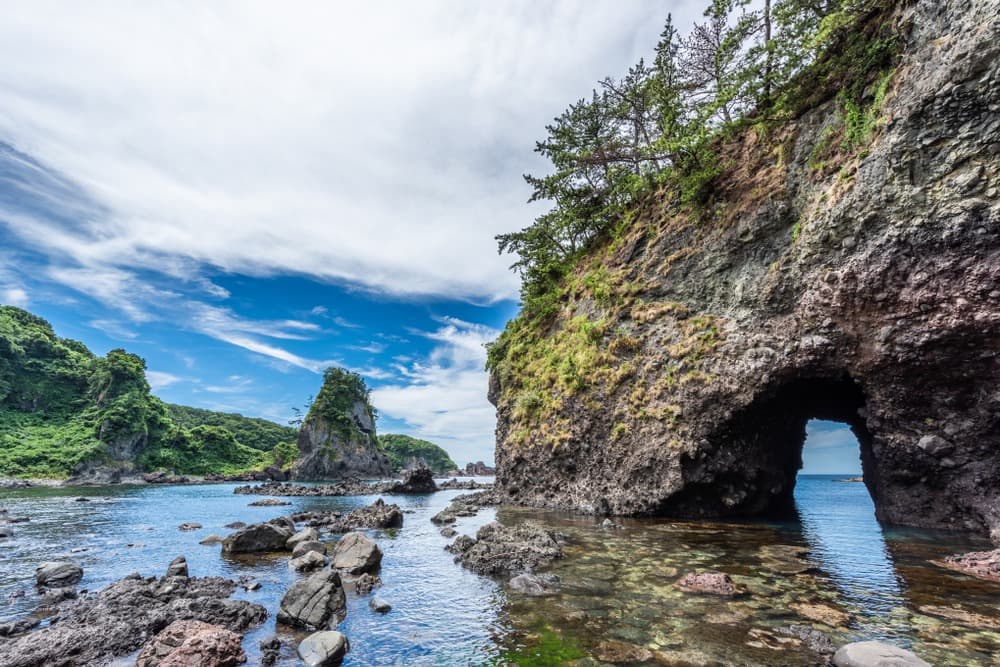
Spanning approximately 100 km along the Sea of Japan coast, the Noto Peninsula is home to spectacular coastal landscapes. Overlooking the open sea, the terraced rice fields of Shiroyone Senmaida offer a quintessential view of rural Japan. On the west coast, Chirihama Nagisa Beach is the only beach in the country where it is possible to take a drive along the shore. Also visit Wajima and its morning market, as well as the salt farm village of Okunoto.
Kaga Hakusan, in the southern part of Ishikawa Prefecture, is distinguished by its mountains and numerous hot springs. After conquering Mount Hakusan, which peaks at 2,700 meters, head to the Kaga Onsen resort to unwind. In winter, the mountain offers excellent ski slopes and numerous snow activities. Travel the Hakusan Shirakawa-go White Route to reach waterfalls, observation platforms, and exciting hiking trails.
Ishikawa, a vibrant land
Recurring throughout the year, festivals are the best times to tune into the traditions and joie de vivre of Ishikawa's residents. Each season brings its own calendar of events, so there will always be something to celebrate during your stay:
- Spring: the Seihakusai Matsuri in Nanao, the Uchinada World Kite Festival in Kanazawa, the Otabi Festival in Kaga Hakusan, the Tomobata Festival in Noto…
- Summer: the Hyakumangoku Festival in Kanazawa, the Abare Festival in Ushitsu, the Issaki Hoto Festival in Nanao, the Wajima Taisai Festival in Wajima…
- Autumn: the Okuma Kabuto Festival in Nanao, the Wajima Crab Festival, the Horai Festival in the Tsurugi district of Hakusan, the Jumangoku Festival in Kaga…
- Winter: the Kaga-tobi Dezomeshiki Festival at Kanazawa Castle, the Ae no Koto ritual in Gorokuan, the Snowman Festival in Kuwajima and Shiramine…
When to visit Ishikawa?
Activities, views, events, food, and more abound in Ishikawa year-round. Many tourists visit the prefecture in spring to enjoy mild, dry days. Summer arrives around June, bringing warmth and humidity, peaking in early August. The rainy season extends from mid-June to mid-July, during which you should always carry a raincoat or umbrella when venturing out. The weather calms and warms slightly in September. October is a pleasant period. November is cool, while the first snow falls occur in December. Snow falls until February, though you will still enjoy clear days.
Kanazawa is the common gateway for visiting Ishikawa Prefecture. High-speed trains connect the local station from Tokyo. The city also has rail connections to Kyoto, Nagoya, and Osaka. If you prefer to travel by air, two airports serve the prefecture: Noto Satoyama and Komatsu. It is also possible to come to Ishikawa by boat. National and international cruise companies call at the Kanazawa Port, where tour buses then take you to explore the must-see attractions.
It is easy to get around Ishikawa. Buses and trains cover most of the prefecture and are convenient for traveling between cities. However, renting a car is highly recommended for an exciting and unrestricted experience. Cycling throughout Ishikawa is also enjoyable.
What to do in Ishikawa?
- Stroll through the Kenrokuen Garden in Kanazawa
- Enjoy the exhibitions at the 21st Century Museum of Art in Kanazawa
- Take a drive along Chirihama Nagisa Beach
- Explore the terraced rice fields of Shiroyone Senmaida
- Relax in the hot springs at the Kaga Onsen resort, etc.