Hokkaido
When thinking of Japan, most people conjure images of the high-tech capital Tokyo or Kyoto, the city of a thousand temples. While these two cities certainly deserve their acclaim, there are countless other destinations worth exploring in the Land of the Rising Sun. Are you seeking spectacular hiking landscapes, laid-back beach resorts, or cities rich in history? Discover Hokkaido, Japan's northernmost island.
When thinking of Japan, most people conjure images of the high-tech capital Tokyo or Kyoto, the city of a thousand temples. While these two cities certainly deserve their acclaim, there are countless other destinations worth exploring in the Land of the Rising Sun. Are you seeking spectacular hiking landscapes, laid-back beach resorts, or cities rich in history? Discover Hokkaido, Japan's northernmost island.
History
Starting in the 16th century, the Japanese began trading with the indigenous Ainu people and settling in Hokkaido. The region's development, known as Ezochi until the Meiji Restoration, accelerated in the late 19th century. Shortly after the Boshin War in 1868, Admiral Enomoto Takeaki and a group of Tokugawa shogunate loyalists proclaimed the founding of the Republic of Ezo on the island. The rebellion was short-lived, lasting only until May 1869. Following the Meiji Renewal, Hokkaido remained divided into four prefectures for many years.
Discovering Hokkaido
Hokkaido on Land
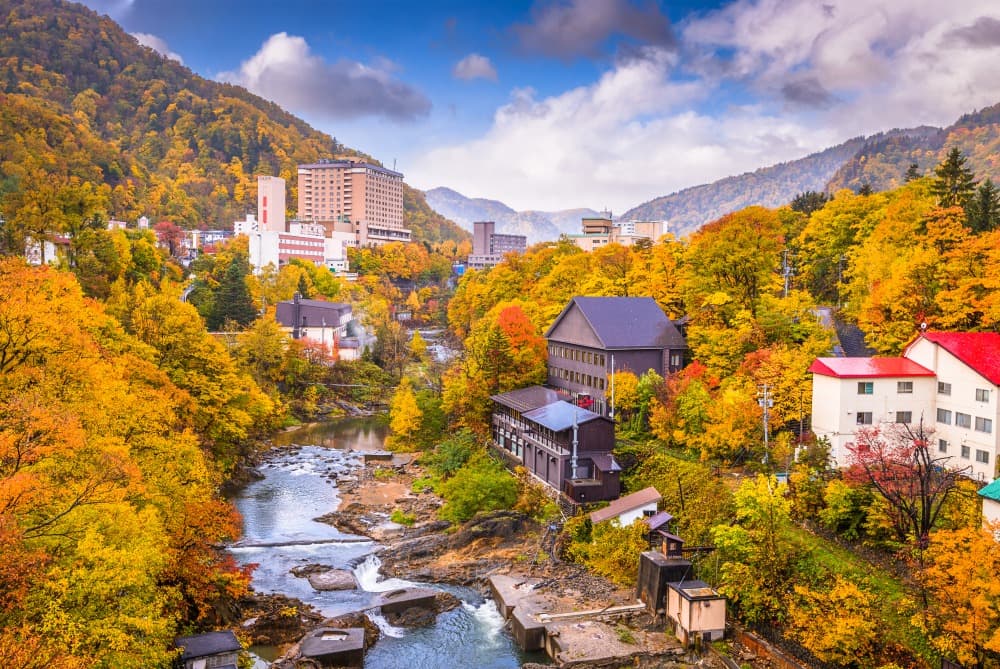
Embark on an adventure through Hokkaido's six national parks. Just a short distance from Sapporo, the prefectural capital, Mount Yotei in the Shikotsu-Toya National Park offers hikes as thrilling as Mount Fuji on the island of Honshu. Plan for approximately ten hours to reach the summit, though if you'd prefer to save time for other island attractions, a leisurely walk through forests of birch and bamboo will transport you elsewhere. While you're there, consider visiting Lake Toya or Hell Valley gorge at Mount Noboribetsu. For seasoned trekkers, Shiretoko and Daisetsuzan offer spectacular trails in eastern Hokkaido. Keep your camera ready—several bird species frequent the forests, which also harbor foxes and brown bears.
In winter, cold winds sweeping across the Sea of Japan from Siberia deposit powder of exceptional quality on Hokkaido's mountains. The island boasts numerous ski resorts, including the renowned Niseko ski resort, Rusutsu, Furano, Sahoro, and Tomamu.
Hokkaido by the Sea
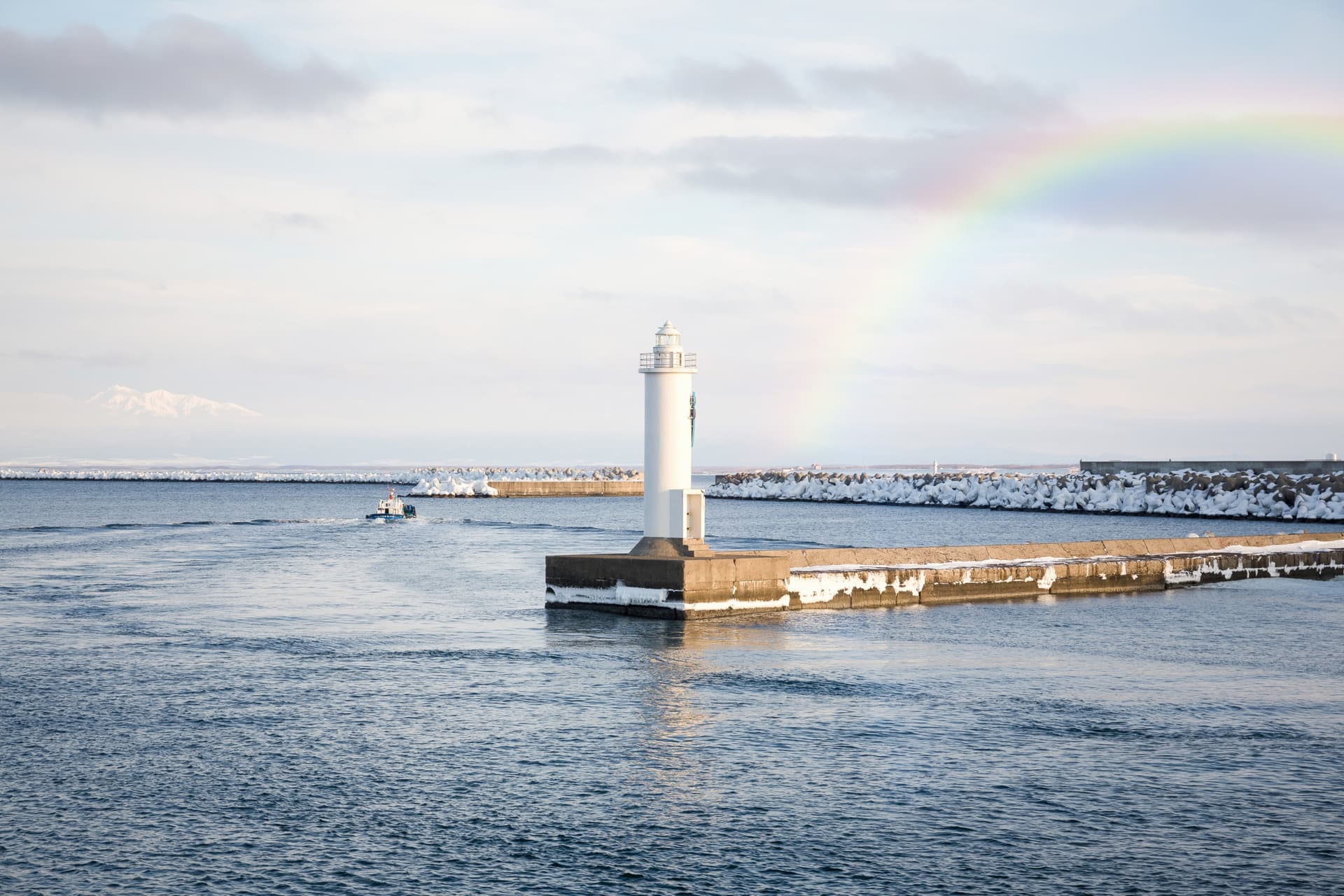
Some of Japan's finest beach destinations can be found in Hokkaido. Two hours from Sapporo, Ranshima Beach offers a tranquil, laid-back atmosphere perfect for lounging on smooth sand and swimming in crystalline waters. Closer to the capital, just 15 minutes away, Otaru's "Dream Beach" caters to those seeking nightlife, with its array of restaurants and bars that stay open well into the early morning hours. It's the favored spot for young people and university students. If you're after stunning coastal scenery, head to Shimamu Beach on the Shakotan Peninsula, where cliffs dominate the swirling waters of the Sea of Japan; or visit Itanki Beach near the port city of Muroran, which has served as a backdrop for numerous films and television series. At the far north of Hokkaido, in Abashiri, board the Aurora icebreaker for a cruise across the frozen Okhotsk Sea.
Hokkaido City-Side
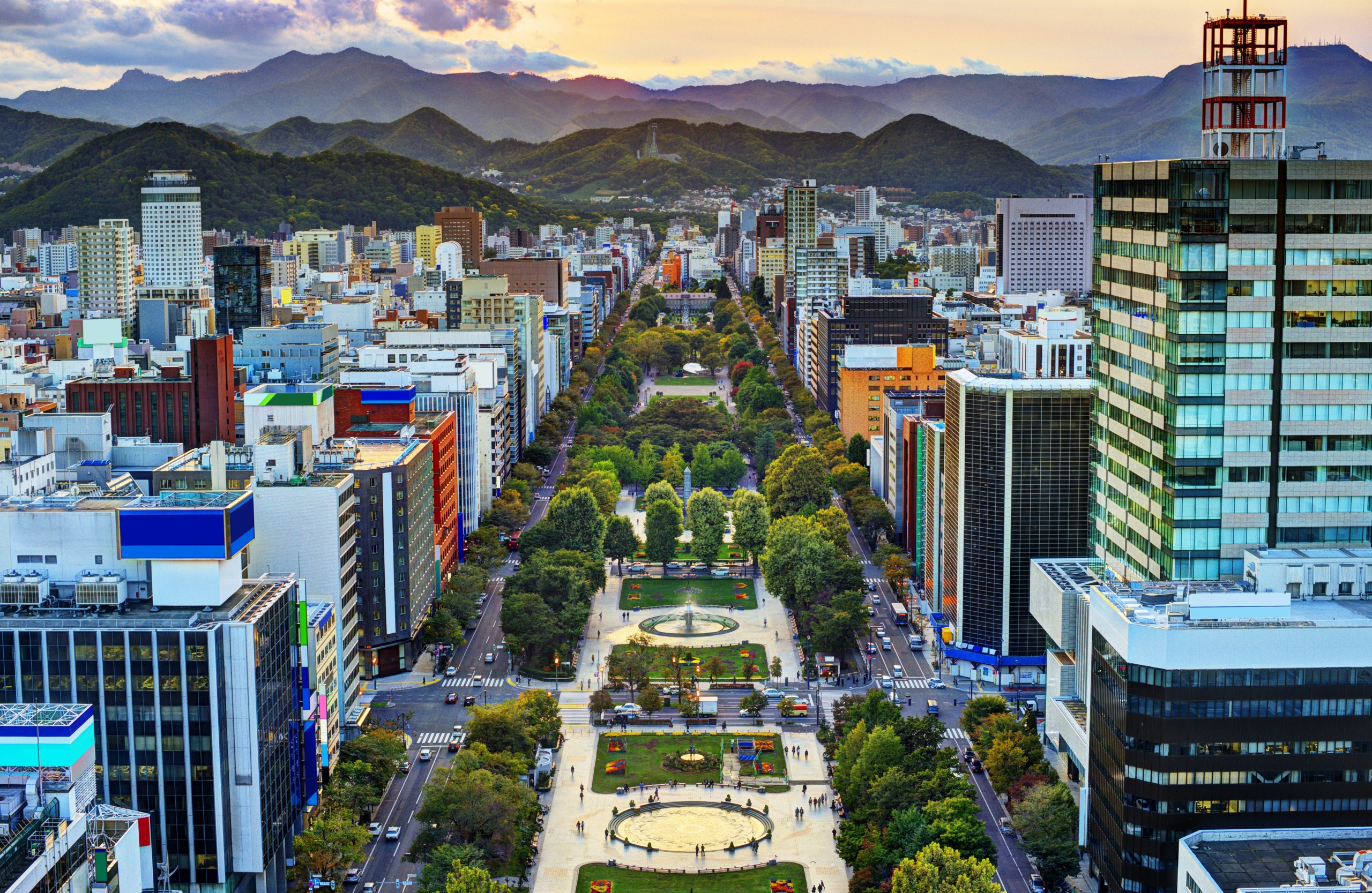
Don't overlook Sapporo, Hokkaido's capital. While less vibrant than the country's megopolises, the city certainly doesn't lack attractions for the eyes and palate. Beyond the eponymous beer, to which a museum is dedicated, sample local ramen, jingisukan (grilled mutton), and Sea of Japan seafood in the city's restaurants and ethnic cuisine cafés. Take a stroll through Shiroi Koibito Park for a sweet, chocolate-filled interlude. While you're there, pick up some souvenirs at Jyogai Ichiba Market. Not far from downtown, Nijo Market is also an excellent shopping spot. In February, during the height of winter, Sapporo immerses itself in the magic of the Yuki Matsuri snow festival. For seven days, local and international artists collaborate to sculpt hundreds of elaborate ice statues throughout Odori Park and other parts of the city.
At the southern tip of Hokkaido, Hakodate bears witness to the colonial era through Motomachi, the former residential district of foreigners, and Fort Goryokaku, Japan's first Western-style fortress. It's also one of the last strongholds of samurai culture. Visit the Museum of Northern Peoples to discover the history, culture, and craftsmanship of the indigenous Ainu. Above all, don't leave the city without taking in the night views from Mount Hakodate.
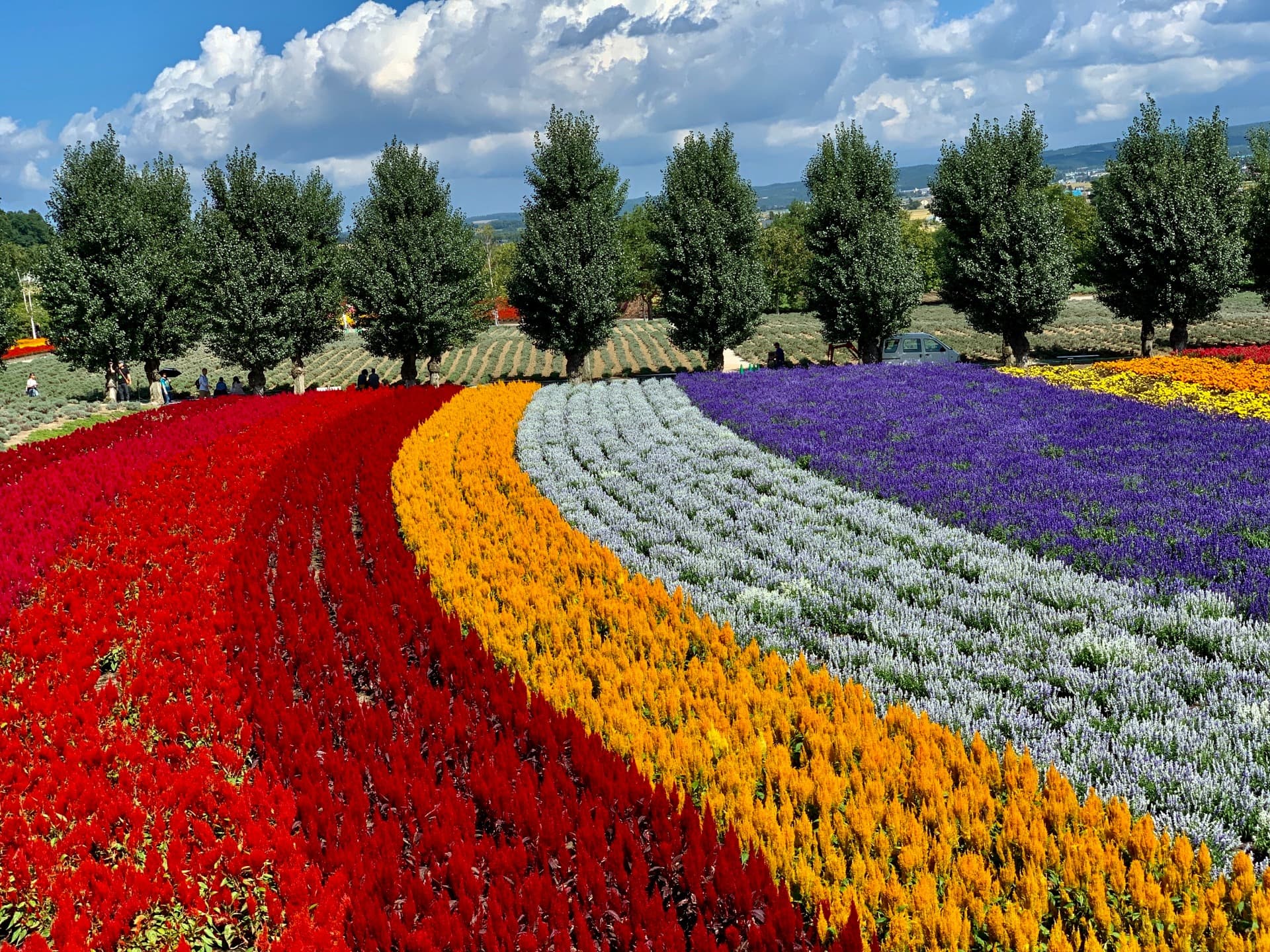
The heritage village of Biei, in the Kamikawa subprefecture at the center of the island, is also worth a detour for its vast flower plantations and patchwork farmland on hillside slopes; as is Furano, renowned for its lavender fields in summer and ski slopes in winter.
Climate in Hokkaido
Japan experiences four distinct seasons, and it's in Hokkaido where you'll feel these variations most keenly. Year-round, the island generally enjoys cool, low-humidity conditions. Summers are mild, certainly the most comfortable in all of Japan. Autumn sets in around mid-September and features pleasantly cool temperatures after sunset. In the northern part of the island, around Wakkanai and Asahikawa, snow typically begins around mid-November. In winter, despite regional variations, it's not uncommon to see temperatures below freezing. Therefore, always pack warm clothing. Spring arrives in early May, marked by the blooming of wildflowers.
Chitose Airport is the primary entry point to Hokkaido. Numerous international flights operate daily from this hub. If there's no direct flight from your city or country, take a flight to Tokyo Haneda or Narita airports, then connect with a domestic flight to Chitose. Hokkaido is also linked to the rest of the country by JR train and the Shinkansen via the Seikan Tunnel. Ferries, buses, and rental cars offer additional alternatives.
Given Hokkaido's vast size and numerous outlying islands, you likely won't have time to cover all attractions. The island does, however, boast a well-developed network of regional airlines that allows you to move quickly between cities. Sapporo's small Okadama Airport operates numerous turboprop flights. Trains are also a good option for reaching major cities, but to access nature-based tourist sites, you'll need to travel by bus or rent a car. From April through September, Hokkaido is pleasant to explore by bicycle. Bike paths abound on the island, and most major roads have wide sidewalks.
You might also consider purchasing a JR Hokkaido Pass if you plan to travel extensively by train.
What to Do in Hokkaido?
- Undertake the "Grand Daisetsuzan Crossing", a 5 to 7-day trek from Asahidake to Tokachidake
- Explore the Shiretoko Peninsula, a site inscribed on the UNESCO World Heritage list
- Enjoy the pleasures of the beach at Ranshima or Otaru
- Go shopping at Jyogai Ichiba Market in Sapporo
- Learn about Ainu craftsmanship at the Museum of Northern Peoples, and more