Furano
Furano
In central Hokkaido, Furano blends purple lavender fields in July with pristine powder snow in winter. Everything you need to know about Japan's "navel town."
Lavender fields and ski slopes await you at Furano! Located in the heart of Hokkaido island, roughly two hours by train from Sapporo, this charming town offers not only access to a pristine natural setting nestled between the Ashibetsu-dake and Tokachi-dake mountains, but also a wealth of tourist attractions.
History
Given its location at Hokkaido's geographical center, Furano earned the nickname Heso no Machi, meaning "navel town." The city was founded on May 1st, 1966 in the Kamikawa sub-prefecture. Agriculture and ski-related activities form the backbone of its economy.
Today
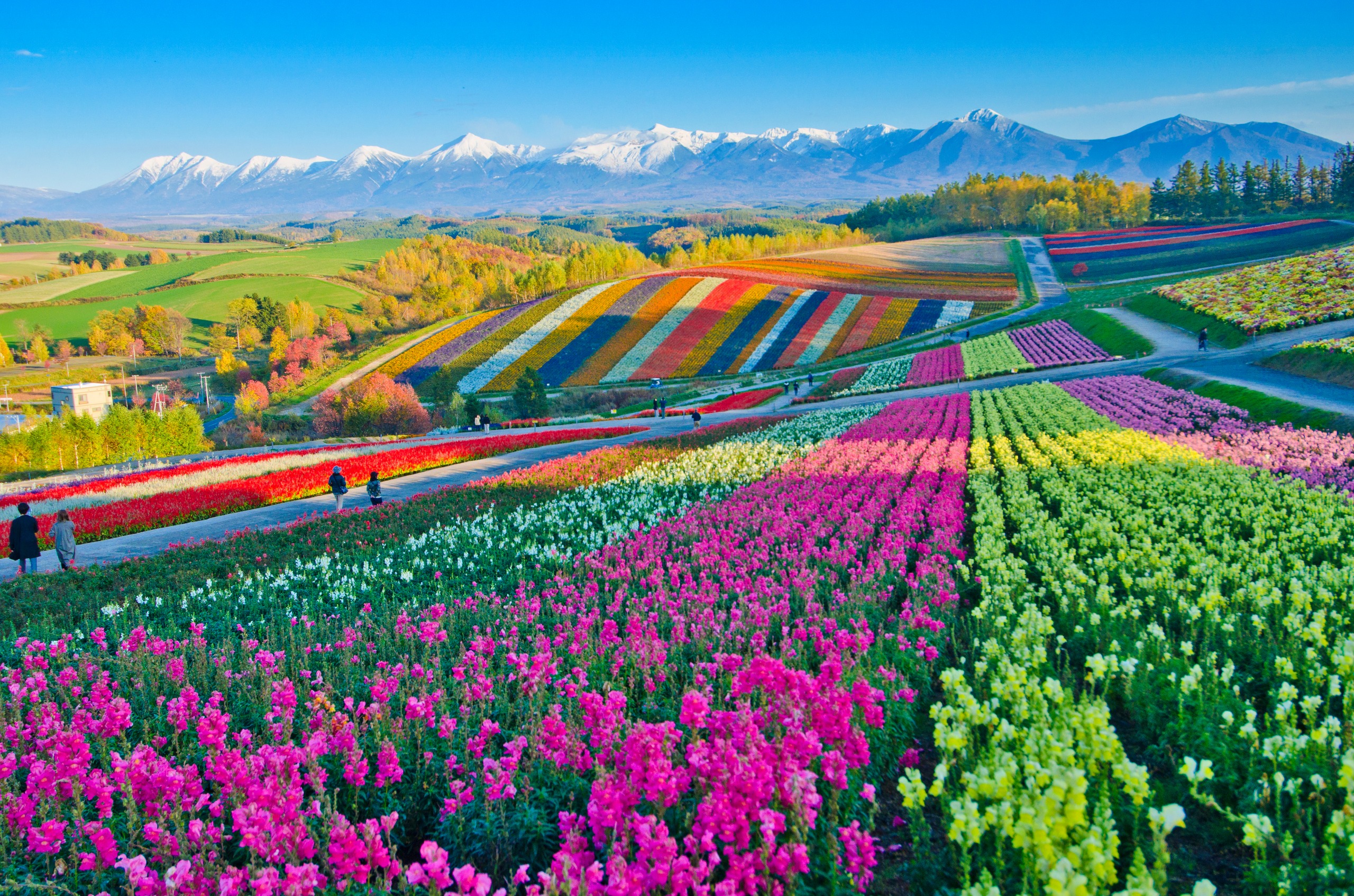
Furano boasts stunning landscapes framed by the Tokachi and Ashibetsu mountains. Come July, lavender flowers burst into bloom across fields that stretch for kilometers. Summer cascades into the season of poppies, cosmos flowers, and baby's breath, their colors and fragrances inviting leisurely strolls.
The finest spot to admire blooming lavender is the Tomita Farm. The location also treats you to panoramic views of the surrounding mountains. Here, you can learn everything about cultivating these aromatic shrubs and visit an essential oil distillery. The farm also offers gourmet lavender products—ice cream, pastries, tea, cheesecakes, and more.
Other delights from Furano's terroir await your palate: local cheese, kabocha and corn-flavored ice cream, wood-fired pizzas, and beyond. Don't miss the Furano Winery, which has been producing its own wines for over 40 years. The estate cultivates rare grape varieties to craft wines with distinctive character: Weigelt, Aurore, Cascade, and others. Admission is free, and tastings can be arranged upon request.
For artisanal experiences, Furano hosts several glass studios where you can learn the craft of glassblowing. These workshops draw inspiration from "Diamond Dust" to create the famous Shibare garasu ice crystals. Another gathering space, the Furano Market sits close to JR Furano Station. Local produce fills the stalls—seasonal vegetables and fruits, pastries, ice cream, smoothies, and more. It's equally a hub for sharing local expertise and craftsmanship.
When winter arrives, the vibrant flower colors surrender to pristine white snow. Furano transforms into a skiing hotspot drawing winter sports enthusiasts from around the globe. The resort maintains extensive infrastructure while preserving its welcoming atmosphere. The skiable terrain spans two zones—Kitanomine and Furano—connected by 11 lifts. From snowshoeing and cross-country skiing to rafting, sledding, and snowmobiling, activities suit the whole family. Runs cater to beginners, intermediates, and experts alike. Mountainside restaurants and cafés serve warming drinks, local beer, and hearty snacks after a day on the slopes. Furano also boasts several onsen (hot springs) where you can unwind in serene comfort.
Climate
Furano's central Hokkaido location and high altitude create a cool temperate continental climate. Temperatures swing dramatically between seasons, reaching above 86°F (30°C) in summer and plummeting to -22°F (-30°C) in winter.
Spring and summer days warm pleasantly but cool come evening; pack long-sleeved layers. Snowfall typically begins in late October.
By Air:
Asahikawa Airport, 56 km away, is Furano's closest airport. From there, allow roughly one hour's drive to reach the navel town.
By Train:
Train travel to Furano involves two legs. From Sapporo, board a train bound for Takikawa Station. Upon arrival, transfer onto the Nemuro Honsen line to reach Furano.
By Bus:
The Furano Express–Chuo Bus network connects Sapporo and Furano, with an average journey time of 2.5 hours. Alternatively, the Lavender Express Bus shuttles between Asahikawa and Furano.
If driving your own vehicle, the trip from Sapporo takes roughly three hours via Routes 237 and 38.
By Train:
To explore the picturesque valley north of Furano and continue toward Asahikawa, board the scenic Furano-Biei Norokko tourist train. For lavender fields, disembark at Nakafurano Station. To visit Tomita Farm, exit at the seasonal Labenda Batake Station. Two additional stops serve other attractions: Kamifurano Station (near Flower Land Kamifurano) and Yamabe Station (gateway to Ashibetsu mountain hiking trails).
By Car:
Buses operate throughout the region, though service is limited. Consider taxis instead, or rent a private vehicle.
By Bicycle:
Bike rental shops cluster near the railway station. Some hotels also offer bicycle rentals.
On Foot:
Furano's city center is walkable, as is the Kitanomine ski station, reachable in minutes on foot. In winter, however, exercise caution on icy, snow-covered paths.
What to Do in Furano?
In Summer:
· Wander through lavender fields in full bloom
· Tour the distillery at Tomita Farm
· Learn glassblowing in local workshops
· Shop for local specialties at the market, and more
In Winter:
· Ride the gondola for sweeping views of the region
· Take ski lessons
· Enjoy family snowshoeing adventures
· Sip hot beverages at mountainside restaurants
· Soak in an onsen, and more
Want to discover this destination?
Our local advisors design your tailor-made trip.