Tsukuba
Tsukuba
Just 45 minutes from Tokyo, Tsukuba blends the JAXA space agency, a sacred mountain, and a 120-meter Buddha statue. Our complete guide to visiting this laboratory-city in Ibaraki.
Step into the future at Tsukuba, a gem in Ibaraki Prefecture. Robots and rockets continually reinvent themselves in this Silicon Valley-inspired city, watched over by the towering Ushiku Daibutsu Buddha and the deities of Mount Tsukuba. If you're a science-fiction enthusiast, absolutely add this destination to your Japan travel itinerary.
History
Tsukuba was founded in the 1960s to ease congestion in Tokyo. Since then, several universities and research institutes have established themselves here. In 1985, the "Tsukuba International Exposition on Science and Technology" thrust the city onto the national and international high-tech stage. 111 countries participated in this event, with over 20 million visitors recorded during its six-month run from March to September 1985. The University of Tsukuba is associated with three Nobel Prizes: Sin-Itiro Tomonaga (Nobel Prize in Physics 1965), Leo Esaki (Nobel Prize in Physics 1973), and Hideki Shirakawa (Nobel Prize in Chemistry 2000).
Discovering Tsukuba
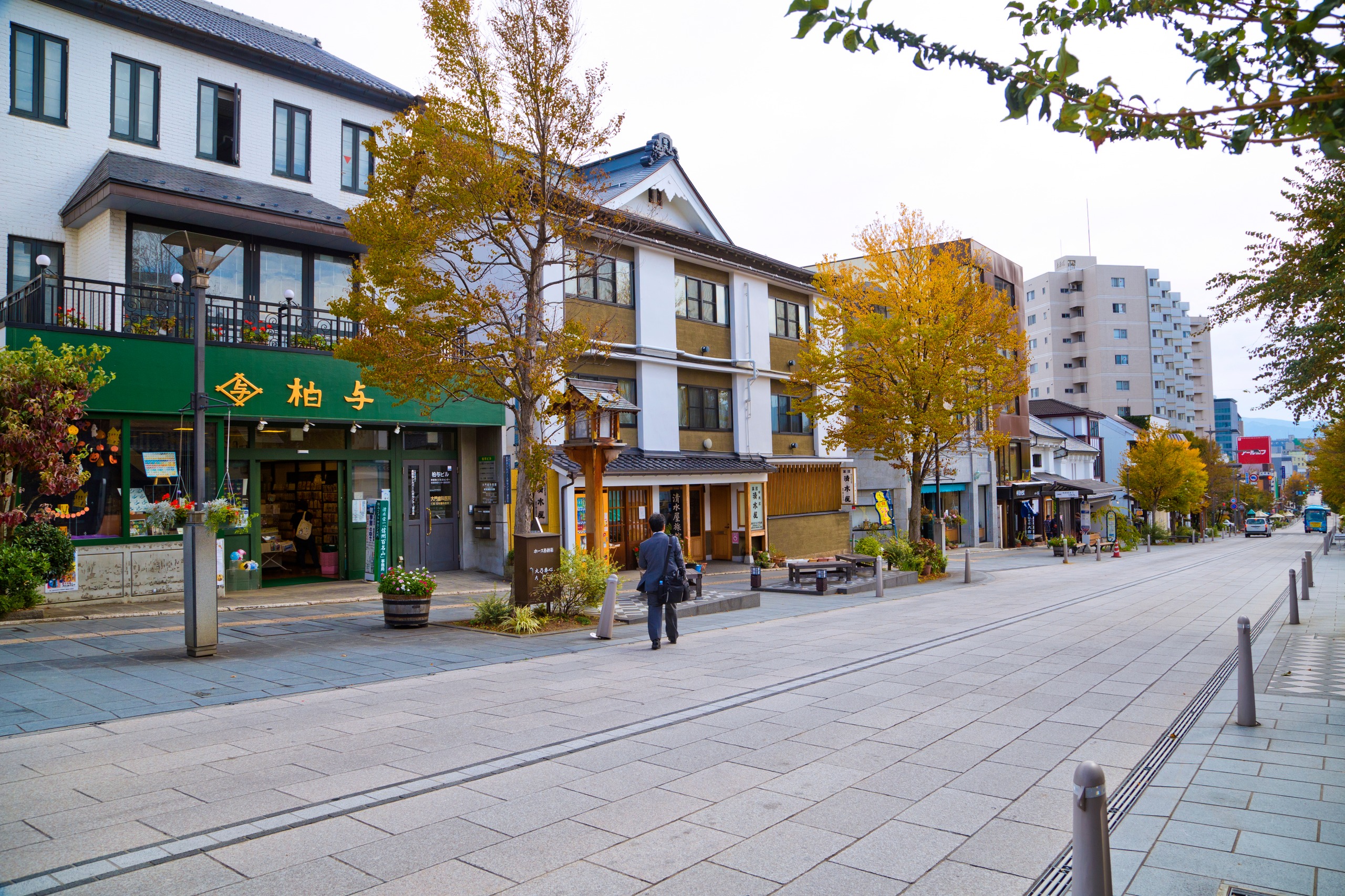
Some cities seduce you at first glance—Tsukuba is one of them. Clean, developed, and enriched with green spaces, it's a pleasant city to explore. You'll learn plenty in this shrine of science, moving from university to laboratory, from botanical garden to museum. Then there's a thousand-year-old shrine, at the foot of Mount Hakusan, which bridges the gap between the city's cutting-edge present and its ancient roots.
Explore Tsukuba Science City
More than 300 research and technology installations have been established in Tsukuba since the 1960s. The most important institutions maintain museums open to the public. Start by discovering the latest innovations in robotics at Science Square Tsukuba. Then marvel at one of the world's largest planetariums at the Tsukuba Expo Center. Visit the Map and Survey Museum, which houses an extensive collection of both new and historic aerial maps. Finally, stroll through the University of Tsukuba campus to meet tomorrow's engineers.
Visit the JAXA Space Center
The Japan Aerospace Exploration Agency (JAXA) is unmissable for anyone passionate about astronomy and technology. Japan's equivalent to NASA, it stands at the heart of the nation's space exploration. It offers a variety of activities, including a guided tour lasting approximately 1 hour and 10 minutes, during which you'll discover some of Japan's most impressive space development facilities. The tour includes stops at the control room for the Japanese experiment module "KIBO" and the astronaut training facility. At the Space Dome, you can admire satellite models and rocket engines used in test firings, as well as a full-scale mock-up of the "KIBO" module.
Stroll Through Tsukuba's Gardens and Parks
Tsukuba thrives in a verdant setting. You'll easily find a garden or park where you can pause between visits. North of Tsukuba Station, Chuo Park offers a tranquil setting with an exhibition on Earth's history and the solar system. Doho Park, built around a large lake, features a children's play area, sports fields, a swimming pool, and a café. East of the University of Tsukuba, wander through the Japanese garden at Matsumi Park and enjoy city views from its observation tower. Don't miss the Tsukuba Botanical Garden either, which conserves over 3,000 plant species.
Hike Mount Tsukuba and Stop at Restaurants and Hot Springs
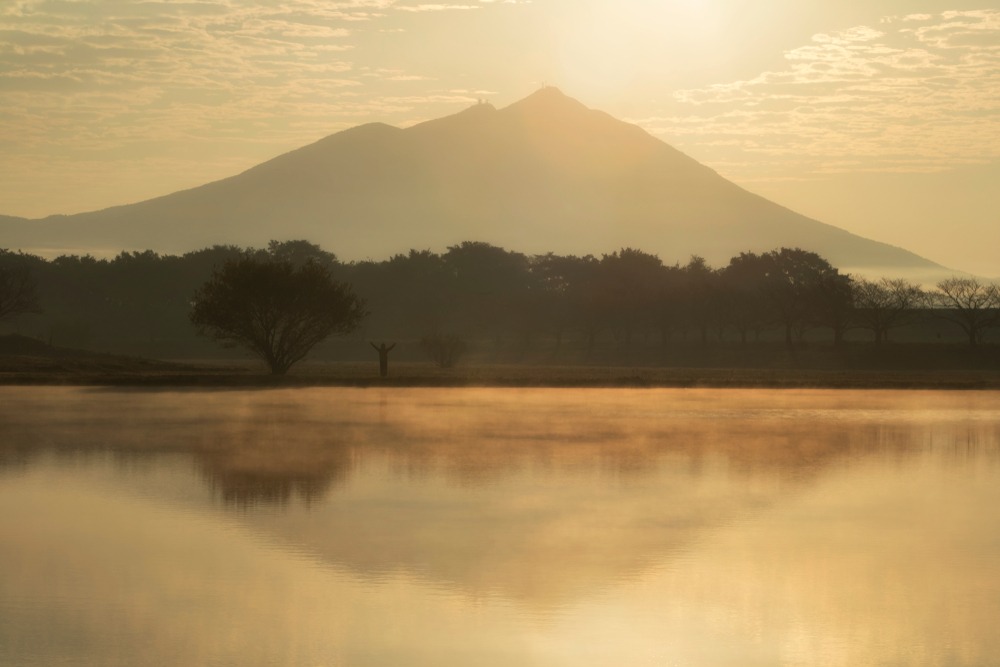
Mount Tsukuba, which lent its name to the city, ranks among Japan's 100 famous mountains. Known for its double peak, it's a botanical paradise dotted with cherry blossoms, red pines, and Japanese cedars at its base, and beeches and Japanese maples at higher elevations. During hiking season, visitors flock here from all over to enjoy the scenery and mountain views. The hike isn't strenuous and takes about three hours. The trail is dotted with restaurants and hot springs where you can rest while soaking in the surroundings. Alternatively, reach the summit by taking the Mount Tsukuba cable car for a panoramic experience, especially magical at night beneath a starlit sky.
Visit Tsukuba-san Jinja
Like all distinguished mountains in Japan, Mount Tsukuba is home to its own shrine. Tsukuba-san Jinja, dating back 3,000 years, honors the deities Izanagi and Izanami, connected to the mountain's twin peaks. Leave your worries behind and let yourself be soothed by the serene atmosphere created by traditional pavilions, seasonal flowers, the surrounding forest, and a 150-year-old camphor tree.
All these landscapes are sheltered by one of the world's largest Buddha statues: the Ushiku Daibutsu. The structure rises 120 meters high just outside the city and offers breathtaking views from its observation platform. On clear days, you can even glimpse Tokyo's Tokyo Skytree.
Catch Motorsports Action at Tsukuba Circuit
Love motorsports? Just 35 minutes by car from Tsukuba, in the neighboring town of Shimotsuma, lies Tsukuba Circuit. It's a short and winding 2.045 km track, known for its technical corners and fast straightaway. An event takes place there each week, with a spectator capacity of 1,500.
When to Visit Tsukuba?
Tsukuba enjoys a relatively mild climate year-round. Temperatures range from -4°C during the coldest months to 30°C at the peak of summer. Summers are hot and humid (June to August), while winters are cold and clear (December to February). Most tourists plan their Tsukuba trip between mid-July and mid-September.
How to Get There?
The Tsukuba Express rapid train connects Akihabara Station in Tokyo to Tsukuba Station. The journey takes approximately 45 minutes. You can also reach the city by bus from Ueno and Tokyo Disney Resorts.
Tsukuba is an accessible and well-planned city. It has two main roads that both border the university campus: Higashi-Odori to the east and Nishi-Odori to the west. Cycling paths, pedestrian walkways, and bridges radiate around the university down to the city center. You'll find a bike rental service across from the station. On weekends, a science tour bus takes you to discover Tsukuba's main research and educational institutes. Japan Rail Passes are not valid.
What to Do in Tsukuba?
- Discover robots of the future at Science Square Tsukuba
- Train as an astronaut at the JAXA space agency
- Picnic in Matsumi Park
- Ride the cable car up Mount Tsukuba
- Connect with Japanese spirituality at the Tsukuba-san Jinja shrine, and more
Want to discover this destination?
Our local advisors design your tailor-made trip.