Fukuoka, on the Island of Kyushu
Fukuoka, on the Island of Kyushu
Capital of Kyushu, Fukuoka blends futuristic districts, thousand-year-old shrines and famous yatais. Here's how to discover it in 2 or 3 days.
Fukuoka, the prefectural capital of the same name, is the largest city in Kyushu, the third-largest island in Japan. As demonstrated by the futuristic Momochi district, it is a city undergoing modernization and a hub of cutting-edge technology. It attracts visitors through its doubly millennial past influenced by China and Korea, from which it has inherited a rich historical heritage. Fukuoka also draws tourists through its festivals, delicious cuisine, and yatais, mobile food stalls.
History of Fukuoka
Its proximity to the Asian continent made Fukuoka an important transit point between Japan, China and Korea; a double-edged geographical position, as the city fell victim to Mongol assaults twice.
The city, originally named "Na no Tsu," was part of the ancient Chikuzen province. In 1274, the fleet of Kublai Khan entered the territory through Hakata Bay (Fukuoka) with the aim of conquering the archipelago. But the attempt failed. Following this assault, the Japanese erected a protective wall stretching 20 km along the coast. In 1281, Kublai Khan launched another attack with the largest naval fleet in history. Fortunately for the archipelago, a devastating typhoon drowned the Mongol ships, allowing the country to escape a bloody defeat. Fukuoka itself was placed under the control of the Akizuki clan.
Toward the end of the 16th century, the Shoni clan established itself in Fukuoka and developed it as a commercial hub in Japan. In the early 17th century, Nagamasa Kuroda built a castle on land offered by Tokugawa Ieyasu. The Naka River marked the boundary of his property. On the other side of the river lay the city of Hakata. In 1868, the Boshin civil war left some scars on Fukuoka; the Tokugawa temple and Fukuoka Castle were burned.
On April 1, 1968, Fukuoka evolved by absorbing neighboring cities separated by the Naka River. The city's modernization accelerated during the 19th and 20th centuries. A streetcar and an air connection with Tokyo respectively came into being in 1910 and 1929.
Fukuoka did not escape American air raids in 1945, but managed to rebuild fairly quickly.
What to Do in Fukuoka?
Visit the Fukuoka Art Museum
The Fukuoka Art Museum, located in Ōhori Park, holds a vast collection of contemporary works. It's a must for art lovers. It houses pieces by great artists like Salvador Dalí, Joan Miró and Andy Warhol, as well as works by Japanese artists. In addition to its exhibitions, this museum also offers various workshops and events.
Shop at Canal City Hakata
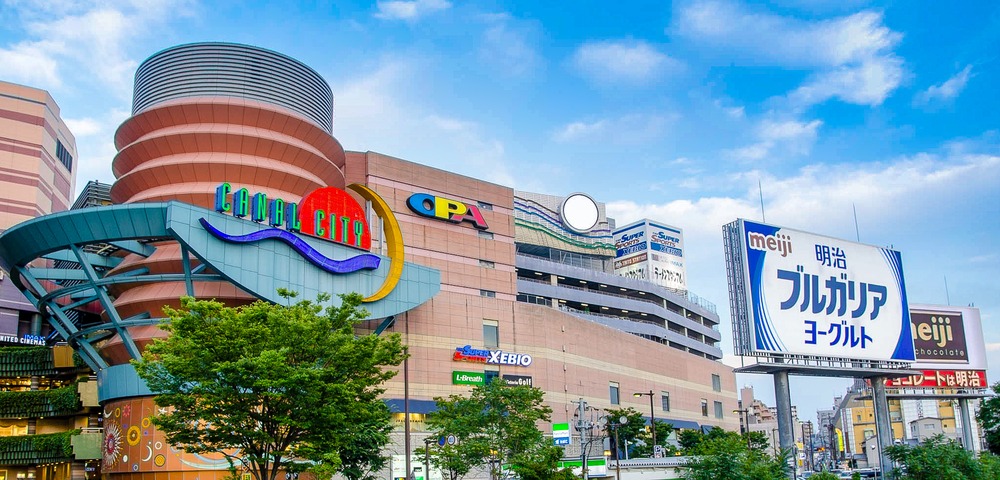
Canal City Hakata is a massive shopping and entertainment complex that bills itself as a "city within a city." You'll find 250 shops, cafés and restaurants, as well as a theater, cinemas, two hotels and an artificial canal. The fifth floor of this establishment is occupied by Ramen Stadium, a collection of eight restaurants specializing in Japanese noodles, including the famous Hakata Ramen, the local specialty.
Discover Fukuoka's Yatais
Yatais are mobile food stalls typical of Japan. They are particularly famous in Fukuoka. These small itinerant stands, often set up in the evening, offer an authentic culinary experience where you can taste local specialties such as ramen, yakitori, and oden.
Fukuoka is home to around 100 yatais, mainly concentrated around Nakasu, Tenjin and Nagahama. The city's yatais are prized for their warm atmosphere and savory dishes, which captivate both locals and tourists.
Ascend Fukuoka Tower
Fukuoka Tower, standing at 234 meters high, is Japan's tallest seaside tower. Rising in the Momochi district, it offers spectacular panoramic views of the city and Hakata Bay.
The tower features three observation decks at different heights, allowing you to admire Fukuoka from various angles. As night falls, it illuminates with a thousand lights, revealing a unique light show. On the ground floor, you'll find souvenir shops and cafés where you can relax after your visit.
Enjoy Momochi Beach
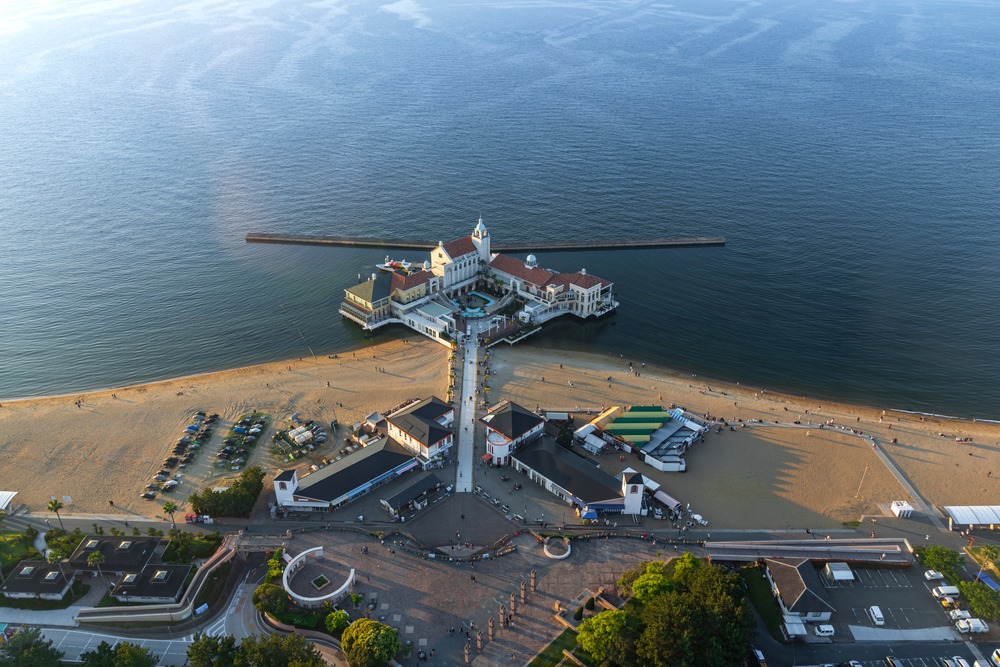
Momochi Beach, nestled across from Fukuoka Tower, is known for its golden sand and numerous leisure facilities. It attracts a diverse crowd: sunbathing enthusiasts, skateboarders, football players, beach volleyball fans, and even touch rugby teams. Moreover, families, couples, and groups of friends gather there to spend quality time together, between relaxation and sports activities. It's a true hub of seaside life.
Stroll Through Uminonakamichi Park
The coastal Uminonakamichi Park, located on a peninsula facing Fukuoka Bay, is a vast family-friendly space with flowering gardens, playgrounds, a zoo, and a water park. Stretching four kilometers, it is ideal for cycling. A bicycle rental service is available.
The park is also renowned for its flowers, which create spectacular displays of colors year-round. Nearby sits Marine World Uminonakamichi, an aquarium focused on the marine life of Kyushu, with dolphin and sea lion shows.
Attend Fukuoka's Festivals
If the opportunity presents itself, attend a matsuri, the name given to Japanese festivals, to fully experience Japanese culture in Fukuoka. Among the most popular events is the Hakata Dontaku Matsuri, held in May in the Hakata district.
In July, it's Hakata Gion Yamakasa's turn to take center stage at the Kushida Shrine. On this occasion, participants dressed in traditional attire carry massive floats decorated with Hakata dolls through the city streets. Note that this festival is inscribed on UNESCO's List of Intangible Cultural Heritage of Humanity.
Side Trip to Dazaifu
Dazaifu, an ancient city in the southeastern suburbs of Fukuoka, is prized for its Tenmangu Shinto shrine. It also houses a National Museum presenting Japan in an Asian context. Once a center of imperial power on Kyushu, Dazaifu preserves historical remnants that tourists can visit.
From Paris
You can reach Fukuoka from Paris. All flights do include stopovers, however.
From Tokyo
Fukuoka Airport is connected to Tokyo, as well as Osaka, Sapporo, Nagoya and Okinawa. From Tokyo, you can also travel by Shinkansen train to reach Hakata Station in Fukuoka.
Three metro lines operate in Fukuoka. Situated beneath JR Hakata Station, Hakata Station is directly connected to Fukuoka Airport and also to Tenjin. With an Ichinichi Joshaken pass, you can make multiple metro trips on weekdays. The Eco Chikakippu pass, meanwhile, facilitates travel on weekends and public holidays. The Nishitetsu bus network covers much of Fukuoka city. You can explore the city center on foot, as it proves to be fairly small and compact.
Climate in This Part of Japan
Fukuoka Prefecture enjoys a temperate climate. Over the year, the average temperature stands at 16.3 °C. It is rare for it to drop below 0 °C. Weather is fairly mild in winter and spring. The summer season is marked by rain and heat from June to July, with the possibility of typhoons between August and September. Autumn in Fukuoka is mild and dry.
The best time to enjoy a trip to Fukuoka is spring.
Attractions in Fukuoka, on the Island of Kyushu
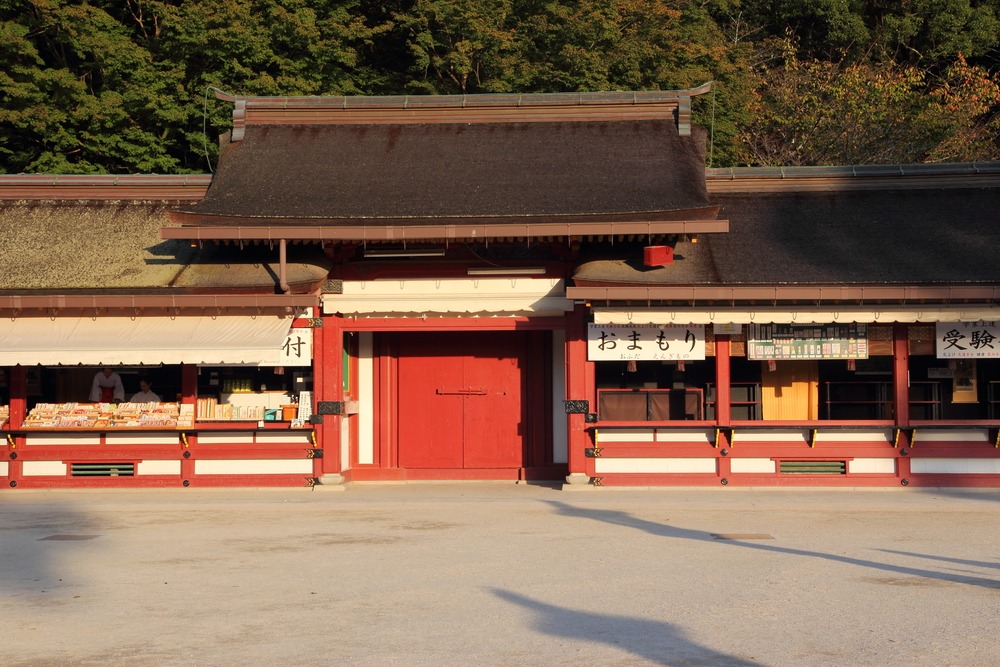
Sanctuaire Dazaifu Temmangu
Sanctuaire shinto fondé sur la tombe de Sugawara no Michizane, le Dazaifu Tenmangu réunit pruniers, festivals et musées à 30 minutes de Fukuoka.
Momochihama seaside park
Front de mer aménagé de Fukuoka, le Momochihama Seaside Park réunit la Tour de Fukuoka, une plage artificielle d'un kilomètre, le Dôme et le musée municipal.
Canal City Hakata
Inauguré en 1996 à Fukuoka, Canal City Hakata réunit 250 boutiques, restaurants, cinéma et fontaines musicales sur 235 000 m² au bord de la rivière Naka.
Want to discover this destination?
Our local advisors design your tailor-made trip.