Hirosaki
Hirosaki
Former capital of the Tsugaru clan and Japan's cherry blossom capital, Hirosaki blends feudal castle, Zen temples and festivals at the heart of Tohoku.
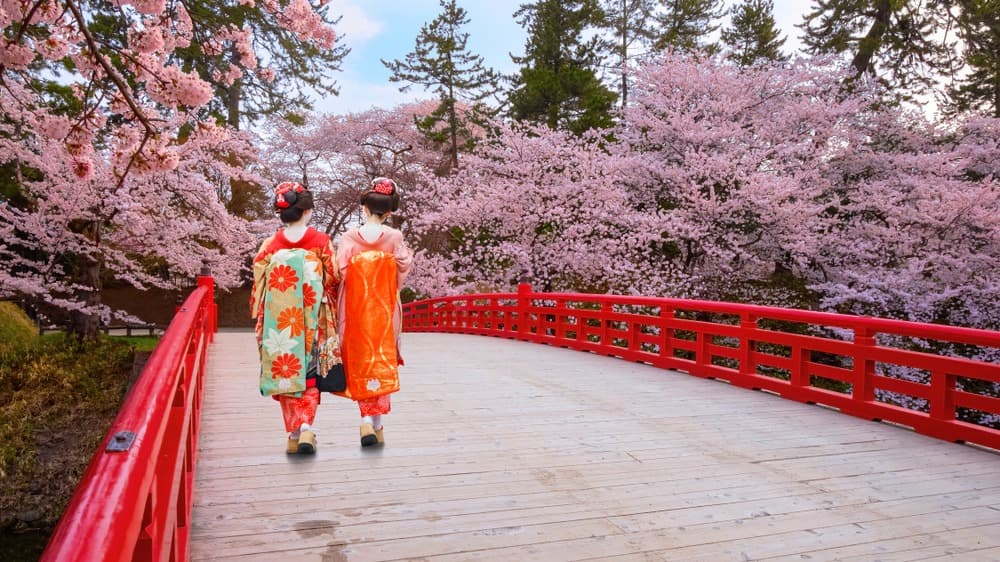
The 'Kyoto of the North' owes part of its nickname to the abundance of cherry trees and temples within its borders. Yet Hirosaki, located south of Aomori city, also stands out for its rich history. The former capital of the powerful Tsugaru clan is defined by the remnants of a 17th-century castle.
History
Hirosaki, formerly known as Takaoka, was administered by the Northern Fujiwara family during the Heian period (794–1185). The Nambu clan seized control following the coronation of Minamoto Yoritomo in the Kamakura period (1185–1333). Then came the reign of the Tsugaru clan, which dominated the Mutsu province after the Odawara Wars in 1590 and the Battle of Sekigahara in 1600.
The Tokugawa-allied group occupied Hirosaki throughout the Edo period (1603–1868). In 1611, Tsugaru Nobuhira ordered the construction of Hirosaki Castle. During the Meiji Restoration (1868–1912), the Tsugaru family greatly contributed to the city's development by promoting an open-door policy and repatriating their elites who had gone to study in Tokyo.
Following the Meiji Revolution, Hirosaki became the seat of an Imperial Army division and was officially recognized as a city in Japan. The city was fortunate to escape bombing during World War II.
Hirosaki Today
Hirosaki has retained a rural charm at the heart of the Tsugaru region. It is the birthplace of several sumo wrestlers and prominent artists such as novelist Dazai Osamu. Yet locals are unpretentious – you'll appreciate their refined living and festive spirit.
A City with Two Faces
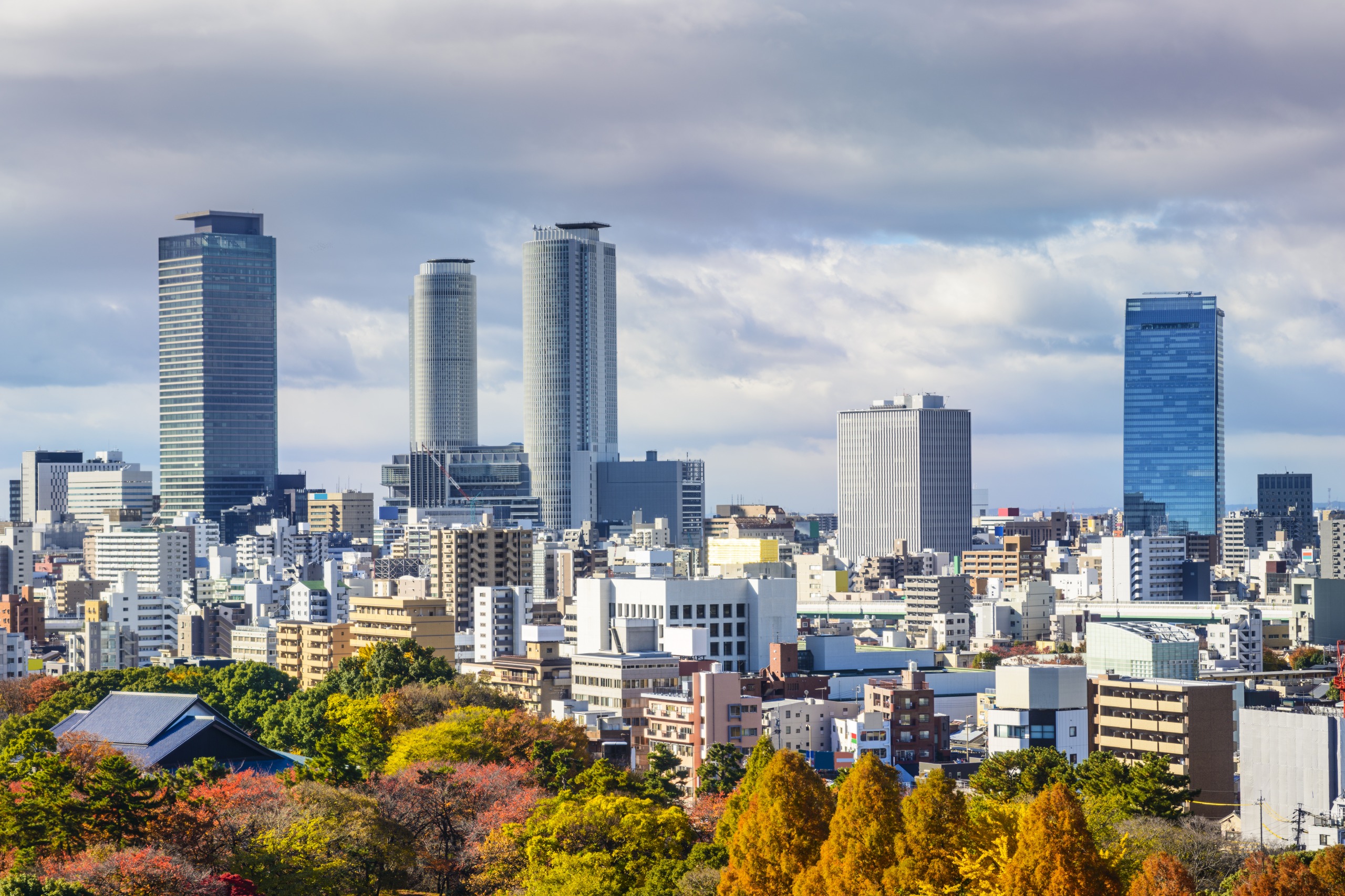
The Ou Railway Line connecting Akita to Aomori divides the city in two. Heading west from Hirosaki Station, you pass through the castle and Iwakisan before reaching the modern commercial sector of Hirosaki. There, you'll find nothing particularly special – just concrete buildings and all manner of shops.
South of Hirosaki Castle, the former municipal library is better worth the detour. This three-story building offers a fine example of Japanese architecture from the Meiji era. Its design borrows Western influences, ingeniously adapted to a wooden structure. This is a rare sight in Japan, which lost many similar buildings after World War II bombing. Moreover, admission is free.
Principal Historical Sites
Despite its small size, Hirosaki Castle rivals other castles in beauty and prestige throughout Japan. In fact, the current monument dates from 1810. The much larger original structure erected by Tsugaru Nobuhira was damaged by lightning in 1627. The castle sits at the heart of Hirosaki Park, surrounded by moats. You can access it free of charge in winter, but there is an admission fee the rest of the year.
Northeast of Hirosaki Park, the Neputa Mura village attracts vacationers mainly in August, during the Hirosaki Neputa Matsuri celebration. For context, Neputa is described as an enormous float made of paper and bamboo. During this festival, more than 80 different floats, dedicated to heroes from Chinese legends such as 'The Three Kingdoms' or 'Shui Hu Zhuan', take over the city's streets. Due to its importance in local tradition, the Hirosaki Neputa Matsuri was registered as Japan's Intangible Cultural Property of Folk Heritage in 1980.
Surroundings of Hirosaki
To extend your exploration, take the route through the Zenrigai district. 33 Zen temples line the way, providing spiritual protection to Hirosaki Castle. As elsewhere in Japan, the sanctuaries are meticulously maintained. Thus, it is not uncommon to see artisans working and employing ancestral techniques on temple grounds. A must-see attraction, the Saisho-in Monastery founded in 1667 will dazzle you with its 5-story pagoda.
Don't leave Hirosaki without picking up a souvenir! Koginsashi are among the typical products of the Tsugaru region. These are indigo-colored fabrics adorned with embroidery in white cotton thread. They are used in the making of wallets and business card holders. Take time to visit the Hirosaki Kogin Research Institute to discover the secrets of these ancestral creations.
Climate
Hirosaki enjoys a warm temperate climate, classified as Cfa according to the Köppen-Geiger system. It steadily endures harsh winters in the north of Honshu Island and makes the most of its short summers. Rainfall is quite abundant, averaging 1,357 mm per year. Temperature-wise, the annual average reaches 10°C.
You can reach Hirosaki by plane or Shinkansen from Tokyo. Aomori Airport is less than an hour by bus from Hirosaki's bus terminal.
If you choose the railway route, take the Shinkansen from Tokyo to Shin-Aomori Station (the journey takes about 3 hours), then board a local train heading to Hirosaki.
Tourist sites in Hirosaki are fairly scattered. You'll want to inquire about the various bus services available in the city to travel smart and at the best price. Most routes depart from JR Hirosaki Station. Tourist buses run every 10 minutes from the station and stop at the region's main attractions.
What to Do in Hirosaki?
- Understand the basics of Meiji-era architecture during a visit to the former municipal library
- Visit Hirosaki Castle and stroll through its park
- Participate in the Hirosaki Neputa Matsuri festival in August
- Enjoy shopping in the commercial district north of the city
- Discover the 33 protective temples guarding the castle, and more
Want to discover this destination?
Our local advisors design your tailor-made trip.