What are the different Japanese martial arts?
Japanese martial arts form a remarkable cultural heritage. Far from being mere combat sports, they represent an important part of Japan's history
Japanese martial arts form a remarkable cultural heritage. Far from being mere combat sports, they represent an important part of Japan's history, with ancestral techniques born from the defensive methods of samurai. But the Japanese martial art is also a way of instilling values… A brief overview of the finest martial disciplines.
Sumo – one of the emblematic Japanese martial arts
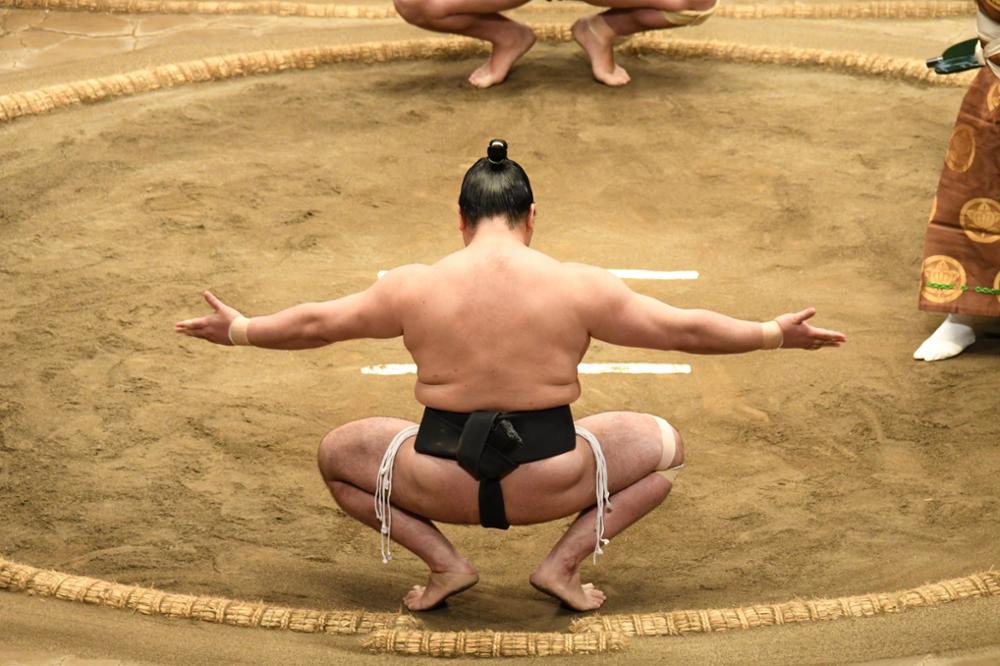
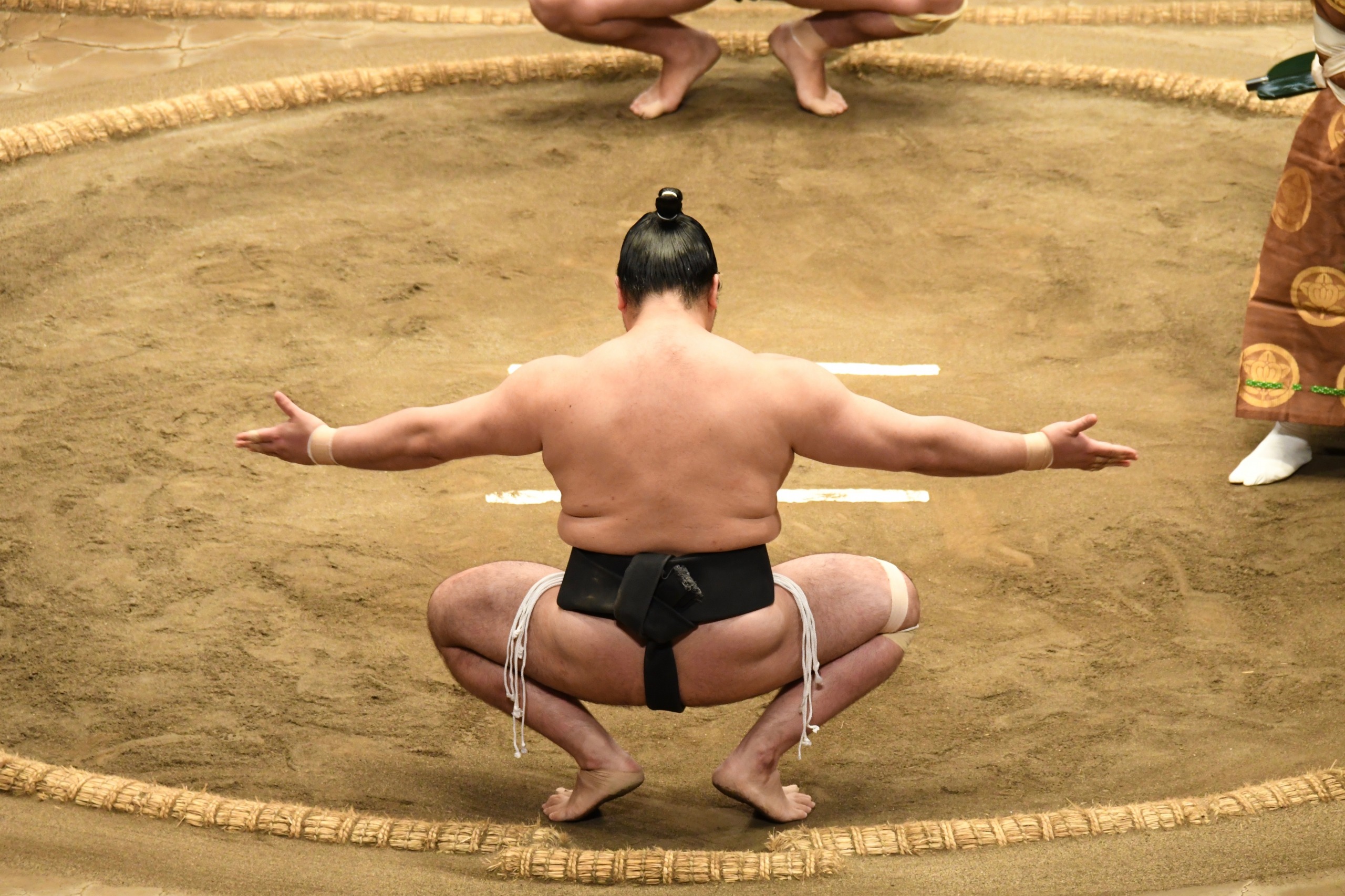
Sumo is a martial art known for the weight of its wrestlers – between 80 and 220 kilos! The rule of a bout? Each wrestler attempts to push their opponent out of a circle of 6 m² using only the force of their weight… To be competitive, sumōtori (more commonly called rikishi in Japan) are subject to a very strict lifestyle regimen.
These wrestlers are trained in stables, where they train and live together for many years. According to sumo rules, wrestlers can only leave the group if they have reached the status of sekitori (equivalent to a first division, very difficult to achieve).
Sumo's distinctive features Rikishi must wear long hair throughout their career. Upon retirement, their chonmage hairstyle is cut during a ceremony organized to mark the end of their career. Sumo is a sport reserved for men. However, women can also wrestle as amateurs in an equivalent discipline called shin-sumo. |
Shōrinji Kempō
Founded in 1947 by martial artist Dōshin Sō, Shōrinji Kempō is a discipline with a positive spirit, focused on altruism (elimination of negative emotions, sense of justice, etc.). The goal is above all to form individuals capable of empathy and mutual aid.
Its combat techniques (inspired by aikido, ju-jitsu, karate and kung fu – a Chinese martial art) were designed to develop and maintain good physical condition. Despite its Zen philosophy close to Buddhism, shōrinji kempō can be very dangerous, even deadly, and requires impeccable self-control…
Ju-jitsu
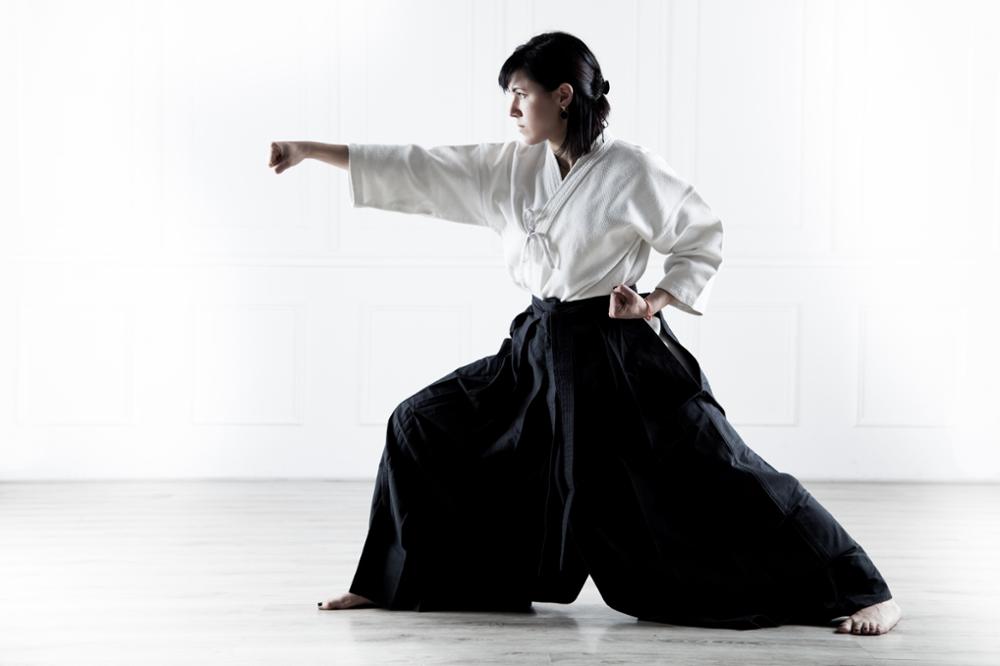
Ju-jitsu is a combat sport inspired by the defensive techniques of samurai from the Edo period (1603-1868). In this discipline focused on self-defense (or unarmed defense), flexibility is very important, as is mastery of striking techniques (atemi waza), throwing techniques (nage waza) and immobilization techniques (katame waza).
In the early twentieth century, fearing the disappearance of this martial art with the modernization of the military, Japan saw the birth of new disciplines inspired by ju-jitsu. Among them? Judo and aikido, designed to meet the new needs of society.
Kendō
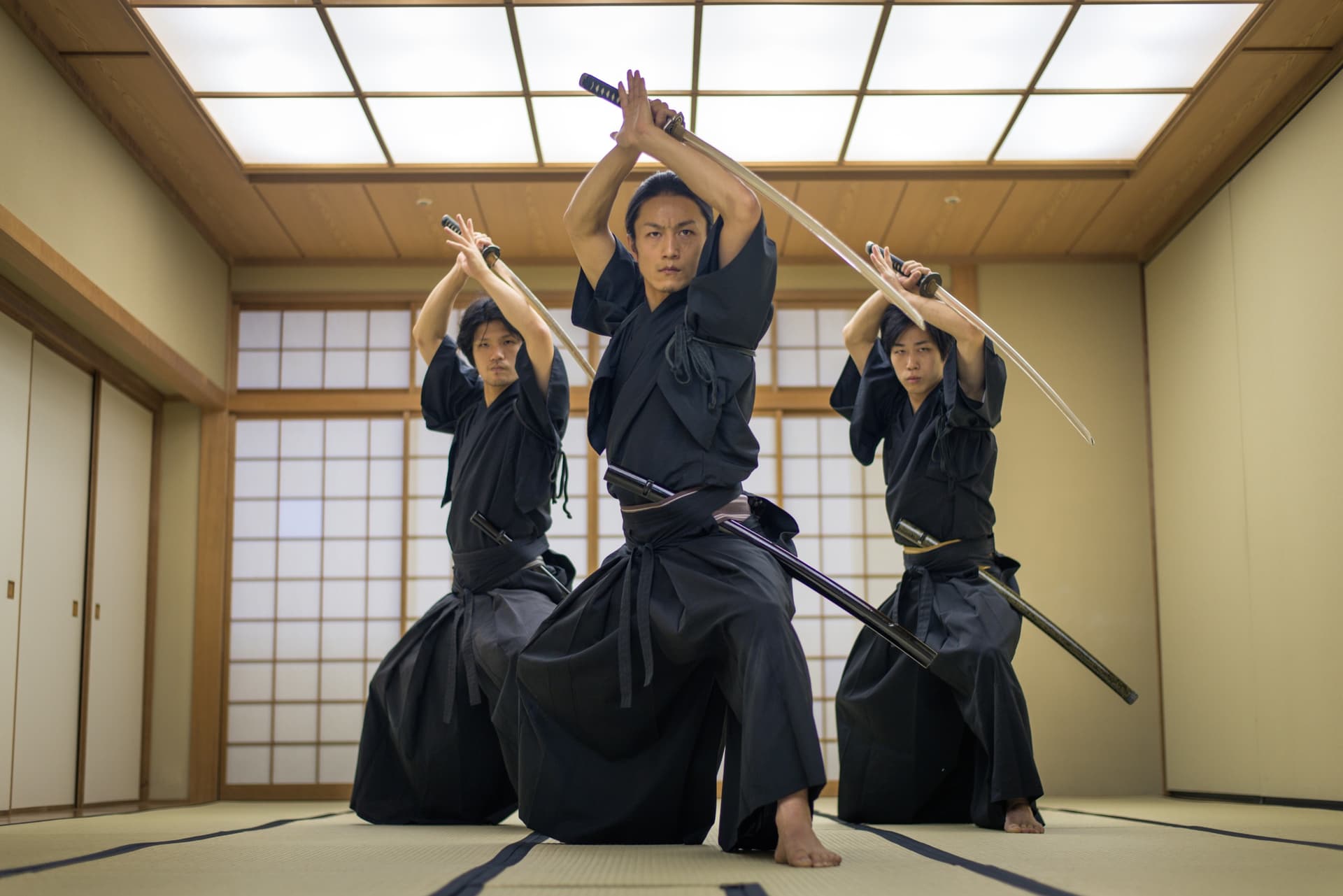
Kendō is one of the oldest combat techniques in Japan. It belongs to the family of budō, that is to say martial arts that emerged between the nineteenth and twentieth centuries. Very popular, this discipline teaches how to wield the sword – made of wood (bokken) or bamboo (shinai) – but also how to assert one's strength of character and determination.
Its distinctive feature? Kenshi (practitioners) engage in real bouts! To protect themselves from attacks, they wear armor consisting of a mask with a metal grid.
Kendō's distinctive features This martial art is practiced equally by women and men, and has no weight categories. In Japan, keiko (training sessions) and some tournaments consist of mixed-gender teams. |
Jukendō
Jukendō is also a martial art dedicated to wielding a weapon: the bayonet (a small sword that was once fixed to the end of a rifle). Very similar to kendō, this discipline is also inspired by sōjutsu, a technique for handling the yari, used by samurai. During training, jukendo-ka use mokuju – rifle replicas that allow them to strike opponents without injuring them.
Karate
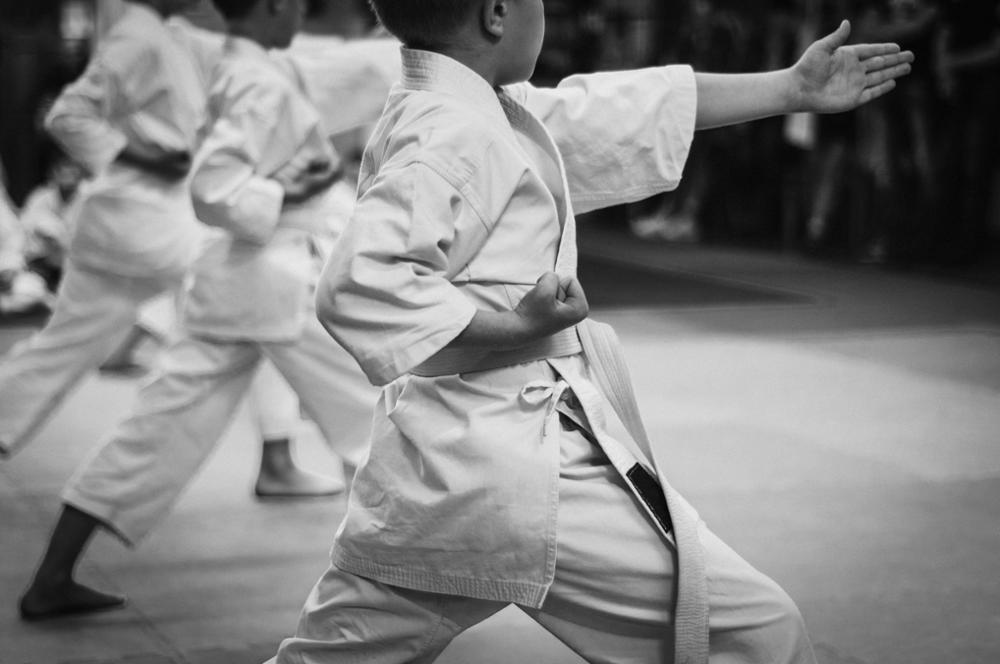
Karate is a martial art originating from the Kingdom of Ryūkyū (the present-day Okinawa archipelago). Taught as a means of self-defense in case of attack, this combat sport engages all parts of the body. The style and techniques depend on the school where it was taught. More than just a combat sport, karate is an art of living that instills many values, including honor, sincerity and humility.
Jūdō
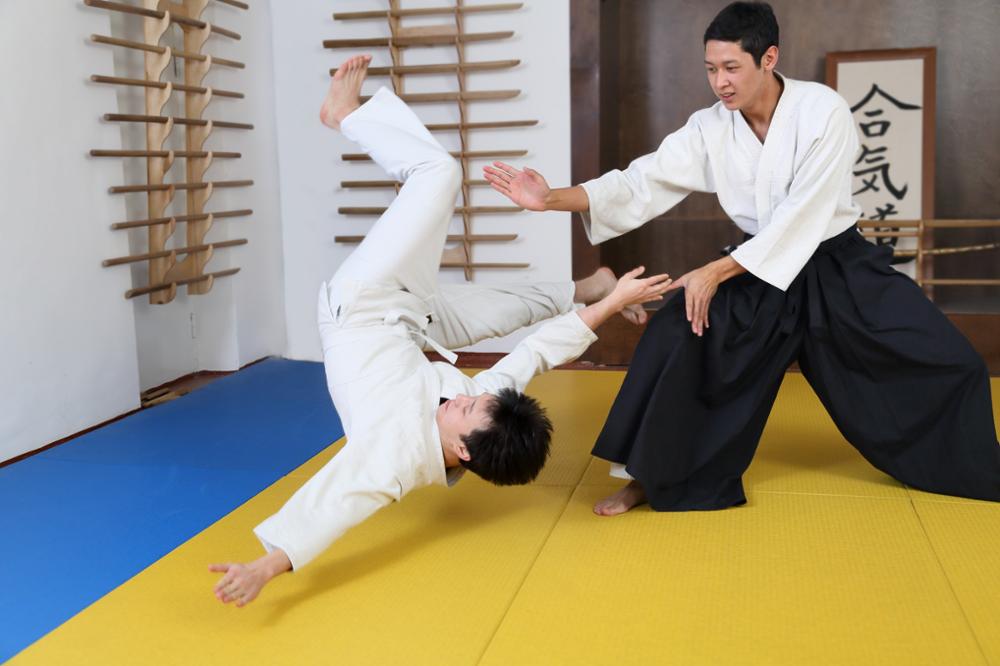
Jūdō is a combat sport created in 1882. Its most dangerous techniques have been eliminated from the discipline over time – to become an activity that is both physical and moral (personality development, self-control, etc.). Today, jūdō ranks among the three most widely practiced martial arts in the world!
Jūdō's distinctive features On the dojo? Opponents must throw each other to the ground and immobilize using mastery techniques. During bouts, the judoka is barefoot and wears a judogi (not a kimono!). A judoka's level is represented by the color of their belt. |
Frequently asked questions
Judo is one of the three most widely practiced martial arts in the world. Created in 1882 in Japan, it is now an Olympic discipline and has millions of practitioners on every continent. Karate and sumo also enjoy great international popularity.
Yes! Japan organizes six major sumo tournaments per year, called basho, in Tokyo (January, May and September), Osaka (March), Nagoya (July) and Fukuoka (November). Tickets are available online and it is possible to attend morning training sessions in certain stables (heya) by reservation.
Ju-jitsu is the original martial art, inspired by the combat techniques of samurai from the Edo period (1603-1868). Judo, created in 1882, is an evolution of it: its most dangerous techniques have been removed to make it both a sporting and educational discipline, accessible to all.
Most Japanese martial arts are coeducational. Kendō, judo, karate and aikido are practiced by women and men at the same level. Professional sumo, however, remains reserved for men, although a female amateur practice exists under the name shin-sumo.
Absolutely. Many dojos in Tokyo, Kyoto and Osaka offer beginner courses in English-speaking instruction for tourists, particularly in judo, kendō or karate. Some cultural experiences also include sumo demonstrations or ninjutsu workshops, perfect for discovering these disciplines in an immersive way.