12 Unusual Dishes to Taste in Japan
Japan is a country renowned for its culture and traditions. Its gastronomy and cuisine, however, remain relatively unknown to Westerners. Why?
Japan is a country renowned for its culture and traditions. Its gastronomy and cuisine, however, remain relatively unknown to Westerners. Why? Japanese cuisine features unfamiliar ingredients in Europe, so many Japanese dishes are considered unusual on the old continent! Discover 12 unusual dishes to taste during your journey to the Land of the Rising Sun!
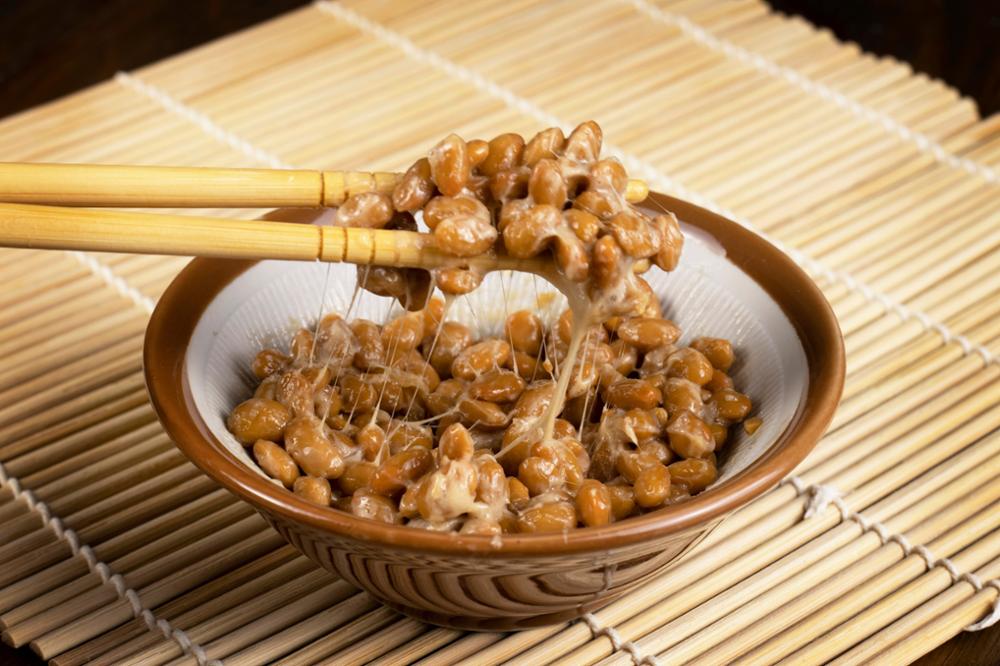
1- Nattō: An Essential in Japanese Cuisine
Nattō is a fermented food made from soybean seeds. Often served with plain rice, eggs, mentsuyu sauce (a blend of dashi and soy sauce) or karashi mustard, it is consumed… at breakfast! Rich in vitamins and proteins, nattō is highly appreciated in Japan, despite its viscous texture and unpleasant odor.
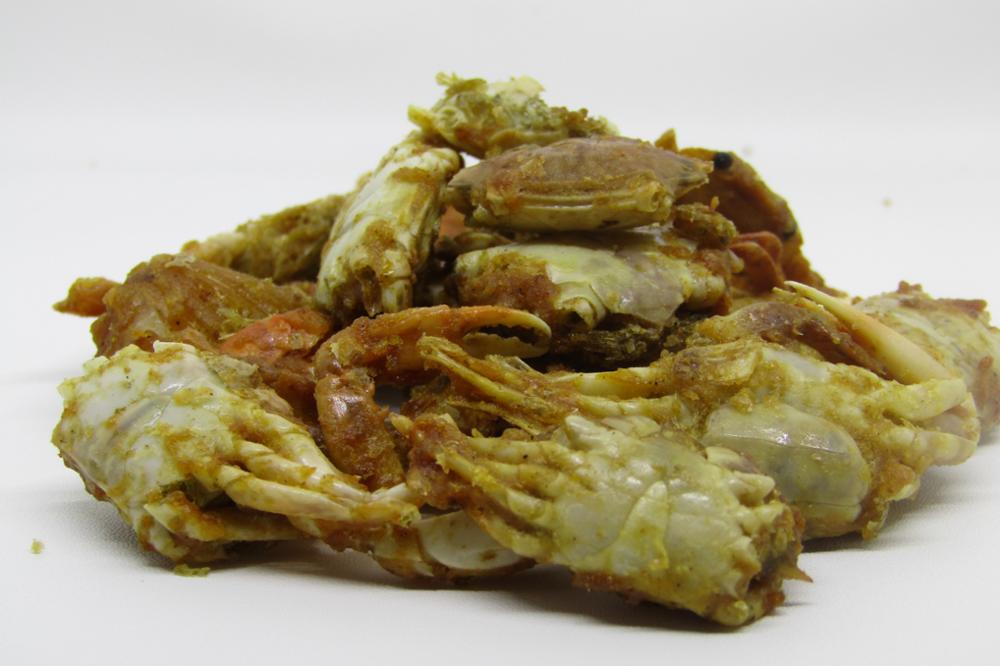
2 - Tamagogani: The Japanese Appetizer
Tamagogani are fried crabs – carapace and all. A sort of crunchy snack, they serve as an appetizer. Very popular among the Japanese, they are also sold in packages in supermarkets. A tip? Try them paired with a beer.
Omai! ("That's delicious")!
3 - Hokkaido Crab Brain: One of Japanese Cuisine's Unusual Dishes
In Japan, the vast majority of crabs come from the island of Hokkaido. Highly valued for its nutritional content, this seafood is also renowned for its regenerative benefits. But did you know that nearly 100,000 neurons are concentrated beneath its shell? Served as gunkan-maki, sushi, puree, or directly in its shell: crab is prepared in countless ways… It's impossible to escape a bite of nerve cells!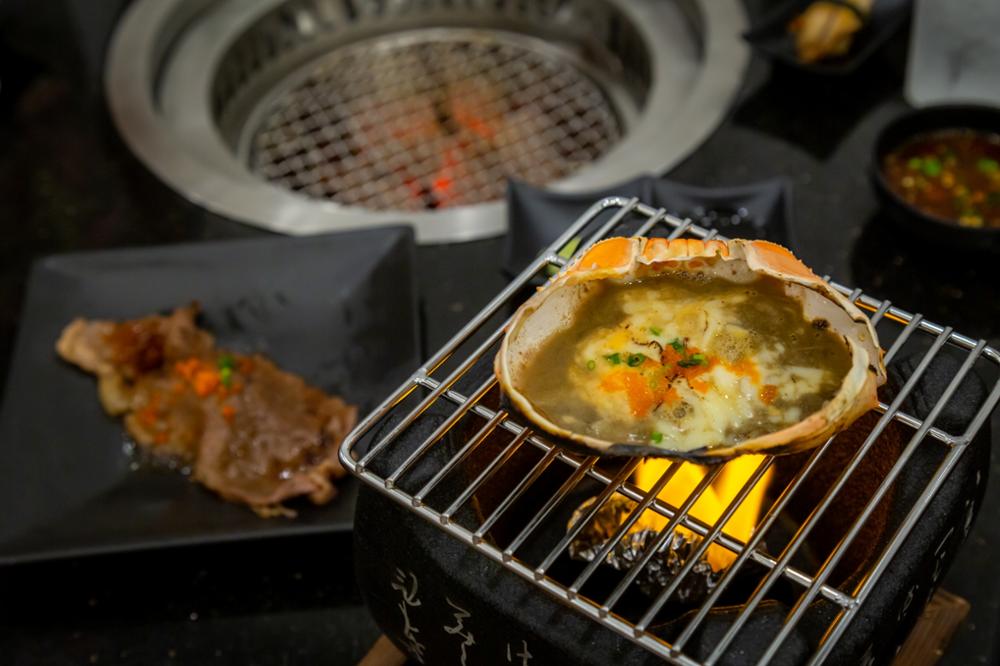
4 - Ikizukuri: An Unforgettable Gastronomic Experience
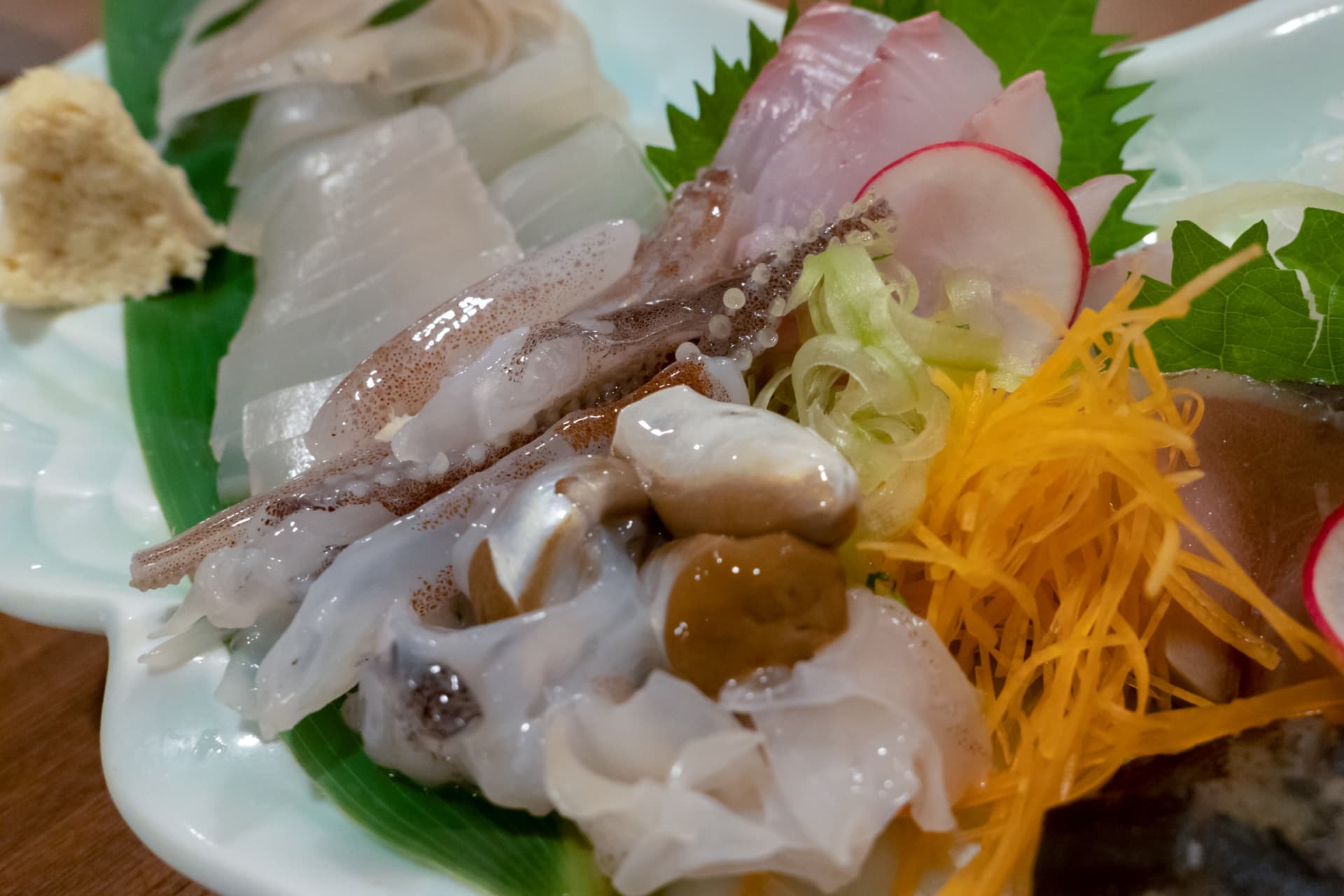
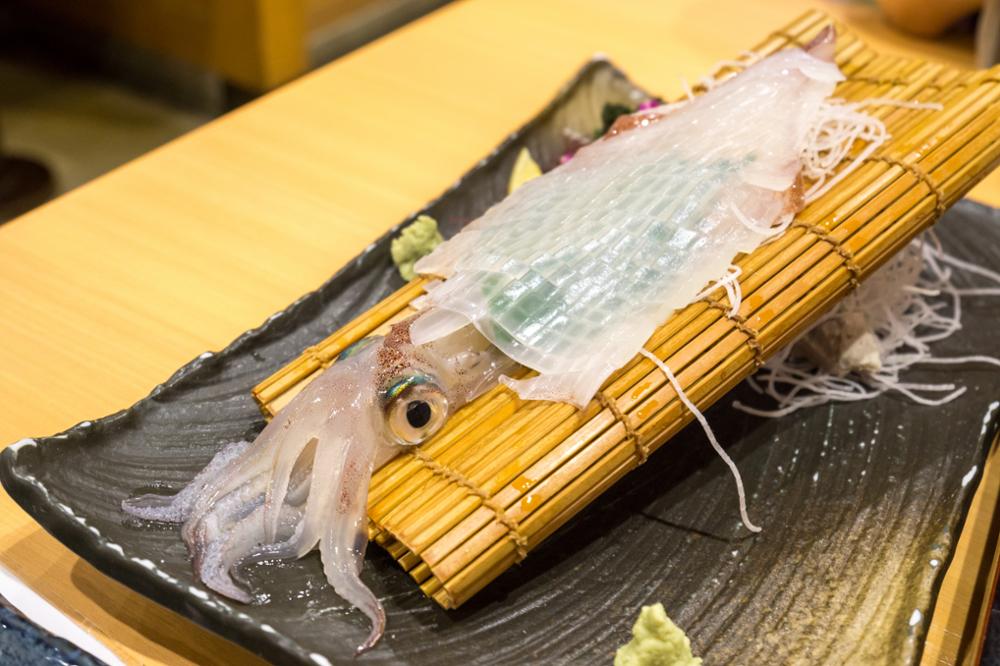
Do you love eating oysters and salivate watching them contract under the tip of a knife? Imagine your delight tasting Ikizukuri, a sashimi that is very (very) fresh because it is a mollusk or fish… alive! A secret? Squid Ikizukuri is the most spectacular…
5 - Fugu: A Dangerous Delicacy
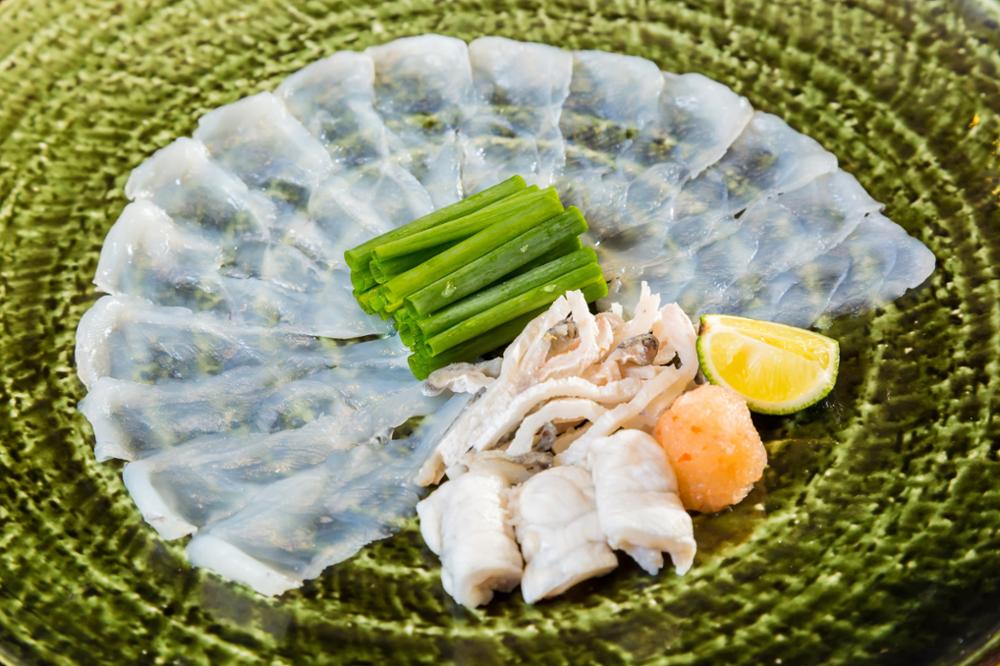
This specialty is less renowned for its flavor than for its danger. Indeed, Fugu is a toxic fish that requires extensive training to prepare properly: improper cutting releases the neurotoxins contained in its organs! Arranged in flower shapes, the white and translucent flesh hints at the patterns of the plate. A venomous beauty.
6 - Nankotsu: A Must-Try Dish
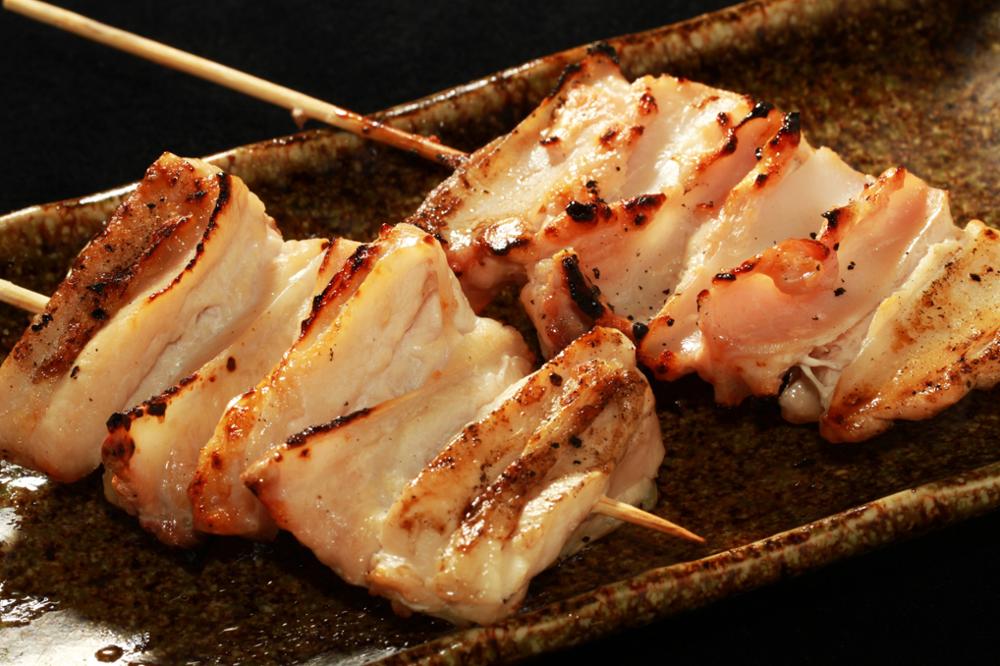
Looking to go off the beaten path? Order a skewer of chicken cartilage instead of a traditional meat skewer! In addition to tasting local cuisine, you will improve your skin's firmness, since cartilage is rich in collagen. Nankotsu is primarily served in izakaya (bistros) as yakitori (skewers with bite-sized pieces). Tender and crispy… Yum.
7 - Shirako: An Unusual Japanese Specialty
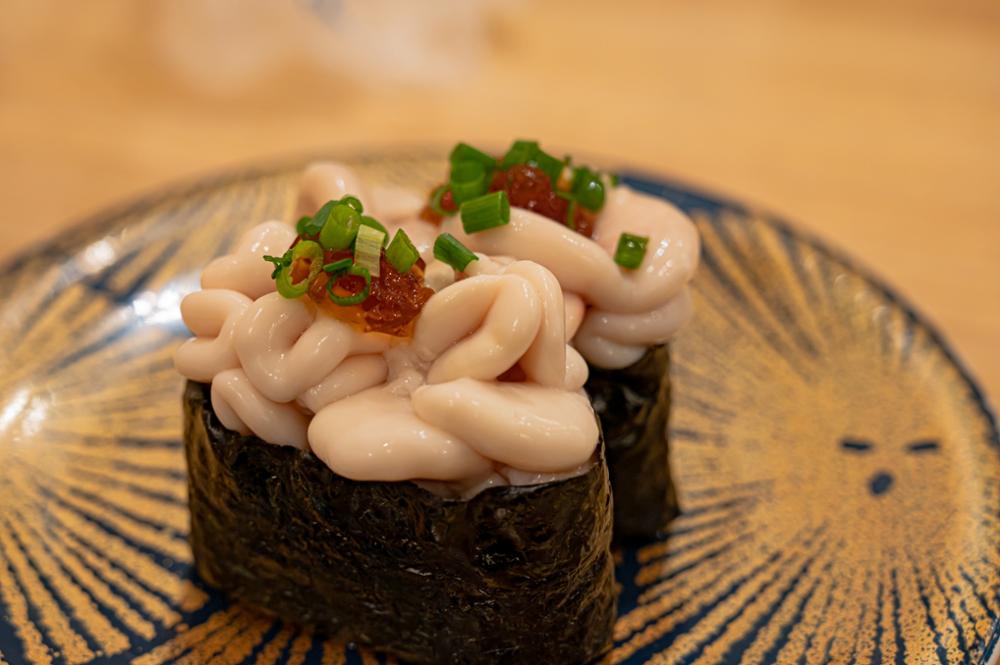
Shirako is an ingredient that Japanese people love… Most often eaten raw, it can also be prepared as maki, accompanied by soy sauce or ponzu (a citrus-based condiment). Its uniqueness? It is milt, or sperm secreted by the genital glands of fish! Appreciated for its creamy texture, it is considered a delicacy in Japan. Does salmon shirako turn you off? Try cod or squid milt 😅.
8 - Inago no Tsukudani: Caramelized Insect Stir-Fry!
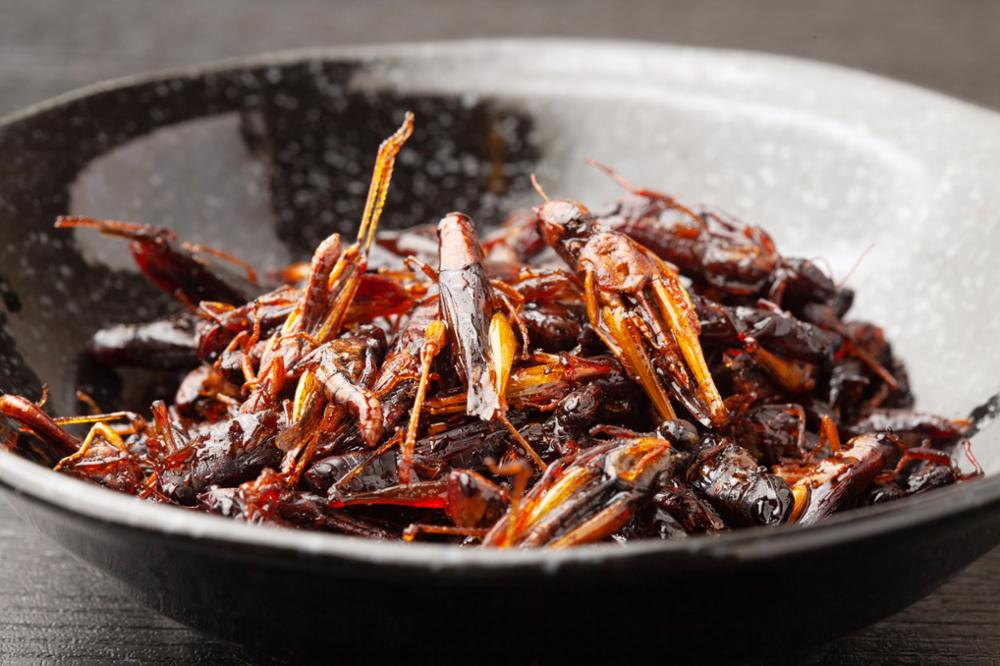
After shirako, Inago no Tsukudani seems like an almost ordinary ingredient. After all, who is still afraid to taste crickets, especially if they are caramelized in soy sauce? Not a big fan of insects? Don't worry, there is also a larval version with a great silkworm recipe!
9 - Umibudō: The Green Caviar
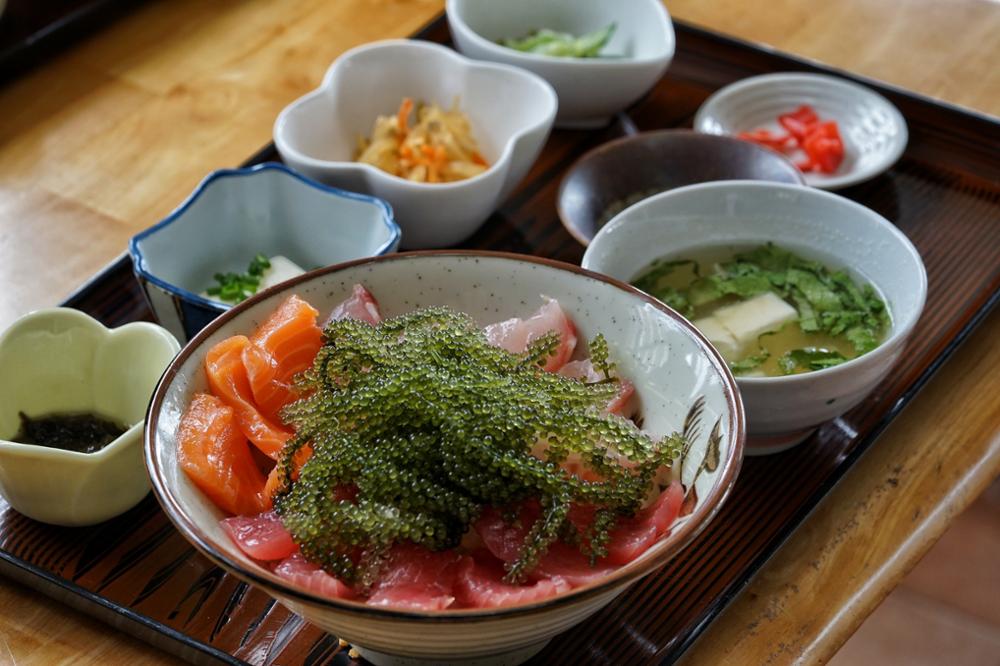
Commonly called "sea grapes," Umibudō is an algae made up of small salty beads. Unlike other varieties, this one is eaten alone or as a side dish. A briny flavor guaranteed!
10 - Funazushi: An Ancestral Japanese Recipe
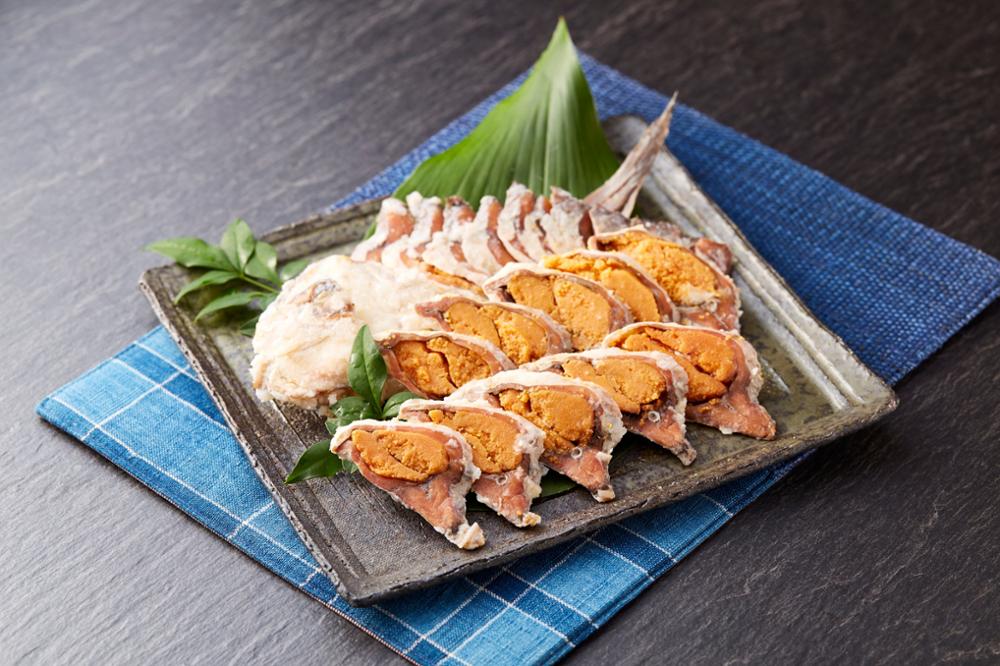
Funazushi is a fish dish that has fermented for 3 or 4 years in steamed rice! Considered a luxury product, this traditional dish is also one of the oldest varieties of sushi. Have you always dreamed of tasting a fish in a state of decomposition? Go for it!
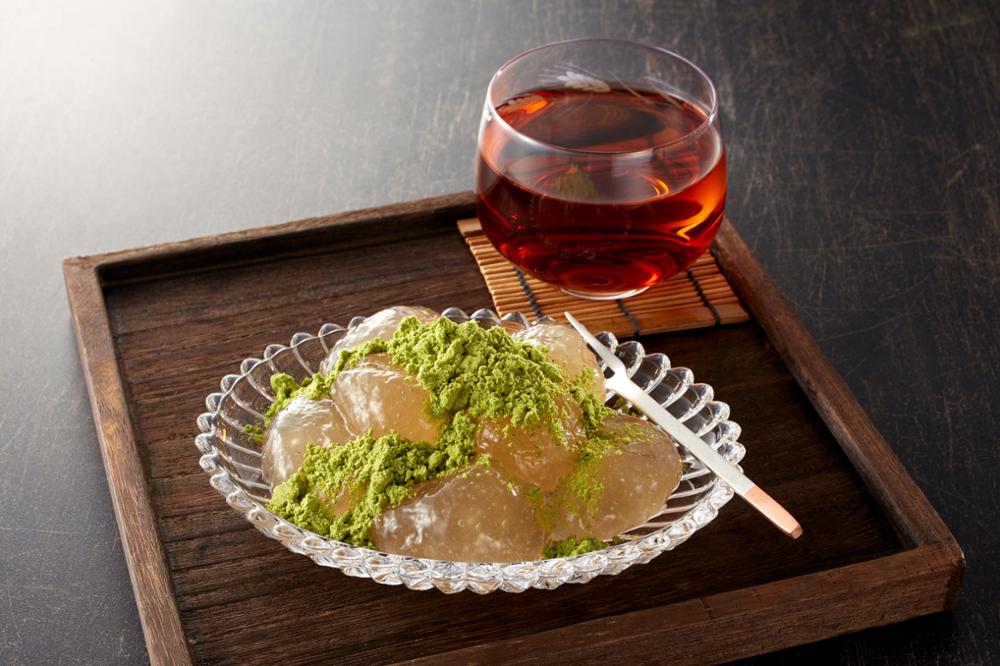
11 - Warabimochi: The Perfect Dessert to Accompany Tea
Warabimochi is a type of mochi (a gelatine-based cake) that differs from the original recipe since it is prepared with warabi (fern starch) instead of traditional sticky rice. Depending on the region, it is dusted with kinako (roasted soybean flour) or matcha. Beneath its uninviting appearance, this dessert holds a delicate flavor – and pairs beautifully with tea.
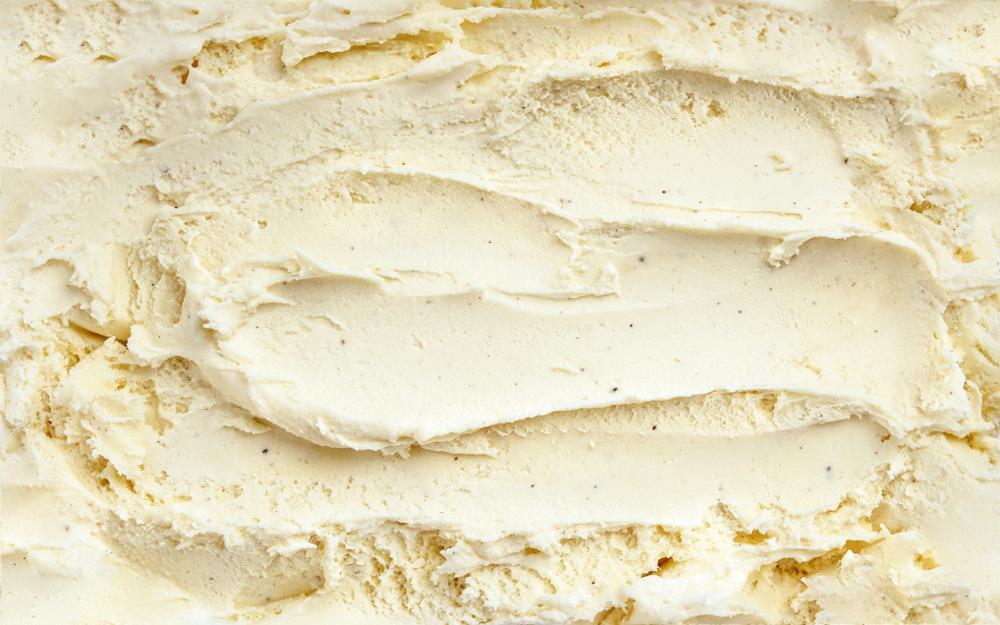
12 - Basashi Ice Cream: A Singular Sweet Delight…
Basashi ice cream is a Japanese specialty highly beloved by locals. Extremely flavorful, it is considered a luxury product... The reason? Basashi ice cream is made from horse meat!
お食事を楽しむ – Bon appétit!
Frequently asked questions
Among the 12 unusual must-try dishes in Japan, you will find nattō (fermented soy), fugu (toxic fish), shirako (fish milt), Ikizukuri (live fish) and Inago no Tsukudani (caramelized crickets). Each offers a unique and surprising gastronomic experience.
Fugu is a potentially toxic fish whose preparation is strictly regulated in Japan. Only chefs holding a special license are authorized to prepare it. When enjoyed at an approved restaurant, the risk is very low and the experience is fascinating.
Unusual Japanese dishes are found in different types of establishments depending on the specialty: izakaya (Japanese bistros) for nankotsu, specialized restaurants for fugu, local markets for tamagogani, and supermarkets for nattō.
Yes, nattō is a classic of the traditional Japanese breakfast. This fermented soy is usually served with rice, soy sauce and sometimes an egg. Despite its strong odor and sticky, viscous texture, it is highly appreciated for its nutritional benefits.
Yes, entomophagy (consumption of insects) is part of Japanese culinary culture in certain regions. Inago no Tsukudani, made of crickets caramelized in soy sauce, is the most well-known example. There are also preparations made from silkworms.
Yes, Basashi ice cream is a Japanese specialty, notably from the Kumamoto region. Considered a luxury product, it is made from raw horse meat. Its flavor is subtle and delicate, very different from what one might imagine.