Japanese Sushi Rice: The Authentic Recipe
Dream of becoming an itamae? Now's your chance to step into a Master Sushi Chef's shoes! Tools, ingredients, cooking time: we reveal everything about sumeshi (Japanese sushi rice) and share the traditional recipe for perfect sticky rice.
Japanese Sushi Rice: The Authentic Recipe
Dec 18, 2025
Dream of becoming an itamae ? Now's your chance to step into a Master Sushi Chef's shoes! Tools, ingredients, cooking time: we reveal everything about sumeshi (the Japanese sushi rice) - and share the traditional recipe for perfect sticky rice…
The importance of sushi rice in Japanese gastronomy
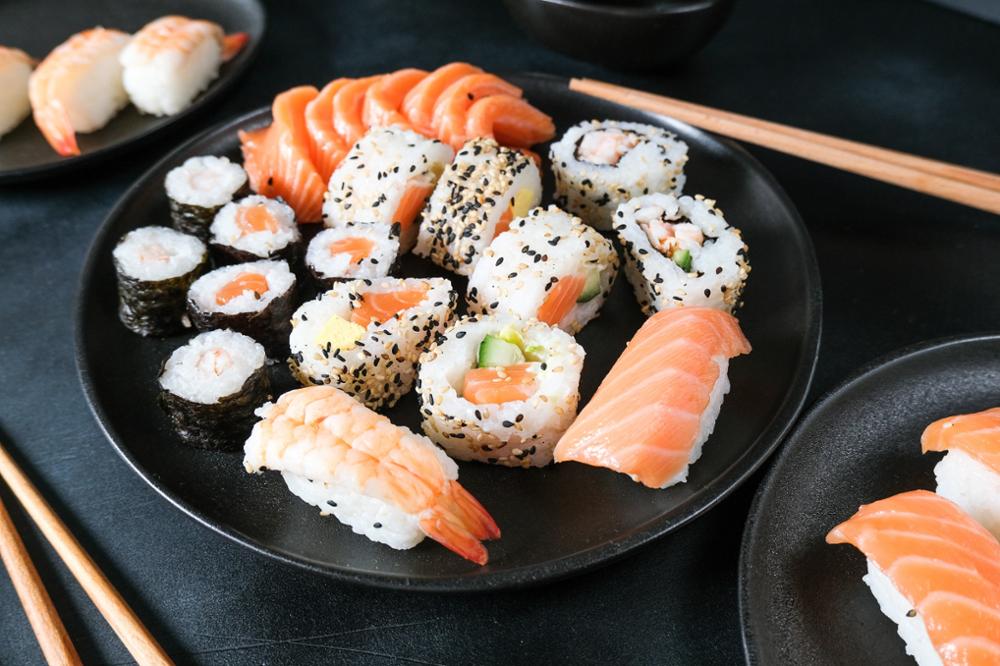
In Japon, the art of sushi is a signature craft of Japanese gastronomy, where rice preparation is as important as fish quality! Once blended with its vinegared sauce, it's no longer simple rice but sumeshi, used to create different types of sushi (maki, nigiri, and more).
How to make vinegared rice for homemade sushi? The traditional recipe
Step 1: Checking your tools and ingredients
The tools A hangiri
This traditional wooden bowl (round and shallow) is used in the final step of the recipe. It must be washed with a sponge before first use.
A bowl and fine-mesh strainer
These accessories are useful during the rinsing stage. The strainer's mesh must be fine enough to prevent rice from escaping.
A spatula
Made of resin or plastic, the spatula spreads the rice. You can also use a wooden spoon.
A damp cloth
It covers the bowl (and replaces the hangiri's wooden lid if you're using a simple pie dish).
Do you need to buy a hangiri?
A hangiri is integral to the traditional recipe. However, if you rarely cook Japanese rice (or in small quantities), simply use a round pie dish. This wooden vessel is expensive and most useful when cooking rice in large amounts.
The ingredients (for a recipe serving 6) 600 g of short-grain rice
To make great sushi, use white, short-grain rice (never long-grain), and avoid dessert short-grain rice – it's not suited to this recipe. Sushi rice is high in starch, which gives it that characteristic stickiness of sushi and sashimi. Where to find it? Look in Asian grocery stores or check the 'world foods' section.
Seasoning ingredients
-1½ cups of rice vinegar ;
-1½ tablespoons of sugar ;
-1½ teaspoons of salt.
A bottle of mineral water is also needed for cooking the rice.
Step 2: Rinsing the rice
The first thing to do before starting the recipe is to thoroughly wash your rice (to prevent it from being too sticky after cooking). While sushi rice is specifically chosen for its high starch content, it still needs washing to remove excess starch!
fill a bowl with cold water ;
pour the rice into your strainer ;
submerge the strainer in the bowl ;
mix the rice with your fingers ;
when the water turns milky: drain it ;
repeat these 5 steps until the water runs clear ;
then fill a saucepan with 400 ml of cold mineral water ;
add the rice and let it rest for 30 minutes
Step 3: Preparing the seasoning
Meanwhile, heat ½ cup of rice vinegar. Once it reaches a boil, add the salt and sugar, then stir until the sugar is completely dissolved. Let cool.
Step 4: Cooking
Cooking the rice is delicate, as it must be sticky – but not too much!
get your saucepan with rice and mineral water ;
heat it over high heat with a lid ;
once the water boils, cook for 5 minutes ;
then lower to very low heat, and cook for 10 more minutes ;
remove the saucepan from the heat – without removing the lid! – and let cool for 10 more minutes.
Remove the lid: your rice is ready (all the water has evaporated during cooking).
Step 5: Mixing the rice and seasoning
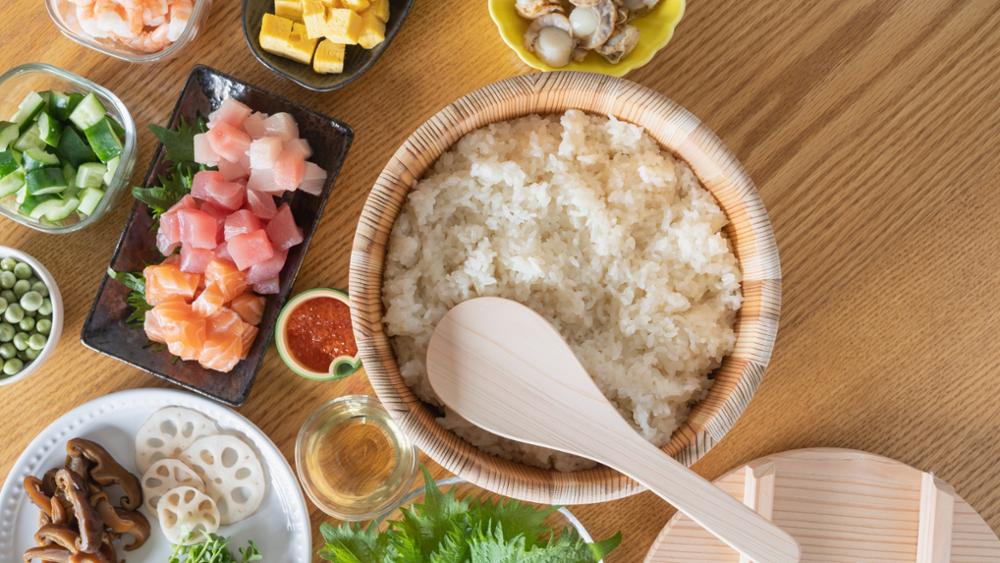
Place the rice in your hangiri or pie dish, and pour the vinegared sauce over it. Then, using your spatula, gently mix everything together, being careful not to crush the rice grains!
Finally, cover your bowl with a damp cloth (or the wooden lid of your hangiri). The moisture from the cloth (or wood) helps keep the rice at the right temperature. If you're not making sushi right away: don't refrigerate your rice as it will harden.
How to cook sushi rice quickly? The easy recipe
If you're short on time, there's a less traditional but equally delicious recipe:
cook your rice for 10 minutes in a pressure cooker ;
let rest for 10 minutes covered,
use a ready-made vinegared sauce (you can find it in liquid form in a bottle, or as a powder to sprinkle over hot rice).
Now? All that's left is to learn how to eat your sushi the proper way!
Frequently asked questions
Sushi rice (sumeshi) is a white, short-grain rice high in starch, seasoned with rice vinegar, sugar, and salt. Regular sticky rice (mochi rice) is a different variety with an even stickier texture used for Japanese desserts. Sushi rice should be sticky yet firm enough to be shaped.
Yes, you can use apple cider or white vinegar as a substitute, but the taste will be slightly different. Rice vinegar is milder and less acidic, creating perfect balance with the sugar and salt in the traditional recipe. For an authentic result, rice vinegar is recommended.
Sushi rice keeps ideally at room temperature, covered with a damp cloth, for a maximum of 2 to 3 hours. It's not recommended to refrigerate it as it will harden and lose its ideal texture. If you're making sushi the same day, prepare the rice at the last moment.
Sushi rice is easily found in Asian grocery stores, and also in supermarkets in the 'world foods' or 'Asian cuisine' section. Look for brands offering short-grain Japanese rice, such as Koshihikari or Calrose. Avoid Arborio-type dessert rice, which isn't suitable.
No, the hangiri is the traditional tool but can be replaced with a simple round pie dish. The wooden hangiri has the advantage of absorbing excess rice moisture, but for occasional use or small quantities, a regular dish covered with a damp cloth gives excellent results.