Saint Valentine's Day
In the Land of the Rising Sun, February 14th is an important date. More than a "lovers' celebration," it allows women to express their affection to the men in their lives
In the Land of the Rising Sun, February 14th is an important date. More than a " lovers' celebration, it allows women to express their affection to the men in their lives, with honmei-choco or giri-choco chocolate… In return? They receive a gift on March 14th during White Day. Friends, singles, parents: Valentine's Day in Japan is a traditional celebration that leaves no one out! An overview of its unusual customs…
The History of Valentine's Day in Japan: origins and customs
After World War II (and the influence of American Occupation), Japan opened itself to Western culture. In the 1950s, Valentine's Day was imported and quickly became entrenched in Japanese culture. While this celebration allows people to show affection to a loved one, its customs and practices differ from our traditions.
The first major difference? In Japan, the celebration unfolds in two parts! There is first Valentine's Day on February 14th, then White Day celebrated on March 14th. The second difference? In the Land of the Rising Sun, it is women who give a gift (chocolate) to a man, and to the men in their lives. To avoid misunderstandings, there are different types of chocolates to give (to one's boss, colleagues, friends, etc.).
Valentine's Day traditions in Japan: the types of chocolates given on February 14th
While in the West Valentine's Day is considered mainly a "lovers' celebration," this day holds a broader meaning in Japan. It's not just about expressing love to one person, but about showing consideration or affection to someone who is close to you. On February 14th, a woman gives two types of chocolates:
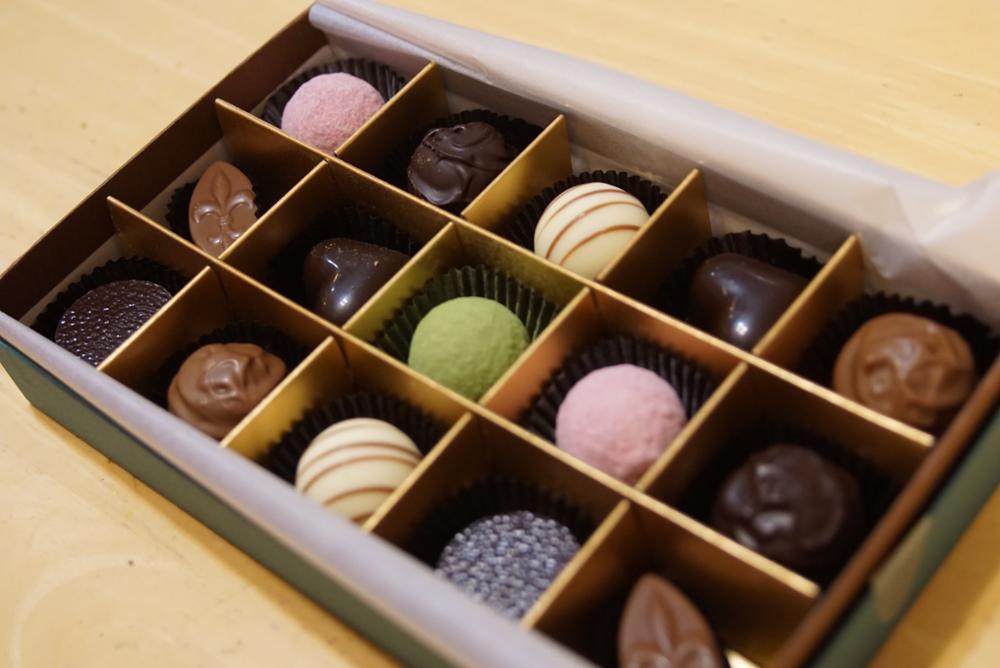
Honmei-choco chocolate
A woman gives the "chocolate of destiny" to the man she is in love with. Honmei-choco are given in heart-shaped boxes. If this box is homemade, the gift has even more value, as it shows the care taken for the man receiving it.
Giri-choco chocolate
This "courtesy chocolate" is given as a gesture of politeness and can also be seen as a form of social obligation. Women give it to men they interact with frequently. Chō-giri chocolates are usually given to a superior or a work colleague. Their packaging is simple and often not elaborate.
White Day: white gifts given on March 14th
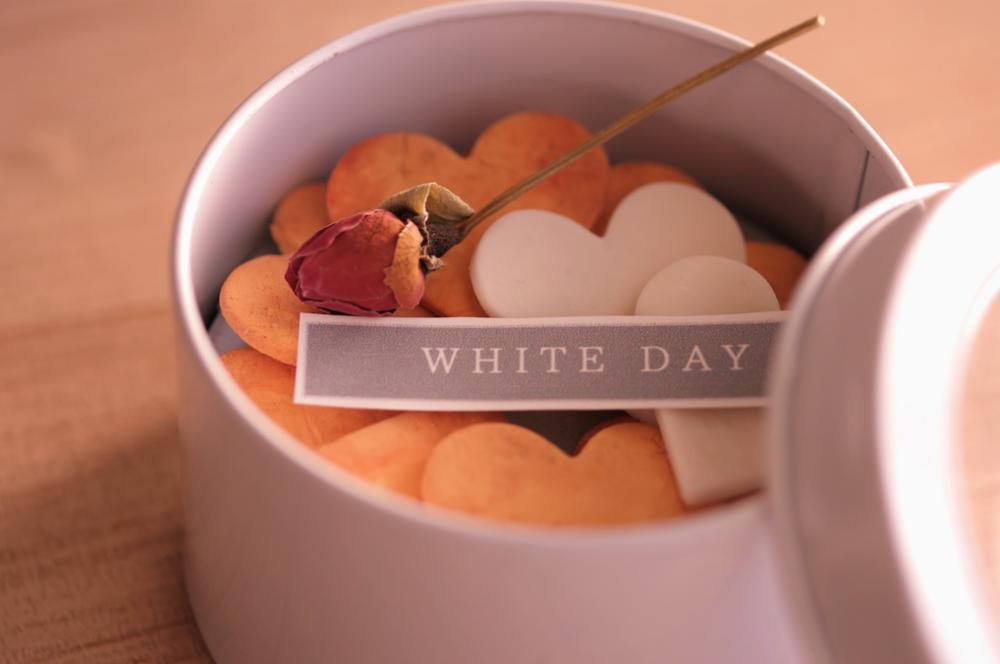
Celebrated on March 14th, White Day is the second day of Valentine's Day. Appearing in 1978, this celebration allows, in a way, to "return the favor" to women. It was initiated by Ishimura Manseido, a marshmallow shop. Originally, White Day was called Marshmallow Day.
Later renamed White Day – to recall the color of the candy – the concept has evolved over time. At first, only sweets were given on March 14th. Today, women receive jewelry, flowers, lingerie, and more. Whatever the gift, it should be white.
Tradition also dictates that the value of the gift be three times greater than the one received by the man a month earlier! This custom – called sanbaigaeshi – is not just a marketing tactic but a way to return even more love. Still very much present, this practice does tend to fade.
White Day is also an opportunity for shy young people to declare their love. On this special day, men give a white ribbon to their beloved. If, before the day's end, she displays it prominently on her wrist, hair, or bag, it means her feelings are reciprocated!
4 Atypical Valentine's Days: unusual customs in Japan
Valentine's Day takes on other forms in Japan. Indeed, love or courtesy are not the only sentiments celebrated. On February 14th, it is also possible to give:
The "reverse chocolate"
Appearing in 2008, gyaku choco is a way to celebrate Valentine's Day in the Western manner. Men don't wait until March 14th, as Japanese custom dictates, and also give chocolates to their beloved on February 14th. The particularity of this practice? Since it's an inverted custom: the packaging designs are intentionally printed upside down!
The "friendship chocolate"
Tomo-choco is very popular with high school and middle school girls who express their friendship with each other. These chocolates are much more playful and colorful than others. Younger girls also give papa choco to their fathers.
"Chocolate for yourself"
Jibun-choco are increasingly popular – gifts you give to yourself. In 2022, a survey (conducted by JR Tôk Takashimaya) announced that 36% of Japanese women bought chocolates for themselves before giving them to others.
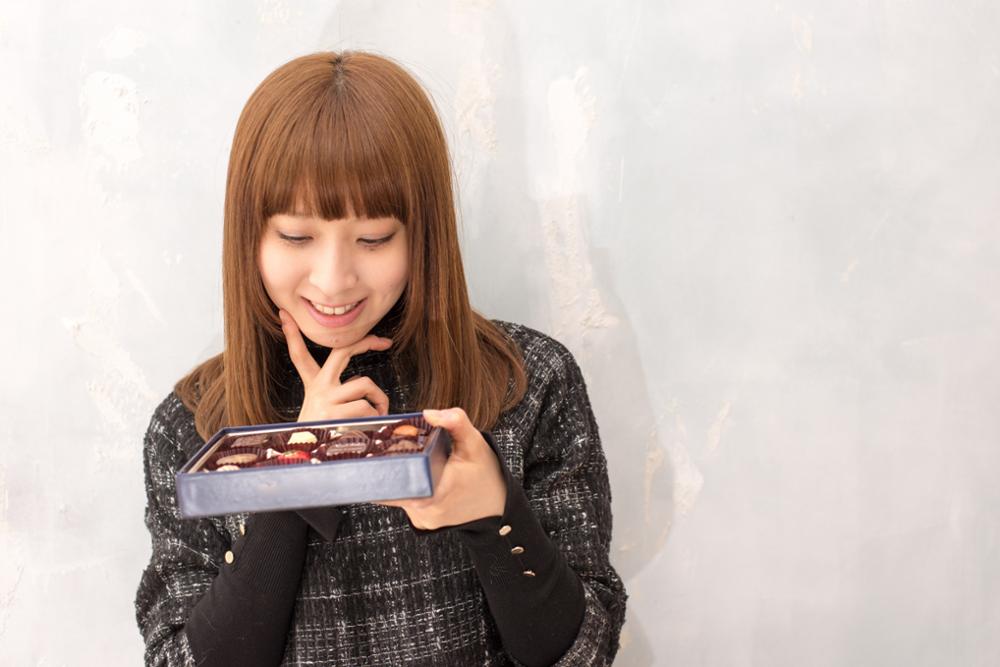
ハッピー・バレンタインデー
Happy Valentine's Day!
Frequently asked questions
Honmei-choco is the 'chocolate of destiny' given by a woman to the man she is in love with on February 14th. It is often presented in a heart-shaped box, and if it is homemade, it has even more symbolic value.
White Day is celebrated on March 14th in Japan. It is the day when men give gifts in return to women who gave them chocolates on Valentine's Day. The gifts should be white in color and, according to the sanbaigaeshi tradition, their value should be three times greater than the gift received.
No, Valentine's Day in Japan has important differences. It is women who give chocolate to men on February 14th, not the other way around. There are several types of chocolates depending on the relationship (love, friendship, courtesy). Additionally, the celebration extends with White Day on March 14th.
Giri-choco is the 'courtesy chocolate' given by women to the men in their professional or social circles (colleagues, supervisors). It does not express romantic feelings but social politeness. Its packaging is usually simple and not elaborate.
Valentine's Day was introduced to Japan in the 1950s, following the influence of Western culture after World War II and American Occupation. It quickly adapted to Japanese cultural codes to take on a unique form.