Sakura or Japan's Cherry Blossoms in Bloom
Hanami is a traditional festival in Japan, literally meaning 'flower viewing.' The celebration takes place each spring, typically from late March onward.
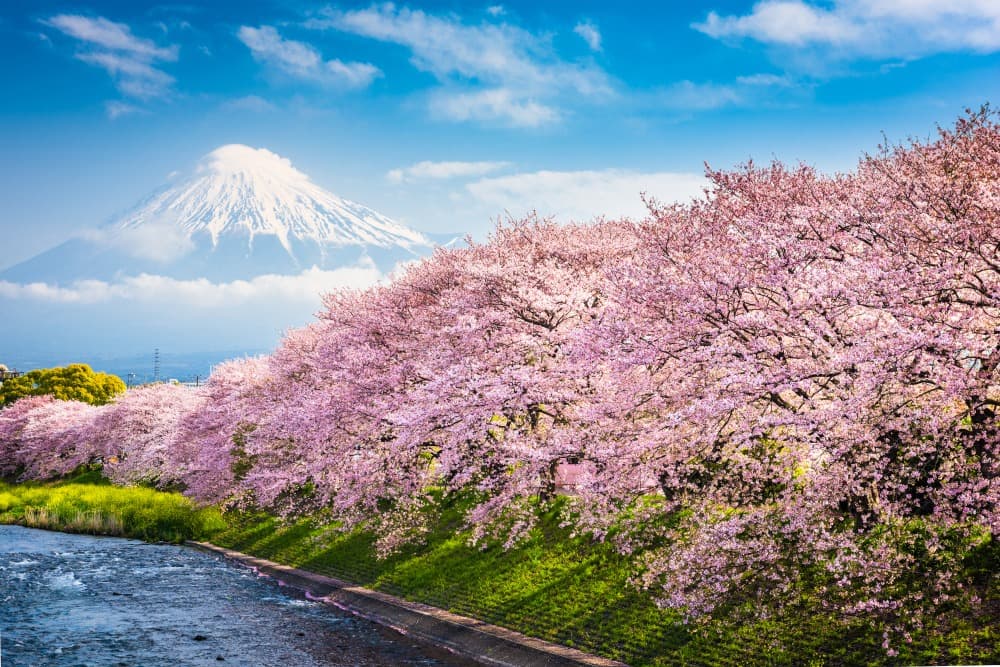
The Hanami is a traditional festival in Japan, literally meaning 'flower viewing.' The celebration takes place each spring, typically from late March into early April. The cherry trees, known in Japan as 'Sakuras,' begin to bloom throughout the country. The Japanese seize this magnificent, though fleeting, spectacle in full. They gather in parks, particularly in Ueno in Tokyo, where the festival is celebrated majestically. Picnics are organized in parks everywhere, and countless people come together to celebrate.
'Flower viewing' is an ancient custom in which all Japanese people participate without exception. First, everyone contemplates the blooming plum blossoms (ume), then moves on to admiring the cherry blossoms. This tradition dates back to the Heian era (794 to 1185 A.D.), when initially only aristocrats participated in the event. The cherry blossoms marked the season when rice paddies were to be replanted.
Today, the festival has become immensely popular. The plum blossom bloom that precedes the cherry blossoms receives somewhat less attention, but it joyfully announces the arrival of spring. Hanami, meanwhile, draws far greater crowds, with families and groups of friends spontaneously gathering in parks. The atmosphere is lighthearted and festive; all social classes mingle, making it the only day of the year when there is no distinction between a worker and his boss. Students bring their guitars and play music, the elderly join the young, and everyone shares, laughs, and forgets life's worries for a few days.
The most renowned sites are besieged with visitors, such as Ueno Park in Tokyo. It's best to arrive early, in the morning. To reserve your spot, you have two options: either arrive at dawn to your chosen location and lay down your blue picnic blanket (always blue) with your name written on it, or ask a friend to reserve a spot for you and stay there until you arrive.
On the day Hanami begins, all Japanese radio stations and television networks mobilize. At the same time as the weather forecast, daily predictions are given to indicate where to go to admire the cherry blossoms. Indeed, depending on the species, they do not always bloom at the same time.
Hanami depends on temperatures and the cyclical movements of nature, so there is no precise date set for the event. The first blooms (Kaika) begin in early January in the southern part of the archipelago in the subtropical region of Japan at Okinawa. Then they start in the north of the country, reaching Tokyo in March and ending in Hokkaido in May. The most anticipated moment is peak bloom, called mankai.
Where to Admire the Cherry Blossoms
Here are some authentic places to come admire cherry blossoms:
Within Fukui Prefecture, Miko, a town in Wakasa located on the Tsunegami Peninsula, is a wild and hilly place. In spring, the mountain becomes covered with thousands of cherry blossoms. The oldest of them is 260 years old! It's a magical place, rich in history. But the most impressive town in Fukui Prefecture is Ono.
Ono boasts a magnificent lake called Kuzuriu, where nearly 10,000 cherry trees line the shores of the water. An enchanting sight, Ono is not very touristy—there's no place more authentic than this.
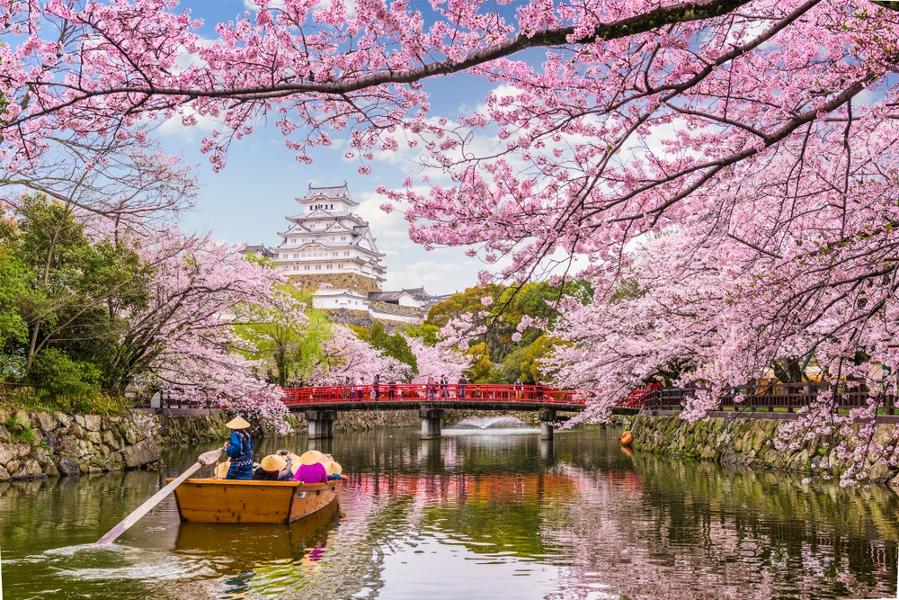
If you visit the Himeji Castle (in Himeji Prefecture), why not go during Hanami? Hundreds of cherry trees bloom there each year, amidst splendid scenery. The castle has been designated as a UNESCO World Heritage site. Countless other parks throughout Japan's prefectures await your visit, and admission is usually free—you'll have no excuse to miss the event if you travel to the Land of the Rising Sun during Hanami. Research flowering dates and regions in advance before planning your trip. It's a serene tradition, dazzling for the soul and the heart.
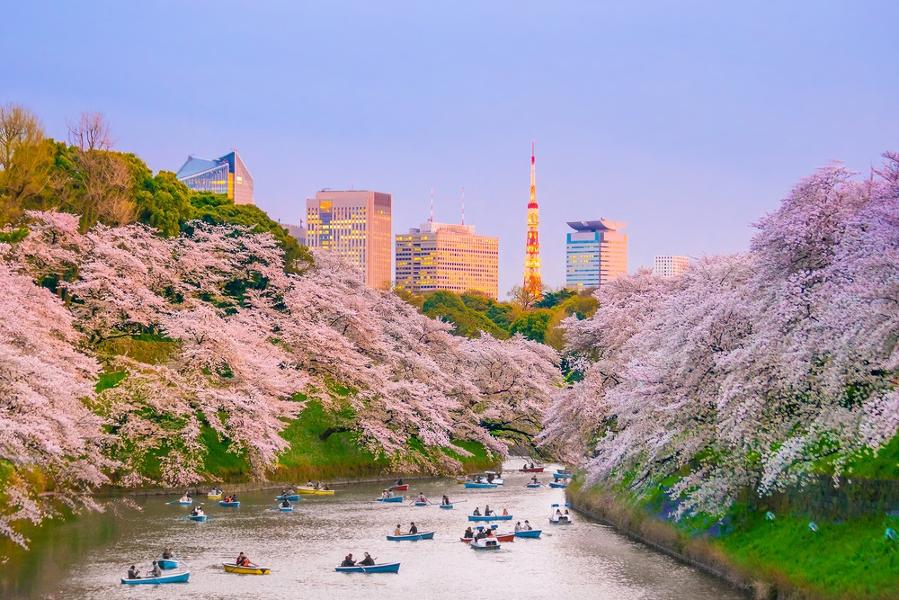
The Ueno Park in Tokyo is inundated with visitors during Hanami, arguably the most frequented location during the festival. Yet by venturing away from the major cities, there are many far more captivating and less crowded places to explore. Not far from Nara, for example, Mount Yoshino is home to more than 30,000 cherry trees and offers visitors one of the most spectacular views. You'll stroll peacefully through entirely preserved nature and breathe in the sweet fragrance of cherry blossoms in bloom.
The leaves of cherry trees, which symbolize life's fragility and fleeting beauty, enhance the cities, villages, and mountains of Japan at the time of their bloom. The Japanese and the few tourists who gather to admire the cherry blossoms are delighted to celebrate, drink, sing, dance... It's an experience to live through that will bring you closer to the Japanese people, their culture, and traditions.
Japan Travel Tip
In Japan, cherry blossom bloom forecasts are based on the opening of white-flowered Someiyoshino blossoms. If you wish to visit a region of Japan during Hanami, check Japanese weather bulletins carefully, and you'll know which region to head to in order to admire the sakuras.
Frequently asked questions
The timing varies by region. Blooms begin as early as January in Okinawa, reach Tokyo in late March to early April, and conclude in Hokkaido in May. Peak bloom (mankai) typically lasts one to two weeks per region. Consult Japanese weather bulletins or dedicated apps to track progression in real time.
Hanami is an ancient Japanese tradition literally meaning 'flower viewing.' It involves gathering with family or friends in parks to admire the blooming of cherry trees (sakuras). Participants organize picnics, play music, drink, and share meals in a festive and convivial atmosphere.
Among the most renowned locations: Ueno Park in Tokyo (very lively), Mount Yoshino near Nara (over 30,000 cherry trees), Himeji Castle (a UNESCO World Heritage site), and Lake Kuzuriu in Ono in Fukui Prefecture (approximately 10,000 cherry trees). For a more authentic experience, opt for less touristy sites such as Miko on the Tsunegami Peninsula.
Spots in popular parks like Ueno are reserved informally. Two options: arrive very early in the morning and place a blue picnic blanket with your name on it to mark your spot, or ask a friend to arrive before you and hold the space until you get there.
Absolutely! Hanami is open to everyone, and many foreign tourists participate each year. Admission to most parks is free. However, it is advisable to book your accommodation several months in advance, as the flowering season is one of the busiest times of year in Japan. Research predicted flowering dates and regions before planning your trip.
Someiyoshino is the most common cherry tree variety in Japan, recognizable by its white, slightly pink blossoms. Japanese weather forecasts base official Hanami dates on the bloom opening of this species. Monitoring Japanese weather bulletins will tell you which region to visit to admire the sakuras at their peak.