Japanese Street Food
Japanese street food is an integral part of Japanese culture. Born to feed samurai and warriors, street cuisine has become democratized, becoming a very popular practice both in everyday life and at major events...
Japanese street food is an integral part of Japanese culture. Born to feed samurai and warriors, street cuisine has become democratized, becoming a very popular practice both in everyday life and at major events... Discover the must-try dishes from markets and street vendors!
Takoyaki
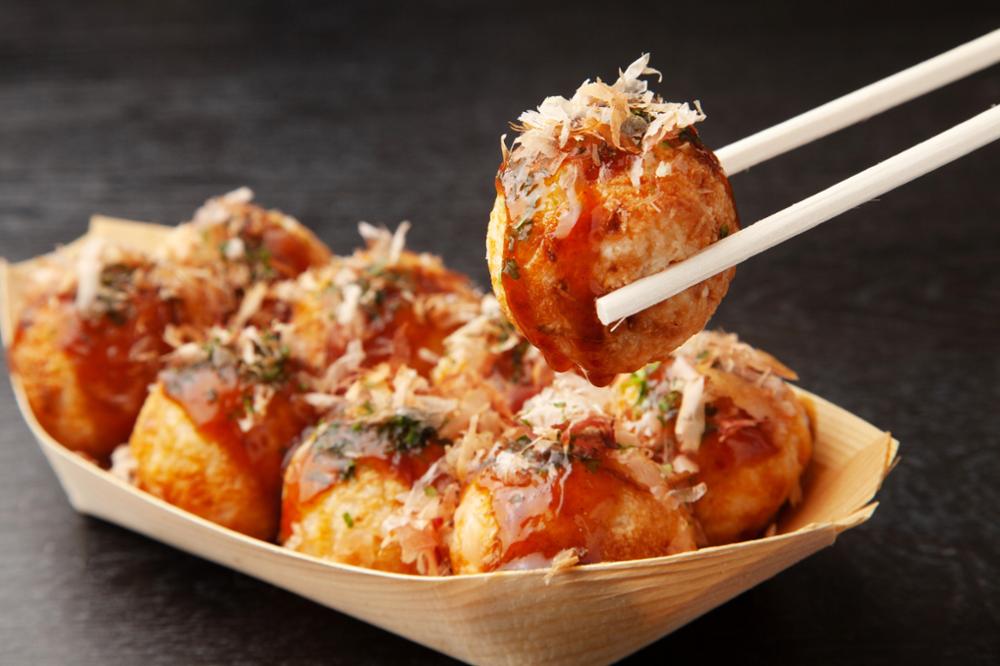
Originating from the city of Osaka, takoyaki are small octopus dumplings grilled to perfection. For perfect cooking, the morsels are continuously turned and rotated until their batter is evenly golden. Once ready, they are topped with mayonnaise and sprinkled with dried bonito flakes—a variety of tuna renowned for its tender and flavorful flesh.
Served in batches of 4 or 6 dumplings, this dish is considered the king of street food and generates long lines at the stalls! With a melting center and perfectly cooked exterior, takoyaki are consumed while very hot, using small picks.
Shioyaki ayu
Shioyaki ayu refers to a "salted grilling" of ayu—a freshwater fish highly prized for the sweetness of its flesh. Marinated for hours and dusted with salt, shioyaki ayu is then grilled whole.
Indeed, this small fish (despite being much larger than whitebait!) is consumed in its entirety (except the bones). Each fish, by its size, represents a single skewer...
Karaage
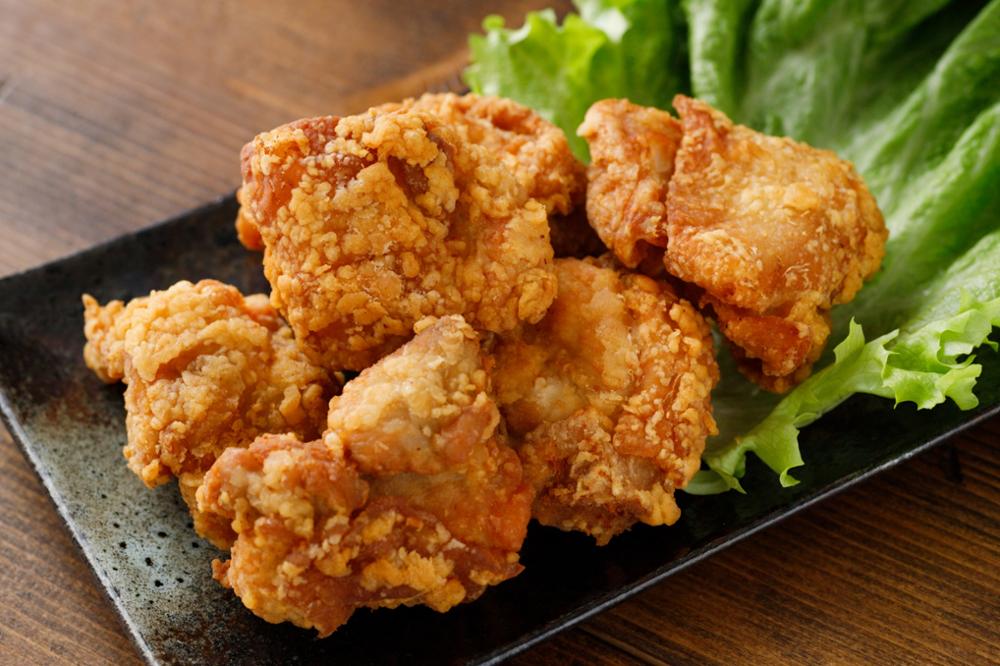
Karaage are fried chicken pieces whose appearance recalls that of nuggets. Marinated in grated ginger, mirin (a very sweet sake), garlic, soy sauce, and sesame oil, the chicken pieces are then coated in potato starch and plunged into the fryer.
Once crispy, karaage are covered with mayonnaise or seasoned with a squeeze of lemon. This street food dish is also a staple at izakaya—small establishments very popular with locals (similar to tapas bars) where Japanese people love to gather with friends or colleagues to drink beer.
Yakitori
Made with chicken or pork breast, yakitori are grilled meat skewers. Prized for their tender cooking, these are coated with a sweet or savory sauce, depending on your preference. There are several types of sauces, including asuparagabekon (asparagus and bacon) or tare (sake, soy sauce, and sugar).
Yakisoba
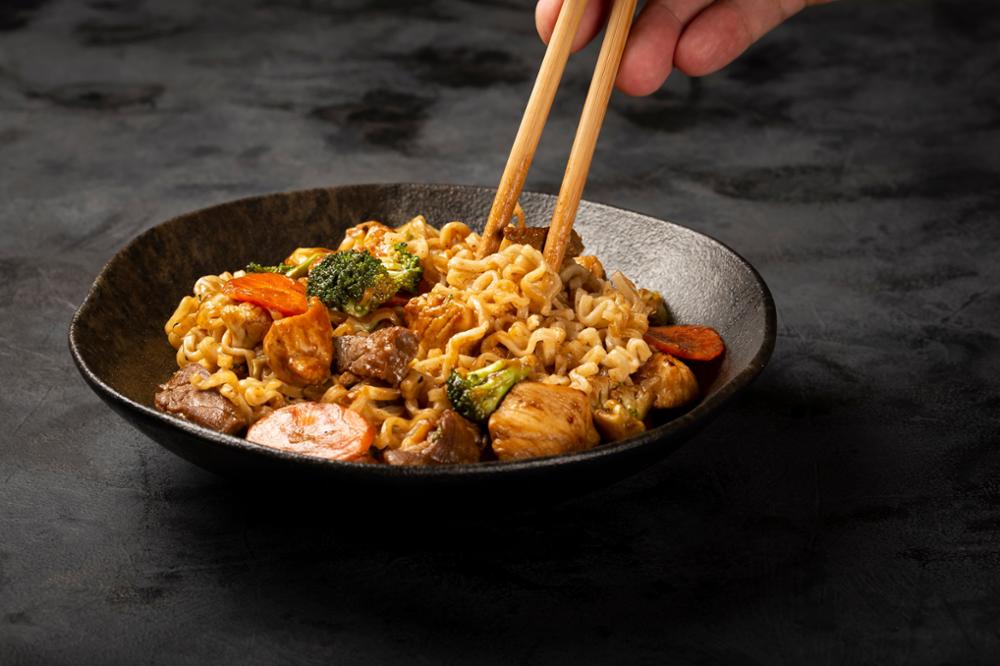
Originating from Chinese cuisine, yakisoba is a stir-fried noodle dish, topped with vegetables, meat, or fish. It is a dish very widespread on the streets, but also at festivals.
The skewers are generally served with a sweet sauce, benishōga (red ginger cut into thin slices), aonori (green seaweed, very commonly used in Japanese cuisine), and sometimes dried bonito.
Okonomiyaki
Okonomiyaki is a type of very thick omelet with a fairly firm texture. In the traditional recipe, the preparation is made with meat or fish, cabbage, eggs, seaweed, and various vegetables, before being poured onto a very hot griddle...
Once cooked, okonomiyaki is topped with dried bonito and a sweet and sour sauce—similar to Worcestershire sauce. The recipe for this "Japanese pancake" varies by region, with variants from Hiroshima and Osaka being particularly renowned.
Taiyaki
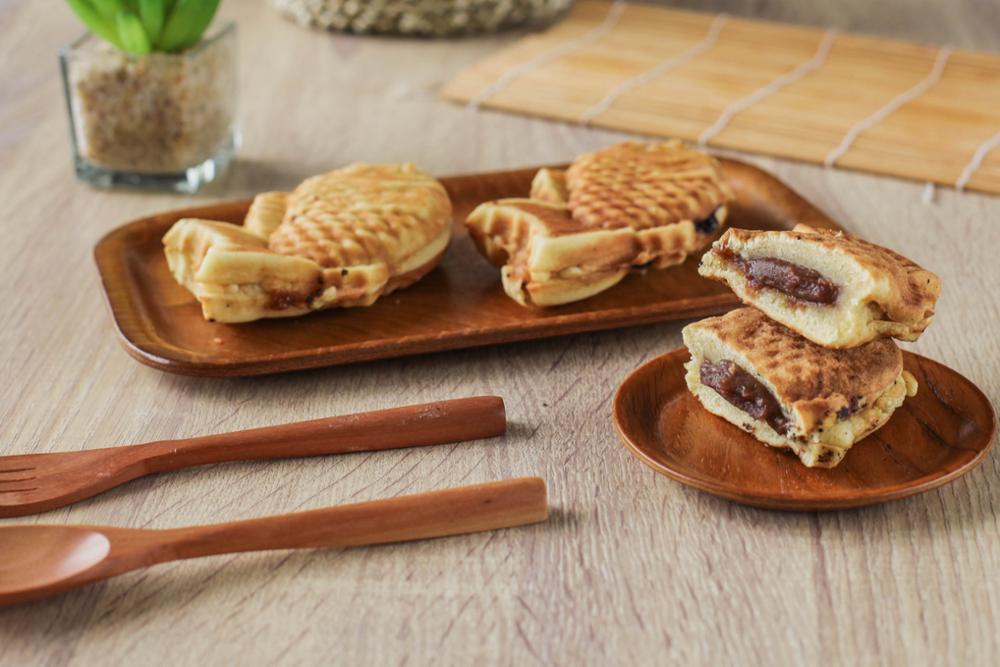
Taiyaki is a waffle filled with anko (a sweet red bean paste). Its distinctive feature? The pastry represents a fish! The shape of this dessert (which literally means "grilled sea bream") dates back to the Edo period, when sea bream was considered a luxury fish. To attract customers, a Tokyo pastry shop is said to have given its shape to these cakes...
Dango
Dango are small, sweet, and very colorful delights, made with mochi—a preparation of glutinous rice and flavored powder (yuzu, strawberry, cocoa, etc.). Served at markets on skewers of 3 or 4 pieces, this dessert is often accompanied by matcha tea, cherry blossoms, or vanilla.
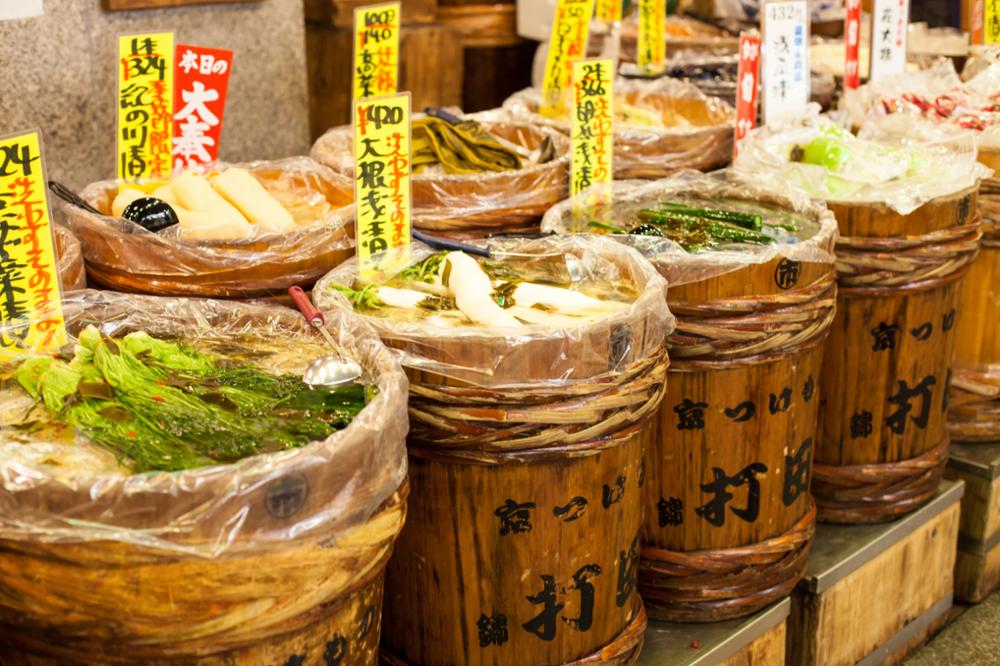
Ameyoko Market: Tokyo's best culinary market! Street food has been rooted in Japanese culture since the 17th century! Food stalls then spread to feed samurai and warriors who regularly returned to the Court, at the request of the Tokugawa Shogunate (the dynasty of shoguns who ruled Japon between 1603 and 1867). Over time, street vendors (the yatai) developed and democratized street cuisine throughout the archipelago. Among the must-visit places for street food, don't miss Ameyoko Market ! Opened in the 1950s, it is today the most renowned shōtengai (covered shopping arcade) in Tokyo! |
Frequently asked questions
Japanese street food refers to cuisine sold on the streets, at markets, festivals, and by street vendors called yatai. This culinary tradition dates back to the 17th century and offers a wide variety of hot, sweet, or savory dishes, such as takoyaki, yakitori, or dango.
Among the most popular Japanese street food dishes are takoyaki (octopus dumplings originating from Osaka), karaage (fried chicken), yakitori (grilled meat skewers), okonomiyaki (thick omelet), and in the sweet version, taiyaki and dango.
Ameyoko Market is one of the best places to discover street food in Tokyo. Opened in the 1950s, this famous covered shopping arcade (shōtengai) offers a wide variety of street dishes in a lively and authentic atmosphere.
Some Japanese street food dishes can be vegetarian, such as dango (mochi-based desserts) or certain versions of yakisoba without meat. However, many dishes contain meat, fish, or seafood. It is advisable to inquire with the vendor before purchasing.
Takoyaki are small round dumplings made from octopus, grilled to perfection and originating from Osaka. Okonomiyaki, on the other hand, is a type of thick omelet made with cabbage, eggs, meat, or fish, cooked on a hot griddle. Both are emblematic specialties of the Osaka region.